Key Takeaways
- Objective testing, such as polysomnography or an AASM-supported home sleep test, should confirm sleep apnea; a symptom questionnaire alone cannot establish a diagnosis.
- A normal home sleep test does not always rule out sleep apnea; if the result is negative, inconclusive, or technically inadequate and concern remains, the AASM recommends in-lab polysomnography.
- Verify accreditation, board-certified sleep clinicians, who interprets results, and whether both home and in-lab testing are offered before booking any clinic.
- CPAP is a common first-line therapy, but treatment should be individualized; lifestyle changes, weight management, oral appliances, or surgery may also be options depending on your diagnosis.
- Sleep apnea often coexists with high blood pressure, type 2 diabetes, and heart concerns, so a primary care team that tracks overall health can address the full picture.
- Check insurance referral and prior authorization requirements for sleep testing and CPAP equipment before scheduling, and ask the clinic about wait times and out-of-pocket costs.
Waking up tired after a full night in bed is a common complaint across Florida. Loud snoring, gasping at night, and heavy daytime sleepiness can point to obstructive sleep apnea (OSA). Many adults ignore these signs for years. Yet a Tampa Bay sleep apnea clinic can turn vague symptoms into a clear diagnosis and a treatment plan that works.
Choosing the right clinic matters. Some programs focus only on testing. Others connect you with a primary care team that tracks your heart health, weight, blood pressure, and medications along with your sleep. In 2026, patients have more options than ever, including home testing and virtual follow-up visits.
This guide covers nine practical points to review before you book. It draws on guidance from the American Academy of Sleep Medicine (AASM) and explains how primary care fits into the process. You will learn what a quality evaluation looks like, which tests are appropriate, and how to compare clinics with confidence.

1. Know the Signs That Call for a Sleep Evaluation
Sleep apnea happens when breathing repeatedly pauses or becomes shallow during sleep. Many people do not realize it is happening. A bed partner often notices first.
Common signs of OSA include:
- Loud, frequent snoring
- Witnessed pauses in breathing during sleep
- Waking up gasping or choking
- Excessive daytime sleepiness or fatigue
- Morning headaches or a dry mouth
- Trouble focusing or low mood
These symptoms deserve a clinical evaluation. A screening questionnaire can raise concern, but it cannot confirm a diagnosis. If you are unsure whether your symptoms are serious, read How to Know When to See a Doctor for Poor Sleep for a clear starting point. You can also review the symptoms of sleep apnea in more detail.
2. Understand What a Tampa Bay Sleep Apnea Clinic Actually Does
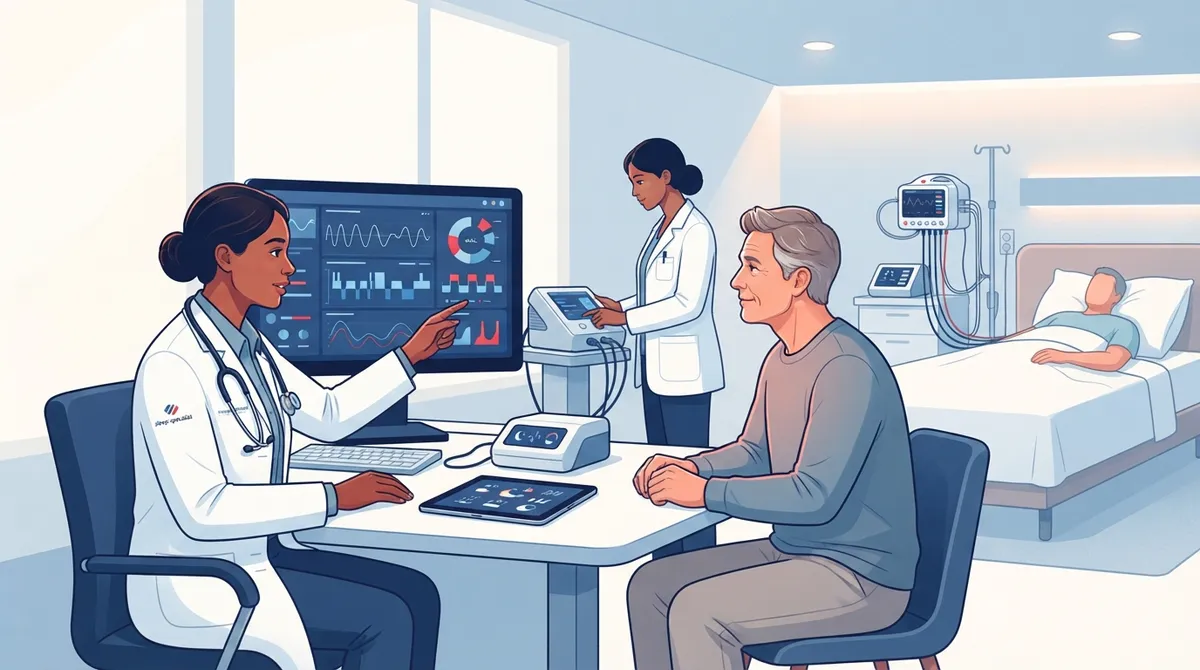
A good Tampa Bay sleep apnea clinic guides you through a full path of care, not just a single test. The usual steps look like this:
- Clinical evaluation. A clinician reviews your symptoms, sleep habits, medical history, and risk factors.
- Objective testing. You complete a sleep study that measures breathing during sleep.
- Diagnosis. A qualified clinician interprets the results and explains severity.
- Treatment planning. You and your clinician choose therapy that fits your needs.
- Follow-up. The team checks progress, adjusts treatment, and solves problems.
Primary care clinicians play a key role in this process. They spot symptoms and risk factors, order or coordinate testing, and refer you to a sleep specialist when needed. They also manage related conditions such as high blood pressure, diabetes, and weight. To see how this works locally, review how to find a sleep medicine doctor in Tampa.
3. Insist on Objective Testing
The AASM states that adult OSA diagnosis should rest on objective testing as part of a comprehensive sleep evaluation. A guess based on symptoms alone is not enough. Be cautious of any clinic that offers treatment without a proper test.
Two main tests are used:
|
Test |
Where It Happens |
Best For |
|---|---|---|
|
In-laboratory polysomnography |
Sleep lab, overnight |
Complex cases, other medical conditions, unclear home results |
|
Home sleep apnea test (HSAT) |
Your own bed |
Selected adults with uncomplicated, likely moderate-to-severe OSA |
Polysomnography is the standard diagnostic test when adult OSA is suspected. A home test is an option for selected uncomplicated adults at increased risk of moderate-to-severe OSA. Your clinician decides which test fits your situation. For a full comparison, see Home vs. In-Lab Sleep Study in Tampa.
4. Know When a Home Test Is Not Enough
Home testing is convenient, but it has limits. The AASM recommends in-laboratory polysomnography if a home test is negative, inconclusive, or technically inadequate and concern remains. In other words, a normal home result does not always rule out sleep apnea.
People with certain complex medical conditions may also need a lab study from the start. Examples include significant heart or lung disease and other health problems that can affect breathing during sleep. Your clinician should explain why a given test was chosen. If a clinic skips this discussion, ask questions before you proceed.
5. Verify Accreditation, Credentials, and Services
Local options exist across the region. One example is AdventHealth Sleep Center Tampa, which reports AASM accreditation and adult sleep-disorder services. Another is Pulmonary and Sleep of Tampa Bay, which reports sleep-lab services at three Central Florida locations. These are provider-reported details, so confirm them directly.
Before you commit to any clinic, check the following:
- Is the sleep program accredited by a recognized body such as the AASM?
- Are the clinicians board certified in sleep medicine or a related specialty?
- Does the clinic offer both home and in-lab testing?
- Who interprets the study results?
- What follow-up and equipment support are included?
Locations, services, and appointment availability can change. A quick phone call saves time and avoids surprises.
6. Ask How Treatment Will Be Personalized
Treatment should match your diagnosis, health history, and daily life. Positive airway pressure (PAP), including CPAP, is a common first-line therapy. AASM guidance says PAP should follow an objectively established diagnosis, and that education, troubleshooting, and follow-up help people use it well.
Other options may be considered depending on your case:
- Lifestyle changes, including better sleep routines and limiting alcohol before bed
- Weight management when appropriate
- Oral appliances for selected patients
- Surgery in selected cases
CPAP is not the only path, but it should not be dismissed without a reason. If CPAP feels hard to tolerate, speak up early. Small adjustments to mask fit or pressure often help. Explore more choices in Alternatives to CPAP for Sleep Apnea and How Is Sleep Apnea Treated?
7. Consider the Link Between Weight, Health, and Sleep
Sleep apnea rarely travels alone. It often appears with high blood pressure, type 2 diabetes, heart concerns, and excess weight. That is why a whole-body view matters. Treating sleep apnea while ignoring these related conditions leaves part of the problem unsolved.
A primary care and wellness practice can look at the full picture. For example, a team may check blood pressure, order lab work, and discuss medical weight loss when it is clinically appropriate. Many adults find that better sleep makes it easier to manage weight, and healthy weight loss can ease sleep apnea in some people. Learn more in Can Weight Loss Help Sleep Apnea? and 12 Ways Untreated Sleep Apnea Affects Your Health.
8. Plan for Insurance, Referrals, and Wait Times
Coverage rules vary. Some insurance plans require a referral before a sleep study. Others require prior authorization for testing or for CPAP equipment. Rules can differ for each plan, so check with your insurer first.
Use this short checklist before you schedule:
- Call your insurance company and ask if a referral is needed.
- Ask whether a home test or lab study is covered.
- Confirm coverage for CPAP and supplies.
- Ask the clinic how long it takes to get an appointment and results.
- Request a clear estimate of any out-of-pocket costs.
A primary care visit is often the fastest way to start. Your clinician can document symptoms, order testing when appropriate, and handle referral paperwork. Our guide on how to get a sleep apnea evaluation in Tampa in 2026 walks through this process.
9. Choose a Clinic That Stays With You After Diagnosis
Diagnosis is only the first step. Real progress comes from steady follow-up. Look for a team that checks how you are using therapy, reviews your symptoms, and updates your plan over time.
InCare is a personalized primary care and wellness clinic with locations in Tampa and Riverview. The team combines medical expertise with modern technology and focuses on prevention and whole-body health. Patients can start with a primary care visit to discuss snoring, fatigue, and sleep concerns, and the clinic can help coordinate the next steps, including referral to a sleep specialist when testing or treatment calls for one. With a 4.8 rating on Google, InCare is a strong choice for patients who want continuity of care. You can visit us on Google and read InCare reviews to see what patients say. Riverview residents may also like How to Choose a Sleep Apnea Doctor in Riverview, FL.
Before your first visit, prepare well. Our guide on how to prepare for a sleep consultation explains what to bring and what to expect. A sleep diary, a list of medications, and your bed partner's observations all help. You can also stay connected with the practice on Instagram, Facebook, and TikTok for health tips and updates.
Quick Comparison: What to Look For
|
Question |
Strong Answer |
Red Flag |
|---|---|---|
|
How is sleep apnea diagnosed? |
Objective testing after a full evaluation |
Treatment based on a questionnaire alone |
|
What test will I get? |
Clear reason for home or lab testing |
No explanation for the choice |
|
Is the program accredited? |
Verified accreditation and credentialed clinicians |
Vague or unconfirmed claims |
|
What happens after diagnosis? |
Education, follow-up, and adjustments |
Equipment handed over with no support |
|
Who coordinates my overall health? |
A primary care team connected to sleep care |
No link to your other conditions |
Take the Next Step Toward Better Sleep
Better sleep starts with a clear plan. The right Tampa Bay sleep apnea clinic will confirm your diagnosis with objective testing, tailor treatment to you, and stay involved as your health changes. Pair that with primary care that looks at your whole body, and you give yourself the best chance at lasting results.
If snoring, fatigue, or restless nights are holding you back, start the conversation today. Book your visit with InCare to talk with a clinician about your symptoms, or contact our team with questions about care in Tampa and Riverview.
FAQs
Q: What are the signs that I should see a sleep apnea clinic in Tampa Bay?
A: Common signs include loud snoring, witnessed pauses in breathing, waking up gasping or choking, and daytime sleepiness. These symptoms warrant a clinical evaluation. A questionnaire alone cannot confirm a diagnosis, so objective testing is needed.
Q: Can I take a sleep apnea test at home, or do I need an overnight sleep study?
A: A home sleep apnea test is an option for selected adults with uncomplicated, likely moderate-to-severe OSA. If the home test is negative, inconclusive, or technically inadequate and concern remains, the AASM recommends in-laboratory polysomnography. People with certain complex medical conditions may need the lab study first.
Q: Is CPAP the only treatment for sleep apnea?
A: No. Positive airway pressure, including CPAP, is common, but treatment is individualized. Options may include lifestyle changes, weight management when appropriate, oral appliances, or surgery in selected cases. A clinician helps decide which option fits your diagnosis and circumstances.
Q: Do I need a referral to see a sleep specialist in Tampa Bay?
A: Requirements depend on your insurance plan and the specific provider. Some plans require a referral or prior authorization for sleep testing and CPAP equipment. Call your insurer and the clinic first, or start with a primary care visit so your clinician can coordinate the referral.