
Body and Airway Factors
Weight, neck circumference, enlarged tonsils, jaw structure, nasal obstruction, and other upper-airway features may affect airflow during sleep. These factors are considered together, not used as a diagnosis by themselves.
Loud snoring, nighttime gasping, and daytime exhaustion may be signs that your breathing is being interrupted while you sleep. InCare can help you take the next step with a thoughtful evaluation and coordinated care.
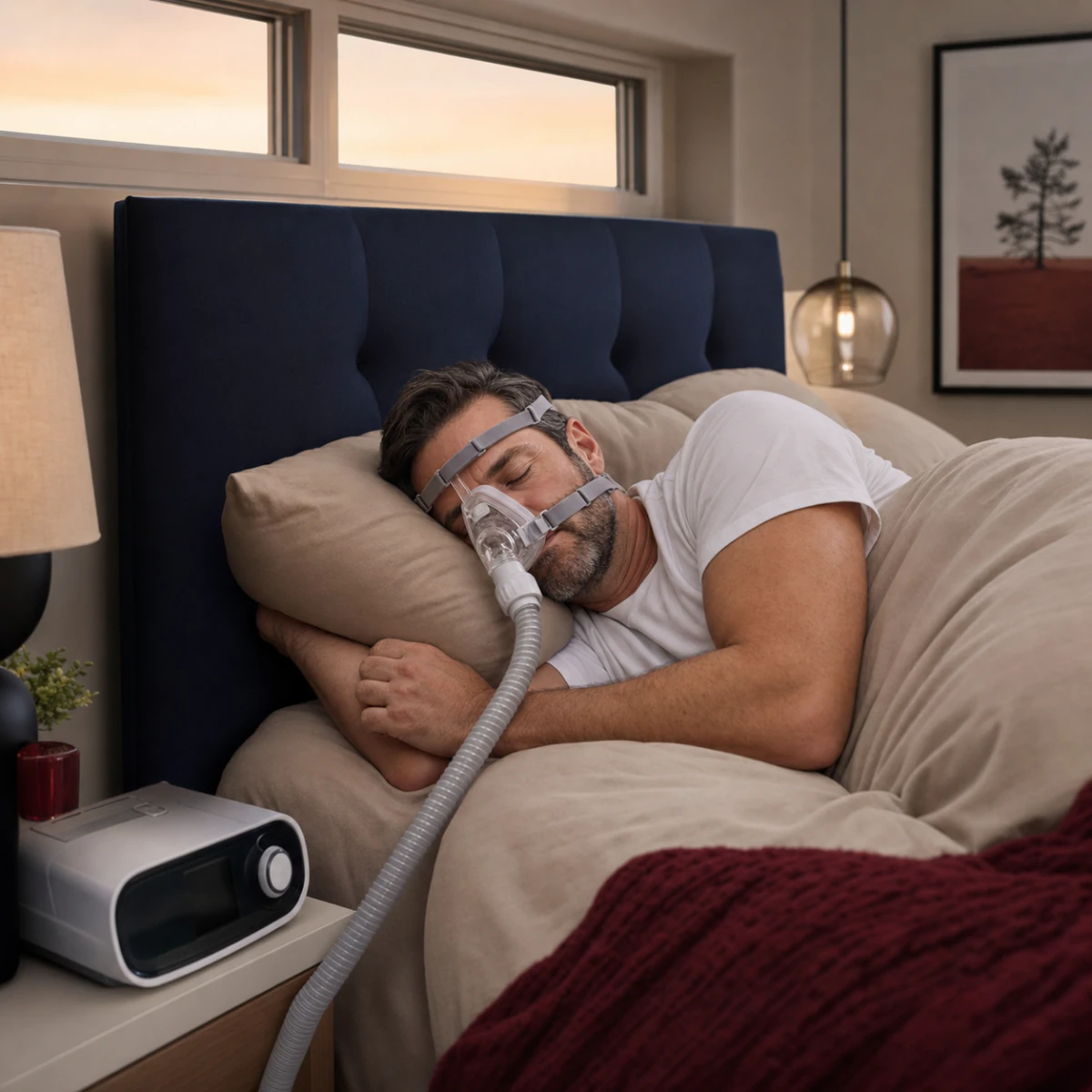
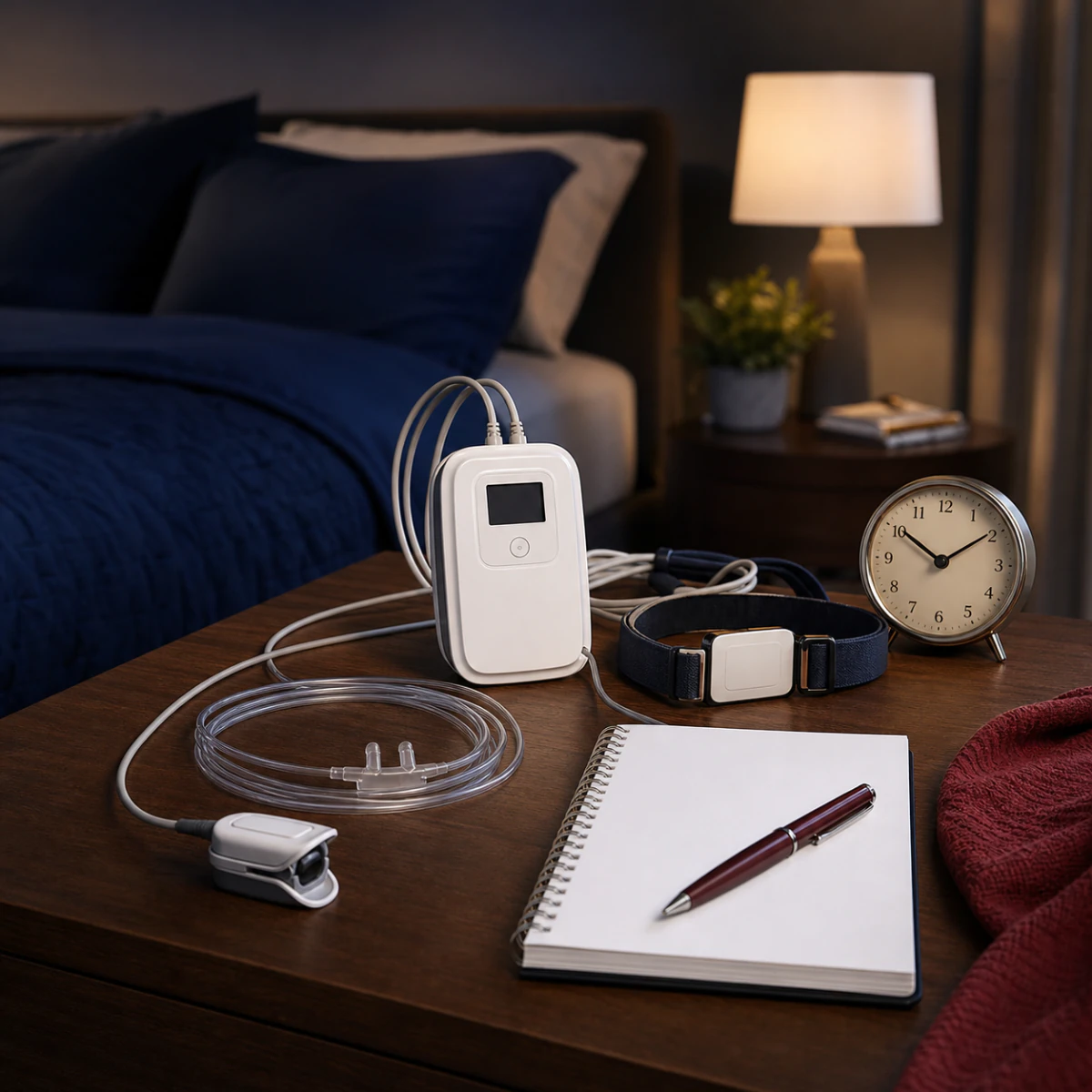
Sleep apnea is a condition in which breathing repeatedly stops and restarts during sleep. Obstructive sleep apnea, the most common form, happens when the upper airway becomes narrowed or blocked. These interruptions can lower sleep quality and repeatedly pull your body out of deeper, restorative stages of sleep, even when you don't remember waking up.
That helps explain why someone can spend eight hours in bed and still feel exhausted the next day. Poor-quality sleep can affect attention, reaction time, memory, mood, work performance, and driving safety. Untreated sleep apnea is also associated with serious health concerns, which makes an accurate diagnosis and appropriate follow-up important.
A loud snore alone doesn't establish a diagnosis. Your symptoms, health history, physical findings, and objective sleep testing work together to show whether sleep apnea is present and how severe it may be.

Sleep apnea can look different from one person to another. A partner may notice nighttime symptoms, while you may feel the effects during the day.
Bring up any pattern that is persistent, worsening, or interfering with daily life.
Sleep apnea can affect people of different ages and body types. Certain health, anatomy, and lifestyle factors can make obstructive sleep apnea more likely.
Weight, neck circumference, enlarged tonsils, jaw structure, nasal obstruction, and other upper-airway features may affect airflow during sleep. These factors are considered together, not used as a diagnosis by themselves.
High blood pressure, heart disease, stroke history, diabetes, and certain hormonal or neurologic conditions may increase concern. Medications, including opioids and sedatives, can also affect nighttime breathing.
Risk generally rises with age, and family history can matter. Alcohol, tobacco use, and sleeping on your back may worsen airway obstruction for some people. Your clinician can help separate modifiable factors from those you can't change.
A screening questionnaire can flag risk, but it can't diagnose sleep apnea. The process should connect a clinical evaluation with objective testing and follow-up.
We discuss snoring, breathing pauses, daytime sleepiness, sleep schedule, medications, alcohol or tobacco use, other health conditions, and what a partner may have noticed. A focused exam can add important context.
When testing is appropriate, the next step may be a home sleep apnea test or an overnight study at a sleep center. Your symptoms and medical history help determine which type of testing is suitable.
Your results show whether sleep apnea was detected and, if so, its type and severity. We can help you understand the findings, discuss treatment planning, and coordinate specialty care when needed.
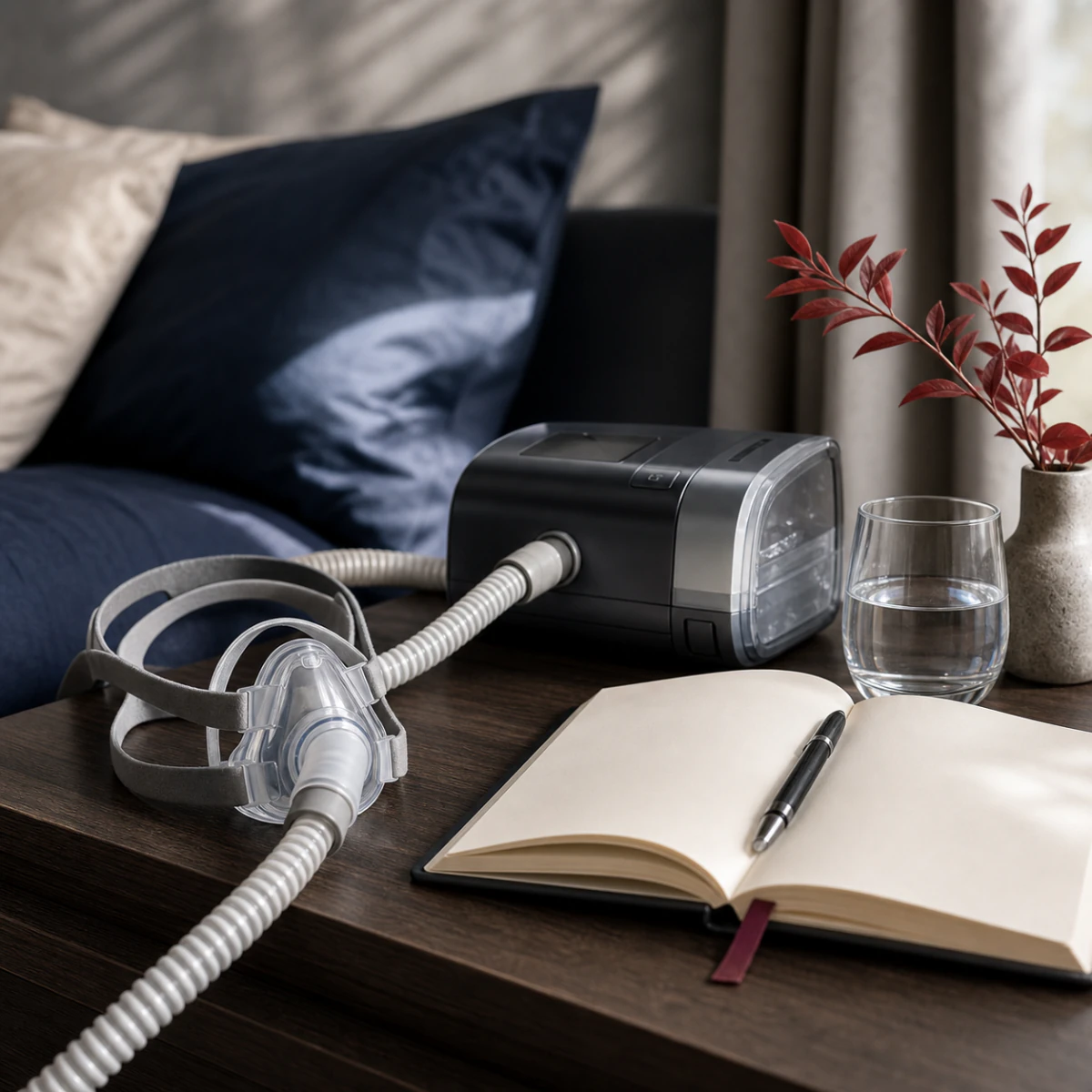
Positive airway pressure therapy, including CPAP, is a common treatment for sleep apnea. It uses gentle air pressure to help keep the airway open while you sleep. Some people may be candidates for an oral appliance, positional strategies, weight management, or another treatment. Selected patients may need evaluation by a sleep specialist, dentist, ear, nose, and throat specialist, or surgeon.
The right option depends on your confirmed diagnosis, severity, anatomy, other medical conditions, and preferences. Treatment should not be selected from symptoms alone. Objective results help guide a safer, more useful conversation about benefits, limitations, and alternatives.
Follow-up is part of successful care. If a mask is uncomfortable, the pressure feels difficult, symptoms continue, or you aren't sure whether treatment is helping, say so. Small adjustments, equipment support, or a different treatment approach may improve comfort and consistency.
Sleep affects many parts of your health, so sleep apnea care works best when it connects with the rest of your medical history.
Our Riverview primary care team can help you discuss sleep symptoms alongside blood pressure, weight, medications, heart and metabolic health, and other ongoing needs.
At our Tampa location, sleep concerns can be considered within your broader wellness and medical picture, with coordinated next steps based on your individual needs.
Whether testing or treatment involves an outside sleep center or specialist, InCare can help keep relevant results and recommendations connected to your continuing care.
Common signs include loud or frequent snoring, witnessed pauses in breathing, gasping or choking during sleep, morning headaches, dry mouth, restless sleep, and excessive daytime sleepiness. Some people notice concentration, memory, or mood changes instead. A clinical evaluation helps determine whether sleep apnea or another condition may be contributing.
Yes. Breathing interruptions happen while you're asleep, so a partner may notice them before you do. You may only recognize indirect clues, such as waking unrefreshed, needing frequent naps, struggling to concentrate, or feeling sleepy while driving. Discussing these patterns with a healthcare provider is a useful first step.
No. Many people snore without having sleep apnea, and not everyone with sleep apnea reports obvious snoring. Snoring is more concerning when it is loud, frequent, interrupted by pauses or gasps, or paired with daytime sleepiness, morning headaches, high blood pressure, or other risk factors.
Diagnosis begins with a medical history and focused evaluation, then requires an objective sleep study when sleep apnea is suspected. Depending on your symptoms and health history, your clinician may coordinate a home sleep apnea test or an overnight study in a sleep center. The results help identify the type and severity of sleep apnea.
Treatment depends on the type and severity of sleep apnea, your anatomy, other health conditions, and your preferences. Options may include positive airway pressure therapy, an oral appliance, weight management, positional strategies, changes to alcohol or tobacco use, specialist care, or selected procedures. Your care plan should be based on confirmed test results.
Schedule an evaluation if you have loud ongoing snoring, witnessed breathing pauses, nighttime gasping, persistent daytime sleepiness, unexplained morning headaches, or sleep that doesn't feel restorative. Seek prompt medical guidance if sleepiness affects driving or safety. Severe breathing trouble, chest pain, or another emergency symptom needs emergency care.
Schedule a visit in Riverview or Tampa to discuss your symptoms, risk factors, testing options, and a clear path forward.