
Key Takeaways
- Confirm you are searching for the right Riverview: the guide points to Riverview, Florida (Hillsborough County), with ZIP codes 33569 and 33578. Verify the location before booking to avoid wasted trips.
- Sleep apnea is often missed: the AASM estimates nearly 30 million U.S. adults have obstructive sleep apnea, and 50 to 75 percent of adults with symptoms may be undiagnosed.
- Watch for warning signs such as loud snoring, breathing pauses noticed by a partner, gasping at night, heavy daytime sleepiness, morning headaches, or trouble focusing, and schedule an evaluation rather than waiting.
- A primary care clinician is often the best first stop, since they can order testing, refer to a sleep or pulmonary specialist when needed, and coordinate related issues like blood pressure and weight.
- Home sleep testing is an option for uncomplicated adults at increased risk, while in-lab polysomnography is reserved for complex cases such as significant heart or lung disease, prior stroke, or severe insomnia.
- Before booking, ask whether the office evaluates and manages sleep apnea, offers home and in-lab testing, accepts your insurance, requires a referral, and how it handles CPAP fitting and follow-up care.
You wake up tired, even after a full night in bed. Your partner says you snore loudly or stop breathing for a few seconds at a time. If this sounds familiar, you may be searching for someone to recommend a sleep apnea doctor in Riverview. The right clinician can turn a long list of vague symptoms into a clear diagnosis and a plan that works.
Sleep apnea is common and often missed. The American Academy of Sleep Medicine (AASM) estimates that nearly 30 million U.S. adults have obstructive sleep apnea. A 2023 article from the American College of Chest Physicians, citing CDC estimates, reports that 50 to 75 percent of adults with symptoms may be undiagnosed. That is a lot of tired people who never got answers.
This guide walks you through how to choose a sleep apnea doctor in Riverview, Florida. You will learn when to seek care, who to see first, how testing works, and what to ask before you book. Whether you are a busy parent, a working professional, or someone who simply wants to feel rested again, these steps will help you move forward with confidence.

Step 1: Confirm You Are Searching in the Right Riverview
Riverview is a name shared by more than one place. The local listings in this guide point to Riverview, Florida, in Hillsborough County. Before you call anyone, confirm the city and state. A clinician in another Riverview may not be near you, and insurance networks vary by region.
Also confirm the ZIP code. Riverview practices appear under several ZIP codes, including 33569 and 33578. Checking this first saves time and avoids a wasted trip.
Step 2: Know the Signs That Call for a Doctor's Visit
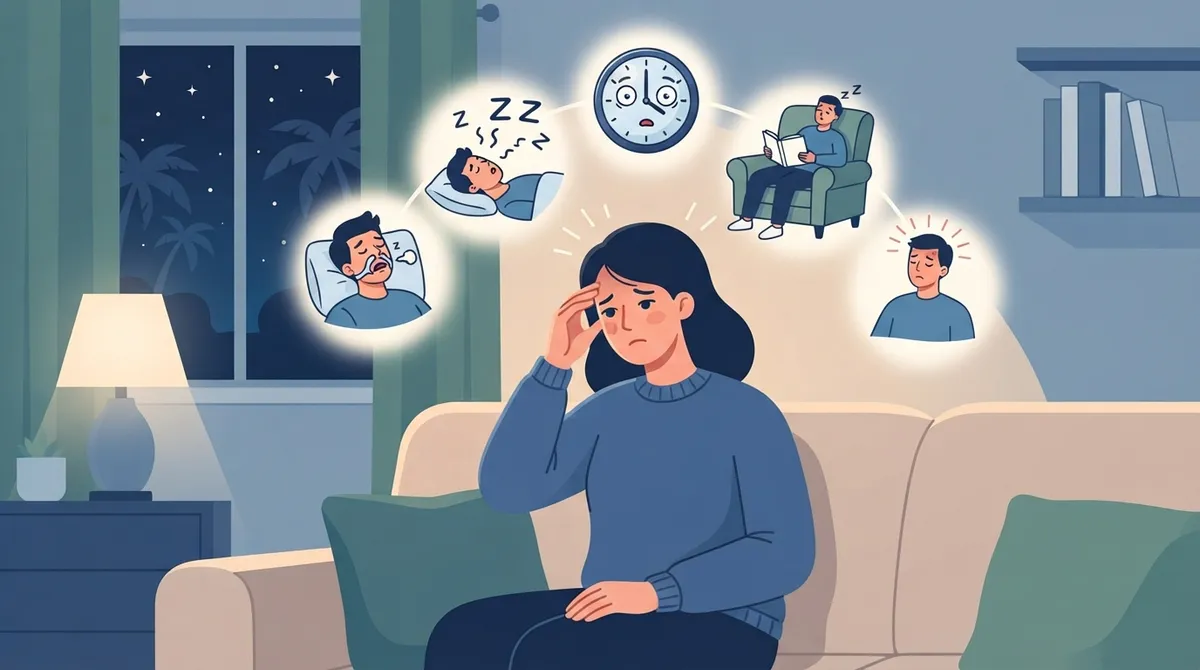
Many people brush off sleep problems for years. Do not wait for a crisis. Consider scheduling a visit if you notice any of the following.
- Loud, frequent snoring that others notice
- Pauses in breathing during sleep, seen by a partner
- Gasping or choking during the night
- Heavy daytime sleepiness, even after a full night in bed
- Morning headaches or a dry mouth
- Trouble focusing or feeling irritable during the day
These signs do not prove you have sleep apnea. They do mean a medical evaluation is worth your time. Sleep apnea can also be tied to high blood pressure, weight changes, and heart health, so it is not just a nighttime problem. If you want to read more, see this guide on how to spot sleep apnea before it harms your health.
Step 3: Decide Whether to Start With Primary Care or a Specialist
This is the question most people ask first. The short answer: a primary care clinician is often the best first stop. A primary care doctor can review your history, check your risk factors, order the right testing, and refer you to a sleep-medicine or pulmonary specialist when needed.
Starting with primary care also keeps your care connected. Sleep apnea often overlaps with blood pressure, weight, diabetes, and heart concerns. One team that sees the full picture can catch these links. If you are unsure which type of doctor fits your situation, this comparison of general practitioners and specialists in Riverview can help.
|
Option |
Best For |
What They Typically Do |
|---|---|---|
|
Primary care clinician |
First evaluation, ongoing coordination |
Reviews symptoms and risks, arranges testing, refers to specialists, manages related health issues |
|
Sleep-medicine specialist |
Complex or unclear cases |
Interprets sleep studies, directs advanced treatment, follows long-term therapy |
|
Pulmonologist |
Sleep apnea with lung or breathing conditions |
Evaluates breathing and lung health, may manage sleep-disordered breathing |
Step 4: Look at Riverview Options
Riverview has a few ways to begin, and you should confirm details with each practice yourself.
InCare in Riverview
InCare is a personalized primary care and wellness clinic at 11922 Boyette Rd, Riverview, FL 33569. The practice combines modern technology with hands-on medical expertise. For patients with possible sleep apnea, InCare describes evaluating sleep symptoms, coordinating home or in-lab sleep testing, and arranging specialty care when needed. You can learn more on the sleep apnea screening in Riverview page.
What sets this approach apart is the whole-body view. Because InCare also offers primary care, weight loss programs, and preventive screenings, your sleep concerns are handled alongside the health factors that often connect to them. InCare maintains a 4.8 out of 5 rating on Google across 359 reviews, with patients often praising the friendly staff and the quality of care. You can visit us on Google and read InCare reviews to see for yourself.
Pulmonology Practices
A local directory lists Pulmonary Associates of Brandon at 10141 Big Bend Rd, Suite 201, Riverview, FL 33578, with pulmonologist Daniel Lorch, MD. Before you book, verify that the clinician currently evaluates sleep apnea and accepts your insurance. Directory listings can be out of date.
Step 5: Understand How Sleep Apnea Is Diagnosed
Good care starts with a clear diagnosis. AASM guidance says diagnosis should follow a comprehensive sleep evaluation and objective testing. A quiz or a guess is not enough.
- Clinical evaluation. Your doctor reviews symptoms, sleep habits, medications, and health history.
- Risk assessment. The doctor checks factors such as weight, neck size, blood pressure, and other conditions.
- Testing choice. Your clinician picks the right sleep test for your situation.
- Results review. The team explains your numbers and what they mean for you.
- Treatment plan. You and your doctor agree on next steps and follow-up.
For more on how this process works, read how sleep apnea is diagnosed.
Step 6: Learn the Difference Between Home and In-Lab Testing
Many patients worry they will need to spend a night in a sleep lab. That is not always true. AASM guidance describes both home sleep apnea testing and attended in-lab polysomnography as options for appropriately selected adults.
|
Test Type |
Where It Happens |
Often Used When |
|---|---|---|
|
Home sleep apnea test |
In your own bed |
Uncomplicated adults at increased risk of sleep apnea |
|
In-lab polysomnography |
Supervised sleep facility |
Complex situations, such as significant heart or lung disease, chronic opioid use, prior stroke, or severe insomnia |
Your clinician decides which test fits you after the evaluation. Results are often described using the apnea-hypopnea index (AHI). In adults, a mild range is 5 to 14.9 events per hour, moderate is 15 to 29.9, and severe is 30 or more. Always talk through your numbers with a clinician, since thresholds and interpretation depend on your full health picture.
Step 7: Ask the Right Questions Before You Book
A short phone call can tell you a lot. Use this checklist when you contact any office.
- Do you evaluate and manage sleep apnea, or refer out?
- Do you offer home sleep testing, in-lab testing, or both?
- Which sleep-medicine or pulmonary credentials do your clinicians hold?
- Do you accept my insurance plan?
- Is a referral required before my visit?
- Who helps with CPAP equipment and mask fitting?
- How do you handle follow-up care?
- Do you coordinate with my primary care doctor?
Pay close attention to follow-up. Sleep apnea is rarely a one-visit fix. The best practices stay involved after your diagnosis to help you adjust and stay on track. If insurance is a concern, review this guide on finding doctors accepting new patients near you.
Step 8: Prepare for Your First Appointment
A little preparation makes the visit far more useful. Bring these items.
- A list of your symptoms and when they started
- Notes from your partner about snoring or breathing pauses
- All current medications and supplements
- Your insurance card and a photo ID
- Past medical records or earlier sleep study results
- A short list of questions
If you are new to a practice, this walkthrough of the new patient appointment explains what to expect.
Step 9: Understand Your Treatment Options
Treatment depends on your diagnosis and your circumstances. The goal is steady, safe breathing through the night.
- Positive airway pressure (PAP). Including CPAP, this is a common treatment. A mask delivers air pressure to keep your airway open.
- Oral appliances. Selected patients may discuss a custom mouthpiece with a qualified clinician.
- Positional approaches. Some people have more events when sleeping on their back.
- Weight management. For many adults, healthy weight loss can ease symptoms. See how a weight loss plan may help sleep apnea.
- Specialist evaluation. Some patients need further review for other treatment paths.
Your doctor should explain the pros and cons of each option in plain language. Do not hesitate to ask questions. Good care is a partnership.
Why Coordinated Care Matters
Sleep apnea rarely travels alone. It is linked in many people with blood pressure, weight, and metabolic health. That is why a clinic that treats the whole person can be a real advantage. When your primary care team and your sleep care are connected, fewer details fall through the cracks.
InCare is built around this idea of prevention and whole-body optimization. Beyond sleep concerns, the practice offers primary care, cancer screening, and wellness testing such as metabolic breath analysis. Patients also have access to virtual visits, which suits busy parents and working professionals. You can follow the clinic on Instagram and Facebook for health tips and updates, or watch short videos on TikTok.
Conclusion
Finding the right sleep apnea doctor in Riverview comes down to a few clear steps. Confirm the location, recognize your symptoms, start with a trusted primary care clinician, and ask smart questions about testing, credentials, insurance, and follow-up. Objective testing and a personalized treatment plan are the keys to better sleep and better health.
If you are ready to take the first step, InCare in Riverview can evaluate your symptoms and coordinate the next steps. Book your appointment now to start your path to better rest, or contact our team with any questions before you visit.
FAQs
Q: Who treats sleep apnea in Riverview, Florida?
A: Sleep apnea in Riverview may be evaluated by primary care clinicians, sleep-medicine specialists, and pulmonologists. A primary care practice such as InCare can assess your symptoms, arrange testing, and refer you to a specialist if needed. Always confirm current services and insurance with any office before booking.
Q: Should I see a primary care doctor or a sleep specialist for suspected sleep apnea?
A: Many people start with a primary care doctor, who can review symptoms, check risk factors, and arrange appropriate testing. If your case is complex or unclear, your clinician can refer you to a sleep-medicine or pulmonary specialist. Starting with primary care also keeps related health concerns coordinated.
Q: Can sleep apnea be diagnosed with a home sleep test, or do I need an overnight lab study?
A: Home sleep apnea testing may be appropriate for some uncomplicated adults at increased risk. In-lab polysomnography is preferred in certain complex situations, such as significant heart or lung disease, chronic opioid use, prior stroke, or severe insomnia. Your clinician chooses the best test after a full evaluation.
Q: What treatments are available for sleep apnea besides CPAP?
A: Treatment is individualized. Besides PAP therapy, selected patients may discuss oral appliances, positional approaches, weight management, or further specialist evaluation. Your doctor will explain which options fit your diagnosis and health history.
Q: What should I bring to my first sleep apnea appointment?
A: Bring a list of symptoms, notes from your partner about snoring or breathing pauses, your medications, your insurance card, and any past sleep study results. A short list of questions also helps you get the most from your visit.