Key Takeaways
- Custom oral appliances that move the lower jaw forward are a common non-CPAP option, but they must be fitted by a dentist trained in sleep medicine and confirmed with follow-up sleep testing.
- Before abandoning CPAP, ask your clinician about fixing mask fit, adding humidification, adjusting pressure, using a ramp feature, or trying bilevel PAP, since many CPAP problems are solvable.
- Positional therapy only helps if a sleep study shows your apnea is clearly worse on your back; if breathing problems occur in every position, it will not be enough on its own.
- Hypoglossal nerve stimulation is an implanted option for selected adults with moderate-to-severe OSA who cannot use or tolerate PAP, and it requires strict eligibility criteria and specialist airway evaluation.
- Weight loss, regular activity, and avoiding alcohol near bedtime can help OSA, but they should not be assumed to control moderate or severe disease without repeat sleep testing.
- Never stop prescribed therapy or rely on unverified products such as over-the-counter oral devices; untreated sleep apnea affects heart health, blood pressure, mood, and driving safety.
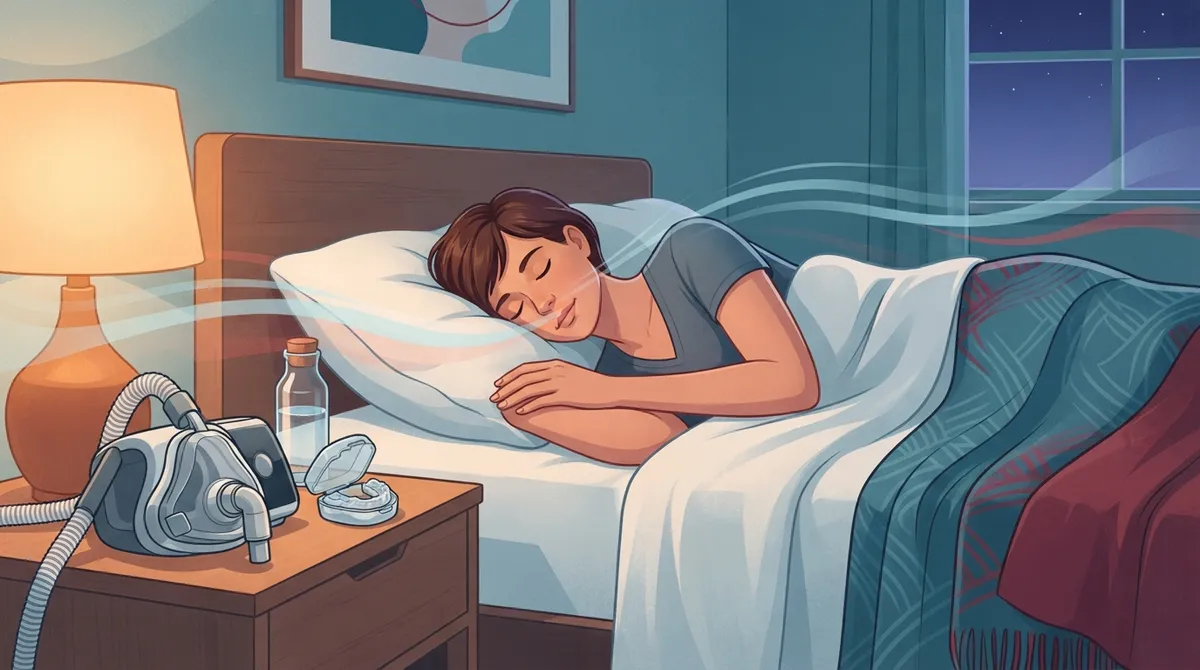
Many people with obstructive sleep apnea (OSA) start treatment with a CPAP machine. For some, it works well. For others, the mask feels confining, the air pressure is uncomfortable, or the nightly routine becomes too hard to keep up. If you are asking what are alternatives to CPAP, you are not alone, and you have real options.
This guide explains the main non-CPAP treatments available in 2026. It covers oral appliances, positional therapy, weight and lifestyle changes, implanted nerve stimulation, and surgery. It also explains why a clinician should review any change first. Untreated sleep apnea can affect heart health, blood pressure, mood, and driving safety, so the goal is to find a treatment you can actually use and that works.
Your primary care team is a good place to begin. They can review your symptoms, check your sleep study results, troubleshoot CPAP problems, and refer you to the right specialist.
Why Some People Look for CPAP Alternatives
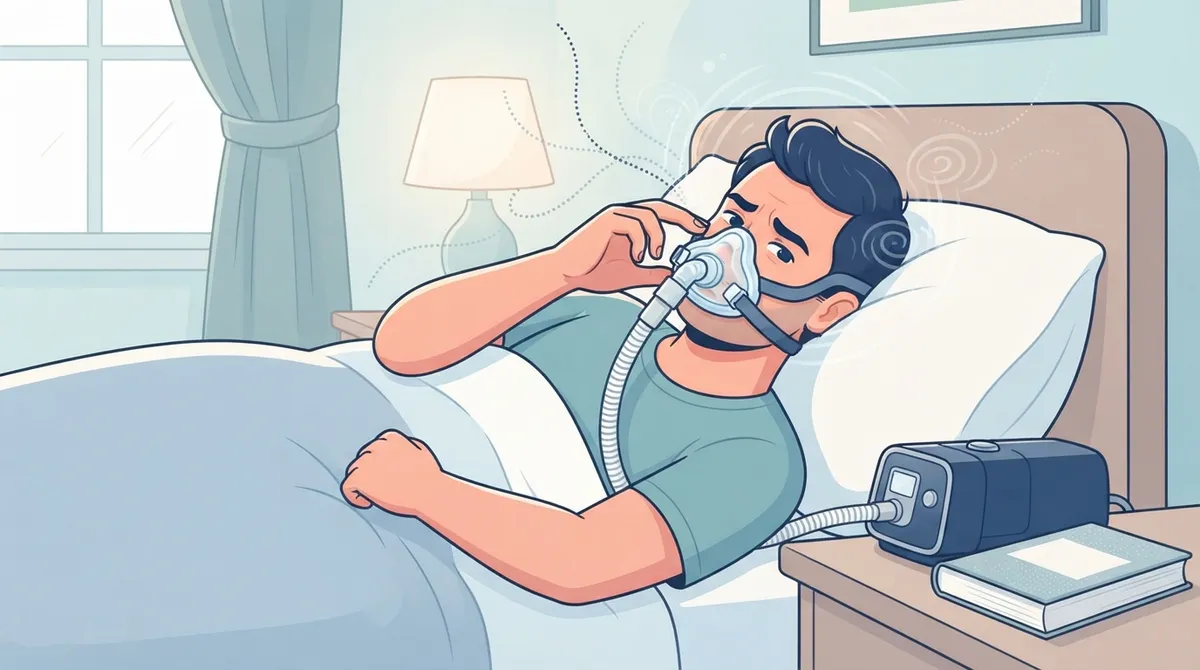
CPAP is a form of positive airway pressure (PAP) and is a common first treatment for OSA. It is effective when used consistently. Still, many patients struggle with it. Common reasons include:
- Mask leaks, skin irritation, or pressure marks on the face
- A dry mouth, stuffy nose, or feeling of trapped air
- Trouble falling asleep with the equipment on
- Noise, travel hassles, or claustrophobia
- Difficulty keeping up nightly use
Before you give up on CPAP, it helps to know that many of these problems can be fixed. Your clinician can review mask fit, add humidification, adjust pressure settings, use a ramp feature, or consider bilevel PAP when appropriate. Even so, some patients still need a different approach, and that is a reasonable medical decision.
What Are Alternatives to CPAP? A Quick Overview
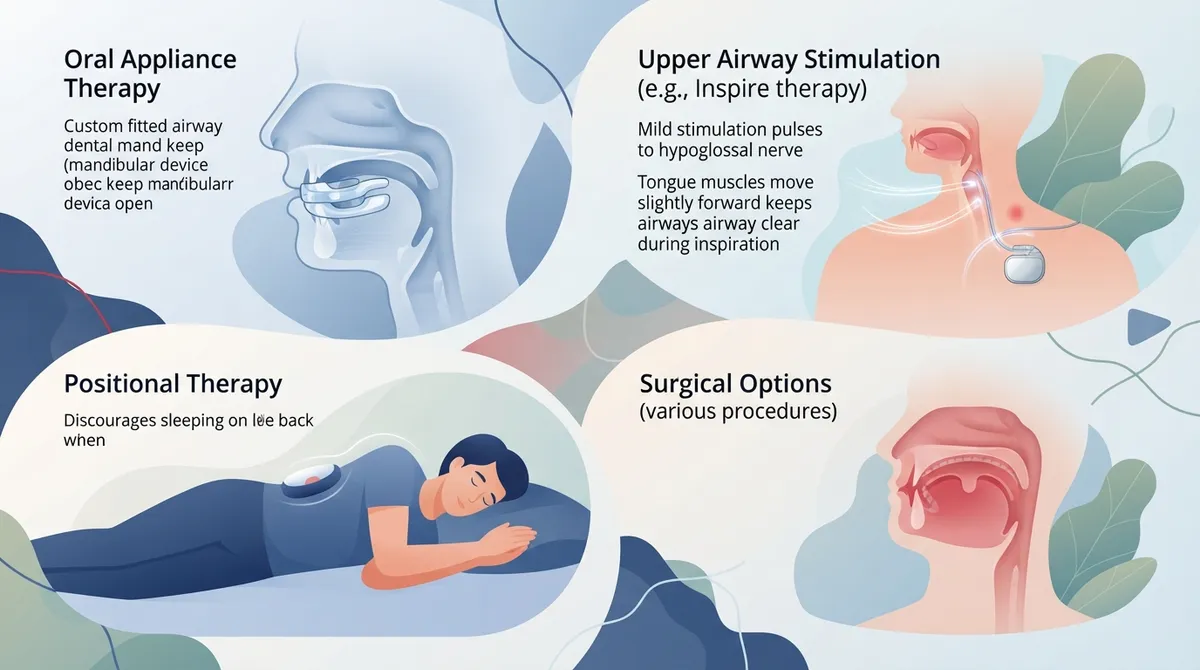
The right option depends on how severe your OSA is, your airway anatomy, your other health conditions, and your preferences. The table below gives a simple comparison.
|
Option |
How It Works |
Best For |
Key Considerations |
|---|---|---|---|
|
Custom oral appliance |
Moves the lower jaw forward to keep the airway open |
People who prefer a noninvasive option or cannot tolerate PAP |
Needs a dentist trained in sleep medicine; follow-up sleep testing is needed |
|
Positional therapy |
Encourages side sleeping |
People whose OSA is much worse on the back |
Only works if your OSA is position-dependent |
|
Weight management and lifestyle |
Reduces airway pressure and improves overall health |
People with excess weight or alcohol and sedative use near bedtime |
May not control moderate or severe OSA alone |
|
Hypoglossal nerve stimulation |
An implanted device moves the tongue forward during sleep |
Selected adults with moderate-to-severe OSA who cannot use PAP |
Strict eligibility criteria and specialist airway evaluation |
|
Airway surgery |
Corrects anatomic causes of blockage |
People with specific structural problems |
Not a guaranteed cure; risks vary |
Custom Oral Appliances
A custom, titratable oral appliance is one of the most common alternatives. Most are mandibular advancement devices. They look similar to a sports mouthguard and gently move the lower jaw forward. This helps keep the airway open during sleep.
These devices are quiet, portable, and easy to travel with. Many patients find them more comfortable than a mask. A dentist trained in sleep medicine should fit and adjust the device. Over-the-counter versions are not the same as a custom device and may not be safe or effective.
Follow-up matters. After you start using an oral appliance, you should have follow-up sleep testing to confirm that it actually controls your OSA. Your symptoms alone are not enough to tell you it is working. Possible side effects include jaw soreness, tooth movement, and bite changes, so regular dental follow-up is important.
Positional Therapy
For some people, apnea events happen mostly when they sleep on their back. In these cases, positional therapy may help. The goal is to encourage side sleeping. Methods include special pillows, wedges, or wearable devices that gently prompt you to change position.
This option is not for everyone. It works best when a sleep study shows your OSA is clearly position-dependent. If your breathing problems happen in every position, positional therapy alone will not be enough. Your clinician can look at your sleep study results to decide whether this is a good fit.
Weight Management and Lifestyle Changes
Excess weight can narrow the airway and make OSA worse. For some people, losing weight reduces the number of breathing pauses at night. Regular physical activity also supports better sleep and overall health, even before the scale moves.
Helpful habits include:
- Aim for steady, medically guided weight loss rather than crash diets.
- Stay active most days of the week.
- Avoid alcohol close to bedtime, since it relaxes the throat muscles.
- Use sedatives and sleep aids only as directed by your clinician.
- Keep a regular sleep schedule.
It is important to be realistic. Weight loss can improve OSA, but lifestyle changes alone should not be assumed to control moderate or severe disease. Your clinician should reassess your symptoms and, when needed, repeat objective sleep testing.
At InCare, patients can explore medical weight loss programs supported by tools such as body composition analysis and metabolic breath analysis. These help build a plan around your actual metabolism rather than guesswork.
Hypoglossal Nerve Stimulation
Hypoglossal nerve stimulation is an implanted treatment. A small device is placed under the skin, and it stimulates the nerve that controls tongue movement. During sleep, it moves the tongue forward to keep the airway open.
This is not a first-line option. It is meant for selected adults with moderate-to-severe OSA who cannot use or tolerate PAP. According to FDA information, eligibility includes age and AHI ranges (the AHI is a measure of breathing events per hour of sleep), documented PAP failure or intolerance, and a lack of complete concentric collapse at the soft palate. Under the expanded indication, the FDA lists an AHI range of 15 to 100 for eligible adults. Labeling and insurance criteria can change, so these details should always be confirmed with a specialist.
FDA materials describe PAP intolerance in terms such as being unable to use PAP more than 5 nights per week for more than 4 hours per night, or being unwilling to continue after a real attempt. A sleep specialist or surgeon will also evaluate your airway before deciding if you are a candidate.
Surgery for Sleep Apnea
Surgery may be considered when anatomic factors contribute to airway blockage, or when other treatments are unsuitable or have not worked. Procedures can include removal of tonsils or other tissue, jaw advancement, or other airway surgery.
Results depend on your specific anatomy and health. Surgery does not guarantee that sleep apnea is cured, and every operation carries risks. A surgeon trained in sleep-related airway procedures can explain what to expect. Many people also need follow-up sleep testing after surgery to confirm results.
How to Choose the Right Option
There is no single best answer to what are alternatives to CPAP. The better question is which treatment fits your body, your sleep study, and your daily life. Here is a simple path to follow:
- Confirm your diagnosis. OSA is diagnosed through clinical assessment and, in most cases, a sleep study.
- Troubleshoot CPAP first. Ask about mask fit, humidification, pressure settings, and bilevel PAP.
- Review your sleep study. Severity, positional patterns, and airway anatomy guide the next step.
- Get referrals as needed. This may include a sleep specialist, a dentist trained in sleep medicine, or an ear, nose, and throat surgeon.
- Retest to verify. Objective follow-up shows whether your new treatment is working.
Please do not stop prescribed therapy or rely on an unverified product without talking to your clinician. Untreated OSA has real health and safety consequences.
How Primary Care Supports Sleep Apnea Treatment
Your primary care provider plays a central role in managing OSA. They can spot warning signs such as loud snoring, daytime fatigue, high blood pressure, and morning headaches. They can also coordinate sleep testing, help you work through CPAP barriers, and connect you with the right specialists.
Sleep apnea often goes hand in hand with other conditions. These include high blood pressure, diabetes, and weight concerns. A coordinated care team can address them together. You can read more about blood pressure management strategies and how primary doctors help manage chronic illnesses.
InCare offers whole-body, prevention-focused care at its Tampa and Riverview locations. The team uses modern technology and personalized plans to look at the full picture of your health, not just one symptom. If you are searching for a sleep apnea doctor in Tampa or Riverview, our providers can help you take the first step. You can also see what patients say by visiting our InCare reviews on Google.
Questions to Ask Your Clinician
Bringing a few questions to your visit can make the conversation more productive:
- How severe is my sleep apnea based on my sleep study?
- Is my OSA worse on my back?
- Can my current CPAP setup be improved before I switch?
- Am I a candidate for an oral appliance, nerve stimulation, or surgery?
- When will I need a follow-up sleep test?
Staying informed also helps you stay connected with trusted health resources. You can follow InCare on Instagram and Facebook, or watch wellness tips on TikTok. For official device and treatment information, the FDA page on upper airway stimulation is a useful reference.
Take the Next Step Toward Better Sleep
CPAP is not the only way to treat sleep apnea. Oral appliances, positional therapy, weight and lifestyle changes, nerve stimulation, and surgery each have a place. The key is matching the treatment to your diagnosis and confirming that it works.
If CPAP is not working for you, do not give up on treatment. Book an appointment with InCare to review your options with a provider, or contact our team with any questions. Better sleep, and better health, can start with a single conversation.
FAQs
Q: What can I use instead of CPAP for sleep apnea?
A: Common alternatives include a custom oral appliance, positional therapy, weight management and lifestyle changes, hypoglossal nerve stimulation for selected patients, and certain airway surgeries. The best choice depends on your OSA severity, anatomy, and preferences, so your clinician should guide the decision.
Q: Are oral appliances as effective as CPAP?
A: Oral appliances can control OSA for many people, especially when custom-fitted by a dentist trained in sleep medicine. However, effectiveness varies from person to person, which is why follow-up sleep testing is used to confirm that the device is working.
Q: Can weight loss or exercise cure sleep apnea?
A: Weight loss and regular exercise can improve sleep apnea for some people, but they should not be assumed to cure moderate or severe disease. Your clinician should reassess your symptoms and repeat objective sleep testing to measure your progress.
Q: Who qualifies for hypoglossal nerve stimulation?
A: Eligibility is limited to selected adults with moderate-to-severe OSA who cannot use or tolerate PAP therapy. FDA criteria include age and AHI ranges, documented PAP failure or intolerance, and no complete concentric collapse at the soft palate. A specialist must evaluate your airway before approval.
Q: What should I try if I cannot tolerate my CPAP mask?
A: Talk to your clinician before stopping. Many problems can be solved by adjusting mask fit, adding humidification, changing pressure settings, using a ramp feature, or switching to bilevel PAP when appropriate. If these steps do not help, your provider can discuss other treatment options.