
Key Takeaways
- Loud snoring, witnessed breathing pauses, gasping during sleep, and daytime sleepiness are key OSA warning signs; they cannot confirm a diagnosis, so a proper sleep study is needed.
- Start with a primary care visit to review symptoms, rule out other causes of poor sleep like thyroid problems or medications, and decide whether testing is appropriate.
- A home sleep apnea test suits uncomplicated adults at high risk of moderate-to-severe OSA; in-lab polysomnography is preferred for heart or lung disease, chronic opioid use, prior stroke, or severe insomnia.
- CPAP is generally the most effective first-line treatment for moderate-to-severe OSA, and proper mask fitting and follow-up usage reviews help patients stick with it.
- Custom oral appliances fitted by a qualified dentist are an alternative for patients who cannot tolerate CPAP, but they are less effective in severe OSA and require repeat sleep testing to confirm they work.
- Treatment is not finished once a device is chosen; follow-up visits, repeat testing after weight changes or new appliances, and ongoing monitoring confirm whether the plan is actually effective.
Loud snoring, restless nights, and foggy mornings are easy to dismiss. Many adults assume they simply need more rest. But these signs can point to obstructive sleep apnea (OSA), a condition in which breathing repeatedly pauses or becomes shallow during sleep. If you are searching for sleep apnea treatment in Riverview, the good news is that the path forward is clear and well studied.
Care usually starts with a primary care clinician who reviews your symptoms and health history. From there, you move to testing, a treatment plan, and follow-up to confirm that the plan works. This guide walks through ten practical options and steps so you know what to expect. It also explains how a coordinated primary care and wellness clinic like InCare can help you stay on track from the first visit onward.
Services and referral rules vary by provider, so always confirm details directly with the clinic or health system you choose.

1. Start With a Primary Care Visit in Riverview
The first and most important step in sleep apnea treatment in Riverview is a conversation with a primary care clinician. Your provider can review symptoms, check risk factors, and decide whether testing makes sense. This visit also helps rule out other causes of poor sleep, such as medications, thyroid problems, or stress.
Primary care is a strong starting point because it looks at the whole picture. Blood pressure, weight, heart health, and blood sugar all connect to sleep. A clinician who knows your history can spot patterns that a single-issue visit might miss. If you are unsure whether your sleep problems are serious, our guide on how to know when to see a doctor for poor sleep can help you decide.
At InCare, our Riverview team combines personalized primary care with modern diagnostic tools. You can see what other patients say by reading reviews when you visit us on Google — InCare.
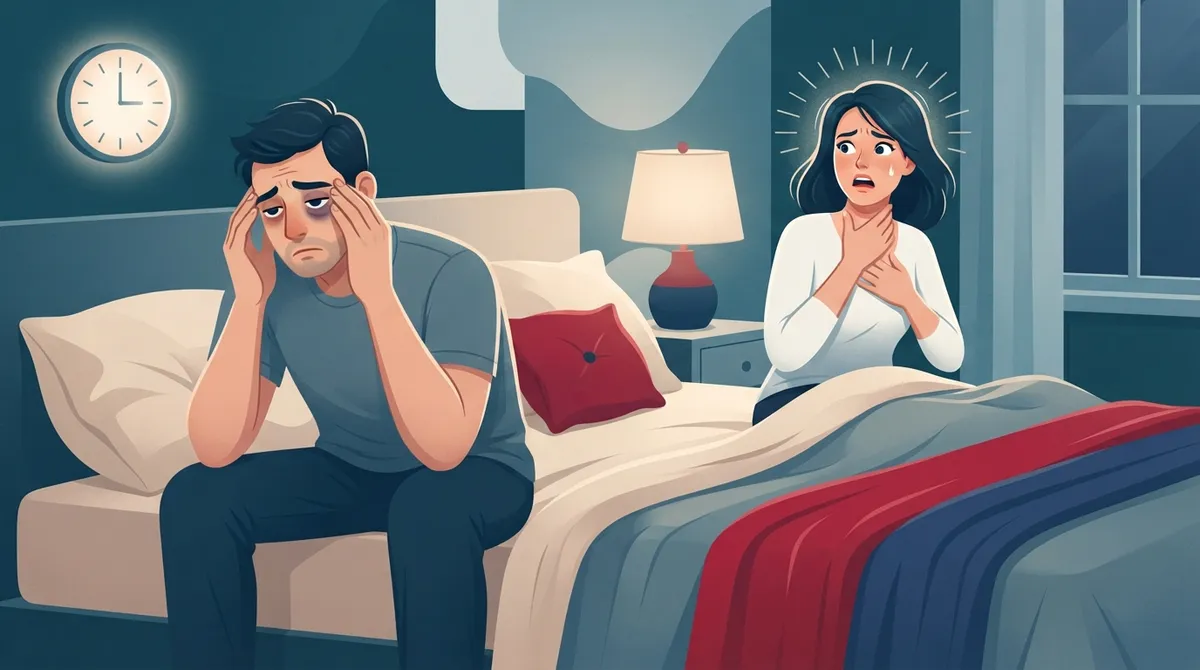
2. Recognize the Warning Signs
Knowing the symptoms helps you decide when to seek care. Common signs of OSA include:
- Loud, habitual snoring
- Pauses in breathing that a partner has witnessed
- Gasping or choking during sleep
- Excessive daytime sleepiness
- Morning headaches or a dry mouth
- Trouble focusing or irritability
These symptoms raise suspicion, but they cannot confirm a diagnosis on their own. Screening questionnaires also have limits. Only a proper sleep study can confirm OSA and measure how severe it is. For a deeper look at warning signs, read what are the symptoms of sleep apnea.
3. Get Tested With a Home Sleep Apnea Test
For many adults, a home sleep apnea test (HSAT) is the first testing option. You wear a small device overnight in your own bed. It records breathing effort, airflow, and oxygen levels. The American Academy of Sleep Medicine (AASM) recommends home testing for appropriately selected adults who have uncomplicated symptoms that suggest a higher risk of moderate-to-severe OSA.
Home testing offers clear advantages:
- Greater comfort and convenience
- Lower cost than an overnight lab stay
- Fewer scheduling barriers for busy adults and parents
A clinician must still interpret the results and decide whether the test was technically adequate. To learn more about how clinicians reach a diagnosis, see how sleep apnea is diagnosed.
4. Know When In-Lab Polysomnography Is Better
Polysomnography is the standard diagnostic test for sleep apnea. It takes place overnight in a sleep lab and records brain waves, heart rhythm, breathing, oxygen, and muscle activity. The AASM recommends in-lab testing instead of home testing for certain patients.
|
Situation |
Preferred Test |
|---|---|
|
Uncomplicated adult with high risk of moderate-to-severe OSA |
Home sleep apnea test |
|
Significant heart or lung disease |
In-lab polysomnography |
|
Suspected respiratory muscle weakness or hypoventilation |
In-lab polysomnography |
|
Chronic opioid use or prior stroke |
In-lab polysomnography |
|
Severe insomnia |
In-lab polysomnography |
|
Negative or inconclusive home test with ongoing suspicion |
In-lab polysomnography |
If a home test is negative, inconclusive, or technically inadequate and your symptoms continue, AASM guidance recommends moving to polysomnography. A negative home test does not always mean you are in the clear.
5. Begin With CPAP Therapy
Positive airway pressure, most often CPAP, is a highly effective and commonly first-line treatment for OSA. This is especially true for moderate-to-severe cases. A CPAP machine delivers steady air pressure through a mask. That pressure keeps the airway open so breathing stays regular all night.
CPAP works best when it is set up well. Good care includes:
- Proper mask fitting for comfort and a tight seal
- Patient education on cleaning and daily use
- Troubleshooting for dryness, leaks, or pressure discomfort
- Follow-up to review usage data and confirm that treatment is working
Many people struggle in the first few weeks. That is normal, and small adjustments often solve the problem. Do not give up before talking with your care team.
6. Consider a Custom Oral Appliance
A custom, titratable oral appliance fitted by a qualified dentist can be an option for adults who prefer an alternative or who cannot tolerate CPAP. These devices hold the lower jaw slightly forward to keep the airway open during sleep.
It helps to be realistic about the tradeoffs. CPAP is generally more effective at reducing breathing events and improving oxygen levels, especially in severe OSA. Oral appliances may suit milder cases or patients who simply cannot use a mask. After fitting, you should have clinical review and repeat sleep testing to confirm that the device is truly working.
Over-the-counter mouthpieces are not the same as custom devices. Always work with a clinician before choosing this route. You can compare your choices in our guide to alternatives to CPAP for sleep apnea.
7. Use Weight Management When Appropriate
Excess weight can narrow the airway and worsen OSA. For patients who carry extra weight, a structured weight management plan may reduce symptoms and improve overall health. This step should support, not replace, a proper diagnosis and treatment plan.
Weight loss alone should never be assumed to be enough without follow-up testing. Still, many patients see meaningful benefits. To learn more, read can weight loss help sleep apnea.
InCare offers medical weight loss programs supported by tools such as body composition analysis and metabolic breath analysis. A clinician can build a plan around your goals and health history. For more background, see how medically supervised weight loss works.
8. Try Positional Therapy for Position-Dependent OSA
Some people have breathing pauses mostly when they sleep on their backs. This is called position-dependent OSA. In these cases, positional therapy may help. The goal is to encourage side sleeping through special pillows, wearable devices, or other tools.
Positional therapy is not right for everyone. Your sleep study results should show whether your events are linked to sleeping position. As with other options, you need follow-up to confirm that the approach reduces breathing events enough. Never assume it is working just because you feel a little better.
9. Ask About Specialist Evaluation for Other Options
When CPAP and oral appliances do not work, a sleep specialist can review further choices. These may include selected surgical procedures or device-based therapies. Candidacy depends on anatomy, severity, body weight, and other medical factors.
A primary care clinician can coordinate this step by sending a referral and sharing your test results. Referral requirements differ by clinic. For example, some health system sleep services require a referral from a family physician or specialist, so confirm the process before you book. If you need help finding the right expert, our guide on how to find the best sleep doctor in Riverview is a useful next read.
10. Commit to Follow-Up and Long-Term Monitoring
Treatment is not finished once you pick a device. Follow-up is what shows whether your plan is effective. A good follow-up visit reviews your symptoms, device usage, and any side effects. It may also include repeat testing, especially after starting an oral appliance or losing significant weight.
Untreated sleep apnea can affect many parts of health. Blood pressure, heart rhythm, blood sugar, mood, and energy can all suffer. Learn more in 12 ways untreated sleep apnea affects your health. Ongoing primary care also helps manage related conditions such as hypertension and diabetes, which often travel alongside OSA.
Quick Comparison of Treatment Options
|
Option |
Best For |
Key Consideration |
|---|---|---|
|
CPAP |
Moderate-to-severe OSA; often first-line |
Needs mask fitting and consistent use |
|
Custom oral appliance |
Patients who prefer an alternative or cannot tolerate CPAP |
Less effective than CPAP in severe OSA; needs retesting |
|
Weight management |
Patients with excess weight |
Supports, but does not replace, diagnosis and follow-up |
|
Positional therapy |
Position-dependent OSA |
Confirmed by sleep study results |
|
Specialist options |
Selected patients when other care fails |
Requires specialist evaluation |
How InCare Supports Your Sleep and Whole-Health Goals
Sleep health rarely stands alone. It connects to weight, hormones, heart health, and stress. That is why a coordinated primary care approach works well. InCare brings together primary care, urgent care, advanced wellness services, and telemedicine, so you do not have to manage your care in pieces.
If you live in or near Riverview, our team can review your symptoms, discuss testing, and help you plan next steps. Busy professionals and young families often value this one-stop model. You can also learn how to pick a clinician in our guide on how to choose a sleep apnea doctor in Riverview, FL. For wellness tips and clinic updates, follow us on Instagram, Facebook, and TikTok.
Conclusion
Effective sleep apnea treatment in Riverview begins with the right questions and the right testing. A primary care visit, a home or in-lab sleep study, and a treatment plan matched to your needs can restore deep sleep and daytime energy. CPAP remains the most effective first choice for many patients. Oral appliances, weight management, positional therapy, and specialist care offer paths for others.
Do not wait for symptoms to worsen. If you snore loudly, wake gasping, or feel tired all day, take the first step today. Book Now to schedule a visit with the InCare team, or contact us with questions about your care options.
FAQs
Q: What are the signs of sleep apnea, and when should I see a primary care provider in Riverview?
A: Common signs include loud habitual snoring, witnessed pauses in breathing, gasping or choking during sleep, and excessive daytime sleepiness. If you notice these symptoms, schedule a primary care visit so a clinician can review your history and decide whether a sleep study is appropriate.
Q: Can a primary care doctor order a sleep apnea test?
A: Yes. A primary care clinician can review your symptoms and risk factors, then arrange diagnostic testing or refer you to a sleep specialist. Referral and ordering requirements vary, so confirm the process with your clinic or health system.
Q: Is a home sleep apnea test as accurate as an in-lab sleep study?
A: Home testing is appropriate for selected adults with uncomplicated symptoms and a higher risk of moderate-to-severe OSA. In-lab polysomnography is the standard test and is preferred for patients with significant heart or lung disease, suspected hypoventilation, chronic opioid use, prior stroke, or severe insomnia.
Q: Is CPAP the best treatment for sleep apnea?
A: CPAP is highly effective and is commonly the first-line treatment, especially for moderate-to-severe OSA. The best plan still depends on your severity, preferences, and ability to use the device, with follow-up to confirm that it works.
Q: Can I use a dental appliance instead of CPAP?
A: A custom, titratable oral appliance fitted by a qualified dentist may be considered for adults who prefer an alternative or cannot tolerate CPAP. CPAP is generally more effective, so oral appliance treatment should include clinical review and repeat sleep testing to confirm efficacy.