Key Takeaways
- Declining libido is a symptom, not a diagnosis; causes include medication side effects, chronic illness, pain, poor sleep, stress, depression, and relationship strain, so treatment should start with an individual evaluation.
- Review every medicine, supplement, and over-the-counter product with your clinician and note when libido changed, but never stop a prescribed medication on your own.
- Low desire alone does not prove low testosterone in men; diagnosis requires matching symptoms plus consistently low levels confirmed by properly timed blood tests.
- For women, painful sex from dryness or menopause often drives desire loss, so treating pain with lubricants, moisturizers, or clinician-directed care can help desire return.
A drop in sex drive can feel confusing and private. Many adults in the Tampa Bay area quietly search for answers, and many end up with the wrong ones. Some buy supplements online. Others ask for hormones before anyone has checked their health. Others simply wait and hope the problem fixes itself.
Here is the key point: declining libido is a symptom, not a diagnosis. It can come from medicines, chronic illness, hormones, pain, poor sleep, stress, depression, anxiety, or relationship strain. Because the causes vary so widely, the best way to recommend treatment for declining libido in Tampa starts with an individual evaluation, not a one-size-fits-all fix.
This guide covers seven common mistakes that delay real relief. It also explains what a thorough primary care visit looks like, how treatment differs for men and women, and how to choose a trustworthy clinician. You will find simple, practical steps you can use right away.
Mistake 1: Treating Low Libido as a Hormone Problem Only
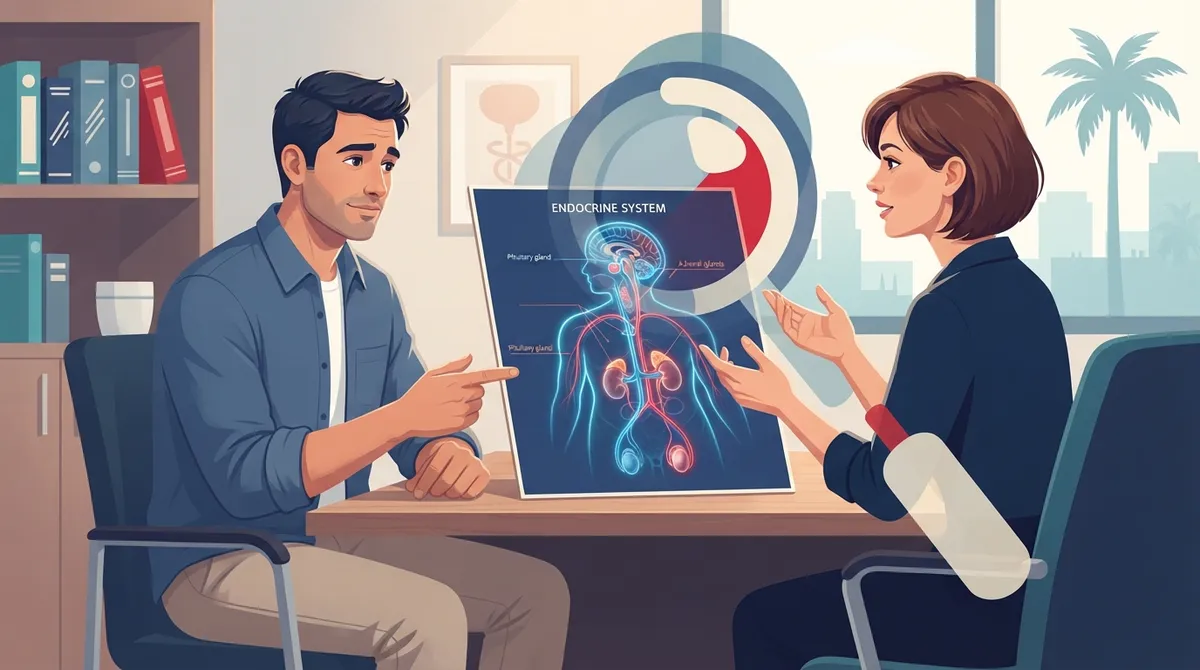
Hormones matter, but they are rarely the whole story. Many people assume low testosterone or low estrogen explains everything. That assumption can send you down an expensive and unhelpful path.
Common contributors to a lower sex drive include:
- Medication side effects
- Chronic conditions such as diabetes or thyroid disease
- Pain during sex
- Poor sleep and constant fatigue
- Depression, anxiety, and high stress
- Alcohol or other substance use
- Relationship or communication problems
A good clinician looks at the full picture first. Hormone testing may be part of that work, but only when your history points that way. A broad hormone panel is not automatically needed for everyone.
Mistake 2: Skipping a Medication Review
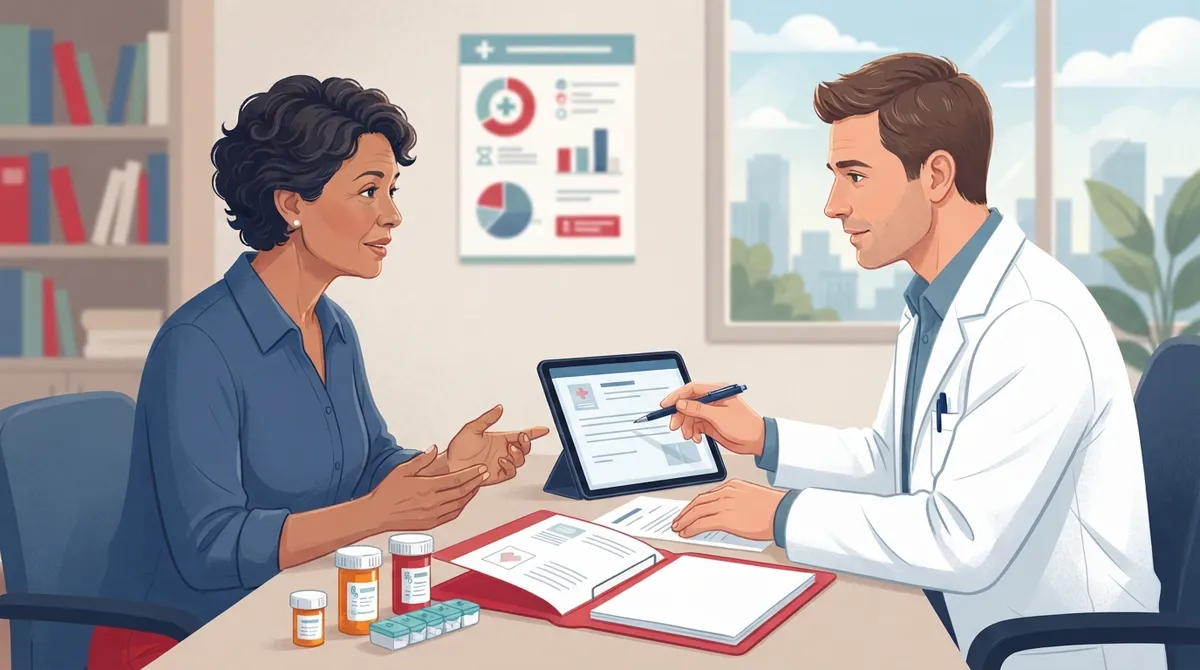
Many everyday prescriptions can lower desire. Antidepressants and some blood pressure medicines are well-known examples. Patients often do not connect a new medicine with a change in their sex life.
Here is what to do instead:
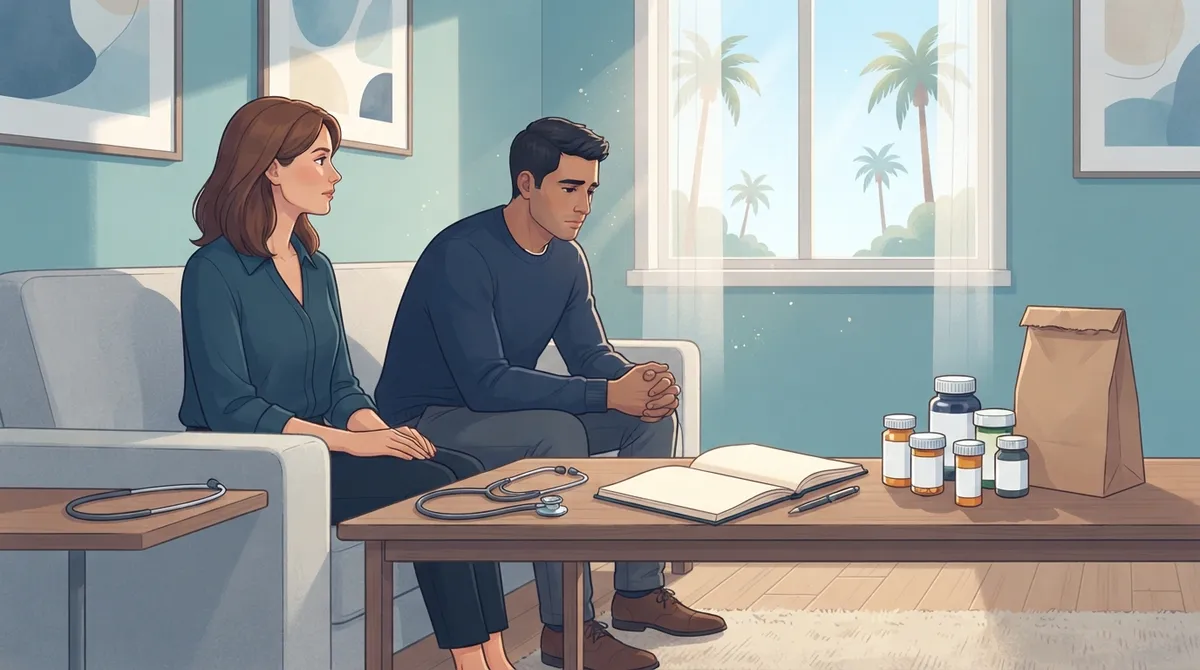
- Write down every medicine, supplement, and over-the-counter product you take.
- Note when your libido began to change.
- Share the list with your primary care clinician.
- Ask whether any item could be contributing.
Never stop a prescribed medicine on your own. Stopping some drugs suddenly can cause serious problems. Your clinician can review options with you or coordinate with the prescriber.
Mistake 3: Waiting Too Long to See a Doctor
Some dips in desire are normal. Stress, a new baby, or a rough month can all lower interest for a while. But a change that lasts or causes you distress deserves attention.
It is reasonable to schedule a visit if:
- The change has lasted several weeks or longer
- It bothers you or strains your relationship
- You also notice fatigue, mood changes, or weight changes
- Sex has become painful
Low libido can also be an early clue to another health issue. Catching that issue early is one more reason not to wait. If poor rest is part of your picture, this guide on how to know when to see a doctor for poor sleep can help you decide on next steps.
Mistake 4: Ordering Testosterone Without a Proper Diagnosis
For men, low desire alone does not prove low testosterone. A real diagnosis needs two things: symptoms that fit, and consistently low testosterone levels confirmed with properly timed blood tests.
A careful clinician will also look for causes of low levels. Sleep apnea, obesity, certain medicines, and other conditions can all play a role. Then they discuss benefits, risks, and monitoring before any therapy is considered.
If you want to understand what supervised care involves, read about who provides medically supervised TRT in Tampa Bay. For a side-by-side look at approaches, see this comparison of testosterone therapy and root-cause care for libido help in Tampa.
What a Proper Workup May Include
|
Step |
Purpose |
|
|---|---|---|
|
Symptom and sexual history |
Identify timing, patterns, and goals |
|
|
Medication and substance review |
Find possible drug-related causes | |
|
Physical exam when appropriate |
Look for visible or physical contributors |
|
|
Targeted lab tests |
Check thyroid, blood sugar, or hormones if indicated |
|
|
Mood and stress screening |
Assess depression, anxiety, and burnout |
|
|
Sleep assessment |
Detect sleep problems that drain desire |
Mistake 5: Ignoring Pain, Dryness, and Menopause Changes
For many women, desire drops because sex has become uncomfortable. Menopause can cause vaginal dryness and painful intercourse. When sex hurts, interest naturally fades.
The fix depends on the cause. Depending on the person, a clinician may suggest:
- Lubricants during sex
- Vaginal moisturizers for ongoing dryness
- Clinician-directed treatments for genitourinary symptoms
These options treat discomfort. They are not the same as a general libido medication. Treating pain first often helps desire return on its own.
Mistake 6: Assuming a Pill Will Solve Everything
Online ads promise quick fixes. The reality is more careful. For women, two prescription options are FDA-approved in the United States: flibanserin and bremelanotide. They are meant for certain premenopausal patients with acquired, generalized hypoactive sexual desire disorder.
That is a narrow group. Eligibility, drug interactions, and side effects all need clinician review. These medicines also do not replace counseling or treatment of underlying health problems.
Counseling and sex therapy can be very effective. A qualified therapist can help with stress, body image, past experiences, and communication. Your primary care clinician can refer you to the right professional.
Mistake 7: Choosing a Clinic Based on Marketing Alone
Tampa has many clinics that advertise hormone and wellness care. Marketing is not a substitute for a real medical assessment. Before you commit, ask direct questions.
- What are the clinician's credentials?
- What criteria do you use to diagnose a hormone problem?
- What are the risks of the treatments you suggest?
- How will you follow up and monitor me?
- When would you refer me to a specialist?
A trustworthy practice welcomes these questions. It also refers you to endocrinology, gynecology, urology, or a therapist when that serves you best. If you are still looking for the right doctor, this guide on how to choose the best primary care doctor in Tampa offers a helpful checklist.
What Effective Treatment Looks Like
Good care follows a clear path. It starts with listening, moves to targeted testing, and ends with a plan matched to your cause.
A Step-by-Step Approach
- Share your story. Describe when the change began and how it affects you.
- Review your health. Your clinician checks conditions, medicines, and habits.
- Test with purpose. Labs are ordered only when your history supports them.
- Treat the cause. This may mean managing a condition, adjusting medicines with the prescriber, or treating pain.
- Support daily health. Better sleep, movement, and stress care often raise desire.
- Follow up. Progress is reviewed and the plan is adjusted.
Common Treatment Options by Cause
|
Likely Cause |
Possible Approach |
|---|---|
|
Medication side effect |
Review with the prescriber; never stop on your own |
|
Chronic illness |
Improve control of the underlying condition |
|
Confirmed low testosterone in men |
Discuss benefits, risks, and monitored therapy |
|
Menopausal dryness or pain |
Lubricants, moisturizers, or clinician-directed care |
|
Stress, depression, or anxiety |
Counseling, therapy, and mood treatment |
|
Poor sleep |
Sleep evaluation and treatment |
|
Relationship concerns |
Couples counseling or sex therapy |
Why Primary Care Is the Smart First Step
A primary care clinician sees your whole health history. That context matters because libido touches so many body systems. One visit can screen for diabetes, thyroid problems, mood concerns, and medication effects together.
Primary care also keeps care coordinated. You avoid bouncing between disconnected providers. For a broader view of how this works, see this overview of how to get better primary care coordination of care.
InCare is a personalized healthcare clinic with locations in Tampa and Riverview. The team combines modern technology with medical expertise to look at the whole person, not just one symptom. That whole-body approach is especially useful for a sensitive concern like libido. Patients can discuss their concerns openly and get a plan built around their own health. You can read InCare reviews on Google to see what local patients say about their experience.
Lifestyle Steps That Support Desire
Medical care works best alongside healthy daily habits. These steps will not replace a diagnosis, but they often help.
- Aim for steady, quality sleep each night
- Move your body most days of the week
- Limit alcohol and avoid tobacco
- Find healthy ways to manage stress
- Talk openly with your partner about needs and worries
- Keep up with routine screenings and checkups
Weight can matter too. Excess weight is linked to hormone and energy changes. A supervised program may help some patients, and this look at how a primary care doctor aids weight loss explains the role of medical support.
How to Prepare for Your Visit
A little preparation makes the appointment more useful. Many people feel nervous about this topic, and that is completely normal. Clinicians discuss sexual health every day and treat it as a routine part of care.
Bring the following:
- A list of medicines and supplements
- A rough timeline of when symptoms began
- Notes on sleep, stress, mood, and energy
- Questions you want answered
If you are new to a practice, this guide on how to establish care with a new doctor walks you through the process.
Take the Next Step Toward Answers
Declining libido is common, and it is treatable once the cause is found. Avoiding these seven mistakes puts you ahead. Get a real evaluation, review your medicines, treat pain and mood, and be cautious about hormone claims. Choose a clinician who explains the diagnosis, the risks, and the follow-up plan.
If you live in the Tampa Bay area, a personalized visit can help you move from guessing to a clear plan. Book your appointment with InCare today, or contact our team with questions. You can also follow InCare on Instagram, Facebook, and TikTok for wellness tips and updates.
FAQs
Q: What causes declining libido in men and women?
A: Declining libido has many possible causes, including medication side effects, chronic illness, hormonal changes, pain during sex, poor sleep, stress, depression, anxiety, and relationship factors. Because the causes differ from person to person, a primary care evaluation is the best way to identify yours.
Q: When should I see a doctor about low sex drive?
A: Schedule a visit if the change lasts for weeks, causes you distress, or comes with fatigue, mood shifts, or painful sex. Persistent changes can also signal another health condition worth catching early.
Q: Does low testosterone always cause low libido?
A: No. Low desire alone does not confirm testosterone deficiency in men. Diagnosis requires compatible symptoms and consistently low levels confirmed by properly timed blood tests, along with a review of possible causes.
Q: Are there FDA-approved medications for low sexual desire in women?
A: Yes. Flibanserin and bremelanotide are FDA-approved for certain premenopausal patients with acquired, generalized hypoactive sexual desire disorder. Eligibility, contraindications, and side effects require careful clinician review.
Q: What tests might a primary care doctor order for low libido?
A: Testing is guided by your history and may include checks for thyroid disease, diabetes, or hormone levels. A broad hormone panel is not automatically needed for everyone, so your clinician orders only what fits your symptoms.