
Key Takeaways
- Testosterone therapy is meant only for men with confirmed hypogonadism, meaning low testosterone plus matching symptoms or signs; age or fatigue alone is not enough, and the FDA does not support use for age-related decline alone.
- Diagnosis requires fasting morning total testosterone tests, repeated to confirm a low result, since levels swing with illness, poor sleep, and other factors.
- Finding the underlying cause (such as obesity, sleep apnea, diabetes, medications, or thyroid issues) matters, because treating the cause can sometimes restore testosterone on its own.
- Testosterone therapy can suppress sperm production and is generally not recommended for men planning children in the near term, so fertility plans should be raised at the first visit.
- Blood pressure should be checked before and during therapy, since the FDA's 2025 labeling update added a warning that testosterone products can raise blood pressure.
- Ongoing monitoring is essential, including symptoms, testosterone levels, hematocrit, blood pressure, and prostate risk, with urology referral advised for significant PSA rises or abnormal prostate exams.
Many men notice low energy, a weaker sex drive, or slower workout recovery and wonder if testosterone is the cause. Others hear about quick fixes online and want answers fast. Good care does not start with a prescription. It starts with a careful medical review. Clinical testosterone therapy in Riverview, done the right way, begins with symptoms, confirmed lab results, and a search for the underlying cause.
This guide shares 10 facts that help you understand what safe, clinician-led care looks like in 2026. It draws on guidance from the Endocrine Society and FDA labeling updates. It also explains how a primary care clinic like InCare can fit into your care. If you are a busy professional, a young parent, or a health-minded adult who likes data and clear plans, these facts will help you ask better questions and make a confident choice.

1. Testosterone Therapy Is for Confirmed Hypogonadism, Not Aging Alone
Testosterone therapy is meant for men with clinically confirmed hypogonadism. That means the body is not making enough testosterone and the man has matching symptoms or signs. Feeling tired, getting older, or having one low lab number is not enough.
The FDA keeps a limit on this point. Its labeling still does not support using testosterone for age-related low testosterone without an associated medical condition. A good clinician will explain this clearly before any plan begins.
2. Symptoms Come First, Then Labs
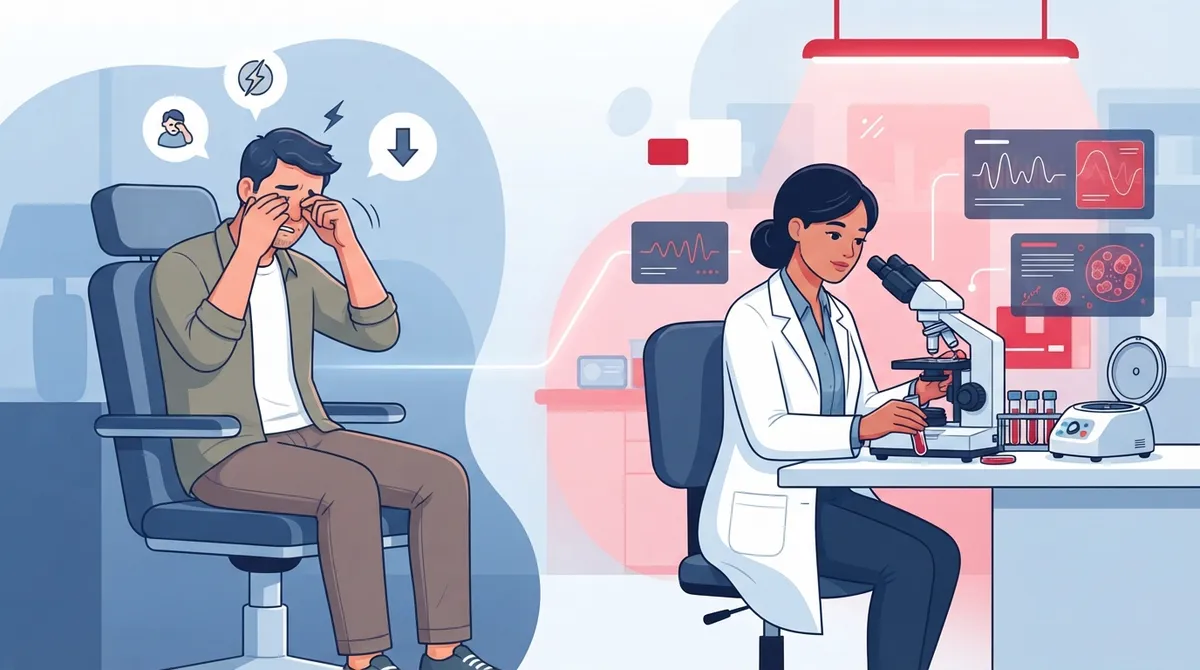
A visit should start with a conversation. Your clinician will ask about your health history, sleep, mood, sexual function, and medications. Common signs of low testosterone include:
- Reduced sex drive or fewer morning erections
- Low energy and ongoing fatigue
- Loss of muscle mass or strength
- Increased body fat
- Low mood or trouble focusing
- Hot flashes or lower bone density in some cases
Many of these signs overlap with sleep problems, stress, thyroid issues, depression, and weight gain. That is why symptoms alone never confirm the diagnosis. If poor sleep is part of your story, this guide on when to see a doctor for poor sleep can help you sort out the next step.
3. Diagnosis Needs Repeat Morning Blood Tests
The Endocrine Society recommends measuring fasting morning total testosterone with a reliable assay. A single low result is not enough. The test should be repeated to confirm the finding, because levels can swing for many reasons, including illness and poor sleep.
Free testosterone may be useful when total testosterone is borderline or when sex hormone-binding globulin may change how results read. Your clinician will decide which tests fit your case. For a closer look at what to expect, see these blood tests needed for TRT and this overview of testosterone lab testing in Riverview.
|
Step |
What Happens |
Why It Matters |
|---|---|---|
|
1. Symptom review |
Clinician reviews symptoms, history, and medicines |
Rules out other causes of fatigue and low drive |
|
2. Morning blood draw |
Fasting total testosterone, sometimes free testosterone |
Levels are highest and most stable in the morning |
|
3. Repeat test |
A second test confirms a low result |
One reading can be misleading |
|
4. Cause workup |
LH, FSH, and other labs as needed |
Finds the source of the problem |
4. Finding the Cause Matters
After low testosterone is confirmed, the next job is to find out why. Luteinizing hormone (LH) and follicle-stimulating hormone (FSH) help show whether the problem starts in the testicles or in the pituitary gland or hypothalamus. Further tests depend on your picture. They may check iron levels, prolactin, thyroid function, or other markers.
Common contributors include obesity, type 2 diabetes, untreated sleep apnea, certain medicines, chronic illness, and heavy stress. Sometimes treating the cause brings testosterone back up on its own. Weight loss is one example. If you want to read more, this article on genetic versus acquired hypogonadism explains how causes differ.
5. Therapy Is a Shared Decision
Current guidance stresses shared decision-making. Your clinician should walk you through expected benefits, possible risks, other options, and your personal goals. This is also the time to talk about fertility plans, since the choice you make can affect them.
Good questions to ask at your visit:
- Which symptoms might improve, and how soon?
- What are the risks for me, given my health history?
- What other options exist besides testosterone?
- How often will I need labs and visits?
- What happens if I want to stop?
Some patients choose to compare approaches. This piece on testosterone therapy versus root-cause care is a helpful read before your visit.
6. Fertility Is a Key Consideration
Testosterone therapy can suppress sperm production. For this reason, it is generally not recommended for men who plan to have children in the near term. Many young families and men in their late twenties and thirties need to hear this early.
If fertility matters to you, tell your clinician at the first visit. There may be other ways to address symptoms while protecting sperm production. Never assume that therapy is reversible on your own timeline.
7. Some Conditions Mean Stop and Evaluate First
Guidelines list reasons not to start therapy without further evaluation. A clinician should review your individual risks and the product label. These include:
- Prostate cancer or breast cancer
- Elevated hematocrit (a high red blood cell count)
- Untreated severe obstructive sleep apnea
- Severe urinary symptoms from prostate enlargement
- Uncontrolled heart failure
- A recent heart attack or stroke
- Thrombophilia, a tendency toward blood clots
This is one reason a full primary care review matters. A clinic that knows your whole health picture can spot these issues before treatment starts. If sleep is a concern, you can read about choosing a sleep apnea doctor in Riverview.
8. Monitoring Is Not Optional
Treatment is only safe with follow-up. The Endocrine Society recommends checking your response and side effects after therapy begins. Monitoring typically covers:
- Symptoms and side effects
- Testosterone levels
- Hematocrit, to watch for thickened blood
- Prostate risk, as appropriate for your age and history
The guideline advises a prostate risk review before treatment and again 3 to 12 months after starting for men who choose monitoring. A urology referral is advised during the first treatment year for a confirmed PSA rise of more than 1.4 ng/mL above baseline, a confirmed PSA above 4.0 ng/mL, or an abnormal prostate exam. Skipping follow-up is a common mistake. See these TRT follow-up mistakes to learn what to avoid.
9. The 2025 FDA Update: Heart Warning Changed, Blood Pressure Warning Added
In February 2025, the FDA announced class-wide labeling changes for testosterone products. After reviewing the TRAVERSE trial, it removed the class-wide boxed-warning language about increased cardiovascular outcomes. It also required warnings that testosterone products can raise blood pressure.
The numbers help put this in context:
|
TRAVERSE Result |
Testosterone Gel |
Placebo |
|---|---|---|
|
Major adverse cardiovascular events |
7.0% |
7.3% |
|
Mean systolic blood pressure change at 36 months |
+1.0 mm Hg |
−0.5 mm Hg |
That is a 1.5 mm Hg difference between groups. The FDA also reported that completed ambulatory blood-pressure studies confirmed a rise in blood pressure across the product class, and the size varies by product and study. In plain terms, blood pressure should be checked before and during therapy. If you already have high readings, learn more in these strategies for blood pressure management.
10. Choose a Clinic That Treats the Whole Person
Testosterone is one part of a bigger health picture. Sleep, weight, blood pressure, blood sugar, and mood all shape how you feel. A clinic that offers primary care alongside hormone evaluation can connect those dots and keep your care coordinated.
InCare is a personalized primary care and wellness clinic with locations in Riverview and Tampa, plus virtual visits. The team combines medical expertise with tools such as in-house lab work, body composition analysis, and DNA gene testing to build a plan around you. That whole-body approach is what makes InCare a strong option for men who want evidence-based answers instead of a one-size-fits-all pitch. You can see what patients say about their visits and read InCare reviews on Google.
When you compare options, look for these signs of quality care. You can also review this guide on what to look for in a TRT clinic in Riverview:
- A full history and exam before any lab order
- Repeat morning testing to confirm the diagnosis
- A search for the cause, not only a prescription
- A clear talk about fertility, risks, and options
- A written plan for monitoring and follow-up
How Primary Care Supports Safer Testosterone Decisions
Primary care is the right front door for this topic. A primary care clinician can screen for sleep apnea, check blood pressure, review your medicines, and order the right labs in the right order. This helps avoid the trap of treating a number instead of a person.
For tech-savvy adults who like clear data, virtual visits and digital tools can make follow-up easier. For busy families, a single clinic that handles routine care, lab work, and hormone questions saves time. If you are new to a practice, this guide on starting medically supervised TRT safely and this look at who provides medically supervised TRT in Tampa Bay are useful next reads.
It also helps to stay informed from reliable public health sources. You can follow InCare updates on Facebook, Instagram, and Tik Tok for wellness tips and clinic news.
Conclusion: Start With Answers, Not Assumptions
Clinical testosterone therapy in Riverview should begin with a careful look at your symptoms, repeat morning labs, and a search for the underlying cause. It should include honest talks about fertility, heart and blood pressure risk, and a firm follow-up plan. The best results come from care that is slow enough to be safe and thorough enough to be useful.
If you are ready for a clear, clinician-led evaluation, InCare is here to help. Book your visit with InCare today, or contact our team with questions before you schedule. We will help you find out what is really behind your symptoms and build a plan that fits your health goals.
FAQs
Q: What symptoms can indicate low testosterone?
A: Common signs include reduced sex drive, fewer morning erections, ongoing fatigue, loss of muscle mass, increased body fat, and low mood. These symptoms also overlap with sleep problems, stress, and thyroid issues, so lab testing and a clinical review are needed before any diagnosis.
Q: How is low testosterone diagnosed, and why are repeat morning tests needed?
A: Diagnosis requires compatible symptoms plus consistently low testosterone on fasting morning blood tests using a reliable assay. Levels vary during the day and with illness or poor sleep, so a low result should be repeated to confirm it before treatment is considered.
Q: Can testosterone therapy affect fertility or sperm production?
A: Yes. Testosterone therapy can suppress sperm production, and it is generally not recommended for men planning to have children in the near term. Men who care about fertility should raise this with their clinician before starting.
Q: What tests and follow-up are needed while taking testosterone?
A: Monitoring typically includes tracking symptoms and side effects, testosterone levels, hematocrit, and prostate risk as appropriate. Blood pressure should also be checked, since FDA labeling updated in 2025 notes that testosterone products can raise it.
Q: Does testosterone therapy increase blood pressure or cardiovascular risk?
A: The FDA removed the class-wide boxed-warning language about cardiovascular outcomes in February 2025 after reviewing the TRAVERSE trial, but it added warnings that testosterone products can raise blood pressure. A clinician should assess your personal risk and monitor your readings during treatment.