Key Takeaways
- Two separate early-morning total testosterone tests, ideally from the same lab, are needed to confirm low testosterone, since a single low reading can be caused by illness, poor sleep, or medications.
- A CBC with hematocrit is essential before TRT because testosterone can raise red blood cell levels; a baseline hematocrit above 50% warrants investigation before starting treatment.
- LH and FSH help determine whether low testosterone is primary (testicular) or secondary (pituitary or hypothalamic), which shapes the treatment path and matters for fertility goals.
- A baseline PSA is recommended for men over 40, decided through shared decision-making, because TRT can affect existing prostate disease.
- On treatment, hematocrit of 54% or higher calls for action such as a dose change or temporary pause, and a PSA rise above 1.4 ng/mL in the first year warrants urologic evaluation.
- Schedule your lab draw before 10 a.m., follow fasting instructions, avoid hard workouts beforehand, and delay testing if you are sick, since these factors can affect accuracy.
Testosterone replacement therapy (TRT) is not a simple prescription. A safe, effective plan starts with lab work. Many men ask, what blood tests are needed for TRT, because they want to know what to expect before they commit. The answer depends on your symptoms, history, and age. A qualified clinician builds the panel around you.
In 2026, the standard approach is still careful and step by step. Doctors confirm symptoms, repeat low testosterone readings, look for the cause, and check for treatment risks. Blood work does all of this. It also gives a baseline so your clinician can track how you respond over time.
This guide walks through 14 tests and checks that commonly appear in a TRT workup, why each one matters, and when they are repeated. It is written for busy adults who want clear answers. If you live in the Tampa Bay area, our team at InCare can order and explain these tests during a primary care visit. You can also learn more about who provides medically supervised TRT in Tampa Bay.
Why Blood Tests Come Before TRT
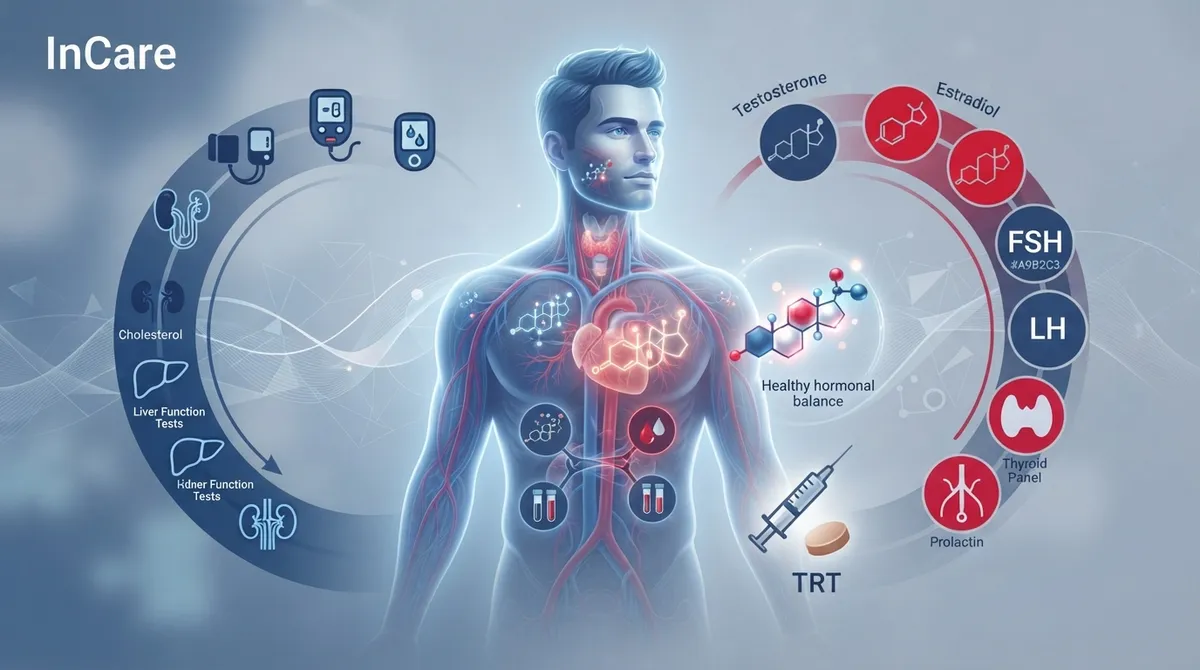
TRT should only be considered when a man has symptoms or signs that fit low testosterone and repeated low lab results. One low number is not enough. Illness, poor sleep, and some medications can lower a single reading.
Blood tests answer three key questions:
- Is testosterone truly low? Repeat testing confirms it.
- Why is it low? The cause changes the treatment.
- Is TRT safe for you? Some results raise red flags that need attention first.
Understanding what blood tests are needed for TRT helps you show up prepared and ask smart questions.
The Core TRT Blood Tests
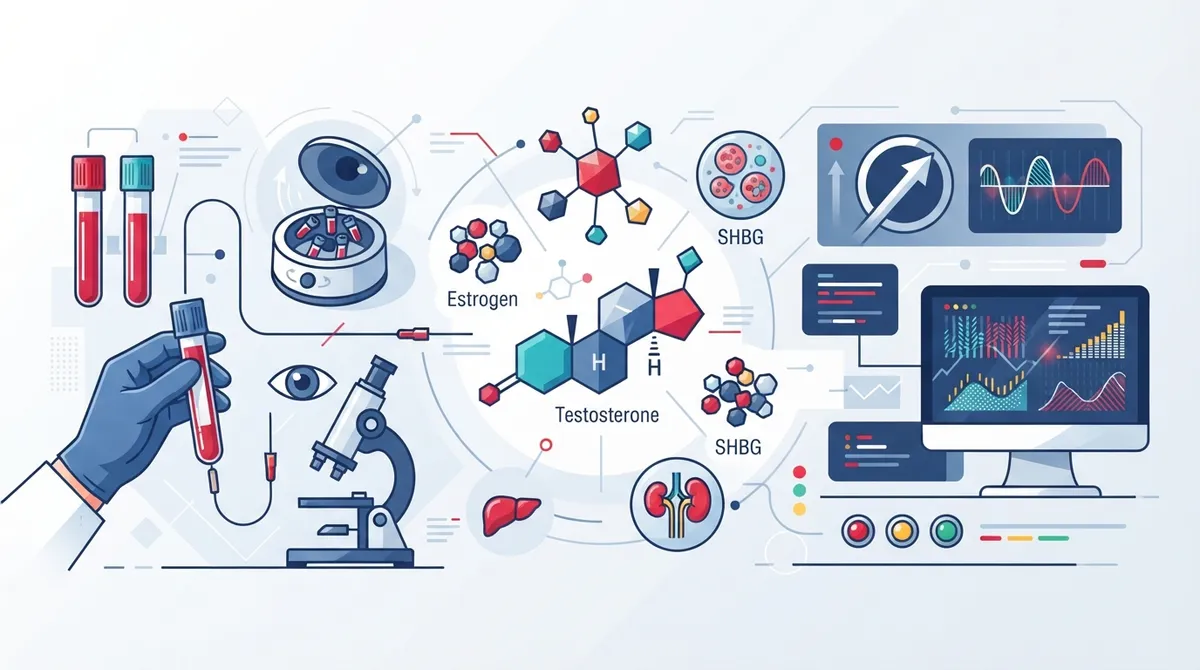
These are the tests most men can expect at the start of care.
1. Total Testosterone (First Morning Draw)
This is the anchor test. Testosterone is highest in the early morning, so labs are drawn then. Guidelines call for two separate early-morning total testosterone measurements, ideally at the same lab using the same method. Fasting is often advised because food can lower readings.
2. Repeat Total Testosterone
The second draw confirms the first. It is not a duplicate for the sake of it. Testosterone levels swing from day to day, and a single low value may not be real. Two consistent low results make the diagnosis far more reliable.
3. Complete Blood Count (CBC)
A CBC measures your red blood cells, white blood cells, and platelets. It includes hemoglobin and hematocrit. This is one of the most important TRT tests because testosterone can raise red blood cell levels. The American Urological Association (AUA) recommends checking hemoglobin and hematocrit before offering treatment.
4. Hematocrit
Hematocrit is the share of your blood made up of red blood cells. The AUA advises looking into the cause if baseline hematocrit is above 50% before starting therapy. High hematocrit can thicken the blood, so your clinician needs a clear starting point.
5. Prostate-Specific Antigen (PSA)
PSA is a prostate screening test. The AUA recommends a PSA before treatment for men over 40. The decision to test is shared between you and your clinician, based on age and risk. TRT does not cause prostate cancer, but it can affect existing prostate disease, so a baseline matters.
Tests That Find the Cause of Low Testosterone
Low testosterone is a result, not a diagnosis. These tests help explain where the problem starts.
6. Luteinizing Hormone (LH)
LH is the signal your brain sends to the testes to make testosterone. A high LH with low testosterone points to a testicular (primary) problem. A low or normal LH points to a pituitary or hypothalamic (secondary) cause.
7. Follicle-Stimulating Hormone (FSH)
FSH works alongside LH and relates to sperm production. Together, LH and FSH help sort primary from secondary causes. This matters a great deal if you want to keep fertility, since TRT can lower sperm counts.
8. Prolactin
Prolactin is often checked when LH is low or low-normal. High prolactin can suppress testosterone and may signal a pituitary issue. Finding it early can change the whole treatment path.
9. Sex Hormone-Binding Globulin (SHBG) and Free Testosterone
Much of your testosterone is bound to SHBG and is not usable. If your total testosterone is borderline, or SHBG may be abnormal, clinicians may measure SHBG and albumin and assess free testosterone. Obesity, diabetes, thyroid problems, and age can all shift SHBG. This test shows how much testosterone your body can truly use.
Additional Tests Based on Your History
Not every man needs every test. Your symptoms, exam, and medical history guide which of these are added. This is where a primary care clinic that knows your full health picture makes a real difference. Learn more about primary care versus a standalone TRT clinic.
10. Iron Studies
Iron studies, such as ferritin and transferrin saturation, may be ordered if iron overload is suspected. Some iron conditions can lower testosterone and also affect the pituitary gland.
11. Thyroid Testing
An underactive or overactive thyroid can mimic low testosterone symptoms like fatigue, low mood, and weight changes. A thyroid test (TSH) helps separate the two when symptoms overlap.
12. Metabolic Panel and Blood Sugar Markers
Tests such as fasting glucose, A1C, and a lipid panel look for diabetes, insulin resistance, and cholesterol problems. Obesity and type 2 diabetes are closely tied to low testosterone. Treating them can improve hormone levels and overall health. Our guide on getting TRT bloodwork in Tampa covers this in more detail.
13. Liver and Kidney Function
A comprehensive metabolic panel checks how well your liver and kidneys are working. These organs process medications and hormones. Knowing your baseline helps your clinician choose a safe plan.
14. Estradiol (When Indicated)
Estradiol is a form of estrogen that men also make. It is not tested for every patient, but a clinician may check it if symptoms such as breast tenderness or swelling appear. It can also help explain mixed symptoms on treatment.
Quick Reference: TRT Blood Tests at a Glance
|
Test |
What It Shows |
When It Is Used |
|---|---|---|
|
Total testosterone (x2) |
Confirms low testosterone |
Baseline, early morning |
|
CBC / hematocrit |
Red blood cell safety |
Baseline and follow-up |
|
PSA |
Prostate screening |
Baseline for men over 40, by shared decision |
|
LH and FSH |
Primary vs. secondary cause |
Cause workup |
|
Prolactin |
Pituitary-related causes |
When LH is low or low-normal |
|
SHBG / free testosterone |
Usable testosterone |
Borderline total testosterone |
|
Iron, thyroid, metabolic |
Contributing conditions |
Based on history and exam |
Blood Tests While You Are on TRT
Testing does not stop once treatment begins. Monitoring is how your clinician keeps therapy safe and effective.
- Testosterone: The Endocrine Society recommends checking levels 3 to 6 months after starting, then periodically. The AUA suggests every 6 to 12 months once stable levels are reached. Timing depends on the form of TRT you use.
- Hematocrit: The Endocrine Society recommends checking at baseline, 3 to 6 months after starting, and yearly. A hematocrit of 54% or higher during treatment calls for action, such as a dose change or a temporary pause.
- PSA: For men who choose prostate monitoring, testing is done before treatment and again 3 to 12 months after starting. A rise of more than 1.4 ng/mL in the first year is a reason for urologic evaluation.
Blood pressure matters too. FDA labeling for testosterone products calls for periodic blood pressure checks, since these products can raise it. Lab work alone is not enough. Your clinician should track your vitals at each visit. If you want to avoid common slip-ups, read about TRT follow-up mistakes Riverview patients should avoid.
How to Prepare for Your TRT Lab Draw
Good preparation gives you more accurate results. Keep these tips in mind:
- Schedule your draw early in the morning, usually before 10 a.m.
- Follow any fasting instructions your clinic gives you.
- Avoid hard workouts right before the draw.
- Tell your clinician about all medications and supplements.
- Delay testing if you are sick, since acute illness can change results.
- Use the same lab for repeat tests when possible.
Results That Can Delay or Change TRT
Some findings do not mean you cannot ever have treatment. They mean your clinician will pause, investigate, or adjust the plan. Examples include:
- A baseline hematocrit above 50%
- An elevated or rising PSA
- High prolactin or abnormal pituitary markers
- Uncontrolled blood pressure or sleep apnea symptoms
- Fertility goals that call for a different approach
This is why a thorough workup matters. It protects you before the first dose. Men with fatigue, low drive, or mood changes can also explore related care, such as our guide on when to see a doctor for low libido.
Why Primary Care Is the Right Place for TRT Labs
Hormone care works best when it is part of whole-body care. At InCare, your TRT workup connects with preventive screenings, metabolic health, and chronic condition management. That means your clinician can spot issues like diabetes, sleep problems, or high blood pressure that affect both your hormones and your safety.
Our team uses modern technology and a personalized approach at our Tampa and Riverview locations. Patients can also see what to look for in a TRT clinic in Riverview. See what our patients say by checking our InCare reviews on Google, or follow our wellness tips on Instagram, Facebook, and TikTok.
Take the Next Step
Knowing what blood tests are needed for TRT puts you in control of your care. The right panel confirms low testosterone, finds the cause, and keeps treatment safe over time. Do not guess or self-treat. Work with a clinician who looks at the full picture.
Ready to get answers? Book your visit with InCare today, or contact our team with questions about hormone testing and care in Tampa and Riverview.
FAQs
Q: What blood tests should I get before starting TRT?
A: Most men start with two early-morning total testosterone tests, a complete blood count with hematocrit, and a PSA when appropriate for age and risk. Your clinician may add LH, FSH, prolactin, SHBG, thyroid, iron, and metabolic tests based on your history.
Q: Do I need two testosterone tests before TRT?
A: Yes, guidelines recommend two separate early-morning total testosterone measurements, ideally from the same lab. A single low result can be caused by illness, poor sleep, or medications, so repeat testing confirms the diagnosis.
Q: Why are CBC and hematocrit checked during testosterone therapy?
A: Testosterone can raise red blood cell levels, which may thicken the blood. The Endocrine Society recommends checking hematocrit at baseline, 3 to 6 months after starting, and yearly. A hematocrit of 54% or higher during treatment needs clinical action.
Q: How often should testosterone levels be checked on TRT?
A: The Endocrine Society recommends checking testosterone 3 to 6 months after starting, then periodically. The AUA advises every 6 to 12 months once therapeutic levels are reached. Your clinician sets the exact timing based on your treatment form.
Q: Do I need a PSA test before starting TRT?
A: The AUA recommends a PSA before treatment for men over 40, guided by shared decision-making with your clinician. If you choose prostate monitoring, PSA is rechecked 3 to 12 months after starting, and a rise above 1.4 ng/mL in the first year calls for urologic review.