Key Takeaways
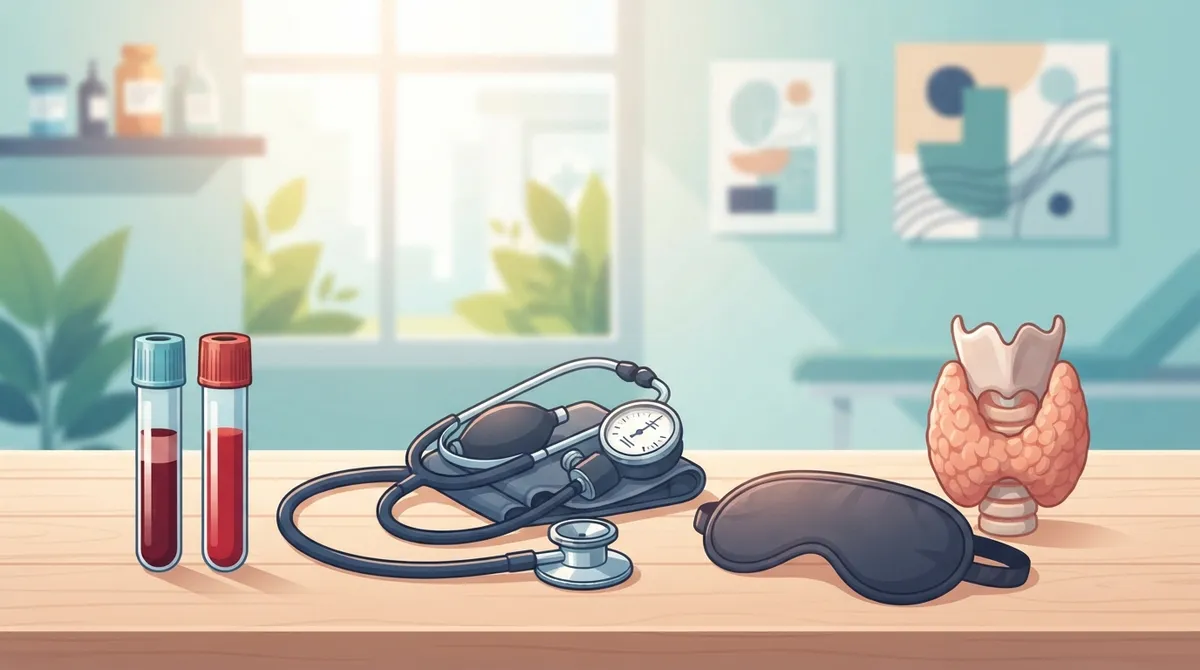
- Low testosterone is diagnosed only when symptoms fitting low testosterone are paired with consistently low morning blood levels confirmed by a repeat test; symptoms or a single lab result alone are not enough.
- Many conditions, including sleep apnea, depression, thyroid problems, and diabetes, mimic low testosterone symptoms, so a thorough evaluation should rule them out before starting TRT.
- Since February 2025, FDA labeling for testosterone products carries blood pressure warnings, and these products are not recommended for people with uncontrolled high blood pressure.
- TRT can lower sperm production and reduce fertility, so men who want children now or later should tell their clinician before starting treatment.
Searching for "TRT near me Riverview" usually means one thing: you feel worn down and want answers. Low energy, poor sleep, a weak sex drive, and slow recovery can all point to low testosterone. They can also point to many other problems. That is why the first step is a medical evaluation, not a prescription.
Testosterone replacement therapy (TRT) is a prescription treatment for men with confirmed testosterone deficiency, also called male hypogonadism. It is not an anti-aging shortcut or a performance booster. Good care starts with the right tests, a clear diagnosis, and a plan for follow-up.
This guide explains how diagnosis works, what to expect from testing, the treatment options, and the safety issues that matter in 2026. It also shows how to judge any Riverview provider before you book. Local services change, so always confirm credentials and offerings directly with a clinic.

What TRT Means and Who It Is For
TRT replaces testosterone in men whose bodies do not make enough of it. The goal is to relieve symptoms of true deficiency and bring levels back into a healthy range. It is a medical treatment, and it should be managed by a licensed clinician.
Guidelines recommend diagnosing hypogonadism only when two things are present together: symptoms or signs that fit low testosterone, and consistently low blood levels. A symptom list alone is not enough. A single lab number alone is not enough either.
TRT is generally not recommended just to treat aging, boost athletic performance, or address vague symptoms without confirmed deficiency. Many men who feel tired or low have other causes that need attention first.
Common Symptoms and What Else Can Cause Them
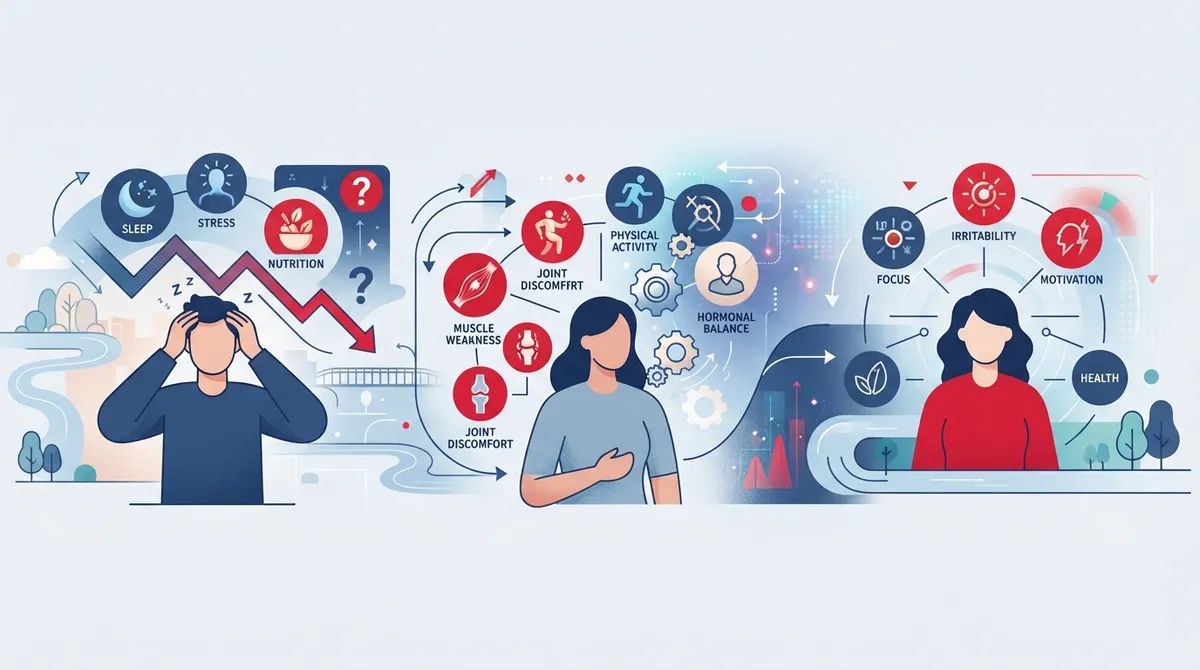
Low testosterone can show up in several ways. Still, none of these symptoms is specific to it.
- Low sex drive or fewer morning erections
- Fatigue and low motivation
- Reduced muscle mass and strength
- Increased body fat, especially around the waist
- Low mood or trouble concentrating
- Poor sleep or reduced stamina
Other conditions can look the same. Sleep apnea, depression, thyroid problems, diabetes, medication side effects, and chronic stress all cause similar complaints. A thorough visit sorts these out. If poor rest is part of your story, this guide on how to know when to see a doctor for poor sleep can help you decide what to do next.
Low libido has many possible causes as well. You can read more in this article on when to see a doctor for low libido.
How Low Testosterone Is Diagnosed
Diagnosis follows a clear path. A careful clinician will not skip steps.
- Medical history and symptom review. Your clinician asks about energy, sleep, mood, sexual function, medications, and past health problems.
- Physical examination. This checks for signs that fit low testosterone and for other health concerns.
- Morning blood test. Testosterone is highest in the morning, so testing is usually done then. The Endocrine Society recommends a fasting morning total testosterone level.
- Repeat testing to confirm. A low result should be confirmed with a second test. Levels can swing from day to day.
- Further workup when needed. Clinicians may check free testosterone, luteinizing hormone (LH), and follicle-stimulating hormone (FSH) to find the cause.
Repeat testing matters. Treating on one low reading can lead to a lifetime of therapy that was never needed. If you want to know which labs to expect, see this checklist of blood tests needed for TRT.
What Evaluation Usually Includes
|
Step |
What It Looks At |
Why It Matters |
|---|---|---|
|
Symptom review |
Energy, mood, libido, sleep |
Confirms symptoms fit low testosterone |
|
Morning total testosterone |
Hormone level in the blood |
Core test for diagnosis |
|
Repeat test |
Second morning result |
Rules out a one-time dip |
|
LH and FSH |
Pituitary signals to the testes |
Helps find the cause |
|
General health labs |
Blood counts, metabolic health |
Checks safety before treatment |
|
Blood pressure check |
Cardiovascular status |
Needed for safe prescribing |
Treatment Options for Testosterone Deficiency
If your results confirm deficiency, your clinician will explain the options. The right choice depends on your health, your preferences, your budget, and the risks and monitoring needs of each product.
- Topical gels: Applied daily to the skin. Gel can transfer to others through contact, so correct use matters, especially around children and partners.
- Injections: Given on a regular schedule, either at the clinic or at home after training.
- Patches: Worn on the skin and replaced regularly.
- Nasal products: A less common option taken several times a day.
- Implanted pellets: Placed under the skin and released slowly over months.
Cost is a real part of the decision. For a closer look at what to expect, read how much TRT costs in 2026.
Key Safety Issues to Discuss
Blood Pressure
In February 2025, the FDA announced class-wide labeling changes for testosterone products. Studies showed that blood pressure can rise with these medicines. Labels now carry blood pressure warnings, and these products are not recommended for people with uncontrolled high blood pressure.
The size of the effect varies by product. For example, FDA labeling for AndroGel 1.62% reports an average rise of 1.9/1.3 mm Hg after 16 weeks. Labeling for JATENZO reports an average rise of 4.9/2.5 mm Hg after four months. These numbers are product-specific, so they do not predict your result. Regular blood pressure checks are part of safe care.
Heart Health
The FDA's 2025 action also removed boxed-warning language about increased cardiovascular outcomes. In the TRAVERSE trial data cited by the FDA, major adverse cardiovascular events occurred in 7.0% of men using testosterone gel and 7.3% of those on placebo. That is reassuring, but it does not make TRT risk-free or right for everyone. Your clinician should review your heart health history first.
Fertility
Testosterone therapy can lower sperm production and reduce fertility. If you want to have children now or in the future, tell your clinician before you start. TRT is not a fertility treatment. Other options may fit better if conception is a goal. Understanding the body's hormone signaling can help here, as explained in this comparison of fertility approaches.
Why Follow-Up Matters
TRT is not a one-time visit. Ongoing monitoring keeps treatment safe and effective. Expect regular check-ins that track your symptoms, testosterone levels, side effects, and key health measures such as blood pressure and blood counts.
Missed follow-up is one of the most common problems in hormone care. If you want to avoid it, review these TRT follow-up mistakes Riverview patients should avoid. Symptoms often improve over weeks to months, so patience and steady monitoring both count. You can see a typical pace in this TRT symptom timeline.
How to Judge a Riverview TRT Provider
Search results cannot tell you which Riverview providers currently offer TRT, so you need to check for yourself. Use this list when you call or visit.
- Do they confirm the diagnosis? Look for symptom review plus repeat morning testing.
- Do they check for other causes? Sleep, thyroid, mood, and metabolic health should be considered.
- Do they discuss fertility and risks openly?
- Do they explain follow-up? You should leave with a clear monitoring schedule.
- Are credentials verifiable? Confirm the clinician is licensed and experienced in hormone care.
- Is pricing clear? Ask what is included in visits, labs, and medication.
For a deeper checklist, see what to look for in a TRT clinic in Riverview. If you are also comparing care across the bay, this guide to who provides medically supervised TRT in Tampa Bay is a useful companion.
Why Primary Care Is a Smart Place to Start
Hormone health is closely tied to heart health, blood sugar, sleep, weight, and mood. A primary care team sees all of that together. That wide view helps catch problems that a hormone-only visit might miss, and it keeps your treatment safe over time.
InCare is a primary care and wellness clinic with a location in Riverview and another in Tampa. The practice combines everyday medical care with advanced wellness services, and it focuses on prevention and whole-body health. That means your hormone questions can be handled alongside screenings, lab work, and weight and metabolic support. Patients rate the clinic 4.8 out of 5 on Google, and you can see what InCare patients say on Google.
Many men also find that lifestyle and metabolic care make a real difference. Our team offers medical weight loss, metabolic testing, and body composition analysis, all of which can support healthy testosterone. You can also read about the broader options in this guide to choosing a men's hormone clinic in Riverview.
Questions to Ask Before You Begin
- Do my symptoms and lab results confirm testosterone deficiency?
- What else could be causing how I feel?
- Which treatment form fits my health and lifestyle?
- How will TRT affect my fertility?
- How often will I need labs and visits?
- What happens to my blood pressure and heart health plan?
Bring these to your appointment. A good clinician will welcome them. You can also follow social updates from InCare on Instagram, Facebook, and TikTok for wellness tips.
Take the Next Step
TRT can help men with confirmed testosterone deficiency feel and function better. The best results come from accurate diagnosis, careful prescribing, and steady follow-up. Start with a full medical evaluation, ask direct questions, and choose a provider who explains the risks as clearly as the benefits.
Ready to find out whether low testosterone is behind your symptoms? Book your visit with InCare today, or contact our Riverview team with any questions.
FAQs
Q: Where can I get evaluated for low testosterone near Riverview?
A: Start with a primary care clinic that offers a full medical evaluation, including symptom review, morning blood testing, and ongoing monitoring. InCare serves Riverview and Tampa with primary care and wellness services. Always confirm a provider's credentials and current offerings before booking.
Q: How is low testosterone diagnosed?
A: Diagnosis requires both symptoms that fit low testosterone and consistently low blood levels. The Endocrine Society recommends confirming a low result with a repeat morning fasting total testosterone test. A clinician may also check LH, FSH, and other health markers.
Q: Can TRT affect fertility or sperm production?
A: Yes. Testosterone therapy can suppress sperm production and impair fertility. Men who want to have children should discuss this with a clinician before starting, because TRT is not used as a fertility treatment.
Q: Does TRT raise blood pressure?
A: It can. In February 2025, the FDA required blood pressure warnings on testosterone product labels after studies showed increases across the class. These products are not recommended for people with uncontrolled hypertension, so regular blood pressure monitoring is important.
Q: How often will I need follow-up while on TRT?
A: TRT requires regular follow-up to check symptoms, testosterone levels, side effects, and health measures such as blood pressure. Your clinician sets the exact schedule based on your treatment type and health needs. Keeping every appointment helps keep therapy safe and effective.