
Key Takeaways
- Clomiphene is FDA-approved and has decades of safety data, while kisspeptin remains experimental and only available in clinical trials with no established therapeutic protocols for infertility.
- There is no strong evidence that kisspeptin outperforms clomiphene for typical ovulation induction; most kisspeptin studies are small and specialized rather than direct comparisons in general fertility patients.
- Clomiphene carries known risks including visual disturbances, ovarian enlargement, and multiple pregnancies, requiring medical supervision; kisspeptin's long-term safety profile remains unknown due to limited research participants.
- Primary care evaluation should precede any fertility treatment to rule out underlying conditions like thyroid disorders or PCOS, as a personalized assessment matters more than pursuing experimental or trending therapies.
If you are struggling with irregular cycles or ovulation problems, you may have come across two very different names: kisspeptin and clomiphene. Both connect to fertility hormones, but they are not the same kind of treatment. One is an approved medication used for decades. The other is still being studied in research labs. Understanding the difference matters, especially before you make decisions about your reproductive health.
At InCare, our Tampa and Riverview teams help patients sort through confusing health trends and connect them with proven, evidence-based care. This guide breaks down what kisspeptin and clomiphene actually do, what the science says, and why talking to a primary care provider should be your first step.
What Is Kisspeptin?
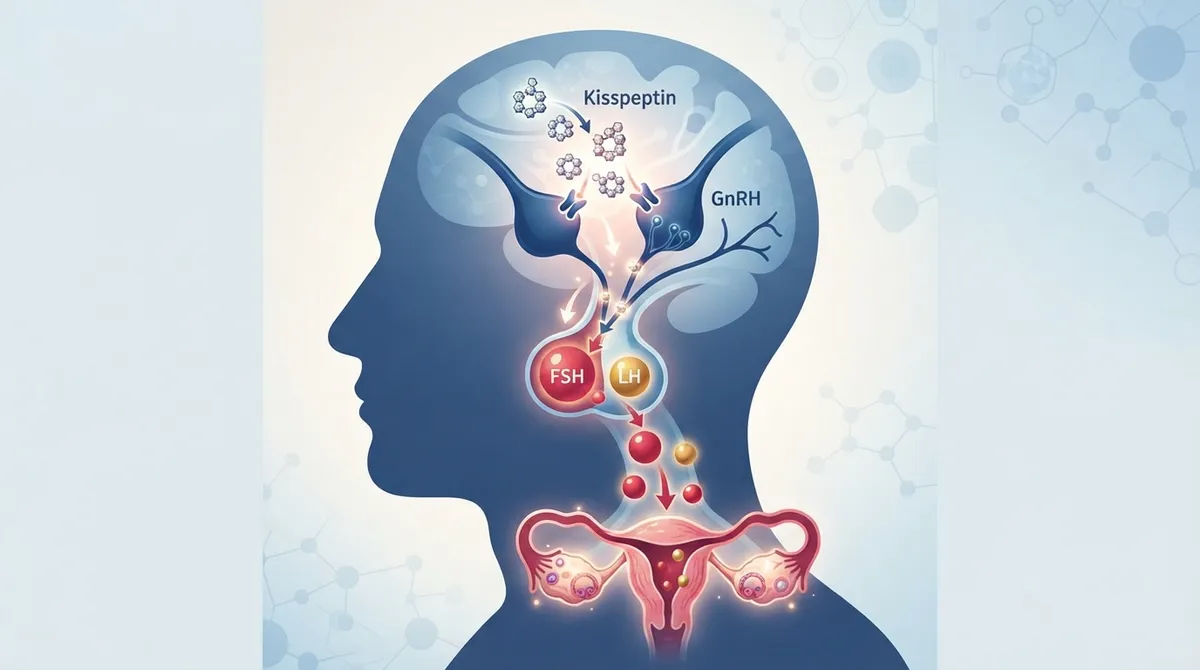
Kisspeptin is a natural hormone made in the brain. It comes from a small area called the hypothalamus. This hormone tells another part of your brain to release GnRH, a signal that leads to the release of two key fertility hormones: LH and FSH.
Researchers are studying kisspeptin as a possible treatment for certain fertility problems. Right now, most of this research focuses on:
- Hypothalamic amenorrhea, a condition where periods stop due to stress, low body weight, or too much exercise
- Ovulation triggers during in vitro fertilization (IVF) cycles
- Understanding how the brain controls reproductive hormones
It is important to know that kisspeptin is not an approved drug. It remains an investigational therapy, meaning it is only used in clinical trials right now, not in everyday medical practice.
What Is Clomiphene?
Clomiphene citrate is a well-known fertility medication. It has been used for many years and is approved by the U.S. Food and Drug Administration (FDA) for treating ovulation problems in women trying to get pregnant.
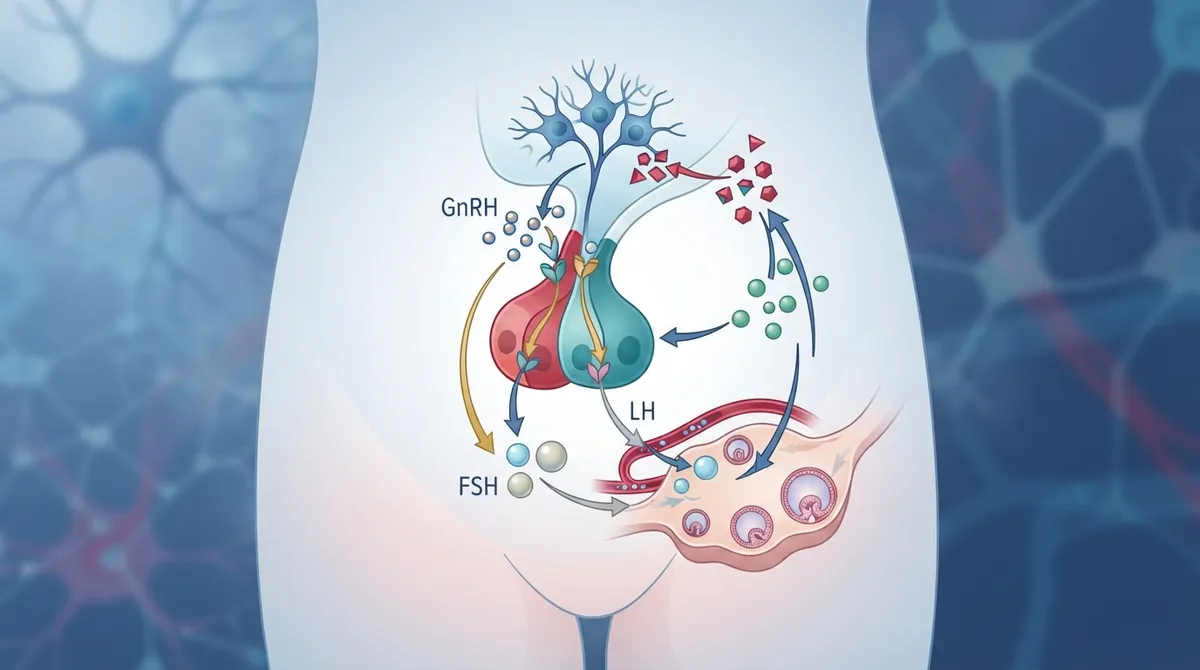
Clomiphene works differently than kisspeptin. It blocks estrogen signals in the brain. This tricks your body into producing more GnRH, which then raises LH and FSH levels. The result is often improved ovulation.
How Clomiphene Is Used
- A doctor evaluates your cycle history and confirms ovulation issues
- You take clomiphene pills for a set number of days each cycle
- Your doctor may track ovulation through bloodwork or ultrasound
- Treatment continues for several cycles if needed, based on physician guidance
Clomiphene is typically more affordable and easier to access than experimental peptide therapies. It comes in pill form, which many patients find more convenient than injections.
Kisspeptin vs Clomiphene: Key Differences
These two options are not interchangeable. Here is a side-by-side look at how they compare.
|
Factor |
Kisspeptin |
Clomiphene |
|---|---|---|
|
FDA Approval |
Not approved; investigational only |
Approved for ovulatory dysfunction |
|
Form |
Injection or infusion (research settings) |
Oral pill |
|
Mechanism |
Stimulates GnRH release directly |
Blocks estrogen feedback to boost GnRH |
|
Main Research Use |
Hypothalamic amenorrhea, IVF triggers |
Ovulation induction in general infertility care |
|
Access |
Limited to clinical trials |
Widely available by prescription |
|
Cost |
Not commercially priced |
Generally low-cost |
What the Research Actually Shows
There is no strong evidence proving kisspeptin works better than clomiphene. Most kisspeptin studies are small and short. They often look at specific groups, like women with hypothalamic amenorrhea or patients going through IVF.
A 2022 review of human trials found no serious side effects linked to kisspeptin use. However, these studies used different doses and forms of the hormone, which makes it hard to draw firm conclusions. A more recent 2025 review confirmed that therapeutic protocols using kisspeptin for infertility still have not been established. It remains experimental.
Some interesting data has come from IVF research. In one randomized trial, kisspeptin was used as an ovulation trigger instead of hCG. The results showed:
- Zero cases of ovarian hyperstimulation syndrome (OHSS) in the kisspeptin group
- Three moderate-to-severe OHSS cases in the hCG group
- No major difference in fertilization or pregnancy rates between groups
This is promising, but it compares kisspeptin to hCG, not clomiphene. It does not prove kisspeptin is a substitute for standard ovulation induction therapy.
Pregnancy Rates in Kisspeptin Studies
A 2025 review of fertility clinic data found pregnancy rates between 23% and 37% in select kisspeptin trials. These numbers come from small, specialized research groups. They should not be seen as typical results for general patients seeking ovulation help through primary care.
Understanding Clomiphene Risks
Clomiphene is generally safe when supervised by a doctor, but it does carry risks. Patients should be aware of the following possible side effects:
- Hot flashes and mood changes
- Headaches and nausea
- Ovarian enlargement or cyst formation
- Increased chance of multiple pregnancies (twins or more)
- Visual disturbances, such as blurred vision or seeing spots
Visual symptoms are rare but serious. If you notice any changes in your eyesight while taking clomiphene, stop the medication and contact your doctor right away. Clomiphene should never be taken during pregnancy.
Is Letrozole a Better Option for PCOS?
Many fertility guidelines now favor letrozole over clomiphene as the first choice for women with polycystic ovary syndrome (PCOS) who struggle with ovulation. This depends on your specific health history and what your doctor recommends. It is a good example of why a personalized evaluation matters more than following trends.
Why Kisspeptin Safety Data Is Still Limited
Kisspeptin has been given to more than 150 research participants across various studies. This sounds like a lot, but it is small compared to the millions of patients who have used FDA-approved fertility drugs over the decades. More research is needed before kisspeptin can be considered safe for widespread use.
Short-term studies have not reported serious side effects tied to kisspeptin. But small sample sizes and short follow-up periods mean we still do not know about long-term safety or effectiveness.
The Role of Primary Care in Fertility Concerns
If you are having trouble with your cycle or think you may have an ovulation problem, your first stop should not be a peptide clinic advertising unproven treatments. It should be a conversation with a trusted primary care provider.
Here is what a thorough evaluation should include:
- A detailed review of your menstrual history and cycle patterns
- Pregnancy testing when appropriate
- Screening for thyroid and prolactin disorders
- Checking for signs of androgen excess or PCOS
- Discussion of weight, energy balance, and lifestyle factors
- Review of current medications and health conditions
Our providers, including Pramjeet Ahluwalia MD and Naveen Paddu MD, take this kind of whole-body approach at InCare. If your case needs specialized fertility care, a timely referral to a reproductive endocrinologist is usually the right next step.
When to Seek Referral
Suspected infertility generally calls for referral to a specialist, especially if:
- You have tried to conceive for 12 months without success (or 6 months if you are over 35)
- Your cycles are highly irregular or absent
- You have a known condition like PCOS or thyroid disease affecting fertility
- Initial primary care testing shows abnormal hormone levels
Our team at InCare can help you get lab work started, review your history, and coordinate that next step in your care journey. Learn more about our primary care services or explore our DNA gene testing options for a deeper look into your health patterns.
Common Questions Patients Ask
Many patients want quick answers before committing to any fertility approach. Below are a few important points worth repeating.
- Kisspeptin is not FDA approved for infertility or ovulation induction
- Clomiphene is FDA approved and has a long safety record when properly monitored
- There is no solid evidence kisspeptin outperforms clomiphene for typical ovulation problems
- Kisspeptin may lower OHSS risk in IVF trigger protocols, but this is a narrow, specific use
- Primary care evaluation should come before starting any fertility treatment
Why Choose InCare for Your Wellness Journey
Fertility and hormone health can feel overwhelming, especially with so much information online. At InCare, we combine modern technology with real medical expertise to give you answers you can trust. Our providers take time to understand your full health picture, not just one symptom.
Whether you need help with hormone testing, weight management, or a full wellness check, our Tampa and Riverview locations are ready to support you. We also offer services like IV hydration and vitamin drips and body composition analysis to help you feel your best while working toward your health goals.
Patients across the Tampa Bay area trust us for honest, evidence-based care. You can read real patient experiences and visit us on Google — InCare to see what others are saying about their visits. We also share health tips and updates on Facebook, Instagram, and TikTok.
Final Thoughts on Kisspeptin vs Clomiphene
Kisspeptin and clomiphene work through different paths in your body, and they are not equal treatment options today. Clomiphene remains the trusted, approved choice for many patients with ovulation issues. Kisspeptin is exciting research, but it is not ready for routine use outside of clinical trials.
The best step you can take is getting a proper evaluation from a provider who understands the full picture of your hormone health. Our team is ready to answer your questions and guide you toward safe, effective care. Reach out to our care team today or book your appointment now to start your path toward better reproductive health.
FAQs
Q: What is the difference between kisspeptin and clomiphene?
A: Kisspeptin is a natural brain hormone still being studied as an experimental fertility treatment, while clomiphene is an FDA-approved oral medication used for years to treat ovulation problems. They work through different pathways in the reproductive hormone system, and only clomiphene is currently approved for routine clinical use.
Q: Is kisspeptin FDA approved for infertility or ovulation induction?
A: No, kisspeptin is not FDA approved for infertility or ovulation treatment. It remains an investigational therapy studied mainly in small clinical trials for conditions like hypothalamic amenorrhea and IVF ovulation triggers.
Q: Is kisspeptin more effective than clomiphene for getting pregnant?
A: There is currently no strong evidence showing kisspeptin is more effective than clomiphene for typical ovulation induction. Most kisspeptin research involves small, specialized studies rather than direct comparisons with clomiphene in general fertility patients.
Q: What are the side effects and risks of clomiphene?
A: Common clomiphene side effects include hot flashes, headaches, nausea, and mood changes. More serious risks include ovarian enlargement, multiple pregnancies, and rare visual disturbances that require immediate medical attention.
Q: Does kisspeptin reduce the risk of ovarian hyperstimulation syndrome?
A: Some IVF research suggests kisspeptin may lower OHSS risk when used as an ovulation trigger compared to hCG. However, this evidence relates to kisspeptin versus hCG in IVF settings, not a comparison with clomiphene for standard ovulation induction.