Key Takeaways
- A single low testosterone result is not enough for diagnosis; the Endocrine Society notes about 30% of men with an initially low result may have normal levels on repeat, so a second morning test is essential.
- Testosterone is usually highest in the morning, so schedule your blood draw early (ideally before 10 a.m.) and avoid testing during illness or after a poor night's sleep.
- Routine testosterone screening is not recommended for all men; testing is advised for people with symptoms such as ongoing fatigue, reduced sex drive, muscle loss, or low mood.
- Many conditions mimic low testosterone, including thyroid problems, sleep apnea, depression, diabetes, and certain medications, so ask your clinician to rule these out.
- Tell your clinician about all medications and supplements before testing, since opioids, steroids, and other drugs can change hormone levels and skew results.
- A stand-alone lab can draw blood but cannot interpret results for you; a primary care clinician who reviews your history, orders follow-up tests like LH and FSH, and guides next steps offers more reliable care.
Low energy, a flat mood, poor sleep, and a drop in sex drive can all slow a person down. Many men in the Tampa Bay area wonder whether low testosterone is the cause. The only way to find out is a proper blood test, read by a clinician who understands the full picture. If you are searching for testosterone lab testing in Riverview, this guide explains how the process works, what the numbers mean, and what should happen after you get your results.
A single lab value does not diagnose anything on its own. Good care starts with your symptoms, your health history, and the right timing for the blood draw. It also includes a second test to confirm any low result. In 2026, patients have more options than ever, from in-person visits to virtual follow-ups. This article covers each step in plain language so you can feel prepared and confident.
What Testosterone Lab Testing Actually Measures
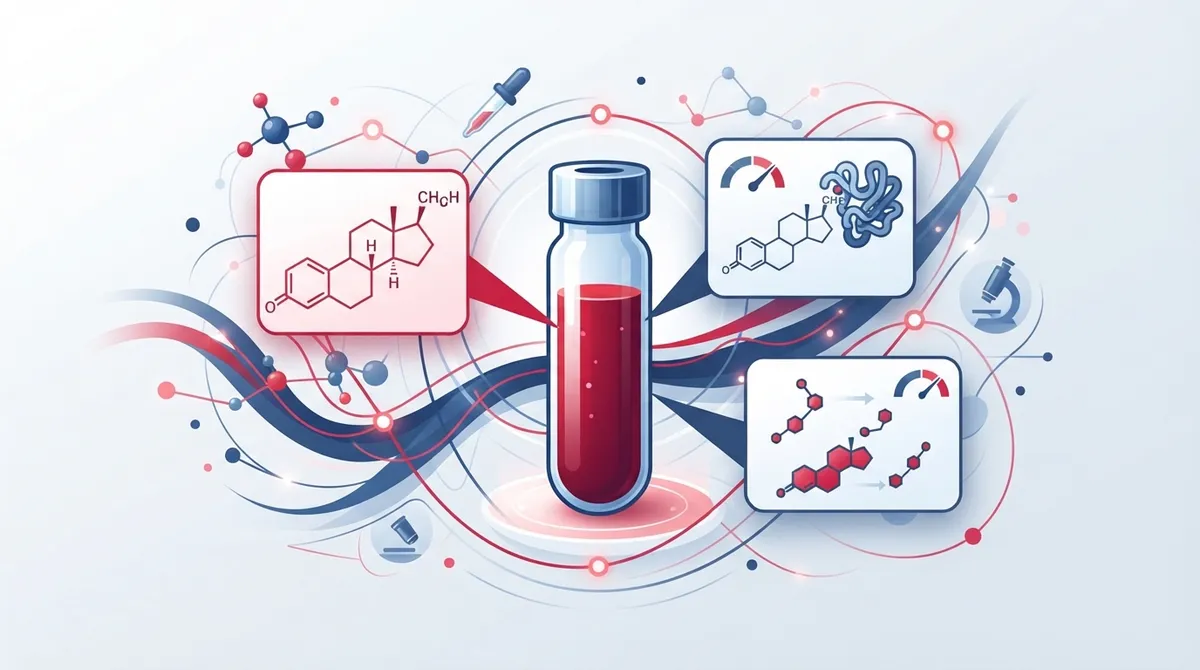
A testosterone test is a simple blood draw. The lab measures how much of the hormone is circulating in your blood. Most clinicians start with total testosterone, which counts all the testosterone in your bloodstream.
Sometimes the total number does not tell the whole story. In those cases, your clinician may add other tests:
- Free testosterone: the portion not bound to proteins and available for your body to use.
- SHBG (sex hormone-binding globulin): a protein that binds testosterone and can change how your result should be read.
- LH and FSH: pituitary hormones that help show whether a problem starts in the testicles or in the brain.
These extra tests are not always needed. Your clinician will choose them based on your symptoms and your first result.
Who Should Consider Testosterone Testing?
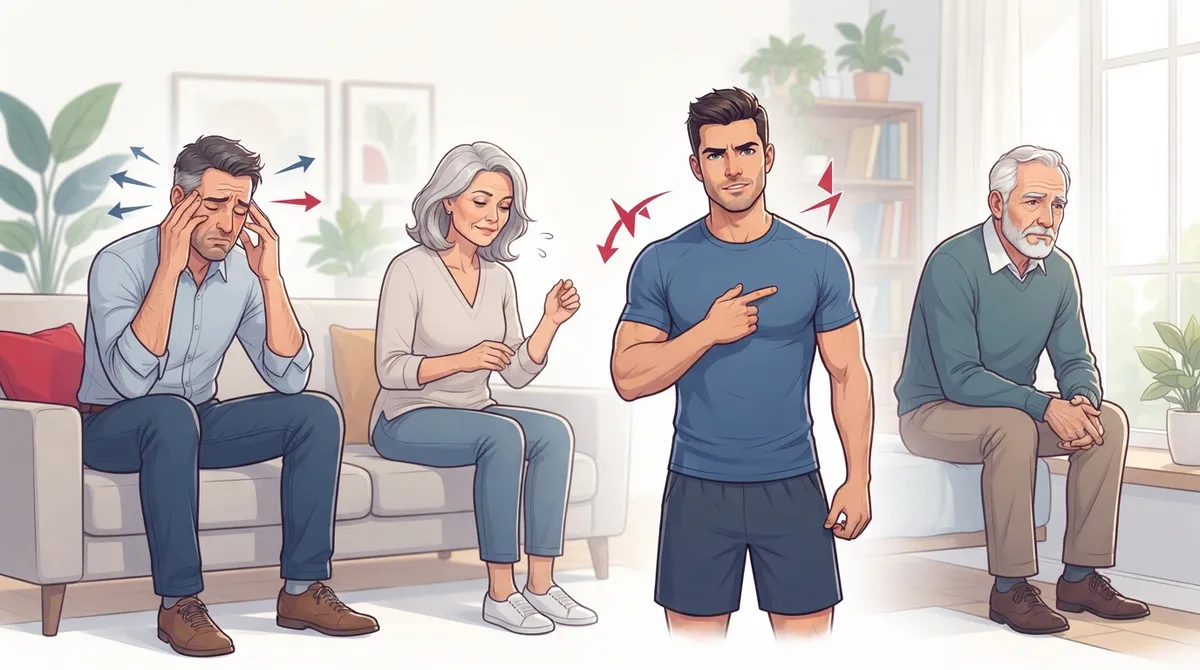
Experts do not recommend testing every man. The Endocrine Society advises testing people who have symptoms or signs that fit low testosterone. It does not recommend routine screening of the general male population.
Symptoms that may lead a clinician to order a test include:
- Ongoing fatigue that does not improve with rest
- Reduced sex drive or erectile changes
- Loss of muscle mass or strength
- Increased body fat, especially around the waist
- Low mood, irritability, or poor focus
- Hot flashes or reduced body hair
- Trouble sleeping
These symptoms are common and have many causes. Thyroid problems, sleep apnea, depression, diabetes, and some medications can all look like low testosterone. That is why a visit with a primary care doctor matters. If libido is your main concern, our guide on when to see a doctor for low libido covers the key warning signs. Poor rest is another frequent clue, and you can learn how to know when to see a doctor for poor sleep.
Why Timing and Preparation Matter
Testosterone levels rise and fall through the day. They are usually highest in the morning. Because of this, clinical guidelines prefer a morning blood draw. A sample taken late in the day can read lower and lead to a false alarm.
Other factors can also change your result:
- Acute illness: being sick can temporarily lower testosterone, so testing during a cold or infection may mislead.
- Poor sleep: a rough night can shift your numbers.
- Certain medications: opioids, steroids, and some other drugs can affect hormone levels.
- Fasting: some clinicians ask for it, others do not. Follow the instructions you are given.
Tell your clinician about every medication and supplement you take before the test. This helps them read your result accurately.
Step-by-Step: How the Testing Process Works
The path from symptoms to answers is simple when you follow it in order.
- Start with a clinical visit. Your clinician reviews your symptoms, medical history, medications, and lifestyle.
- Get a morning blood draw. Schedule your test early in the day, ideally before 10 a.m., and avoid testing when you are sick.
- Review your first result. Your clinician compares it to the lab's reference range and to your symptoms.
- Confirm any low value. A low result should be repeated on a second morning sample before anyone draws a conclusion.
- Look for the cause. If low levels are confirmed, LH, FSH, and other tests help find the source.
- Build a plan. Treatment, if needed, is chosen together with you, with follow-up monitoring.
Why a Second Test Is So Important
It may feel frustrating to repeat a blood test. It is actually one of the most important safeguards in good care. The Endocrine Society guideline reports that about 30% of men with an initially low testosterone result may have a normal level when the test is repeated. A single reading can be thrown off by timing, illness, or normal daily variation.
Repeating the test protects you from being labeled with a condition you may not have. It also protects you from starting treatment you do not need.
Understanding Your Results
Every lab uses its own reference range, and ranges differ between testing methods. Your clinician should interpret your number using the exact range printed on your report. The table below shows how a result is generally approached.
|
Result Pattern |
What It May Suggest |
Typical Next Step |
|---|---|---|
|
Normal total testosterone, symptoms present |
Another cause is likely |
Look at thyroid, sleep, mood, diabetes, and medications |
|
Low total testosterone, one sample |
Needs confirmation |
Repeat a morning blood draw |
|
Borderline total testosterone |
Binding proteins may affect the number |
Add free testosterone or SHBG |
|
Low on repeat testing, with symptoms |
Possible testosterone deficiency |
Order LH and FSH, review causes, discuss options |
A low lab value alone does not establish hypogonadism, the medical term for testosterone deficiency. A diagnosis generally requires compatible symptoms or signs and consistently low results, read in clinical context.
What Happens If Your Level Is Low?
If low testosterone is confirmed, the next goal is to find out why. LH and FSH can help separate a testicular cause from a pituitary or hypothalamic cause. Your clinician may also check for sleep apnea, obesity, diabetes, medication effects, and other conditions that can lower testosterone.
Often, treating the root cause helps. Weight loss, better sleep, and managing chronic illness can all improve hormone levels. Our article on 14 ways a primary care doctor aids weight loss explains how this support works. If sleep apnea is a concern, read about choosing a sleep apnea doctor in Riverview.
Testosterone treatment is not right for everyone. Fertility plans, possible contraindications, and the need for regular monitoring must all be discussed first. A test result should never be used alone to start therapy. If you want to understand what supervised treatment looks like, see who provides medically supervised TRT in Tampa Bay and what to look for in a TRT clinic in Riverview.
Finding the Right Place for Testing in Riverview
The name Riverview can refer to more than one place, so confirm you are looking at Riverview, Florida. Several urgent care and lab options exist in the area, including listings along Boyette Road. Before you go anywhere, ask these questions:
- Do I need a clinician's order for a testosterone test?
- What hours are available for a morning blood draw?
- Who will interpret my result and explain next steps?
- Can I get a repeat test and follow-up in the same place?
- Are LH, FSH, free testosterone, and SHBG available if needed?
A stand-alone lab can draw your blood, but it cannot tell you what the number means for you. That is the real advantage of choosing a primary care practice. At InCare, your testing, review, and follow-up happen under one roof with a clinician who knows your history. Our team can also use primary care lab work in Tampa and Riverview to look at the wider picture, from thyroid and blood sugar to vitamin levels.
Why Primary Care Is the Smart Starting Point
A primary care clinician looks at your whole health, not just one hormone. This approach matters for several reasons:
- Better accuracy: your doctor reviews medications and health conditions that can skew results.
- Correct timing: your team schedules the draw for the right time of day.
- Confirmation built in: a repeat test is part of the plan, not an afterthought.
- Safe referrals: if you need an endocrinologist or urologist, your doctor can guide you.
- Continuity: the same team follows you over time and watches for changes.
If you are still choosing a doctor, our guides on finding the best primary care doctor in Riverview and finding a family doctor accepting new patients in Riverview can help you compare options. You can also learn how to choose a men's hormone clinic in Riverview.
How to Prepare for Your Appointment
A little preparation makes your visit more useful. Before you go, try these steps:
- Write down your symptoms and when they started.
- List all medications, supplements, and past surgeries.
- Note your sleep habits, stress level, and recent weight changes.
- Ask whether you should fast and what time to arrive.
- Avoid scheduling the test during an illness.
Bring your questions too. Ask what your result means, whether a repeat test is needed, and what lifestyle steps could help. A good clinician will explain each answer in plain terms.
Common Myths About Testosterone Testing
Several misunderstandings can lead people astray. Here are a few to avoid:
- Myth: Every tired man has low testosterone. Fact: Many other conditions cause fatigue.
- Myth: One low number confirms a diagnosis. Fact: A repeat morning test is needed first.
- Myth: A normal range means you feel normal. Fact: Symptoms and results must be read together.
- Myth: Testing means you must start treatment. Fact: Many people need only lifestyle changes or treatment of another condition.
Take the Next Step With InCare
Testosterone lab testing in Riverview works best when it is part of thoughtful, whole-person care. The right test, taken at the right time, and read by a clinician who knows you, gives you real answers instead of guesses. Whether your goal is more energy, better sleep, or simply clarity about your health, a primary care visit is the right place to begin.
InCare offers personalized primary care and advanced wellness services in Riverview and Tampa, with a focus on prevention and whole-body optimization. You can see what patients say when you visit us on Google — InCare, and you can follow our updates on Instagram, Facebook, and TikTok. Ready to get started? Book Your Appointment Now or contact our team with any questions.
FAQs
Q: Where can I get a testosterone blood test in Riverview, Florida?
A: You can get testosterone lab testing through a primary care practice such as InCare, or through urgent care and lab facilities in the Riverview area. Confirm the location, hours, and whether a clinician's order is required before you go.
Q: What time of day should I have my testosterone blood test?
A: Morning is best, because testosterone levels are usually highest early in the day. Avoid testing during an acute illness, and follow any fasting instructions your clinician gives you.
Q: Why might I need a second testosterone test after a low result?
A: Testosterone varies by time of day, illness, and other factors. The Endocrine Society guideline notes that about 30% of men with an initially low result may have a normal result on repeat testing, so confirmation is essential.
Q: Does a low testosterone result mean I should start testosterone therapy?
A: No. A low result must be confirmed and read alongside your symptoms and health history. Treatment decisions should involve a qualified clinician who reviews fertility plans, possible contraindications, and follow-up monitoring.
Q: What is the difference between total and free testosterone testing?
A: Total testosterone measures all the hormone in your blood, while free testosterone measures the portion not bound to proteins. A clinician may add free testosterone or SHBG when the total result is borderline.