Key Takeaways
- Downtown Tampa walk-in urgent care is listed at 303 W Palm Ave (The Heights) and 564 Channelside Drive (near Water Street), with published hours of 8 a.m. to 8 p.m. Confirm before you go.
- Walk-in urgent care suits sudden, non-life-threatening problems like fever, sore throat, sprains, and minor fractures, plus rapid flu, COVID-19, RSV, strep, and mono tests.
- Primary care handles long-term needs such as chronic conditions, preventive screenings, vaccines, and medication refills, and it tracks trends before they become emergencies.
- Urgent care is a bridge, not a replacement: ask the clinic to send visit notes to your primary care clinician so recurring issues get addressed at the root.
- Call 911 or go to the ER for severe chest pain, major trouble breathing, stroke signs, severe bleeding, or loss of consciousness rather than urgent care.
- Bring a photo ID, insurance card, medication list, allergy information, and a timeline of symptoms, and verify insurance coverage before arriving.
A sore throat hits on a Tuesday afternoon. A child twists an ankle at the park. A fever will not break, and your regular doctor is booked for two weeks. In moments like these, many people search for walk in urgent care downtown Tampa and head to the nearest open door. That choice can solve the problem fast. But it is only part of the picture.
Downtown Tampa offers walk-in urgent care options for illnesses and minor injuries. It also has primary care clinics that can manage your health over time. Knowing when to use each one saves time, money, and stress. This guide compares the two so you can decide with confidence.
You will learn what walk-in urgent care treats, where downtown Tampa locations are listed, how primary care differs, and when the emergency room is the right call. You will also see how InCare blends urgent care and primary care under one roof for Tampa and Riverview patients.
What Walk-In Urgent Care Means in Downtown Tampa
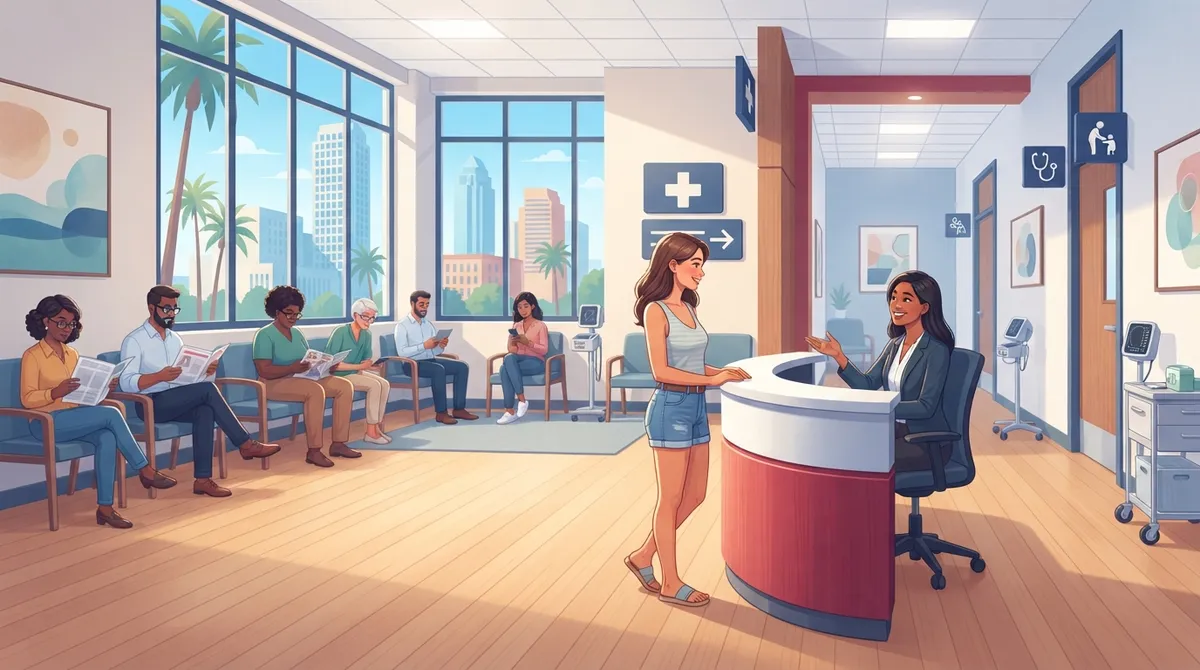
Walk-in urgent care is built for problems that need attention soon but are not life-threatening. You do not need a long-standing relationship with the clinic. You arrive, check in, and a clinician evaluates you.
For anyone searching for walk in urgent care downtown Tampa, local listings point to two clinics run as TGH Urgent Care powered by Fast Track. They are at 303 W Palm Ave in The Heights and 564 Channelside Drive near Water Street. Both sit in the 33602 ZIP code area.
Published information lists daily hours of 8 a.m. to 8 p.m. One provider page says the clinics operate 363 days a year. Hours and holiday schedules can change, so call or check the clinic's website before you go. The Channelside page also describes an online "Save My Spot" option. That tool may help with planning your arrival, but it does not guarantee a specific wait time.
Common Conditions Urgent Care Can Treat
Urgent care clinics usually handle a wide range of everyday problems. These include:
- Cold and flu symptoms
- Sore throat and strep concerns
- Ear and eye problems
- Rashes and skin irritation
- Sprains and minor fractures
- Minor burns and cuts
Listed diagnostic services include X-rays, lab draws, and rapid tests for flu, COVID-19, RSV, strep, and mono. Exact services can vary by location and by the clinician's assessment. Confirm what is available before you travel.
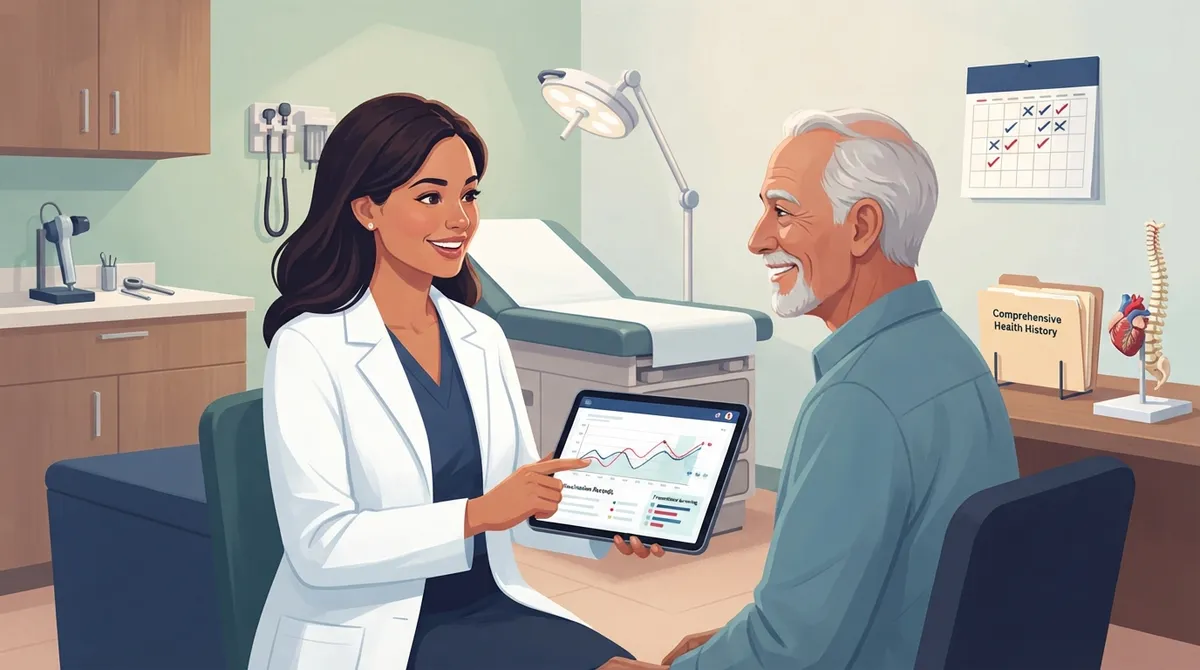
What Primary Care Offers That Urgent Care Does Not
Urgent care answers the question, "What is wrong right now?" Primary care answers a bigger one: "How do we keep you healthy over the long run?"
A primary care clinician learns your history, your family risks, and your goals. That context changes how problems are diagnosed and treated. It also means someone is watching trends, such as rising blood pressure or creeping blood sugar, before they turn into emergencies.
Primary care typically includes:
- Annual wellness visits and physical exams
- Chronic condition management, such as diabetes and hypertension
- Preventive screenings and vaccines
- Medication review and refills
- Referrals to specialists when needed
To see how this works in practice, read about how primary doctors help manage chronic illnesses or learn what comprehensive primary care is and why it matters.
Walk-In Urgent Care vs. Primary Care: Side-by-Side Comparison
The table below summarizes the key differences. Use it as a quick reference the next time you are unsure where to go.
|
Factor |
Walk-In Urgent Care |
Primary Care |
|---|---|---|
|
Best for |
Sudden, non-emergency illness or injury |
Ongoing health, prevention, chronic conditions |
|
Appointment |
Walk-ins accepted; online check-in may be offered |
Usually scheduled; some clinics offer same-day slots |
|
Relationship |
Episodic, one visit at a time |
Continuous, with a clinician who knows you |
|
Follow-up |
Often limited; you may be told to see your doctor |
Built into the care plan |
|
Preventive care |
Generally not the focus |
Core service |
|
Typical visit goal |
Treat the immediate problem |
Treat the problem and protect long-term health |
Neither option is better in every case. The right choice depends on what you need today and what you need over the next year.
When Walk-In Urgent Care Is the Right Choice
Walk-in urgent care shines when timing matters and the problem is not severe. Consider it when:
- Your symptoms started suddenly, such as a fever, earache, or sore throat.
- You hurt a wrist, ankle, or finger and suspect a sprain or minor fracture.
- You need a rapid flu, COVID-19, or strep test.
- Your primary care office is closed or has no openings.
- You are traveling or working downtown and need care nearby.
Busy professionals and young families in the downtown area often value this speed. A lunch-hour visit can mean the difference between missing a day of work and getting back on track.
If you want a deeper look, see what urgent care services can actually treat and 7 urgent care mistakes that could cost you your health.
When Primary Care Is the Smarter Move
Primary care is the better fit when the issue is ongoing, recurring, or tied to prevention. Choose it when:
- You manage a condition like high blood pressure, diabetes, or asthma.
- You want cancer screenings, vaccines, or a yearly physical.
- You need a medication adjusted or refilled.
- You want help with weight loss or metabolic health.
- You are looking for guidance on nutrition, sleep, or stress.
Many adults in their 20s and 30s skip primary care because they feel healthy. That is a common gap. Establishing care while you are well makes it easier to get fast help when you are not. Learn more in do you need a PCP? and what happens during an annual wellness visit.
Why Urgent Care Is Not a Substitute for a Primary Care Relationship
Urgent care can bridge a gap when you cannot get an appointment. It should not replace ongoing care. A clinician you see once rarely has your full history. They may not know your medications, your family risks, or your past lab results.
That is why follow-up matters. If you visit urgent care for a recurring issue, such as repeated sinus infections or frequent headaches, bring it up with a primary care clinician. Patterns point to root causes, and root causes need continuity to solve.
The concern with fragmented care is real. Different clinics, different records, and no one coordinating the whole picture can lead to repeated tests and missed details. For more on this, read fragmented care vs. coordinated care: which wins?
When to Skip Both and Go to the Emergency Room
Some symptoms are too serious for either urgent care or a routine clinic. Call 911 or go to an emergency department for:
- Severe chest pain or pressure
- Major difficulty breathing
- Signs of stroke, such as face drooping, arm weakness, or slurred speech
- Severe or uncontrolled bleeding
- Loss of consciousness
When in doubt, treat the situation as an emergency. Do not drive yourself if you are experiencing symptoms that could be life-threatening.
How to Prepare for a Walk-In Urgent Care Visit
A little preparation makes any visit smoother. Before you go:
- Confirm the clinic's current hours and location by phone or website.
- Check whether your insurance is accepted and what your copay may be.
- Bring a photo ID and your insurance card.
- Write down your symptoms, when they started, and anything that makes them better or worse.
- List your current medications and any allergies.
- Ask the clinic to send visit notes to your primary care clinician.
That last step is often overlooked. Sharing your visit summary keeps your records connected and helps your regular doctor spot patterns.
The InCare Approach: Urgent Care and Primary Care Together
For many patients, the best answer is not choosing between the two. It is finding a clinic that offers both. InCare is a personalized healthcare clinic that combines state-of-the-art technology with medical expertise. The practice provides urgent care for common illnesses and injuries, along with full primary care for prevention and long-term health.
InCare has locations in Tampa and Riverview, plus virtual visits for added convenience. The Tampa clinic is at 1213 N Franklin St, Tampa, FL 33602. This keeps care close for downtown residents and workers. You can review all InCare locations before you visit.
Because urgent and primary care happen in the same practice, your history stays in one place. A sick visit can lead naturally to a wellness plan. A routine checkup can lead to quick same-day help when something comes up. Patients also have access to services that support whole-body health, such as cancer screening, medical weight loss, DNA gene testing, and IV hydration.
Patients often mention the friendly team and attentive providers. You can read InCare reviews on Google to hear what Tampa and Riverview patients say about their visits. You can also meet the care team on the providers page.
Tips for Different Types of Patients
Busy Young Families
Children get sick on their own schedule. Keep your pediatric records handy and note any known allergies. After an urgent visit, schedule a follow-up with your family clinician. Learn what to expect in pediatric family medicine.
Tech-Savvy Professionals
If you value speed and convenience, look for clinics with online scheduling and virtual options. Use online check-in tools where offered, and ask whether a telehealth visit could handle your concern without leaving your desk.
Wellness-Focused Adults
If you want to optimize your health instead of just reacting to problems, build a relationship with a primary care team. Preventive screenings, metabolic testing, and personalized plans work best when one clinician follows your progress over time.
A Simple Decision Guide
Ask yourself three quick questions:
- Is this life-threatening? If yes, call 911 or go to the ER.
- Do I need care today for a new, non-severe problem? If yes, walk-in urgent care is a strong option.
- Is this ongoing, recurring, or about prevention? If yes, primary care is the better fit.
If the answer lands between two options, pick the clinic that can offer both. That way you get fast help now and a plan for later.
Conclusion: Use Urgent Care for Today, Primary Care for Tomorrow
Walk-in urgent care downtown Tampa gives you a fast way to get checked for a sudden illness or minor injury. It is a useful tool, especially when your regular doctor cannot see you. But it works best as a bridge, not a destination.
Lasting health comes from continuity: a team that knows your history, tracks your numbers, and acts early. When you combine quick access with long-term care, you get the best of both approaches.
Ready to take the next step? Book your InCare appointment now or contact our team with questions. You can also follow InCare on Instagram, Facebook, and TikTok for health tips and clinic updates.
FAQs
Q: Where can I find walk-in urgent care in downtown Tampa?
A: Local listings show two TGH Urgent Care powered by Fast Track clinics at 303 W Palm Ave in The Heights and 564 Channelside Drive near Water Street. InCare also offers urgent care and primary care at 1213 N Franklin St in Tampa. Confirm hours and services before you travel.
Q: Do downtown Tampa urgent care clinics require an appointment?
A: Walk-ins are generally accepted, and some clinics offer an online check-in option to help plan your arrival. Online check-in does not guarantee a specific wait time. Call ahead to verify current policies and availability.
Q: How is urgent care different from primary care?
A: Urgent care treats sudden, non-emergency problems such as flu symptoms, sprains, or minor cuts. Primary care focuses on long-term health, including prevention, screenings, and chronic condition management. Urgent care complements primary care but does not replace it.
Q: When should I go to the emergency room instead of urgent care?
A: Go to the emergency room or call 911 for symptoms that may be life-threatening. These include severe chest pain, major trouble breathing, signs of stroke, or severe bleeding. Urgent care is not equipped for these emergencies.
Q: What should I bring to a walk-in urgent care visit?
A: Bring a photo ID, your insurance card, a list of current medications, and a note of your allergies and symptoms. It also helps to verify insurance coverage in advance. Ask the clinic to share visit notes with your primary care clinician.