Key Takeaways
- Hybrid primary and urgent care clinics under one roof offer both same-day access and continuity of care with your full medical history, avoiding the fragmentation problem of standalone urgent care centers.
- 83% of U.S. counties face primary care shortages, forcing patients into urgent care by default; choosing a clinic with both immediate and long-term services helps combat care fragmentation and reduces costs from duplicated testing.
- Direct Primary Care memberships now cost $150/month for individuals under 2026 federal caps, often costing less than a single urgent care visit and providing urgent, chronic, and preventive care with high continuity.
- Telemedicine resolves common health concerns in under 90 seconds for infections, rashes, and refills without waiting room exposure or time off work, making it the fastest option for non-emergency issues in 2026.
- Advanced preventive services like DNA gene testing, metabolic breath analysis, and cancer screenings cost less and deliver better outcomes than reactive urgent care, yet are often skipped when choosing clinics based solely on proximity.
- Always verify board certification, check for integrated electronic health records, evaluate telemedicine availability, and review patient ratings before selecting a clinic to ensure quality care beyond acute symptom treatment.
When you are sick or injured, the instinct is simple: search for urgent care near me and walk into the first place that appears. It feels practical. It feels fast. But this approach can lead to serious gaps in your healthcare — and sometimes, it can make your situation worse. Choosing the wrong type of care, at the wrong time, from the wrong provider, has real consequences for your long-term health and your wallet.
In 2026, patients have more options than ever before. Hybrid primary and urgent care clinics, telemedicine platforms, and direct primary care memberships have completely changed the landscape. Understanding these options — and avoiding the common mistakes patients make — is the key to getting the best care possible. This guide walks you through the seven most costly urgent care mistakes and how to avoid every single one of them.

Mistake 1: Choosing Urgent Care Over Your Primary Care Provider
The biggest mistake patients make is treating urgent care as a replacement for a primary care doctor. Urgent care centers are designed for isolated, immediate problems. They rarely have your health history, your medication list, or a record of your previous diagnoses. This means every visit starts from zero.
A primary care provider who knows you can spot patterns that an urgent care visit simply cannot. Recurring infections, rising blood pressure, or subtle changes in your symptoms all require continuity of care to catch early. Without that continuity, small problems can quietly become big ones.

Mistake 2: Ignoring Hybrid Care Models That Offer Both
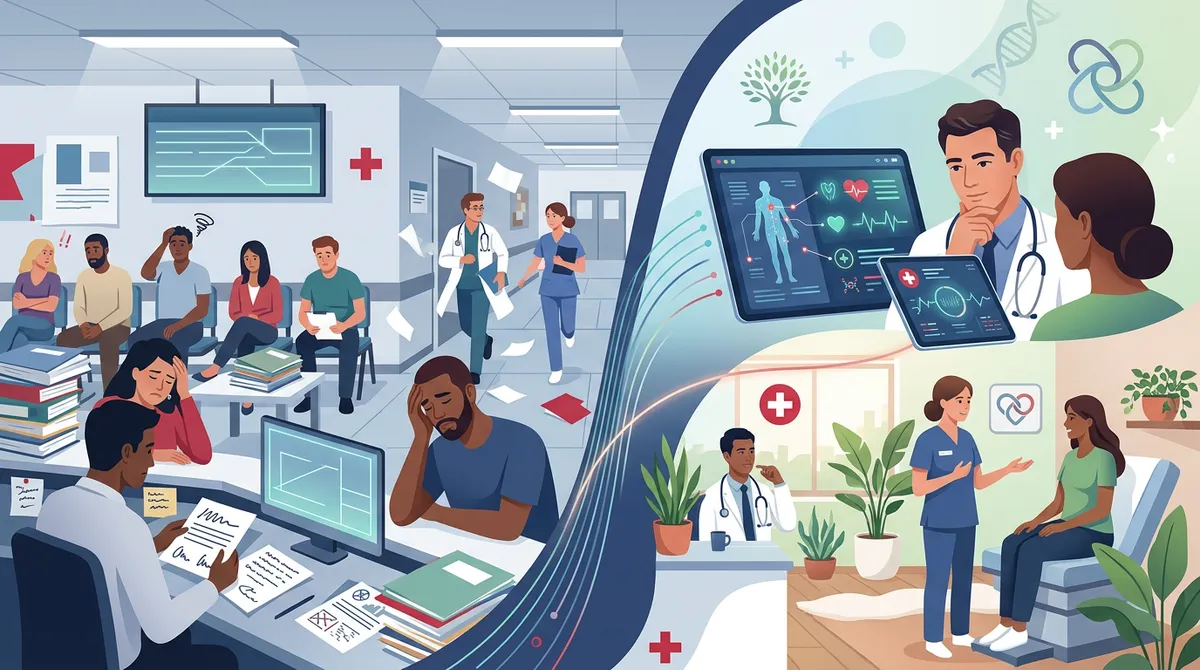
Most patients do not realize that hybrid models now exist. These clinics place primary care and immediate urgent care services under one roof. According to research published by the American Academy of Family Physicians, hybrid models improve access to on-site diagnostics like X-rays, offer seven-day availability, and maintain continuity through shared electronic health records.
This means you do not have to choose between speed and quality. You can walk in for same-day care and still benefit from a provider who knows your full medical history. If you are looking for urgent care near me in Tampa or Riverview, a hybrid clinic is almost always the smarter choice.
Care ModelSpeed of AccessHealth History AccessOn-Site DiagnosticsContinuity of CareStandalone Urgent CareHighNoneLimitedNoneTraditional Primary CareLowFullVariesHighHybrid Primary + Urgent CareHighFullComprehensiveHighDirect Primary Care (DPC)HighFullIncludedVery High

Mistake 3: Overlooking Telemedicine for Non-Emergency Concerns
Many patients still drive to a physical clinic for issues that could be resolved in minutes online. This wastes time, exposes you to other illnesses in waiting rooms, and adds unnecessary stress to your day. In 2026, telemedicine is no longer a backup option — it is a frontline tool.
Digital-first primary and urgent care models have made remarkable strides. Some organizations now handle common health concerns in as little as 89 seconds, with net promoter scores of 80, which rivals the best consumer brands in any industry. For a busy parent, a working millennial, or anyone managing a packed schedule, a virtual visit is often the fastest and safest path to care.
- Virtual visits are available for infections, rashes, minor injuries, and prescription refills
- No commute, no waiting room, no time off work
- Results and follow-up care are documented in your electronic health record
- Telemedicine reduces exposure to contagious illnesses in shared waiting areas
- Many plans now cover virtual visits at the same rate as in-person care

Mistake 4: Not Knowing the 83% Statistic
Here is a number that should alarm every patient: 83% of U.S. counties currently face a primary care provider shortage, according to the Health Resources & Services Administration. This shortage is one of the main reasons so many people default to standalone urgent care centers — not because they prefer them, but because they cannot find a regular doctor.
This shortage drives care fragmentation. Patients bounce between urgent care centers, emergency rooms, and specialists without any central provider managing the full picture. The result is duplicated testing, missed diagnoses, and higher overall costs. Understanding this problem is the first step toward solving it by choosing a clinic that offers both immediate access and long-term care.
How the Primary Care Shortage Affects You Directly
- Longer wait times for routine appointments push patients to urgent care
- No single provider tracks your full health history over time
- Preventive screenings like cancer screenings get delayed or skipped entirely
- Chronic conditions go unmanaged between episodes of acute illness
- Patients pay more out of pocket due to repeated diagnostic testing
Mistake 5: Skipping Preventive and Wellness Services
Urgent care by definition is reactive. You go when something is already wrong. This reactive mindset is one of the most expensive healthcare mistakes a patient can make. Prevention consistently costs less and delivers better outcomes than treatment after the fact.
Advanced wellness services like DNA gene testing, metabolic breath analysis, and body composition analysis give you a detailed picture of your health before symptoms appear. These tools allow your care team to intervene early, personalize your treatment plan, and help you avoid the urgent care visit altogether. If your clinic does not offer these services, you are leaving a significant part of your healthcare on the table.
Preventive ServiceWhat It Detects EarlyWhy It MattersDNA Gene TestingGenetic predispositions to diseaseEnables proactive lifestyle changesMetabolic Breath AnalysisMetabolic inefficienciesGuides personalized nutrition and energy plansBody Composition AnalysisFat, muscle, and metabolic ratiosTracks progress and reduces chronic disease riskCancer ScreeningEarly-stage cancersDramatically improves survival rates
Mistake 6: Dismissing Direct Primary Care as Too Expensive
Many patients assume that premium, on-demand primary care is out of reach financially. This assumption is increasingly outdated. In 2026, new federal guidance under the One Big Beautiful Act has set Direct Primary Care (DPC) membership price caps at $150 per month for individuals and $300 per month for families. These memberships typically include urgent care visits, chronic condition management, and telemedicine access.
For context, the average deductible for employer-sponsored insurance has more than doubled over the past decade, according to the Kaiser Family Foundation. A DPC membership often costs less than a single urgent care visit under a high-deductible plan. If you are currently paying out-of-pocket for each individual urgent care trip, a membership model may save you significant money over the course of a year.
Payment ModelAverage Annual CostIncluded ServicesCare ContinuityPay-per-visit urgent care$500–$2,000+Acute issues onlyNoneHigh-deductible insurance plan$1,500–$7,000 deductibleVaries widelyLimitedDPC Membership (Individual)Up to $1,800/yearUrgent, chronic, and preventive careHighDPC Membership (Family)Up to $3,600/yearFull family coverageVery High
Mistake 7: Not Considering What Your Clinic Offers Beyond Acute Care
When patients search for urgent care near me, they often settle for the nearest option without asking what else that clinic offers. This is a missed opportunity. The best clinics in 2026 offer far more than treatment for a sore throat or a sprained ankle.
Look for clinics that provide personalized weight loss programs, IV hydration and vitamin drip therapy, and hair restoration treatments alongside traditional medical services. These integrated offerings allow you to address your immediate health concern while also investing in your long-term wellness — all in one location. That kind of whole-body approach is what separates a convenient clinic from a genuinely transformative healthcare experience.
Questions to Ask Before Choosing a Clinic
- Does the clinic offer both urgent and primary care under one roof?
- Will my health records be accessible for future visits?
- Are telemedicine appointments available for follow-up care?
- Does the clinic offer preventive and wellness services?
- What are the membership or pricing options for ongoing care?
- Are board-certified physicians on staff, not just physician assistants?
Why InCare Stands Apart in Tampa and Riverview
InCare is a primary care and wellness clinic with locations in Tampa and Riverview, Florida. It combines urgent care access with advanced wellness services, state-of-the-art diagnostics, and a patient-first philosophy. The clinic maintains a 4.8 out of 5 rating on Google with over 359 reviews, reflecting consistent, high-quality care. You can explore the team of board-certified physicians, including Dr. Naveen Paddu, Dr. Pramjeet Ahluwalia, and Dr. Teshy John, who bring deep expertise across primary care, wellness, and preventive medicine.
InCare's approach addresses every mistake covered in this article — from hybrid care models and telemedicine to advanced preventive services like peptide therapy and DNA gene testing. To see what patients are saying and visit InCare on Google for directions and reviews from the Tampa Bay community.
For families managing both immediate and long-term health needs, it is also worth knowing that a trusted dental partner, Dental Theory in Brandon, offers comprehensive dental care that complements the whole-body wellness approach at InCare. Maintaining oral health is a proven part of overall wellness and chronic disease prevention.
How to Choose the Right Urgent and Primary Care Clinic
- Verify board certification — Confirm that physicians are board-certified in family medicine, internal medicine, or a related specialty.
- Check for integrated services — Look for clinics that offer both immediate care and preventive wellness services in one location.
- Evaluate technology use — Clinics using electronic health records, telemedicine, and AI-supported diagnostics provide more accurate and efficient care.
- Review patient feedback — High ratings and detailed reviews from real patients are among the most reliable indicators of care quality.
- Understand the pricing model — Ask about membership options, direct primary care plans, and transparent pricing before your first visit.
You can also follow InCare's health education content on Facebook and Instagram for tips on navigating primary and urgent care in 2026. Their team regularly shares practical wellness advice tailored to Tampa Bay residents.
Red Flags to Avoid When Searching for Urgent Care Near Me
- No clear information about physician credentials on the clinic website
- No electronic health records or way to access your visit summary afterward
- Walk-in only with no option for scheduled or telemedicine appointments
- No preventive or wellness services beyond acute illness treatment
- Unusually low ratings or vague, infrequent patient reviews
- No clear follow-up process or referral pathway for complex conditions
For additional wellness content and short-form health education, InCare's team is also active on TikTok, where they break down complex health topics into quick, accessible videos for patients of all ages.
Conclusion
Searching for urgent care near me is often the starting point of a healthcare decision that will affect your long-term wellbeing. The mistakes outlined in this article — from skipping preventive care to ignoring hybrid clinic models — are all avoidable with the right information. The best approach in 2026 is to find a clinic that meets your immediate needs without sacrificing continuity, prevention, or access to advanced wellness services.
You deserve care that goes beyond treating a single symptom. Whether you need same-day attention for an acute illness or a personalized wellness plan built around your genetics and lifestyle, the right clinic can deliver both. Schedule your appointment with InCare today and experience what truly integrated primary and urgent care looks like in Tampa and Riverview, Florida.
FAQs
Q: What is the difference between urgent care and primary care?
A: Urgent care addresses immediate, acute health concerns like infections or minor injuries without a scheduled appointment. Primary care provides ongoing, longitudinal care that includes preventive screenings, chronic disease management, and a full record of your health history — making it the more comprehensive long-term option.
Q: Can a primary care clinic also provide urgent care services?
A: Yes. Hybrid clinics co-locate primary and urgent care services under one roof, offering same-day access alongside continuity of care through shared electronic health records. This model is widely regarded as the most effective approach for both immediate needs and long-term health management.
Q: What is Direct Primary Care and how does it relate to urgent care near me?
A: Direct Primary Care (DPC) is a membership-based model that typically includes urgent care visits, telemedicine, and chronic condition management for a predictable monthly fee. Under 2026 federal guidance, individual memberships are capped at $150 per month, making it a cost-effective alternative to paying separately for each urgent care visit.
Q: Why should I avoid searching for urgent care near me without checking for preventive services?
A: Standalone urgent care centers focus only on acute treatment and do not typically offer preventive or wellness services. Choosing a clinic that provides cancer screenings, DNA gene testing, or metabolic analysis alongside urgent care ensures you are addressing both immediate concerns and long-term health optimization.
Q: How does telemedicine improve access to urgent and primary care in 2026?
A: Telemedicine allows patients to consult with board-certified physicians from home for common illnesses, prescription refills, and follow-up care. Digital-first care models in 2026 have dramatically reduced wait times, with some platforms resolving common health concerns in under 90 seconds, improving both access and patient satisfaction.