Key Takeaways
- Comprehensive primary care prevents costly emergency visits and hospitalizations by managing chronic conditions proactively through one coordinated care team, reducing overall healthcare spending while improving outcomes.
- The model builds long-term relationships with consistent providers who maintain complete health histories and personalized plans, enabling early disease detection through regular screenings and risk stratification.
- Services are consolidated under one roof—preventive care, chronic disease management, acute care, wellness optimization, and diagnostics—eliminating the need to bounce between multiple providers.
- Technology integration in 2026 (telehealth, AI diagnostics, wearable data, digital health records) enhances personalized care without replacing the human provider relationship at the model's core.
- Busy families, young professionals, women without established primary care, and wellness-focused individuals benefit most from this approach due to accessibility, time savings, and precision health tools like genetic testing.
- Prevention is the cornerstone—baseline health assessments, risk stratification, scheduled screenings, lifestyle counseling, and ongoing monitoring create a clear roadmap instead of leaving health decisions to chance.
Most people visit a doctor only when something goes wrong. They get a prescription, feel better, and move on. But this approach misses the bigger picture of long-term health. Comprehensive primary care takes a very different approach. Instead of treating one symptom at a time, it looks at your whole health — past, present, and future. It builds a complete picture of who you are as a patient, then creates a plan to keep you healthy for years to come. For busy families, young professionals, and anyone serious about their well-being, this model of care is changing the way people think about their health. In 2026, more patients are demanding this kind of personalized, proactive attention — and for good reason. The evidence is clear: comprehensive primary care leads to better outcomes, fewer hospital visits, and lower overall healthcare costs.

What Is Comprehensive Primary Care?
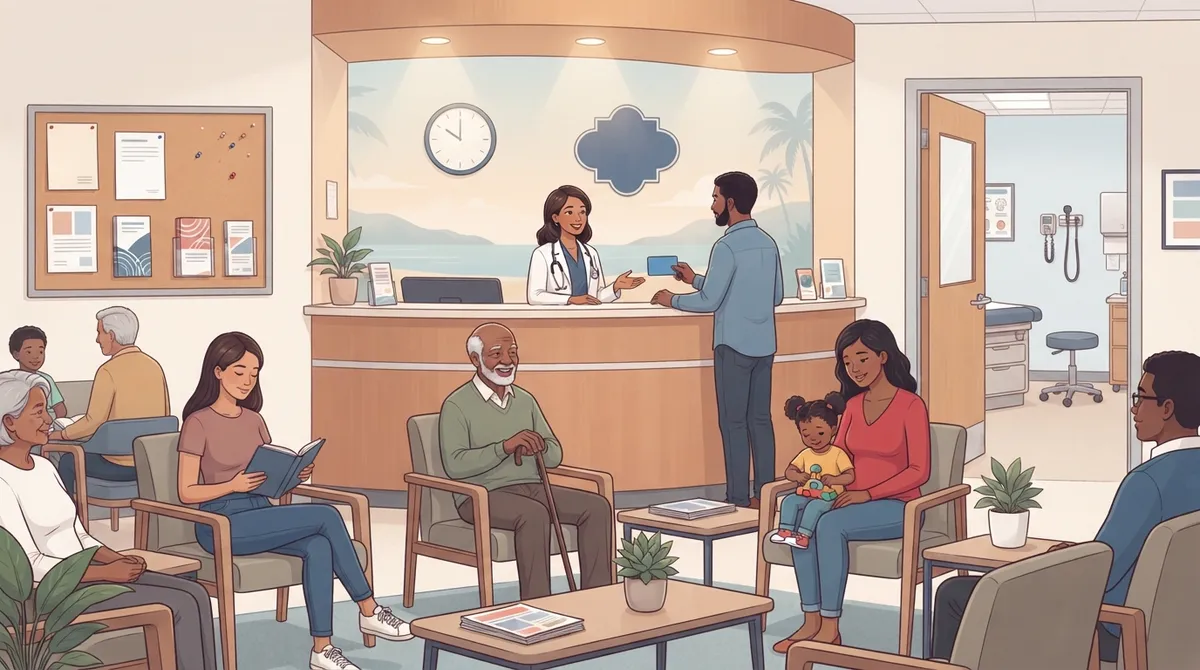
Comprehensive primary care is a patient-centered healthcare model that addresses all aspects of your health under one roof. It goes far beyond treating colds or infections. It covers prevention, chronic disease management, wellness planning, health education, and early detection — all coordinated by a primary care team that knows you well.
This model is built around four core principles, often called the "Four C's" of primary care:
- First Contact Access — Your primary care provider is your first stop for any health concern, big or small.
- Continuity — You receive consistent care from the same provider over time, building trust and medical history.
- Coordination — Your care team manages referrals, specialist communication, and follow-up to ensure nothing falls through the cracks.
- Comprehensiveness — A wide range of services are available to address physical, mental, and preventive health needs.
This approach serves as your "medical home" — a central place where all of your health information lives and all care decisions are made with full context.

Core Services Included in Comprehensive Primary Care
One of the biggest advantages of this model is the sheer range of services it covers. Rather than bouncing between multiple providers, patients can access most of what they need in one place.
Service Category Examples Goal Preventive Care Vaccinations, annual physicals, health screenings Catch problems before they start Chronic Disease Management Diabetes, hypertension, asthma, heart disease Reduce complications and hospitalizations Acute & Urgent Care Infections, injuries, flu, rashes Treat immediate health concerns quickly Wellness Services Weight loss, IV therapy, metabolic testing Optimize overall health and energy Diagnostic Services Lab work, imaging, DNA gene testing Identify health risks with precision Health Education Nutrition counseling, lifestyle coaching Empower patients with knowledge
Clinics like InCare, serving patients across Tampa and Riverview, Florida, bring many of these services together in a single, technology-forward environment. From cancer screenings and DNA gene testing to IV hydration therapy and personalized weight loss programs, InCare exemplifies what modern comprehensive primary care can look like.

How Comprehensive Primary Care Differs from Traditional Doctor Visits
Traditional doctor visits are often reactive. You feel sick, you call, you get seen. The interaction is brief, focused on one issue, and rarely connected to your broader health history. Comprehensive primary care flips this model entirely.
Factor Traditional Visit Comprehensive Primary Care Focus Single complaint or symptom Whole-person health and prevention Provider Relationship Often different provider each visit Consistent, long-term relationship Services Available Limited to acute care Preventive, chronic, wellness, diagnostic Care Coordination Minimal or fragmented Fully coordinated across specialties Health Data Use Rarely tracked over time Ongoing monitoring and personalized planning
For millennials and Gen Z adults who are used to personalized digital experiences, this difference feels significant. They expect healthcare to be just as responsive, connected, and data-driven as everything else in their lives.

Key Benefits of Comprehensive Primary Care
The research behind comprehensive primary care is compelling. Patients who receive this type of care consistently show better health outcomes across the board. Here are the most important benefits:
- Early Detection: Regular screenings catch diseases like diabetes, cancer, and heart disease at treatable stages.
- Fewer Emergency Visits: Proactive management of chronic conditions dramatically reduces ER trips and hospitalizations.
- Lower Healthcare Costs: Prevention is far less expensive than treatment. Managing a condition early avoids costly interventions later.
- Better Chronic Disease Control: Conditions like hypertension and diabetes are better managed when one team oversees all aspects of care.
- Higher Patient Satisfaction: Patients who feel known and understood by their provider report greater confidence and trust in their care.
- Improved Mental Health Support: Behavioral health integration means emotional well-being is treated alongside physical health.
The CMS Comprehensive Primary Care Initiative, which ran from 2012 to 2016, demonstrated measurable improvements in chronic disease access and planned care when this model was applied at scale. Those findings continue to inform how primary care is delivered today.
Who Benefits Most from This Model of Care?
Comprehensive primary care is built for everyone, but certain groups benefit especially from this approach.
Busy Young Families
Parents juggling work, childcare, and household responsibilities need healthcare that saves time and coordinates care for the whole family. A single provider managing everyone's health — from pediatric checkups to adult wellness — is a major advantage. InCare's locations in Tampa and Riverview offer accessible, family-friendly scheduling to reduce that burden.
High-Income Wellness Seekers
For those who want to optimize their health — not just maintain it — comprehensive primary care offers advanced tools like body composition analysis, metabolic breath analysis, and genetic testing. These services go well beyond standard care to deliver a precision health experience.
Women Without Established Primary Care
Many women rely solely on their OB/GYN and never establish a true primary care relationship. But reproductive care alone doesn't cover cardiovascular health, metabolic function, or cancer risk management. Comprehensive care fills those critical gaps. Learn more about our experienced providers who take a whole-body approach for women at every stage of life.
Gen Z Health Explorers
Younger adults increasingly turn to social media and online sources for health information. Follow InCare on Instagram and TikTok for preventive health tips, wellness content, and service updates designed for this generation. Comprehensive primary care gives them a trusted, science-backed foundation for the health decisions they make every day.
The Role of Preventive Care in Comprehensive Primary Care
Prevention is the cornerstone of this entire model. Rather than waiting for symptoms to appear, comprehensive primary care identifies risk factors early and acts on them.
A well-structured preventive care plan typically includes the following steps:
- Baseline Health Assessment: A thorough evaluation of current health status, family history, and lifestyle factors.
- Risk Stratification: Identifying which conditions you are most at risk for based on data and genetics.
- Screening Schedule: Setting up regular screenings for cancer, cardiovascular disease, metabolic disorders, and more.
- Lifestyle Counseling: Providing guidance on nutrition, exercise, sleep, and stress management.
- Ongoing Monitoring: Tracking changes in health metrics over time and adjusting the plan accordingly.
This structured approach gives patients a clear roadmap instead of leaving health decisions to chance. For those managing existing conditions, read more about how primary doctors help manage chronic illnesses.
Technology and Comprehensive Primary Care in 2026
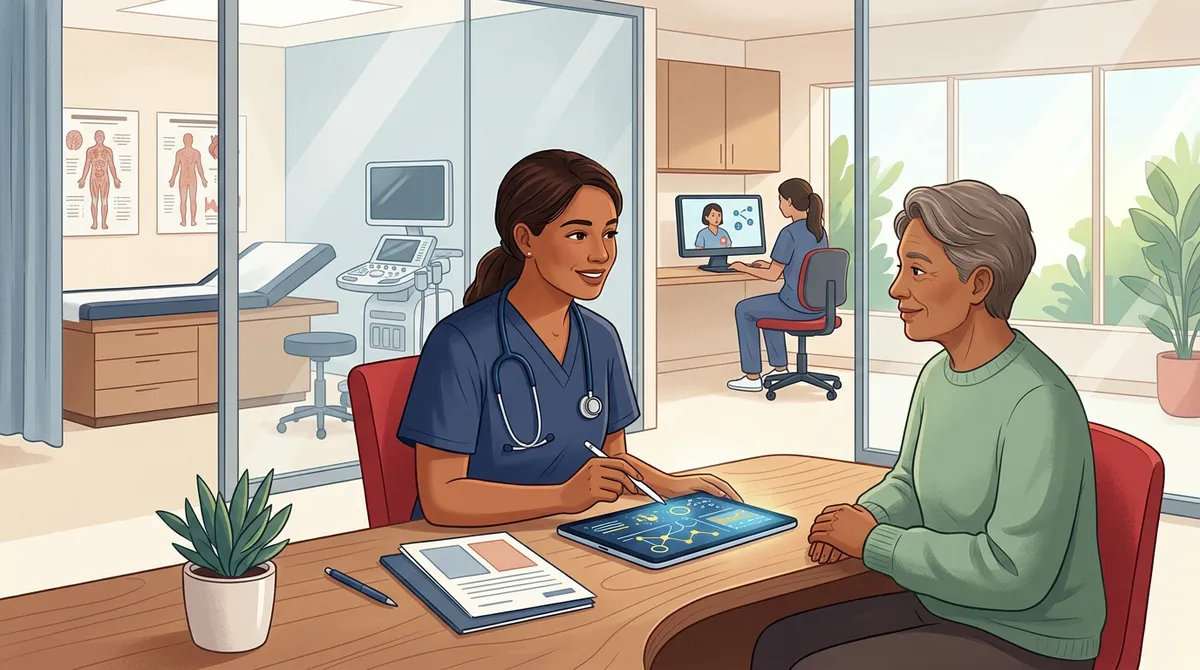
In 2026, technology plays a defining role in delivering comprehensive care. From AI-powered diagnostic tools to telemedicine appointments, modern primary care practices are more connected and data-driven than ever before.
- Telehealth: Virtual appointments allow patients to receive care from home, removing barriers like distance and scheduling conflicts.
- AI Diagnostics: Machine learning tools help providers detect patterns in health data that might be missed in a standard visit.
- Digital Health Records: Integrated records give every provider on your care team a complete picture of your health history.
- Wearable Integration: Real-time data from fitness trackers and smartwatches can be incorporated into care plans.
- Advanced Wellness Testing: Services like DNA gene testing and metabolic analysis offer precision insights that were once only available in research settings.
These tools don't replace the human relationship at the core of primary care — they enhance it. The result is a more personalized, effective, and efficient care experience for every patient.
What to Look for in a Comprehensive Primary Care Provider
Not all primary care practices offer the same depth of services. When evaluating a provider, consider the following criteria:
Criteria What to Look For Service Range Covers prevention, acute care, chronic disease, and wellness Technology Uses modern tools for diagnosis, tracking, and communication Provider Experience Board-certified physicians with a focus on whole-person health Access & Availability Offers same-day, virtual, or after-hours options Patient Reviews Consistent positive feedback on care quality and communication Care Coordination Manages referrals and specialist communication on your behalf
InCare holds a 4.8 out of 5 rating on Google with over 359 reviews — a strong indicator of the level of care and attention patients receive. You can visit InCare on Google to read patient experiences firsthand. The team includes skilled physicians like Dr. Naveen Paddu, Dr. Pramjeet Ahluwalia, and Dr. Teshy John, each committed to delivering personalized, comprehensive care.
Also follow InCare on Facebook for health tips, clinic updates, and community health resources.
Taking the Next Step Toward Better Health
Comprehensive primary care is not a luxury — it is the most effective way to protect and improve your health over the long term. Whether you are managing a chronic condition, looking to prevent one, or simply ready to take your wellness seriously, this model of care gives you the tools, support, and expertise to reach your goals.
If you are in the Tampa or Riverview area and are ready to experience what true whole-body healthcare looks like, InCare is here to help. Explore why InCare is the best choice for primary care in Riverview or visit a trusted primary care doctor today. From urgent care to advanced wellness services, InCare is built to be your long-term health partner.
Your health is too important to leave to chance. Schedule your comprehensive primary care appointment today and take the first step toward a healthier, more informed version of you.
FAQs
Q: What services are included in comprehensive primary care?
A: Comprehensive primary care includes preventive care, chronic disease management, acute and urgent care, health screenings, diagnostic testing, wellness services, and health education. The goal is to address all aspects of a patient's health through one coordinated care team, reducing the need to visit multiple providers for different concerns.
Q: How does comprehensive primary care differ from a standard doctor visit?
A: A standard doctor visit typically addresses one symptom or illness at a time, often with little connection to your broader health history. Comprehensive primary care takes a whole-person approach, building a long-term relationship with your provider and developing personalized health plans that cover prevention, chronic conditions, and overall wellness.
Q: Can comprehensive primary care handle urgent or acute medical needs?
A: Yes. Comprehensive primary care includes urgent care services for immediate concerns such as infections, injuries, respiratory illness, and other acute conditions. Having access to both preventive and urgent care under one practice ensures continuity and avoids fragmented treatment.
Q: Why is preventive care so important in this healthcare model?
A: Preventive care is central to comprehensive primary care because catching health problems early is far more effective and less costly than treating advanced disease. Regular screenings, vaccinations, and lifestyle counseling help identify risk factors before they become serious conditions, improving long-term patient outcomes.
Q: How does comprehensive primary care reduce healthcare costs?
A: By managing chronic conditions proactively and promoting prevention, comprehensive primary care significantly reduces the need for emergency room visits, specialist referrals, and hospitalizations. Research consistently shows that patients with access to this model of care experience lower overall healthcare spending while achieving better health results.