Key Takeaways
- A men's hormone clinic should diagnose low testosterone only when symptoms fit and morning testosterone is consistently low on repeat testing; a single low lab result is not enough.
- Fatigue, low libido, and weight gain overlap with sleep apnea, thyroid disease, diabetes, and depression, so a clinic should screen for these causes before prescribing testosterone.
- Testosterone therapy can suppress sperm production, so men who may want children soon should raise fertility concerns at the very first visit.
- After the February 2025 FDA update, boxed-warning language on cardiovascular risk was removed, but blood pressure warnings were added, so monitoring blood pressure during treatment matters.
- Good treatment includes follow-up testing of testosterone levels, blood pressure, hematocrit, and prostate risk, and missed follow-ups are a common safety problem.
- Avoid clinics that guarantee results, push prepaid packages, or prescribe instantly; a licensed physician should direct your care and explain alternatives like sleep, weight loss, and blood sugar control.
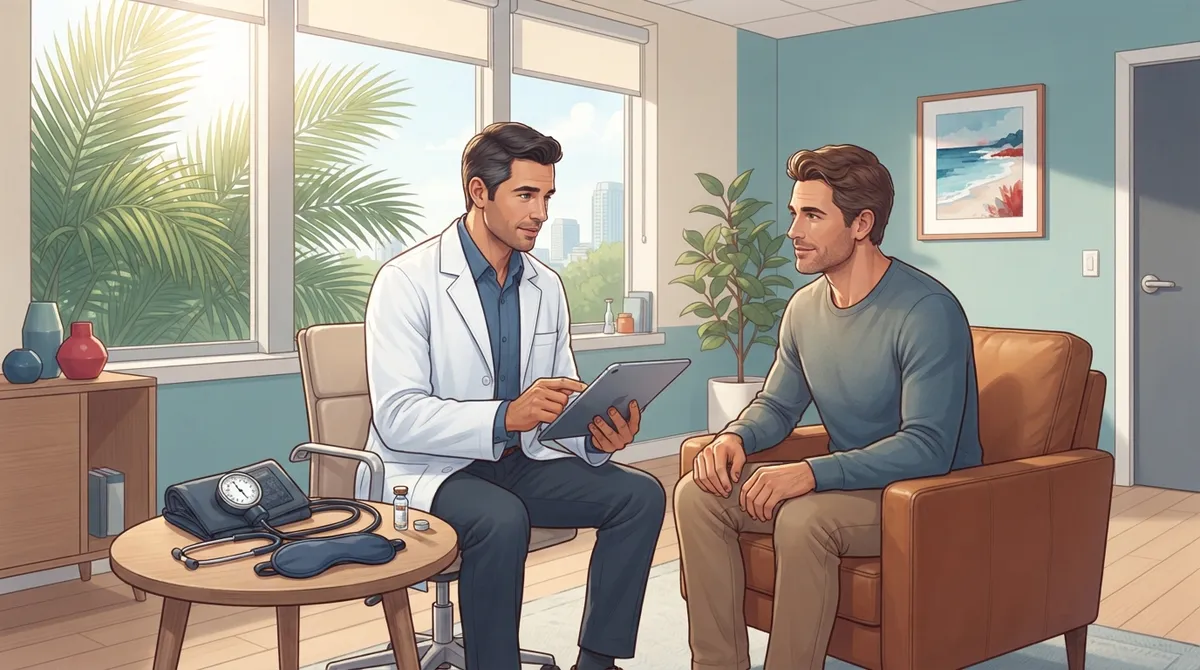
Fatigue, a lower sex drive, and slower recovery after workouts are easy to blame on stress or a busy schedule. For some men, though, these symptoms point to a hormone problem that deserves a closer look. A mens hormone clinic Tampa residents can trust should start with a careful medical evaluation, not a quick sales pitch.
Hormone care works best when it is part of broader medical care. Symptoms such as low energy, mood changes, and reduced muscle mass have many possible causes, including poor sleep, thyroid problems, diabetes, and sleep apnea. A good clinic sorts through those causes first.
This guide explains what a men's hormone clinic evaluates, how low testosterone is diagnosed, what treatment involves, and how to choose a safe provider in Tampa. It also covers the latest 2025 FDA labeling updates so you can make informed decisions in 2026.

What a Men's Hormone Clinic in Tampa Does
A men's hormone clinic evaluates symptoms that may relate to testosterone deficiency, also called hypogonadism. The clinic then confirms or rules out a diagnosis with testing and a physical exam. When treatment is appropriate, it prescribes and monitors therapy over time.
Common reasons men visit include:
- Low libido or erectile difficulties
- Ongoing fatigue or low motivation
- Reduced muscle mass or strength
- Increased body fat, especially around the waist
- Mood changes, irritability, or trouble concentrating
These symptoms are not specific to low testosterone. That is why the first visit should focus on your history, medications, sleep, weight, and overall health. A visit that skips straight to a prescription is a warning sign.
Symptoms That Overlap With Other Conditions
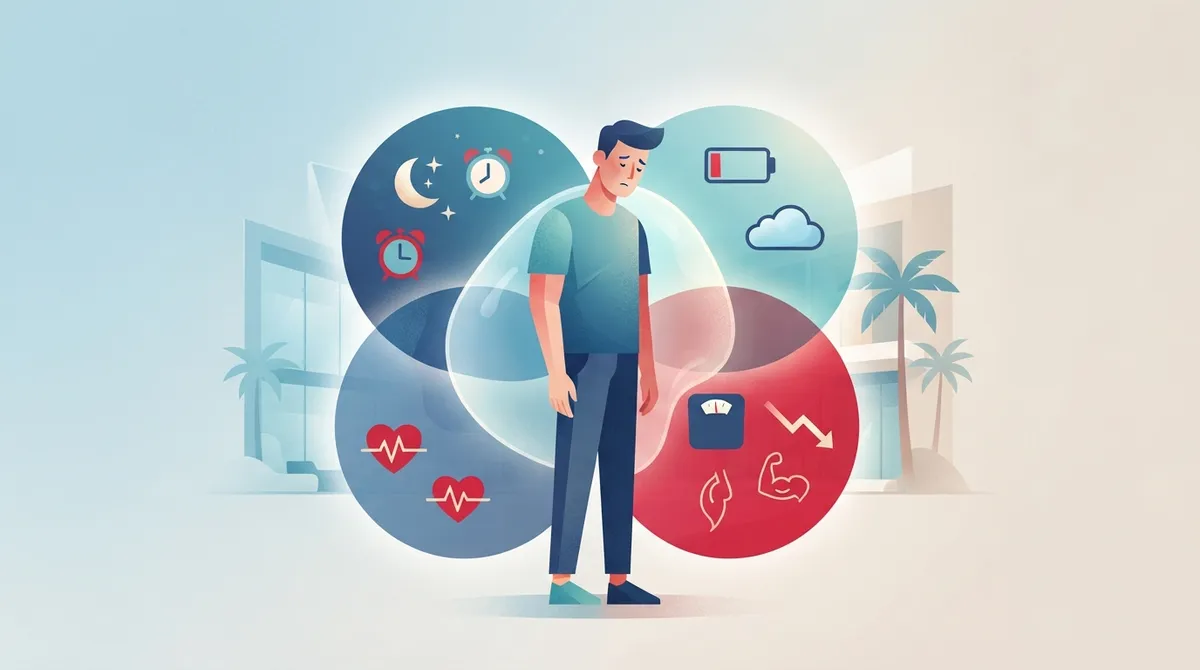
Many everyday health issues look like low testosterone. Understanding the overlap helps you ask better questions at your appointment.
|
Symptom |
Possible hormone cause |
Other common causes |
|---|---|---|
|
Fatigue |
Low testosterone |
Sleep apnea, thyroid disease, anemia, depression |
|
Low libido |
Low testosterone |
Stress, medications, relationship factors, diabetes |
|
Erectile difficulty |
Low testosterone |
Heart disease, high blood pressure, diabetes |
|
Weight gain |
Low testosterone |
Insulin resistance, poor diet, inactivity |
|
Mood changes |
Low testosterone |
Anxiety, depression, chronic stress |
Because so many conditions overlap, a primary care setting offers a real advantage. The same team can check your blood sugar, blood pressure, sleep, and hormones in one coordinated plan. If you have been tired and snoring, for example, reading about whether sleep apnea can cause daytime fatigue may help you discuss the right tests with your doctor.
How Low Testosterone Is Diagnosed
Current Endocrine Society guidance says hypogonadism should be diagnosed only when two things are present: compatible symptoms or signs, and consistently low testosterone. A single lab result is not enough.
A responsible diagnostic process usually follows these steps:
- Medical history and exam. Your clinician reviews symptoms, medications, sleep, alcohol use, and chronic conditions.
- Morning blood test. Testosterone is checked early in the day, when levels peak, using an accurate lab assay.
- Repeat testing. A low result should be confirmed with a second morning test, ideally fasting.
- Cause investigation. If levels are truly low, luteinizing hormone (LH) and follicle-stimulating hormone (FSH) help show whether the issue starts in the testes or in the pituitary or hypothalamus.
- Additional testing as needed. Depending on your picture, your doctor may check blood counts, blood sugar, thyroid function, or prostate health.
The Endocrine Society identifies a common clinical threshold near 300 ng/dL. However, a number alone does not establish a diagnosis. Symptoms and repeated results must both fit the picture.
A men's hormone clinic that offers TRT bloodwork done the right way will explain these steps before recommending treatment. If you want to know which labs matter most, this checklist of blood tests needed for TRT is a helpful preview.
Who Is a Candidate for Testosterone Therapy
Testosterone therapy is meant for men with a confirmed diagnosis of hypogonadism. It is not a general treatment for aging, wellness, or an isolated low lab value. The Endocrine Society advises against routine testosterone treatment for all men aged 65 or older based on age alone.
Treatment may be considered when a man has:
- Clear, compatible symptoms
- Repeatedly low morning testosterone levels
- A completed evaluation for underlying causes
- A full discussion of benefits, risks, and alternatives
Sometimes the best first step is not testosterone at all. Weight loss, better sleep, and managing diabetes can raise testosterone levels naturally in some men. A clinic that explores these options first is putting your health ahead of a prescription.
Fertility: A Critical Conversation
Testosterone therapy can suppress sperm production. For that reason, it is generally not recommended for men planning to have children in the near term. If you may want a family in the future, tell your clinician at the very first visit.
Alternatives and specialist referral may be appropriate in that case. Younger men, in particular, should have a frank discussion about fertility before starting any hormone treatment.
Benefits, Risks, and the 2025 FDA Update
For men who truly have hypogonadism, treatment can improve energy, libido, mood, and muscle mass. Benefits vary from person to person, and results take time. Risks also exist, which is why monitoring matters.
In February 2025, the FDA announced class-wide labeling changes for testosterone products. The agency removed boxed-warning language about increased cardiovascular risk after reviewing the TRAVERSE trial. In that trial, major adverse cardiovascular events occurred in 7.0% of men using topical testosterone gel and 7.3% of men using placebo.
The FDA also now requires blood pressure warnings. Studies showed testosterone products can raise blood pressure as a class. For one gel formulation, labeling cited a mean increase of 1.9/1.3 mm Hg after 16 weeks. FDA labeling also continues to limit use for age-related hypogonadism.
In plain terms, the update is reassuring on one point but still calls for careful, individualized care. Treatment is not risk-free, and it is not meant for everyone.
What Monitoring Looks Like During Treatment
Starting therapy is only the beginning. Good care includes regular follow-up to check how well treatment works and whether side effects appear.
Monitoring may include:
- Repeat testosterone levels to confirm the dose is right
- Blood pressure checks, given the FDA warning
- Hematocrit (red blood cell concentration) testing
- Prostate risk assessment as appropriate for your age and history
- Symptom review and a discussion of any concerns
The schedule depends on the treatment type and your health. Missed follow-ups are one of the most common problems in hormone care. This article on TRT follow-up mistakes patients should avoid explains how to stay on track.
Why Primary Care Matters for Hormone Health
A standalone clinic that only sells testosterone may miss the bigger picture. Primary care offers a different model. Your doctor already knows your history, tracks your blood pressure and blood sugar, and can coordinate screenings and specialist referrals.
That continuity matters for safety. Hormone therapy interacts with heart health, sleep, weight, and prostate screening. When one team manages all of these, nothing falls through the cracks. If you are weighing your options, this comparison of TRT at primary care versus an online clinic lays out the tradeoffs.
InCare takes this whole-body approach. As a personalized primary care and wellness clinic with locations in Tampa and Riverview, InCare combines medical expertise with advanced technology, from lab testing to metabolic and body composition analysis. That means hormone questions are answered in the context of your full health, not in isolation. You can also read about how to find medically supervised TRT in Tampa Bay.
How to Choose a Men's Hormone Clinic in Tampa
Not every clinic follows the same standards. Use this checklist to judge a provider before you commit.
- Ask about the diagnostic process. The clinic should require symptoms plus repeated morning testosterone tests.
- Look for cause investigation. A good provider checks LH, FSH, and other health factors.
- Confirm physician oversight. A licensed medical doctor should direct your care.
- Expect a fertility discussion. Any reputable clinic raises this topic early.
- Review the monitoring plan. Ask how often you will be re-tested and what is checked.
- Avoid pressure tactics. Be cautious of guaranteed results, prepaid packages, or instant prescriptions.
Prices, insurance coverage, and specific services vary by provider, so confirm details directly with any clinic. For a deeper look at costs and what to ask, see this guide to choosing a reputable TRT clinic in Tampa. Men south of the city can also review how to choose a men's hormone clinic in Riverview, FL.
Lifestyle Steps That Support Healthy Testosterone
Medication is not the only tool. Daily habits strongly influence hormone levels, and many men see improvement from them alone or alongside treatment.
- Prioritize sleep. Poor or interrupted sleep lowers testosterone.
- Manage weight. Excess body fat is linked to lower testosterone.
- Stay active. Strength training and regular movement support healthy levels.
- Limit alcohol. Heavy drinking can suppress hormone production.
- Control stress. Chronic stress affects the hormones that regulate testosterone.
For more on this topic, this guide on supporting healthy testosterone production at 40 and beyond offers practical steps. If low desire is your main concern, knowing when to see a doctor for low libido can help you decide on timing.
What to Bring to Your First Appointment
Preparation makes your visit more productive. Before you go, gather the following:
- A list of your symptoms and when they began
- All current medications and supplements
- Any prior lab results, especially testosterone or thyroid tests
- Your family history of heart disease, diabetes, or prostate issues
- Your plans regarding fertility
Arrive ready to ask questions. A confident clinic welcomes them. You can follow InCare for health tips on Instagram, Facebook, and TikTok, and see what patients say by choosing to visit us on Google — InCare.
Take the Next Step Toward Better Hormone Health
The right men's hormone clinic in Tampa will test carefully, explain clearly, and monitor closely. It will treat you as a whole person, not just a lab number. If you are dealing with fatigue, low libido, or other symptoms and want answers, start with a proper evaluation.
InCare offers personalized primary care and wellness services in Tampa and Riverview, with a focus on prevention and whole-body optimization. Ready to get started? Book your appointment with InCare today, or contact our team with questions about your first visit.
FAQs
Q: What does a men's hormone clinic in Tampa evaluate and treat?
A: A men's hormone clinic evaluates symptoms such as low libido, erectile difficulties, fatigue, reduced muscle mass, and mood changes. It uses a medical history, exam, and repeated morning testosterone testing to check for hypogonadism. If the diagnosis is confirmed, it can prescribe and monitor treatment.
Q: How is low testosterone diagnosed, and do I need more than one blood test?
A: The Endocrine Society recommends diagnosing hypogonadism only when compatible symptoms occur alongside consistently low testosterone. That generally means a repeat morning test, ideally fasting, using an accurate assay. A single low result is not enough on its own.
Q: Can testosterone therapy affect fertility?
A: Yes. Testosterone therapy can suppress sperm production and is generally not recommended for men planning to have children in the near term. Men interested in future fertility should discuss alternatives and specialist referral before starting treatment.
Q: What monitoring is needed during testosterone therapy?
A: Monitoring may include testosterone levels, blood pressure, hematocrit, and prostate risk assessment as appropriate. The schedule depends on the treatment type and your overall health, so follow-up visits are an essential part of safe care.
Q: Is testosterone therapy safe for the heart after the 2025 FDA update?
A: In February 2025, the FDA removed boxed-warning language about increased cardiovascular outcomes after reviewing the TRAVERSE trial, which found similar event rates with testosterone gel and placebo (7.0% versus 7.3%). The agency now requires blood pressure warnings, so individualized risk assessment and monitoring remain important.