Key Takeaways
- Start with a primary care clinician for persistent low sex drive in Tampa; they can review your whole health picture and refer you to a specialist if needed.
- Low desire is common: a JAMA Internal Medicine study found 36.2% of U.S. women reported low sexual desire, and rates vary across life stages.
- Common causes include medications (some antidepressants and blood pressure drugs), chronic conditions, pain, poor sleep, and stress, so low desire alone does not prove a hormone deficiency.
- See a gynecologist for menopause symptoms, vaginal dryness, or painful sex; a urologist for erectile, genital, or urinary symptoms; and an endocrinologist for complex hormone concerns.
- Do not stop or change prescriptions on your own, and avoid starting testosterone or other hormones without a clinician's assessment and guidance.
- Prepare for your visit by noting when the change began, listing all medications and supplements, and recording sleep, stress, mood, and any pain during intimacy.
A lower interest in sex can feel confusing and a little awkward to bring up. Many people in Tampa quietly wonder the same thing: who should i see for low sex drive in tampa, and where do I even begin? The good news is that low desire is a common health concern, and doctors treat it every day. It is rarely a sign that something is wrong with you as a person.
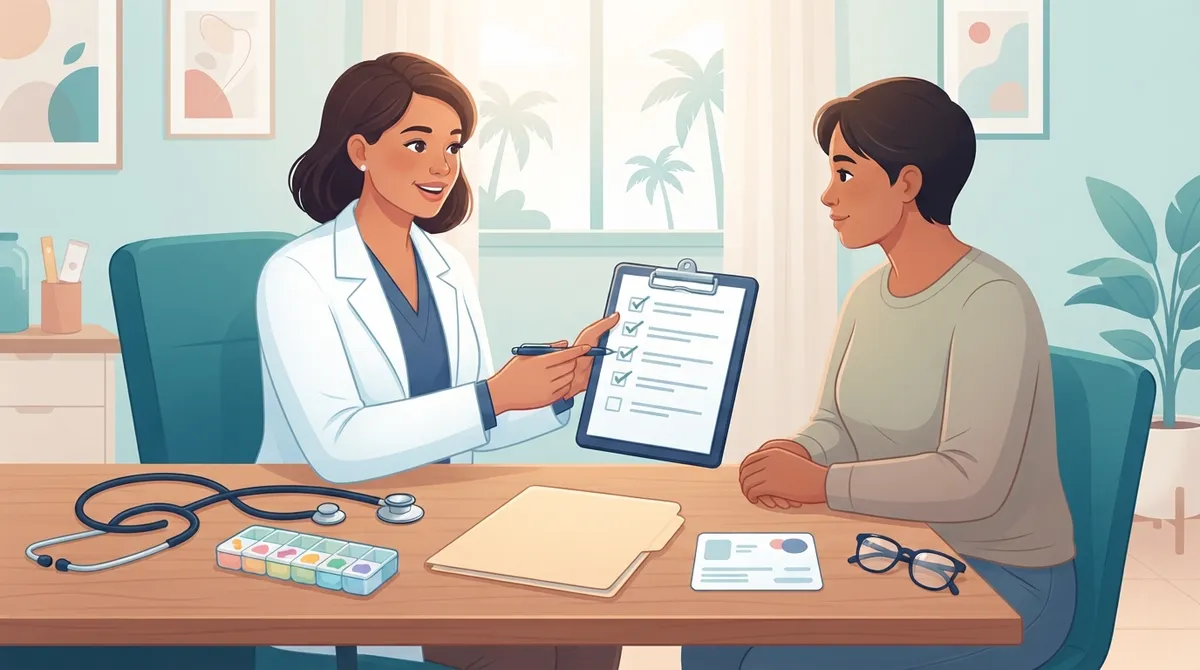
For most adults, a primary care clinician is a smart first stop. They can look at your whole health picture, including medications, mood, sleep, stress, and long-term conditions. Then they can refer you to a specialist if one is needed. This approach saves time and avoids guesswork.
This guide explains which professional to see and when. It covers what an evaluation looks like, what causes low desire, and what treatment can involve. It is written for busy adults, new parents, young professionals, and anyone who wants clear, private answers in 2026.
The Short Answer: Start With Primary Care
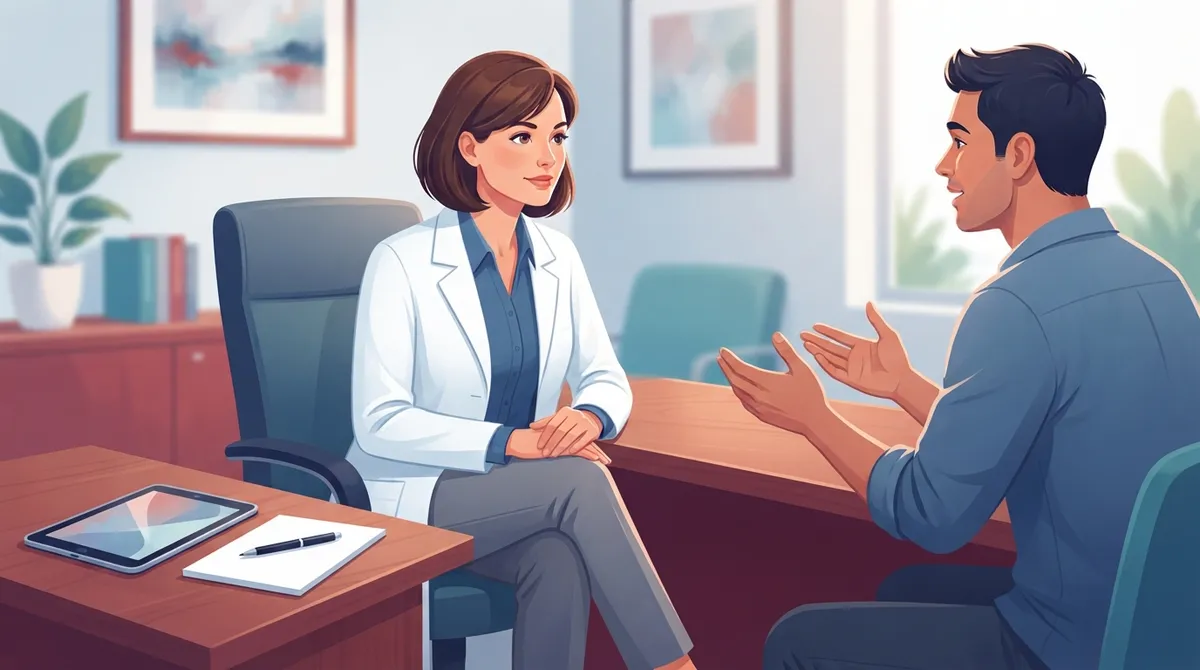
If your low desire is lasting or bothering you, start with a primary care clinician. This is the most practical answer to who should i see for low sex drive in tampa. A primary care provider can review your full health history in one visit and decide what comes next.
Low desire rarely has one single cause. It often comes from several things working together. A primary care clinician can sort through those pieces without assuming a hormone problem right away.
Here is what a primary care visit can do for you:
- Review your medications for side effects that affect desire
- Check for conditions such as diabetes, thyroid problems, or heart disease
- Screen for depression, anxiety, and stress
- Look at sleep, alcohol use, and daily habits
- Order labs only when your symptoms point to a need
- Refer you to the right specialist if you need one
If you are unsure whether this is a medical issue at all, this overview on whether low sex drive is a medical issue can help you decide when to seek care.

How Common Is Low Sex Drive?
You are not alone. A nationally representative study of U.S. women, published in JAMA Internal Medicine, found that 36.2% reported low sexual desire. About 8.3% had distressing low desire that met the study's definition of hypoactive sexual desire disorder, or HSDD.
The numbers changed with life stage. Low desire ranged from 26.7% among premenopausal women to 52.4% among women who went through natural menopause. HSDD was highest among women with surgical menopause, at 12.5%.
A separate 2023 study of young people reported low desire in 11.3% overall. That included 17.2% of females and 5.7% of males. These figures describe that study's group only, so they should not be applied to every adult.
The takeaway is simple. Low desire is common, it changes across life, and it is worth discussing with a clinician when it troubles you.
Which Doctor Fits Which Situation?
Different specialists help with different pieces of the puzzle. A primary care clinician usually acts as your guide and can coordinate these referrals. The table below shows how the options compare.
|
Professional |
Best For |
Common Reasons to Visit |
|---|---|---|
|
Primary care clinician |
First evaluation and coordination |
Persistent low desire, medication review, overall health check |
|
Gynecologist |
Reproductive and menopause concerns |
Vaginal dryness, painful sex, menopause symptoms |
|
Urologist |
Genital and urinary symptoms |
Erectile concerns, urinary changes, genital pain |
|
Endocrinologist |
Complex or confirmed hormone issues |
Abnormal hormone results, thyroid or pituitary concerns |
|
Mental health professional or sex therapist |
Psychological and relationship factors |
Anxiety, depression, stress, relationship strain |
Starting with primary care keeps things simple. You get one trusted point of contact who can see how all the pieces connect. If you want to understand how these roles differ in general, read about the difference between a primary care doctor and a specialist.
What Causes Low Sex Drive?
Low desire is not automatically a hormone problem. Many factors overlap, and a good clinician looks at all of them. Common contributors include:
- Medications: Some antidepressants, blood pressure drugs, and other prescriptions can lower desire.
- Chronic health conditions: Diabetes, heart disease, and thyroid problems can all play a role.
- Hormonal or life-stage changes: Menopause, pregnancy, postpartum recovery, and aging can shift desire.
- Pain: Discomfort during sex can reduce interest over time.
- Fatigue and poor sleep: Being exhausted makes desire hard to find.
- Depression, anxiety, and stress: Mental load is one of the most common causes.
- Relationship factors: Communication, trust, and emotional closeness all matter.
For busy young families, fatigue and stress are especially common. Sleep is a big piece of this. If poor rest is part of your story, see this guide on when to see a doctor for poor sleep.
What Happens During a Low Libido Evaluation?
Many people worry the visit will be embarrassing. In reality, clinicians discuss these topics routinely. The visit is private and respectful. Here is what you can usually expect.
- A confidential conversation. Your clinician asks when the change began and whether it is situational or ongoing. They ask how it affects your well-being.
- A health and medication review. You discuss your health conditions, current prescriptions, mood, sleep, and any sexual symptoms.
- A physical exam if needed. A physical or pelvic exam may be appropriate based on your symptoms.
- Targeted lab tests. Labs are ordered based on what you describe, not as a one-size-fits-all panel.
- A shared plan. You and your clinician agree on next steps, which may include treatment, counseling, or a referral.
Preparation helps. Write down your symptoms, your medications, and your questions before you go. This guide on what to bring to your first primary care visit makes it easy. You can also read more about the steps in a low sex drive medical evaluation in Tampa.
Do You Need Lab Tests?
Not always. Testing depends on your symptoms and history. A clinician may check blood sugar, thyroid function, or hormone levels when your story points that way. Others may not need any labs at the first visit.
This matters because low desire alone does not prove a hormone deficiency. Testing should answer a real question, not just produce numbers. If hormone testing makes sense for you, this resource on choosing a comprehensive hormone panel in Tampa explains what to look for.
When to See a Specialist Instead
Sometimes a specialist is the right next step, and your primary care clinician can point you there. Consider these situations:
- See a gynecologist if you have menopause symptoms, vaginal dryness, painful sex, or reproductive health questions.
- See a urologist if you have erectile, genital, or urinary symptoms.
- See an endocrinologist if you have complex or confirmed hormone concerns.
- See a mental health professional or qualified sex therapist if stress, anxiety, depression, or relationship issues are central.
Women who want care beyond reproductive visits may also like a primary care home. Read about finding a primary care doctor for women in Tampa. Men with persistent symptoms can learn more about what causes low sex drive in men.
What Treatment Options Exist?
Treatment depends on the cause and on your goals. There is no single fix. A thoughtful plan may include one or more of these steps:
- Treating an underlying condition such as diabetes or a thyroid problem
- Reviewing medications with the prescriber who manages them
- Treating pain or dryness
- Counseling or sex therapy
- Improving sleep, exercise, and stress management
- Selected prescription treatments when clinically appropriate
Cause-based care tends to work best. You can read more about what low sex drive treatment in Tampa involves. Stress is a frequent driver, so this piece on telling if stress is behind your low sex drive may help.
A Safety Note About Medications and Hormones
Please do not stop or change a prescription on your own. Some people notice lower desire after starting a medication and want to quit it. Talk to your prescriber first. A safe change often needs a plan.
Also avoid starting testosterone or other hormones without a clinician's guidance. Low desire alone does not establish a hormone deficiency, and treatment should follow a proper assessment. For men, a supervised approach matters. Learn more about starting medically supervised TRT in Tampa safely and about testosterone therapy versus root-cause care for libido help.
Why Tampa Patients Choose InCare for a First Visit
InCare is a personalized primary care and wellness clinic with locations in Tampa and Riverview, Florida. It combines modern technology with medical expertise to look at the whole person. That whole-body approach suits a topic like low desire, which rarely has just one cause.
At InCare, a first conversation can cover your medications, mood, sleep, stress, and chronic conditions in a confidential setting. The team can order labs when your symptoms call for them and coordinate referrals to local gynecology, urology, endocrinology, or behavioral health care. Telemedicine visits are also available for patients who want an easier first step.
InCare keeps a 4.8 out of 5 rating on Google from 359 reviews, and patients often mention the friendly staff and the quality of care. You can visit us on Google — InCare to read what our patients say. If you are comparing options, this guide to the best primary care doctor in Tampa can help you choose with confidence.
Always confirm clinician credentials, services, insurance, and availability directly with any practice before you book. That is good advice wherever you go.
Tips to Make Your Visit Easier
A little preparation makes the appointment smoother and more useful. Try these simple steps:
- Write down when you first noticed the change in desire.
- List every medication and supplement you take.
- Note your sleep, stress level, and mood in recent weeks.
- Jot down any pain or physical symptoms during intimacy.
- Prepare two or three questions you want answered.
Remember that clinicians hear these concerns often. You do not need special words. Plain language is fine.
Take the Next Step
Knowing who to see for low sex drive in Tampa removes much of the stress. Start with a primary care clinician who can listen, review your whole health, and guide you to the right care. You can follow InCare for health tips on Facebook, Instagram, and Tik Tok.
Ready to talk with someone? Book Now to schedule a confidential visit with InCare, or contact our team with any questions. Your health and comfort matter, and help is closer than you think.
FAQs
Q: Who should I see first for low sex drive in Tampa?
A: A primary care clinician is a practical first contact. They can review your overall health, medications, mood, and sleep, then coordinate a referral to gynecology, urology, endocrinology, or behavioral health if needed.
Q: Can my primary care doctor evaluate low libido?
A: Yes. A primary care doctor can take a confidential history, review your medications, screen for mood and health conditions, and order targeted labs when appropriate. This makes it an efficient first step before seeing a specialist.
Q: Can antidepressants or other medications lower sex drive?
A: Yes, some antidepressants, blood pressure medications, and other prescriptions can reduce desire. Do not stop or change a medication on your own. Talk with the prescriber, who can review options safely.
Q: When should I see a gynecologist, urologist, or endocrinologist for low libido?
A: See a gynecologist for menopause symptoms, vaginal dryness, or painful sex. See a urologist for erectile, genital, or urinary symptoms. Consider an endocrinologist for complex or confirmed hormone concerns.
Q: Is low sex drive always caused by low hormones?
A: No. Low desire can come from medications, chronic conditions, pain, fatigue, stress, depression, anxiety, or relationship factors. Low desire alone does not prove a hormone deficiency, so a proper assessment should come before any hormone treatment.