Key Takeaways
- Low sex drive often has several overlapping causes, including medications, poor sleep, stress, depression, and chronic illness, so a whole-picture medical evaluation works better than guessing.
- Bring a complete list of all medicines and supplements to your visit, but never stop a prescribed medication on your own; your clinician can coordinate safer alternatives with your prescriber.
- Low desire alone does not prove low testosterone, since hormone deficiency must be confirmed through clinical assessment and properly interpreted testing rather than assumed from symptoms.
- See a doctor if low libido lasts several weeks or months, causes distress, strains your relationship, or comes with pain during sex, fatigue, or mood changes.
A drop in sexual desire can feel confusing, and many people wait months before they bring it up. The good news is that low libido is a common health concern, and it often has causes that a doctor can find and treat. If you are searching for a low sex drive medical evaluation in Tampa, you are taking a smart first step toward answers.
Desire changes over a lifetime. There is no single "normal" level for everyone. Still, it is worth talking to a clinician when the change worries you, causes distress, or affects your relationship or well-being. Busy parents, professionals, and young adults often feel too rushed or embarrassed to ask. A primary care visit gives you a private, respectful place to start.
This guide walks through seven steps of a thorough evaluation. You will learn what to expect, what tests may be ordered, and how to know when a specialist should join your care team. Information here is educational and does not replace personal medical advice.
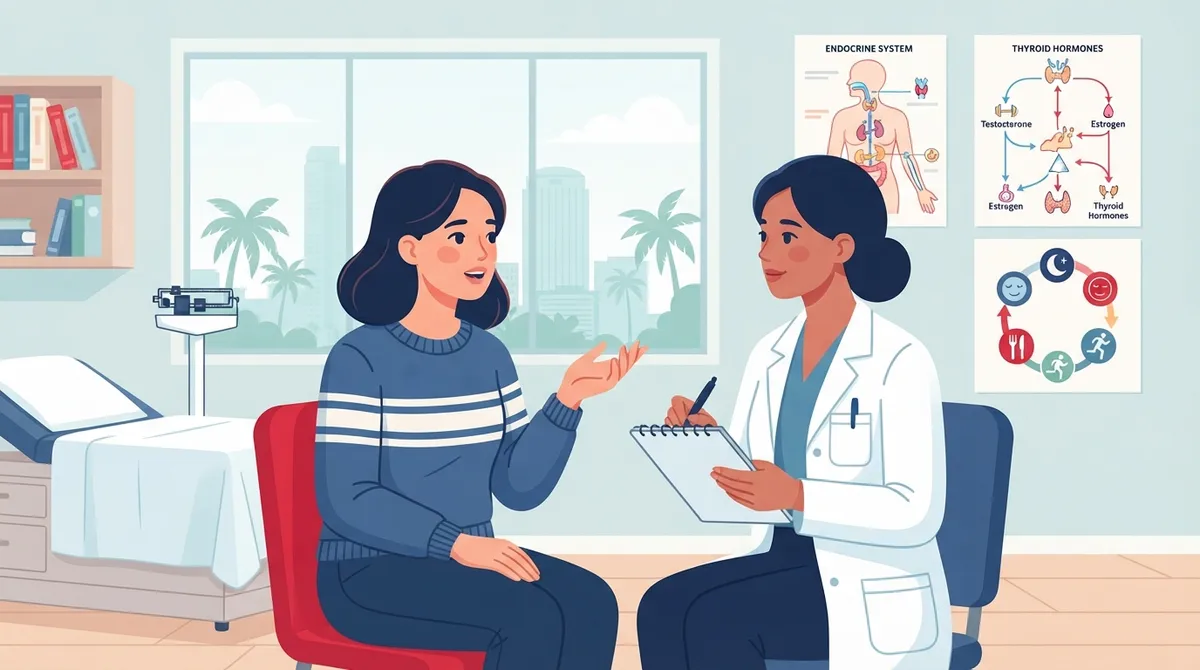
Why Low Sex Drive Deserves a Medical Look
Low desire is rarely caused by one thing. It often reflects several overlapping factors. These can include chronic illness, pain during sex, hormonal or reproductive changes, poor sleep, stress, depression, anxiety, relationship concerns, alcohol or other substances, and medication side effects.
Because so many factors play a part, guessing at the cause rarely works. A medical evaluation looks at the whole picture instead of assuming a single answer. That approach is especially helpful because many contributors are treatable.
A primary care clinician is a practical starting point. Your doctor can review your overall health, check your medicines, order only the tests that make sense, and coordinate referrals when needed. Primary care works well for this because it connects your physical, emotional, and lifestyle health in one place.
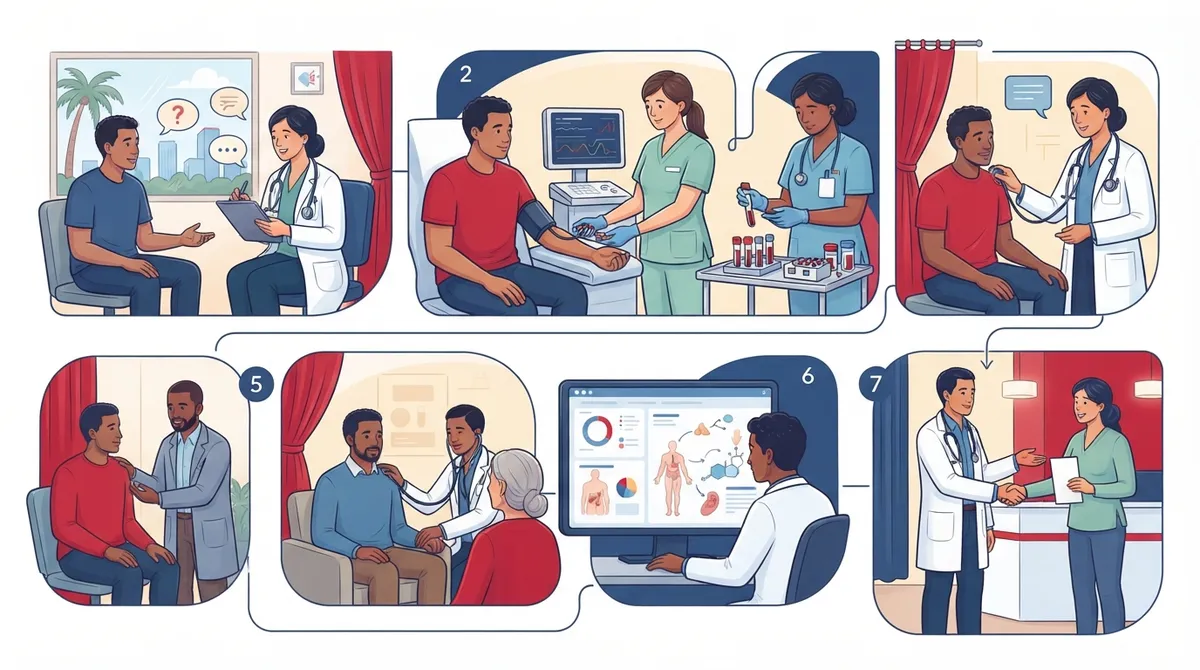
7 Steps in a Low Sex Drive Medical Evaluation
1. A Private, Nonjudgmental Conversation
Every good evaluation begins with a conversation. Your clinician will ask when the change began and whether it is constant or happens only in certain situations. They will also ask how much it bothers you.
Expect questions about:
- Your sexual and reproductive history
- Current and past medical conditions
- Mood, stress, and anxiety levels
- Sleep quality and daily energy
- Relationship satisfaction and communication
- Alcohol, tobacco, and other substance use
- All prescription and nonprescription medicines, including supplements
These questions are routine. Clinicians ask them every day, and your answers stay confidential. Honest details help your doctor find the real cause faster.
2. A Careful Review of Your Medications
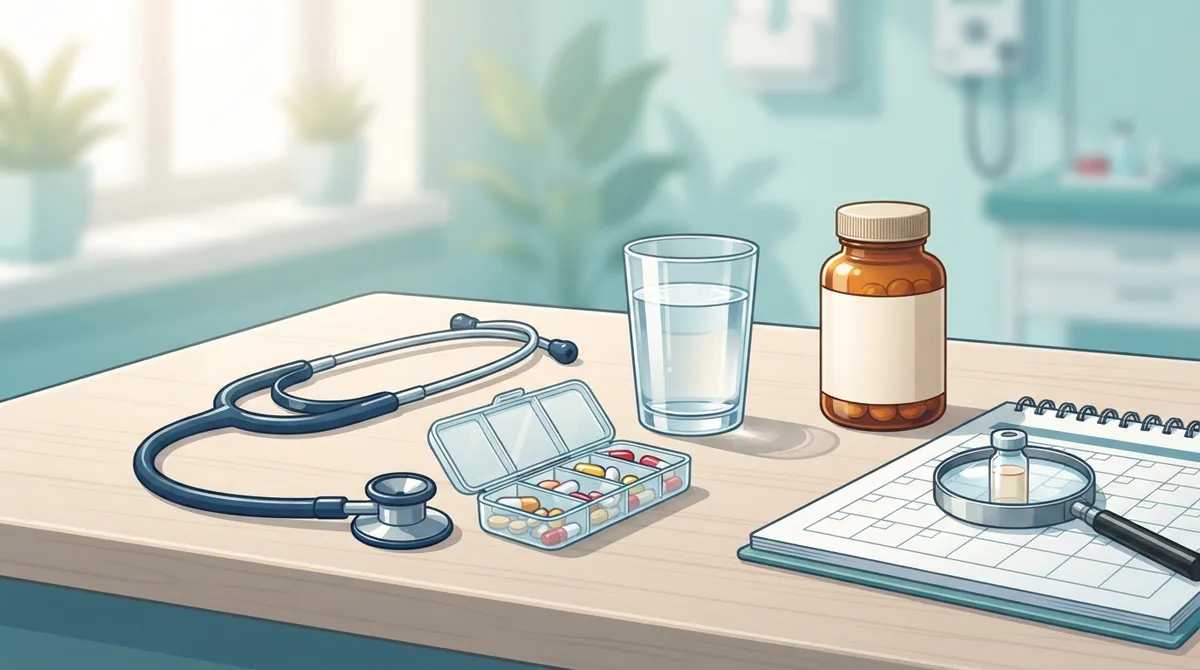
Some medicines can lower desire as a side effect. Examples include certain antidepressants, antipsychotics, and blood pressure medications. Other drugs may also play a role.
Never stop a prescribed medicine on your own. Stopping suddenly can cause real harm. Instead, bring a full list to your visit. Your clinician can talk with you and your prescriber about safer options, such as a dose change or a different medicine. A good prescription management plan keeps your treatment safe and effective.
3. A Targeted Physical Exam
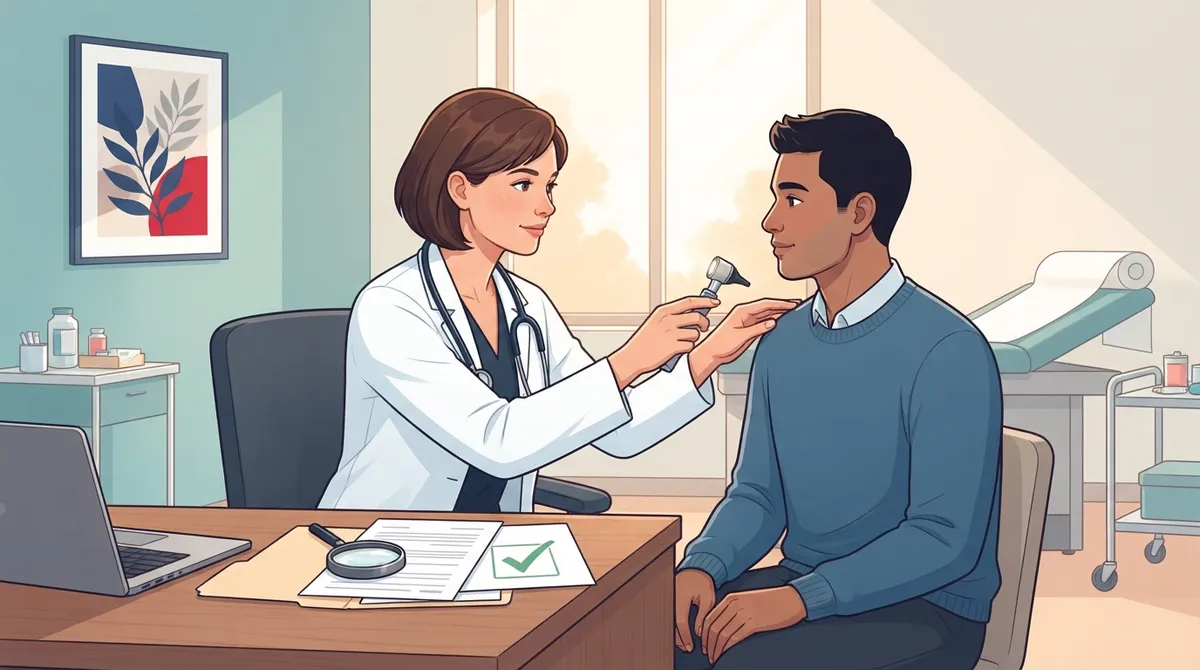
The exam should match your symptoms. It is not a one-size-fits-all checklist. Depending on your history, your clinician may check blood pressure, weight, thyroid, and general signs of health.
If you have pain, dryness, or other genital symptoms, a pelvic or genital exam may be appropriate. This step helps find physical causes that are easy to miss. Women may also benefit from a regular well woman exam, while men may want to learn about prostate exams as part of routine care.
4. Symptom-Guided Lab Testing
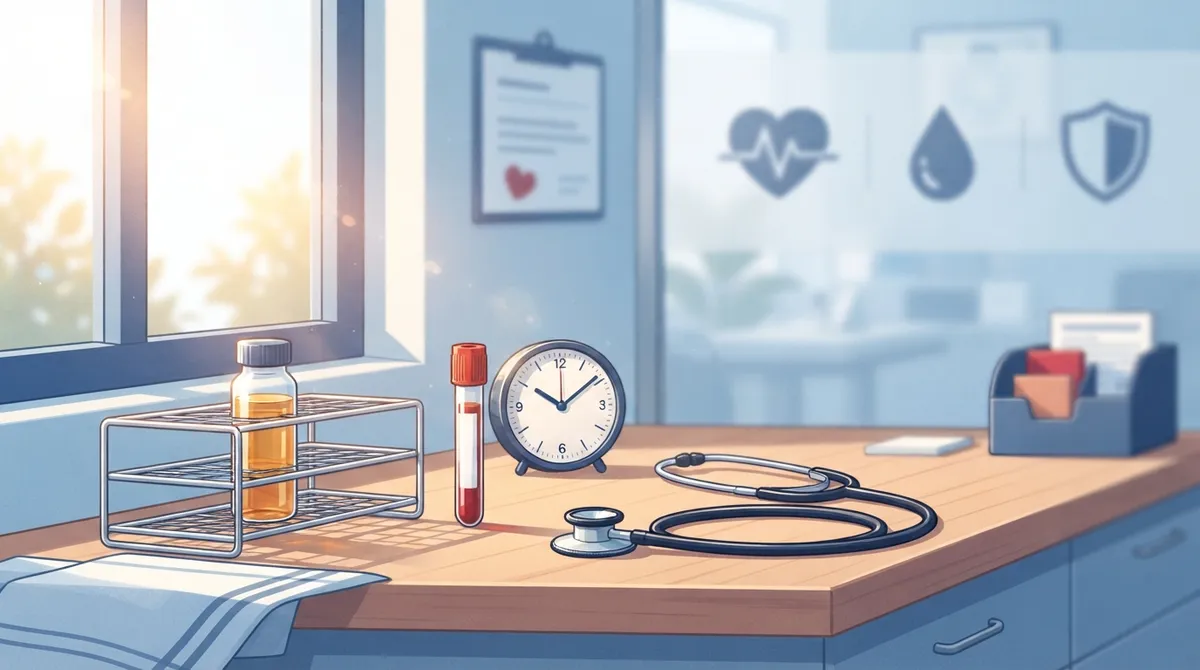
Testing should be guided by your history and symptoms. A single universal hormone panel is not the answer for everyone. Instead, your clinician may consider tests for conditions linked to low desire, such as:
- Thyroid disease
- Diabetes or blood sugar problems
- Elevated prolactin, a hormone that can lower desire
- Anemia, vitamin deficiencies, or other general health markers
In some cases, hormone levels such as testosterone may be checked. Results must be read in context. Low desire by itself does not prove a hormone deficiency. A diagnosis needs a full clinical assessment, and treatment should never be based on symptoms alone.
An in-clinic lab can speed things up. Learn more about the benefits in this comparison of in-house and external lab testing.
5. Screening for Mood, Stress, and Sleep
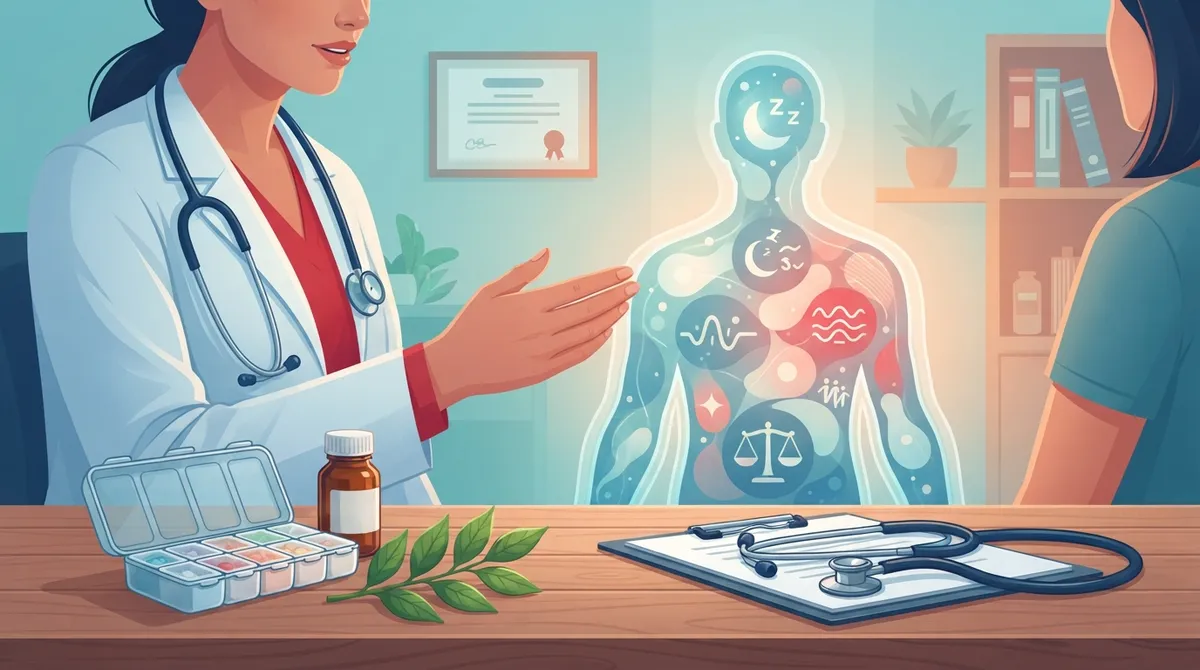
Mental and emotional health strongly affect desire. Depression, anxiety, grief, burnout, and trauma can all lower libido. So can poor sleep, which is common among new parents and shift workers.
Your clinician may use short screening questions to check your mood and stress. Sleep problems may also be reviewed, including snoring or signs of sleep apnea. If emotional factors stand out, your doctor can suggest counseling, a mental-health professional, or a sex therapist. Treating mood and sleep often brings desire back without any other intervention.
6. Looking at Sex-Specific Factors
Women and men often have different contributors, so a thoughtful evaluation looks at each.
|
Area of Focus |
For Women |
For Men |
|---|---|---|
|
Common concerns |
Persistent low desire or arousal that causes distress |
Reduced desire, separate from erection or ejaculation problems |
|
Physical factors |
Menopause-related dryness or pain, postpartum or breastfeeding changes, gynecologic conditions |
Chronic illness, medication effects, possible testosterone deficiency |
|
Possible referrals |
Gynecology, mental-health care, sex therapy |
Urology, endocrinology, behavioral health |
|
Hormone testing |
Based on symptoms and life stage |
Only if deficiency is suspected, with careful interpretation |
For women, persistent low desire that causes significant distress may be assessed as sexual interest or arousal disorder. For men, the clinician first separates low desire from erectile or ejaculation issues, since each has different causes. If you are curious about hormone care, it helps to understand the differences between BHRT and traditional HRT before you decide on any plan. You can also read more about what causes low sex drive in men.
7. A Personal Plan and Smart Referrals
After the evaluation, your clinician should explain what they found and what they still need to rule out. A good plan usually includes several parts:
- Treating any medical condition that was found
- Adjusting medicines with your prescriber when appropriate
- Improving sleep, stress, exercise, and nutrition
- Counseling or couples support when relationship factors matter
- Referral to a specialist if the cause is complex
Specialist referrals might include gynecology, urology, endocrinology, or behavioral and sexual-health care. Your primary care doctor coordinates these visits so nothing gets lost. This kind of coordinated care saves time and gives you a clearer picture of your health.
Lifestyle Habits That Support Healthy Desire
Medical care works best alongside daily habits. Small changes can help libido while you work with your doctor:
- Aim for steady, restful sleep each night
- Move your body most days of the week
- Limit alcohol and avoid smoking
- Find healthy ways to manage stress
- Talk openly with your partner about needs and worries
- Keep up with preventive screenings and checkups
Weight and metabolic health can matter too. Programs such as medical weight loss may support energy, mood, and confidence for some patients, always under a clinician's guidance.
When to See a Doctor About Low Libido
You do not need to wait for a crisis. Consider scheduling a visit if any of these apply:
- The change has lasted several weeks or months
- It causes you distress or strains your relationship
- You feel pain during sex
- You also notice fatigue, mood changes, or weight changes
- You recently started a new medicine
- You have a chronic condition such as diabetes or high blood pressure
Seek care sooner if you have severe pain, sudden changes, or symptoms of depression. Mental-health emergencies need urgent attention.
Finding the Right Care in Tampa
When you look for a low sex drive medical evaluation in Tampa, focus on the type of clinician and the quality of the visit. A primary care provider who listens, explains clearly, and coordinates referrals is a strong choice. Check each clinic's credentials, scope of care, and treatment claims. Be cautious of any place that promises a quick fix or pushes hormone treatment before a full evaluation.
InCare offers personalized primary care in Tampa and Riverview, with in-clinic technology and a prevention-first approach. Our team reviews your whole health, from medications and lab results to sleep, stress, and lifestyle, so your evaluation is complete and respectful. You can learn more about our providers, browse our locations, or see what our patients say. You can also read InCare reviews on Google and follow our updates on Instagram, Facebook, and TikTok.
Not everyone has a regular doctor yet. If that sounds like you, this guide on whether you need a PCP can help you decide. Virtual visits are also available, which suits busy schedules and anyone who prefers to start the conversation from home.
Conclusion
Low sex drive is common, personal, and often treatable. A strong evaluation listens first, reviews medications, uses targeted exams and tests, checks mood and sleep, and builds a plan that fits you. You do not have to figure it out alone or live with the worry.
If you are ready for answers, book your confidential visit with InCare today, or contact our team with any questions. Taking that first step can make a real difference in your health and your confidence.
FAQs
Q: What happens during a medical evaluation for low sex drive?
A: Your clinician starts with a private conversation about your symptoms, health history, mood, sleep, relationships, and medicines. They then perform a targeted exam and order only the tests that fit your situation. Finally, they build a plan and refer you to a specialist if needed.
Q: Does low libido mean I have low testosterone or a hormone imbalance?
A: Not necessarily. Low desire has many possible causes, including stress, sleep problems, medications, and mood changes. A hormone deficiency must be confirmed through a clinical assessment and properly interpreted testing, not assumed from symptoms alone.
Q: Can medications or antidepressants lower sex drive?
A: Yes. Some antidepressants, antipsychotics, and blood pressure medicines can reduce desire. Do not stop any prescribed medicine on your own. Talk with your prescriber about safe options, such as a dose adjustment or a different medicine.
Q: What type of doctor should I see for low sex drive in Tampa?
A: A primary care clinician is a practical first stop. They can review your overall health and medications, order indicated tests, and coordinate referrals to gynecology, urology, endocrinology, or behavioral and sexual-health care if needed.
Q: When should I see a doctor about a change in sex drive?
A: See a doctor when the change lasts for weeks or months, causes you distress, affects your relationship, or comes with pain, fatigue, or mood changes. You should also check in if it began after starting a new medicine.