Key Takeaways
- Testosterone naturally declines around age 30 and drops gradually each year; diagnosis requires both confirmed lab results below 300 ng/dL and persistent symptoms, not just one blood test.
- Low testosterone stems from three types of issues: primary (testicular problems), secondary (brain signals), or mixed; identifying the cause determines the right treatment approach.
- Lifestyle changes like 7-9 hours of sleep, regular strength training, healthy body weight, and stress management can naturally support testosterone production alongside any medical treatment.
- Proper diagnosis requires confirmatory testing on different days plus evaluation for related metabolic issues like thyroid imbalances and insulin resistance, not just isolated hormone measurements.
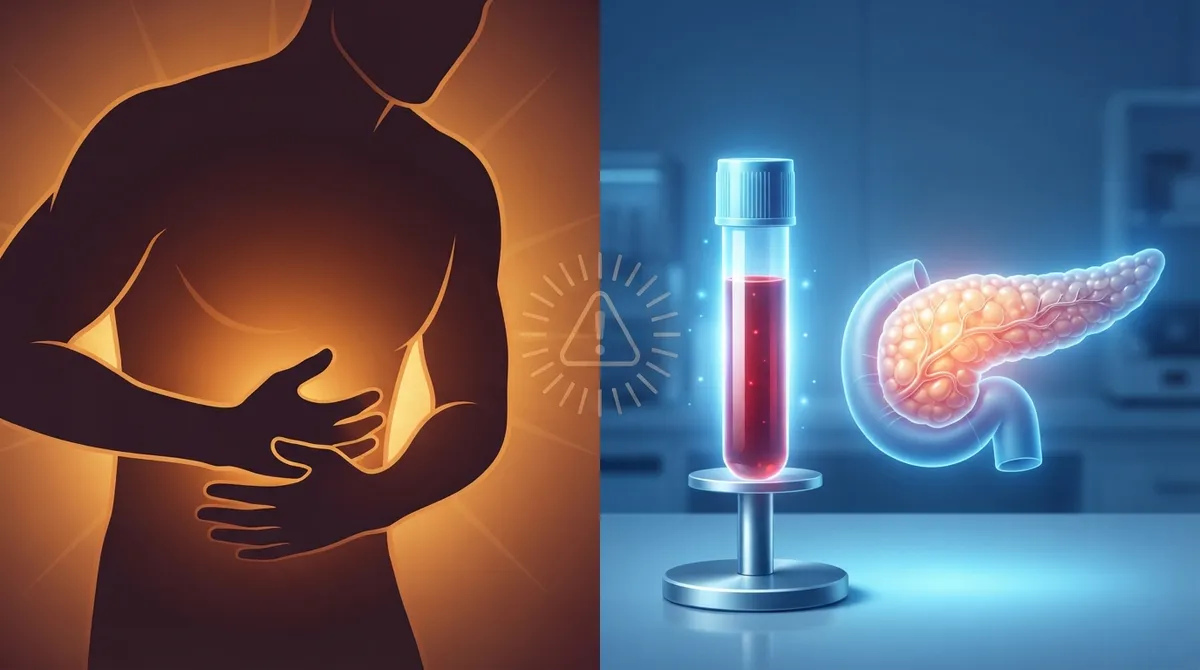
Feeling tired, unmotivated, or noticing changes in muscle and mood? These signs often trace back to one root cause: declining testosterone production. For many men over 30, this hormone drop happens quietly, yet it affects energy, focus, strength, and overall quality of life. Understanding how your body makes testosterone, and knowing when levels dip too low, can help you take action before symptoms worsen.
At InCare, primary care doctors in Tampa and Riverview see this concern regularly among patients balancing careers, families, and fitness goals. This guide breaks down how testosterone production works, what causes it to decline, and what steps you can take with proper medical guidance. Whether you are a busy professional noticing fatigue or someone proactively optimizing your health, this information will help you understand your options.

What Is Testosterone Production and Why Does It Matter
Testosterone is the main male sex hormone. It plays a role far beyond sexual health, influencing muscle mass, bone density, mood, and energy levels. In women, smaller amounts are also produced and matter for overall wellness.
Testosterone production happens mainly in the testes, specifically in cells called Leydig cells. These cells respond to signals sent by the brain through a system called the hypothalamic-pituitary-gonadal axis, often shortened to the HPG axis.
How the Body Regulates Testosterone Levels
The process works like a communication chain between three parts of the body:
- The hypothalamus releases a hormone that signals the pituitary gland.
- The pituitary gland responds by releasing luteinizing hormone, or LH.
- LH travels to the testes and tells Leydig cells to produce testosterone.
When this chain works smoothly, testosterone levels stay balanced. But if any part breaks down, whether in the brain or the testes themselves, production can drop significantly.

What Causes Low Testosterone Production
Low testosterone, also called hypogonadism, happens when the body fails to produce normal hormone levels. Doctors classify this condition into different types based on where the problem starts.
Primary vs Secondary Hypogonadism
Understanding the difference helps determine the right treatment approach.
TypeOriginCommon CausesPrimary HypogonadismTestesTesticular injury, infection, genetic conditionsSecondary HypogonadismHypothalamus or Pituitary GlandPituitary tumors, obesity, chronic illnessMixed HypogonadismBoth testes and brain signalsAging, certain medications, chronic disease
Age is one of the most common factors. Testosterone levels naturally begin declining around age 30, dropping gradually each year after that. This is why many men in their 40s and 50s start noticing symptoms they did not experience earlier in life.
Other Factors That Affect Testosterone Levels
Beyond aging, several lifestyle and medical factors can influence hormone production:
- Chronic stress and elevated cortisol levels
- Poor sleep quality or sleep apnea
- Excess body fat, particularly around the abdomen
- Sedentary lifestyle with little strength training
- Certain medications, including opioids and some steroids
- Chronic conditions like diabetes or metabolic syndrome
A body composition analysis can reveal how excess fat may be contributing to hormone imbalances, giving you a clearer picture of your overall metabolic health.
Recognizing the Symptoms of Low Testosterone
Low testosterone symptoms often develop slowly, making them easy to dismiss as normal aging. However, a cluster of these symptoms together may point to a hormonal issue worth investigating.
Common Warning Signs
- Reduced sex drive or erectile difficulties
- Persistent fatigue despite adequate sleep
- Loss of muscle mass and strength
- Increased body fat, especially around the midsection
- Mood changes, including irritability or depression
- Trouble sleeping or insomnia
- Decreased bone density over time
These symptoms overlap with many other health conditions, which is why proper testing matters. Self-diagnosing based on symptoms alone can lead to unnecessary worry or missed underlying issues.
How Doctors Test for Low Testosterone Production
Primary care providers follow specific guidelines when evaluating testosterone levels. Diagnosis requires more than just symptoms; it needs consistent, measurable evidence from blood work.
The Diagnostic Process
- Your doctor reviews your symptoms and medical history in detail.
- A morning blood test measures total testosterone, since levels are highest early in the day.
- If results are low, a second test confirms the finding on a different day.
- Additional tests may check LH, FSH, and other related hormones.
- Your doctor rules out other conditions that mimic low testosterone symptoms.
Clinical guidelines generally use these testosterone level ranges to guide treatment decisions:
Testosterone LevelClinical InterpretationBelow 300 ng/dL (8 nmol/L)Often considered low, may warrant treatment with symptomsGray Zone (8 to 12 nmol/L)Requires careful evaluation and symptom correlationAbove 12 nmol/L (400 ng/dL)Generally considered normal, treatment not typically indicated
The Endocrine Society recommends diagnosing androgen deficiency when total testosterone measures 300 ng/dL or lower, combined with persistent major symptoms. This dual requirement, both lab values and symptoms, prevents overtreatment based on numbers alone.
When Is Testosterone Therapy Appropriate
Not everyone with borderline testosterone levels needs treatment. The FDA has been clear that testosterone therapy is approved specifically for men with hypogonadism caused by identifiable problems in the testicles, pituitary gland, or brain, not simply for age-related decline.
Factors Your Doctor Will Consider
Before recommending treatment, your primary care provider will evaluate several important factors:
- Severity and persistence of your symptoms
- Confirmed lab results from multiple tests
- Your fertility goals, since therapy can affect sperm production
- Existing health conditions like heart disease or sleep apnea
- Potential risks versus expected benefits of treatment
This individualized approach ensures treatment decisions are safe and appropriate for your specific situation. At InCare, providers take time to review your complete health picture before recommending any hormone therapy.
Steps to Naturally Support Testosterone Production
Whether or not you need medical treatment, certain lifestyle habits can help support healthy hormone levels. These steps work alongside any medical care your doctor recommends.
Practical Lifestyle Changes
- Prioritize seven to nine hours of quality sleep each night.
- Incorporate regular strength training into your weekly routine.
- Maintain a healthy body weight through balanced nutrition.
- Manage chronic stress through relaxation techniques or exercise.
- Limit alcohol consumption and avoid recreational drug use.
- Stay hydrated and consider proper nutrient intake through whole foods.
Some patients also explore IV hydration and vitamin drips to support overall energy and recovery, particularly when combined with an active lifestyle and strength training program.
Why Comprehensive Testing Matters
Testosterone issues rarely exist in isolation. Many patients with low testosterone also have related metabolic concerns, including insulin resistance or thyroid imbalances. A thorough evaluation looks at the whole picture, not just one hormone level.
Advanced Tools for Whole-Body Assessment
Modern primary care now includes tools that go beyond basic blood work:
- DNA gene testing to understand genetic predispositions affecting hormone metabolism
- Metabolic breath analysis to assess how your body uses energy
- 3D body composition scanning to track muscle and fat changes over time
- Comprehensive lab panels covering thyroid, metabolic, and hormone markers
These tools give both patients and providers a clearer, data-driven view of health, moving beyond guesswork toward precision care.
Finding the Right Primary Care Partner
Choosing where to get evaluated matters as much as the testing itself. You want a provider who takes symptoms seriously, orders appropriate testing, and explains results clearly without rushing to prescribe unnecessary treatment.
What to Look for in a Provider
- A willingness to order confirmatory testing rather than relying on a single blood draw.
- Clear explanations of your results and what they mean for your health.
- A collaborative approach that considers your goals, whether fertility, energy, or muscle mass.
- Access to advanced diagnostic tools beyond standard blood panels.
- Ongoing monitoring if treatment is started, to track progress and adjust safely.
InCare's providers across Tampa and Riverview bring this thorough, patient-centered approach to hormone health. Patients consistently mention this attentive care style, and the practice holds a 4.8 out of 5 rating on Google from hundreds of reviews. You can visit us on Google — InCare to read what current patients have to say about their experience.
Comparing Evaluation Options
Patients often wonder how in-clinic evaluation compares to at-home test kits or general urgent care visits. The table below outlines key differences.
Evaluation TypeAccuracyFollow-Up CareBest ForAt-Home Test KitsVariable, single sampleLimited or noneInitial curiosity onlyUrgent Care VisitBasic screeningMinimal follow-upAcute symptoms, not hormone managementPrimary Care EvaluationHigh, confirmed testingOngoing monitoring and adjustmentComprehensive hormone health management
Primary care remains the most reliable path for anyone concerned about testosterone production, since it allows for proper confirmation testing and long-term follow-up. If symptoms are affecting your daily life, an urgent care visit may address acute concerns, but ongoing hormone evaluation belongs in a primary care setting.
Staying Informed and Connected
Health information changes quickly, and staying current helps you make better decisions. InCare shares educational content and patient tips through its Facebook page, Instagram account, and TikTok channel, offering accessible ways to learn about wellness topics like testosterone health between visits.
Regular primary care visits also allow your provider to track testosterone trends over time rather than reacting to a single data point. This long-term view often reveals patterns that a one-time test would miss entirely.
Take Control of Your Hormone Health Today
Understanding testosterone production empowers you to make informed decisions about your health. Whether you are noticing early symptoms or want a proactive baseline check, proper testing and guidance make all the difference. Low testosterone is manageable, but only with accurate diagnosis and a personalized plan built around your specific needs and goals.
Ready to get answers about your hormone health? Book Now to schedule a comprehensive evaluation at InCare's Tampa or Riverview location, or reach out to our team with any questions about testing and treatment options available to you.
FAQs
Q: What causes low testosterone production in men?
A: Low testosterone can result from aging, testicular problems, pituitary or hypothalamic dysfunction, obesity, chronic illness, or certain medications. Doctors classify these causes as primary, secondary, or mixed hypogonadism depending on where the disruption occurs in the hormone signaling process.
Q: How is testosterone production regulated in the body?
A: Testosterone production is controlled by the hypothalamic-pituitary-gonadal axis. The hypothalamus signals the pituitary gland, which releases luteinizing hormone that instructs Leydig cells in the testes to produce testosterone.
Q: What are the symptoms of low testosterone?
A: Common symptoms include reduced libido, erectile dysfunction, persistent fatigue, decreased muscle mass, increased body fat, mood changes, insomnia, and reduced bone density. These symptoms should be evaluated alongside confirmed lab testing rather than diagnosed alone.
Q: How do doctors test for low testosterone in primary care?
A: Doctors typically order a morning blood test to measure total testosterone, since levels peak early in the day. If results are low, a second confirmatory test is done, and additional hormone panels may be ordered to identify the underlying cause.
Q: When is testosterone therapy recommended?
A: Testosterone therapy is generally recommended for men with confirmed low levels, usually below 300 ng/dL, combined with persistent symptoms. The FDA has clarified that therapy is approved for hypogonadism caused by specific testicular, pituitary, or brain disorders, not simply age-related decline alone.