
Key Takeaways
- Ipamorelin raises growth hormone, but that lab effect has not been proven to deliver weight loss, muscle gain, better sleep, or anti-aging benefits in patients.
- Ipamorelin is not FDA-approved for wellness, anti-aging, weight loss, or growth-hormone deficiency, and FDA materials say clinical data does not support treating GH deficiency with it.
- FDA has flagged compounded ipamorelin for possible immune reactions from aggregation or impurities and limited safety data for some injection routes; ask who makes the product and whether independent lab testing is done.
- Before treatment, a legitimate clinic should take your full history, medications, and labs, name a specific medical condition, and explain risks, alternatives, and a monitoring plan.
- Red flags include guaranteed results, no physical exam, pressure to buy multi-month packages up front, before-and-after photos used as proof, and no after-hours follow-up contact.
- Long-term safety of ipamorelin is unknown, and a prior IV study reported low potassium, high blood sugar, insomnia, and two deaths, so take time to decide and bring your questions and medication list.
If you search for an ipamorelin peptide clinic in Riverview, you will find plenty of bold promises. Ads and social posts often describe ipamorelin as a shortcut to leaner bodies, deeper sleep, and younger skin. The medical evidence tells a more careful story, and readers deserve to hear it before they commit time or money.
Ipamorelin is a synthetic peptide that prompts the body to release growth hormone. That is a real biological effect. But a rise in a hormone level does not prove a health benefit, and it is not FDA-approved for weight loss, muscle gain, anti-aging, or wellness use.
This guide gives you seven practical questions to ask before you visit any clinic. It also explains what the research does and does not show. For busy professionals, young families, and wellness-minded adults across Riverview and Tampa Bay, the goal is simple: help you make a safe, informed choice with a licensed clinician at your side.
What Is Ipamorelin and How Does It Work?
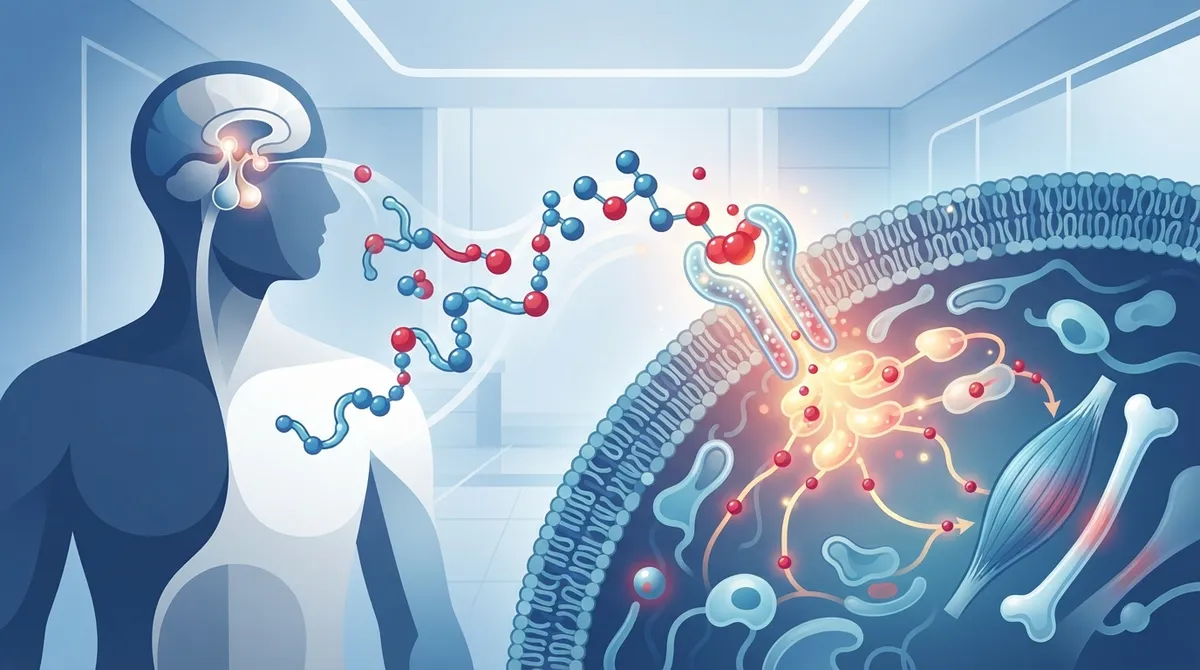
Ipamorelin is a growth-hormone-releasing peptide. It acts on the ghrelin receptor, which signals the pituitary gland to release growth hormone. Clinics often market it for recovery, body composition, sleep, and healthy aging.
Here is the key point. Early human research showed that ipamorelin can raise growth hormone. That finding does not establish that it helps with weight loss, muscle gain, sleep, or looking younger. A lab marker is not the same as a patient outcome.
Many people also confuse it with similar peptides. If you want a side-by-side look, read our guide on CJC-1295 vs Ipamorelin: Which Peptide Fits Your Goals.

7 Questions to Ask Before Choosing a Peptide Clinic in Riverview
Use these questions as a checklist. A trustworthy clinic will welcome them. A clinic that dodges them has given you useful information.
1. Will a Licensed Clinician Evaluate Me First?
A real medical visit starts with your history, medications, and goals. It should include an exam and, when appropriate, lab work. If a clinic offers peptides after a quick online form or a sales call, treat that as a warning sign.
Medical supervision matters because growth hormone pathways affect blood sugar, fluid balance, and other body systems. A clinician who knows your full health picture can spot risks you may not see yourself. Our article on how to confirm your peptide therapy is medically supervised walks through what to look for.
2. What Specific Medical Condition Are You Treating?
Good medicine targets a diagnosis or a clear clinical need. Ask the clinic to name the condition and the reason ipamorelin fits it. "General wellness" or "optimization" is not a medical indication.
FDA materials state that available clinical information does not support ipamorelin for diagnosing or treating growth-hormone deficiency. So if someone claims it treats that condition, ask for the evidence in writing.
3. What Evidence Supports This Use?
Ask to see the studies behind the claim. Then check what those studies actually measured. Here is what the FDA review describes:
- A randomized, placebo-controlled dose-escalation study in 48 healthy men looked at how the body processes the drug and how it affects hormone levels. It did not test effectiveness for any wellness goal.
- A study of intravenous ipamorelin for postoperative ileus reported adverse events including low potassium, high blood sugar, insomnia, nausea, vomiting, and abdominal distention.
- Two deaths occurred among treated subjects in that study. FDA materials say the relationship to ipamorelin is unclear.
Results from one clinical setting should not be assumed to apply to different doses, routes, or wellness goals. Long-term safety has not been established. For a deeper look, see what ipamorelin research actually shows so far.
4. Is the Product Compounded, and Where Does It Come From?
This question matters more than most people realize. Compounded drugs are not reviewed by FDA for safety and effectiveness the way approved drugs are. Quality can vary by pharmacy and by batch.
FDA has raised specific concerns about compounded ipamorelin:
- Possible immune reactions linked to peptide aggregation or impurities
- Limited safety information for some injection routes
- Placement of ipamorelin acetate in 503B Category 2
Ask who makes the product, whether it is tested by an independent lab, and how the clinic handles storage. Our guide to FDA-approved vs compounded peptides explains the difference in plain language.
5. What Is the Current Regulatory Status?
Rules around peptides keep changing, so ask the clinic to explain where things stand today. At its October 2024 Pharmacy Compounding Advisory Committee meeting, FDA proposed not adding ipamorelin free base or ipamorelin acetate to the 503A bulks list. The committee voted against inclusion, with 0 votes in favor, 12 opposed, and 1 abstention.
An advisory committee vote is not a final approval or a final ban. It is a strong signal, though, and a good clinic should be able to discuss it openly. For more detail, read 9 Facts on Ipamorelin FDA Approval Status in 2026 and 3 Ipamorelin Legal Status Mistakes to Avoid in 2026.
6. What Are the Risks, Alternatives, and Monitoring Plan?
Every treatment has tradeoffs. A responsible clinician should explain side effects, who should avoid the treatment, and what happens if you have a reaction. They should also lay out lower-risk options.
Ask these follow-up questions:
- What side effects have been reported, and what should I watch for?
- Which labs or checkups will you order, and how often?
- What would make you stop treatment?
- Who do I call if I feel unwell between visits?
- What are my other options if I decide not to use a peptide?
If you are already taking other medications, bring a full list. You can learn how clinics should handle this in our article on 15 questions to ask a peptide therapy clinic in Tampa.
7. Can I Take Time to Decide?
Pressure tactics are a red flag. Limited-time deals, prepaid packages, and "start today" pushes do not belong in healthcare. A sound clinic lets you go home, read, and think.
Also watch for before-and-after photos used as proof. Individual stories are not clinical evidence. Our piece on ipamorelin before-and-after claims explains why.
Marketing Claims vs. What the Evidence Shows
The table below compares common clinic claims with the current state of the evidence. It is a simple way to separate marketing from medicine.
|
Common Claim |
What the Evidence Shows |
|---|---|
|
Burns fat and aids weight loss |
Not established. Raised growth hormone does not prove weight loss. |
|
Builds muscle |
Not established for healthy adults in published, regulator-reviewed data. |
|
Reverses aging |
No FDA approval for anti-aging. Long-term safety is unknown. |
|
Improves sleep |
Not demonstrated. Insomnia was reported as an adverse event in one study. |
|
Treats growth-hormone deficiency |
FDA materials say clinical information does not support this use. |
|
Safe because it is "natural" |
It is a synthetic peptide. FDA has raised safety and quality concerns about compounded versions. |
If you want to see how the athletic world treats these products, our article on peptides for athletes: hype vs medical reality adds helpful context.
Evidence-Based Alternatives for Common Health Goals
Many people look into peptides because they want to feel better, lose weight, or age well. There are proven starting points that a primary care clinician can guide you through.
- Weight management: Medically supervised programs, nutrition coaching, and FDA-approved medications when appropriate. See 11 reasons medical weight loss clinics work better in 2026.
- Poor sleep: A medical review for sleep apnea, stress, and medication effects. Start with how to know when to see a doctor for poor sleep.
- Low energy or hormone concerns: Lab testing to find the real cause, then treatment matched to the result.
- Fitness and recovery: Structured training, protein intake, and sleep, with testing such as VO2 max when useful.
- Prevention: Cancer screenings, blood pressure checks, and metabolic labs at regular visits.
These steps are less flashy than a peptide, but they rest on far stronger evidence. They also work well for tech-savvy adults who like data. Body composition scans, metabolic breath analysis, and DNA gene testing can show where you stand and track real progress over time.
How a Primary Care Clinic Fits Into Peptide Decisions
A primary care practice can be a safer front door than a stand-alone peptide shop. Your clinician already knows your history, your medications, and your risk factors. That context is hard to replace.
At InCare, the approach centers on prevention and whole-body health. The team in Riverview and Tampa combines personalized primary care with advanced tools such as metabolic breath analysis, body composition imaging, and cancer screening. If you ask about peptides, the conversation starts with evidence, safety, and your goals, not a sales script.
Families benefit from this model too. One practice can handle your annual physical, your child's checkups, and your questions about supplements or new wellness trends. If you are still searching for a doctor, see how to find a family doctor accepting new patients in Riverview.
Red Flags That Suggest a Clinic May Not Be Medically Supervised
Keep this short list in mind as you compare options:
- No physical exam, history, or lab review before treatment
- Promises of guaranteed results
- No clear answer on where the product is made
- Claims that FDA approves ipamorelin for wellness or anti-aging
- Pressure to buy multi-month packages up front
- No follow-up plan or after-hours contact
- Refusal to discuss risks, side effects, or alternatives
One or two of these may be a communication problem. Several together suggest you should look elsewhere. You can compare more options in our guide to how to vet peptide therapy in Tampa safely.
What to Bring to Your Appointment
Preparation makes any visit more useful. Before you meet with a clinician about peptides or any wellness treatment, gather these items:
- A full list of current medications and supplements
- Recent lab results, if you have them
- A short note on your goals and what you have already tried
- Any product labels or clinic materials you were given
- Your questions, written down from the checklist above
Bringing this information helps the clinician give you honest, tailored advice. It also keeps the focus on your health rather than on a product.
The Bottom Line on Ipamorelin in Riverview
Ipamorelin is a real peptide with a real effect on growth hormone. But the leap from that effect to promised wellness benefits has not been proven. It is not FDA-approved for these uses, the compounding concerns are unresolved, and long-term safety is unknown.
That does not mean you cannot ask about it. It means you should ask hard questions, expect clear answers, and work with a licensed clinician who puts your safety first. Your health is too important to base on marketing.
If you want a careful, evidence-first conversation about your goals, the InCare team is here to help. You can book an appointment online or contact our team with questions. You can also see what patients say when you read InCare reviews on Google, and follow our updates on Instagram, Facebook, and TikTok.
FAQs
Q: Is ipamorelin FDA-approved for wellness or anti-aging?
A: No. Ipamorelin is not FDA-approved for wellness, anti-aging, weight loss, or growth-hormone deficiency. FDA materials state that available clinical information does not support its effectiveness for diagnosing or treating growth-hormone deficiency.
Q: What does the FDA say about compounded ipamorelin?
A: FDA has raised concerns about possible immune reactions tied to peptide aggregation or impurities, and about limited safety information for some injection routes. In October 2024, an FDA advisory committee voted 0 in favor and 12 opposed on adding ipamorelin-related substances to the 503A bulks list.
Q: Is ipamorelin safe, and what side effects have been reported?
A: Long-term safety has not been established. A study of intravenous ipamorelin reported low potassium, high blood sugar, insomnia, nausea, vomiting, and abdominal distention. Two deaths occurred in that study, though FDA materials say the link to ipamorelin is unclear.
Q: Does ipamorelin help with weight loss, muscle gain, or sleep?
A: Evidence does not establish these benefits. Early research showed ipamorelin can raise growth hormone, but that does not prove improvements in weight, muscle, sleep, or aging. Speak with a licensed clinician about evidence-based options for your goals.
Q: How can I tell whether a peptide clinic is medically supervised?
A: Look for a licensed clinician who takes your history, performs an exam, orders labs when appropriate, and explains risks, alternatives, and follow-up. Be cautious of clinics that sell peptides without an evaluation or use pressure tactics.