Key Takeaways
- See a primary care clinician if low desire worries you, causes personal distress, strains your relationship, lasts a long time, or keeps returning. No set waiting period is required before asking for help.
- Book a visit promptly if low desire starts suddenly, comes with new symptoms like fatigue, weight or mood changes, or hot flashes, or began after starting a new medication.
- Painful sex, vaginal dryness, or erectile difficulties can lower desire over time, and these often have treatable causes worth evaluating.
- Do not stop or change a prescribed medicine on your own if you suspect it lowers desire; ask the prescriber about adjusting the dose, changing timing, or switching drugs.
- Bring a timeline of when the change started, a list of all medicines and supplements, notes on sleep, mood, and energy, and your goals so your clinician can pinpoint causes faster.
- Seek urgent care for low desire paired with chest pain, shortness of breath, severe fatigue, or persistent hopelessness, and seek immediate help for any thoughts of self-harm.
A dip in sexual desire is common, and it is rarely a sign that something is wrong with you as a person. Still, many adults wonder when it is time to stop waiting and ask for help. If you have been asking yourself, "when should i see a doctor for low libido," you are in good company, and the answer is simpler than you might expect.
Low libido is not automatically a medical disorder. It can reflect stress, sleep, mood, medications, hormones, relationships, or a mix of all of these. Primary care is often the best place to start because your doctor can look at the whole picture, not just one symptom.
This article explains the signs that suggest it is time to book a visit, the common causes behind a lower sex drive, what to expect at an appointment, and the care options that may help. Whether you prefer an in-person visit or a virtual one, the goal is the same: clear answers and a plan that fits you.
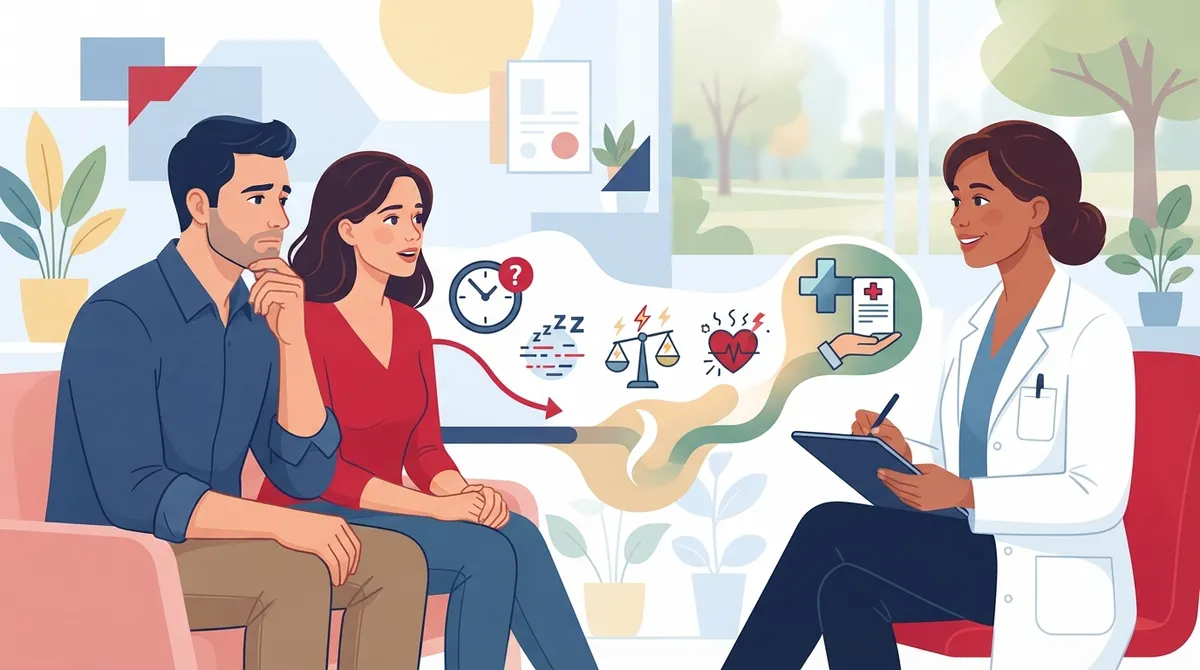
Short Answer: When Should You See a Doctor for Low Libido?
You should consider seeing a primary care clinician when low sexual desire worries you, causes personal distress, affects your relationship or quality of life, lasts a long time, or keeps coming back. You do not need to wait for a set number of weeks or months. You also do not need to meet a formal medical definition before asking for help.
Your own experience is what counts. Clinical concern depends on how the change affects you, not on how your desire compares to a partner's or to some imagined "normal" level. If it bothers you, it is worth a conversation.

Seven Signs It Is Time to Make an Appointment
Some situations make a visit more urgent or more useful. Consider booking an appointment if any of these apply to you.
- The change feels sudden or dramatic. A sharp drop in desire is worth discussing, especially if you cannot point to an obvious trigger.
- It comes with other new symptoms. Fatigue, weight changes, mood changes, hot flashes, pain, or erectile or vaginal symptoms can point to an underlying issue.
- It is causing distress. If you feel worried, frustrated, or sad about your desire, that distress is reason enough.
- It is affecting your relationship. Tension, avoidance, or loss of closeness can grow when desire stays low for a long time.
- It has lasted a long time or keeps returning. Ongoing patterns deserve attention even if they come and go.
- It started after a new medication. Some medicines can affect desire, and your prescriber can review options.
- Sex has become painful or difficult. Pain, dryness, or erectile difficulty can reduce desire over time and often has treatable causes.
If one or more of these sounds familiar, you can book an appointment with InCare to start the conversation in a private, judgment-free setting.
Is Low Libido Normal?
Sexual desire naturally changes across life. Busy seasons, new babies, grief, job stress, and aging can all lower interest in sex for a while. For many people, that is a normal response to life, not a medical problem.
Research shows how common these changes are. A 2025 cross-sectional study reported that 62.1% of women and 46.8% of men said their sexual desire had decreased compared with the prior year. That is a self-reported change in one study sample, not a general-population rate, but it shows that many people experience shifts in desire.
Another review cited in a 2026 Indian Psychiatric Society document reported that clinically distressing low desire affected 8.9% of women aged 18 to 44, 12.3% through age 64, and 7.4% of those over 65. These figures depend on how each study defined and measured the problem, so they should be read with care. The key point is that low desire becomes a clinical concern mainly when it causes distress.
Common Causes of Low Libido
Low desire rarely has a single cause. Physical, emotional, and relationship factors often overlap. Understanding the possible contributors can help you decide what to share with your doctor.
Lifestyle and Emotional Factors
- Ongoing stress, burnout, or exhaustion
- Poor sleep or untreated sleep problems
- Anxiety or depression
- Relationship conflict or lack of emotional closeness
- Alcohol or drug use
Sleep deserves special mention. If you are tired all the time, desire often falls first. Our guide on how to know when to see a doctor for poor sleep can help you decide if rest may be part of the picture.
Physical and Medical Factors
- Pain during sex, vaginal dryness, or erectile difficulties
- Pregnancy, childbirth, and breastfeeding
- Menopause and other hormone changes
- Chronic conditions such as diabetes, heart disease, and thyroid disease
- Hormone-related concerns, including low testosterone in some people
Hormones can play a role for both men and women. If you are curious about how hormone care works in a primary care setting, read about whether low sex drive is a medical issue and what to know in 2026.
Medications That Can Affect Desire
Some prescriptions can lower sexual desire. These include certain antidepressants, especially SSRIs, some blood pressure medicines, and hormonal contraception. This does not mean you should avoid these medicines. They treat real conditions and often help a great deal.
Do not stop or change a prescribed medicine on your own. Instead, bring it up with the prescriber. There are often options, such as adjusting a dose, changing the timing, or switching to a different medicine.
Quick Reference: Symptoms and Possible Next Steps
|
What You Notice |
Possible Contributors |
Helpful Next Step |
|---|---|---|
|
Sudden drop in desire |
Medication effect, thyroid issue, mood change, other health condition |
Primary care visit with history review |
|
Low desire plus fatigue and low mood |
Depression, sleep problems, hormone changes |
Mood screening and lab testing as needed |
|
Pain or dryness during sex |
Menopause, hormonal shifts, pelvic conditions |
Exam and discussion of treatment options |
|
Erectile difficulties with low desire |
Cardiovascular, metabolic, or hormone factors |
Evaluation, blood tests, and risk review |
|
Desire dropped after starting a medicine |
Medication side effect |
Talk with the prescriber about options |
|
Gradual decline with life stress |
Stress, burnout, relationship strain |
Wellness visit and lifestyle plan |
What Happens at a Low Libido Appointment?
Many people delay care because they feel embarrassed. It helps to know what to expect. Clinicians discuss sexual health every day, and the visit is confidential.
A Private Conversation First
A primary care evaluation usually begins with a talk. Your clinician may ask when the change started, how it affects you, and what your overall health looks like. Expect questions about your medical history, current medicines, mood, stress, sleep, relationships, and any pain or other sexual symptoms.
Exam and Testing When Appropriate
Depending on what you describe, your clinician may suggest a physical or pelvic exam and targeted blood tests. These may look for thyroid disease, diabetes, or hormone-related concerns. Testing is not necessarily required for everyone. The history often guides what makes sense.
InCare uses advanced technology to support this kind of whole-body review. Tools such as in-house lab testing and metabolic assessments can give a clearer view of how your body is functioning. You can learn more about our approach on our primary care page.
Referrals When Needed
If your care needs go beyond primary care, your clinician may refer you to gynecology, urology, endocrinology, mental health care, or a sex therapist. Primary care helps you find the right next step so you are not guessing alone. Understanding the difference between a primary care doctor and a specialist can make that path clearer.
How to Prepare for Your Visit
A little preparation makes the appointment more productive and less stressful. Try these steps before you go.
- Write down your timeline. Note when you first noticed the change and whether it came on suddenly or slowly.
- List your medicines and supplements. Include prescriptions, over-the-counter products, and hormonal birth control.
- Track related symptoms. Jot down sleep, mood, energy, pain, and any physical changes.
- Think about your goals. Decide what you hope to improve, such as desire, comfort, or closeness.
- Bring your questions. Write them down so you do not forget them in the moment.
If you are unsure what to bring, our checklist for your first primary care visit covers the basics. Being open and specific helps your clinician pinpoint likely causes faster.
Treatment Options for Low Libido
Care is individualized. There is no single fix because the causes differ from person to person. Treatment often focuses on whatever is driving the change.
Addressing the Root Cause
- Underlying conditions: Managing diabetes, thyroid disease, or heart concerns can improve overall function and desire.
- Medication review: Your prescriber may adjust or switch a medicine that affects desire.
- Pain and dryness: Targeted treatments can improve comfort, which often improves interest.
- Mental health support: Treating anxiety or depression can bring desire back.
- Stress and sleep: Better routines and treatment for sleep problems can make a real difference.
- Relationship and sex therapy: Counseling can help when emotional closeness or communication is part of the issue.
Hormone-Related Care
When testing points to a hormone-related cause, a clinician can discuss options that fit your health history. For men, our overview of who provides medically supervised TRT in Tampa Bay explains what safe, monitored care looks like. Treatment should always be guided by testing, symptoms, and a careful risk review, not by guesswork.
Whole-Body Wellness
Desire is tied to overall health. Weight, metabolism, energy, and fitness all play a part. Wellness services such as metabolic assessments, body composition analysis, and personalized weight management can support the larger picture. You can explore how medical weight loss clinics work better when libido and energy are part of the goal.
Who Should Seek Care Sooner?
Some situations call for a faster visit instead of waiting to see if things improve. Reach out promptly if you notice any of the following:
- Low desire along with chest pain, shortness of breath, or severe fatigue
- Persistent sadness, hopelessness, or thoughts of self-harm, which need urgent attention
- Pain during sex that does not ease
- Sudden changes after starting or stopping a medicine
- Unexplained weight changes, hair changes, or temperature intolerance
If you ever have thoughts of harming yourself, seek immediate help through emergency services or a crisis line. For concerns that feel urgent but are not emergencies, InCare also offers urgent care services.
Why Primary Care Is a Smart First Stop
It can feel awkward to bring up a private topic, so some people avoid it for years. Yet primary care is built for exactly this kind of whole-person question. Your clinician already knows your history, your medicines, and your health goals. That context helps connect the dots between mood, hormones, sleep, and other factors.
At InCare, care is personalized and prevention-focused. With locations in Tampa and Riverview, plus virtual visits, patients can choose what fits their schedule. Many of our patients are busy professionals, young families, and wellness-minded adults who want clear answers without long waits. You can see what patients say by reading InCare reviews on Google.
You can also follow our health tips and updates on Instagram, Facebook, and TikTok.
Take the Next Step
Low libido is common, treatable, and nothing to be ashamed of. The best time to see a doctor is when the change worries you, affects your life, comes on suddenly, lasts, or shows up with other symptoms. You do not need to wait for it to get worse.
A clear evaluation can uncover causes you may not expect, from medication effects to thyroid concerns to stress and sleep. Then you can build a plan that fits your body and your life.
Ready to talk with someone who will listen? Book your visit with InCare today, or contact our team with any questions. We are here to help you feel like yourself again.
FAQs
Q: When should I see a doctor about low libido?
A: See a primary care clinician if low desire worries you, causes distress, affects your relationship, lasts a long time, keeps returning, or starts suddenly. There is no required waiting period before you ask for help.
Q: Can stress, anxiety, or depression cause low libido?
A: Yes. Stress, fatigue, anxiety, and depression are common contributors to reduced sexual desire. A clinician can screen for mood concerns and suggest treatment, which often helps desire improve.
Q: Can antidepressants or birth control lower sex drive?
A: They can in some people. Certain antidepressants, especially SSRIs, some blood pressure medicines, and hormonal contraception may affect desire. Do not stop a prescribed medicine on your own; talk with the prescriber about options.
Q: What tests might a doctor do for low libido?
A: A visit usually starts with a confidential discussion of your history, medicines, mood, and symptoms. Depending on what you share, your clinician may consider a physical or pelvic exam and targeted blood tests for thyroid disease, diabetes, or hormone-related concerns.
Q: Can low libido be a sign of a medical condition?
A: Sometimes. Low desire can be linked to conditions such as diabetes, heart disease, thyroid disease, or hormone changes. It can also stem from medications, stress, or relationship factors, which is why an evaluation is helpful.