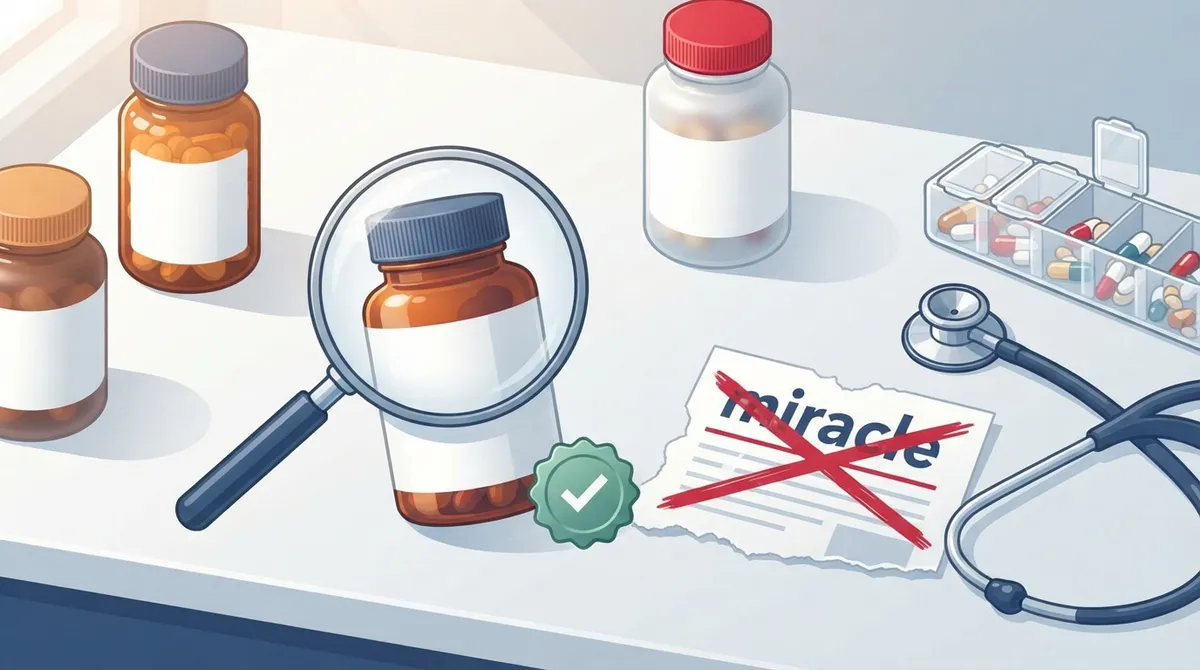
Key Takeaways
- Ask the clinic for the exact substance, dose, route, and licensed pharmacy supplier; vague blend names or unnamed suppliers are warning signs.
- Confirm whether the peptide is FDA-approved for your specific condition, since approval for one peptide does not prove another is safe or effective.
- Compounded and wellness peptides like BPC-157 and TB-500 are not FDA-approved, and human evidence and long-term safety are often limited or unclear.
- Choose clinics that review your full health history first, explain what is unknown, and avoid promises, guarantees, or pressure to buy long prepaid packages.
Searching for a peptide therapy medical clinic in Tampa can feel confusing. Many clinics advertise recovery, anti-aging, and energy benefits. Yet "peptide therapy" is not one single treatment. It covers products with very different evidence and very different legal status.
Some peptide medicines, such as semaglutide and tirzepatide, are FDA-approved for specific uses. Many other peptides sold for wellness are not approved medicines. Human research on them may be limited, and long-term safety is often unclear. Clinic websites are marketing sources, not proof of benefit.
This guide gives you 15 practical questions to ask before you start. It is written for busy professionals, young families, and health-minded adults who want facts before they commit. Use it to compare any peptide therapy medical clinic in Tampa with a clear, careful eye. You will learn what to ask, what good answers sound like, and when to walk away.

Why Peptide Therapy Needs a Careful Look
Peptides are short chains of amino acids. Your body makes many of them naturally. Insulin is one well-known example. Because peptides play real roles in the body, they sound promising as treatments.
The problem is the gap between hype and evidence. Marketing often treats all peptides as the same. In reality, they fall into very different groups.
|
Category |
Examples |
Regulatory Status |
What to Know |
|---|---|---|---|
|
FDA-approved peptide medicines |
Semaglutide, tirzepatide |
Approved for specific conditions |
Tested in large trials for set uses |
|
Compounded versions |
Custom-mixed peptide products |
Not FDA-approved or reviewed for safety, effectiveness, or quality before marketing |
Meant for patient-specific needs, not as a general substitute |
|
Wellness peptides |
BPC-157, TB-500, CJC-1295 |
Not FDA-approved medicines |
Human evidence may be limited; dosing and long-term safety uncertain |
An FDA approval for one peptide does not prove that another peptide is safe or effective. Keep this in mind as you read the questions below.

Part 1: Questions About the Treatment Itself
1. What Exact Substance Am I Being Offered?
Ask for the full name of the product, not a brand nickname or a blend label. A responsible clinician should name the substance, the dose, and the route of use. Vague answers are a warning sign.
2. Is It FDA-Approved for My Condition?
This is the most important question. If the answer is yes, ask which condition it is approved for. If the answer is no, ask why the clinic believes it is appropriate for you.
3. What Is the Evidence in Humans?
Many peptides promoted for recovery or anti-aging have been studied mostly in animals or small groups. Ask what human studies exist. A good clinician will share what is known and admit what is not.
4. What Are You Hoping It Will Do for Me?
Clear goals matter. Ask what outcome is realistic and how it will be measured. Be cautious of anyone who promises results or uses words like "guaranteed."
5. Are There FDA-Approved or Lifestyle Options for My Goal?
Sometimes proven options exist. Weight management, sleep problems, and low energy often have evidence-based paths. Medical weight loss programs and a thorough health review may come first. Ask what alternatives were considered.
Part 2: Questions About Safety and Quality
6. Is This Product Compounded?
Compounded drugs are not FDA-approved. The FDA does not review them for safety, effectiveness, or quality before they reach patients. Compounding can be appropriate when an approved drug cannot meet a specific patient need. It is not meant to replace an approved treatment.
7. Which Licensed Pharmacy Supplies It?
Ask for the pharmacy name. Then check that it holds the proper license. A clinic that cannot name its supplier is not a clinic to trust.
8. How Is Purity Verified?
FDA materials raise concerns about compounded peptide substances. These include possible impurities and poorly characterized ingredients. Ask how the clinic confirms quality and whether third-party testing exists.
9. What Are the Risks of Injection?
Some peptides can trigger immune reactions, which may be serious. Injectable routes can carry added concerns. Ask about side effects, warning signs, and what to do if something goes wrong.
10. How Might It Interact With My Medicines?
Interactions are often unknown for non-approved peptides. Bring a full list of medicines and supplements. A careful clinician will review it and explain any uncertainty.
Part 3: Questions About the Clinic and Clinician
11. Who Is the Clinician, and What Are Their Credentials?
Verify that a licensed physician or other qualified provider oversees your care. You can review provider backgrounds at InCare through our providers page. Always check state license status for any clinic you consider.
12. Will You Review My Full Health History First?
Good care starts with a complete picture. That means your history, medicines, labs, and goals. A strong primary care foundation helps you avoid treatments you do not need. Learn more about primary care and how it supports safer decisions.
13. Do You Explain What Is Known and Unknown?
This single habit separates trustworthy clinics from sales-driven ones. Expect plain language about uncertainty. If a clinic only talks about benefits, ask again about risks.
Part 4: Questions About Cost and Follow-Up
14. What Will This Cost Over Time?
Ask for total monthly and yearly costs, including visits, labs, and refills. Insurance often does not cover wellness peptides, so confirm before you start. You can read more in our guide on how much peptide therapy costs in 2026.
15. How Will You Monitor Me, and When Would We Stop?
Any treatment needs a plan for follow-up. Ask which labs or checks will be used and how often. Also ask what results would lead to stopping. A clear exit plan shows respect for your safety.
Red Flags and Green Flags at a Glance
Use this quick comparison as you speak with clinics in Tampa.
|
Green Flags |
Red Flags |
|---|---|
|
Names the exact substance and pharmacy |
Uses vague blend names |
|
Explains regulatory status clearly |
Implies all peptides are FDA-approved |
|
Reviews your history and labs first |
Offers a protocol before any exam |
|
Admits what is not yet proven |
Promises or guarantees outcomes |
|
Offers alternatives and follow-up plans |
Pushes long prepaid packages |
How to Prepare for Your First Visit
A little preparation makes the visit far more useful. Follow these steps:
- Write down your main health goal in one or two sentences.
- List every medicine, vitamin, and supplement you take.
- Gather recent lab results and past records if you have them.
- Print or save the 15 questions above.
- Ask for written answers about the substance, supplier, and costs.
If you are new to a practice, our guide on what to expect at a new patient appointment can help you feel ready.
Who Should Be Extra Careful
Some people need added caution before trying any peptide product. Talk with a clinician first if any of these apply to you:
- You are pregnant, planning pregnancy, or breastfeeding.
- You have a history of cancer or are in cancer screening follow-up.
- You take several prescription medicines.
- You have a known immune or autoimmune condition.
- You compete in tested sports.
Young adults who find peptide advice on social media should be especially careful. Online posts are not medical advice. A visit with a licensed clinician gives you facts tied to your own health.
Where a Primary Care Approach Fits In
A peptide therapy medical clinic in Tampa should do more than sell a product. It should look at your whole health. That includes sleep, nutrition, hormones, metabolism, and chronic conditions.
This is where InCare stands out. As a primary care and wellness clinic with Tampa and Riverview locations, InCare pairs medical expertise with advanced tools. These include DNA gene testing, metabolic breath analysis, and body composition analysis. These tools help guide decisions with data rather than guesswork. You can also explore our overview of peptide therapy benefits and safety in Tampa for more background.
Patients often tell us they value clear, honest conversations. InCare holds a 4.8 out of 5 rating on Google, and you can read InCare reviews on Google to see patient experiences. For general public health guidance on drug safety, the FDA's human drug compounding resources are a trusted starting point.
Helpful Resources Beyond This Article
Learning does not stop with one guide. Consider reading about what to look for in a peptide therapy clinic in Tampa. You can also follow our updates on Instagram for wellness tips and clinic news. For another trusted public source on supplements and wellness products, review guidance from the National Center for Complementary and Integrative Health.
Final Thoughts
Choosing a peptide therapy medical clinic in Tampa is a health decision, not a shopping trip. The best clinics name what they offer, explain its status, and welcome tough questions. They also place your safety ahead of a sale.
Take these 15 questions with you. If a clinic answers openly and respects your caution, that is a good sign. If answers feel rushed or vague, keep looking. Your goals matter, and so does your long-term health.
Ready for an honest conversation about your wellness goals? Book your visit with InCare today, or contact our team with questions. We will review your history, explain your options, and help you choose a path that fits you.
FAQs
Q: What is peptide therapy, and what conditions is it intended to treat?
A: Peptide therapy is a broad term for treatments that use short chains of amino acids. Some peptide medicines, such as semaglutide and tirzepatide, are FDA-approved for specific conditions. Many peptides marketed for recovery or anti-aging are not approved medicines, so their benefits are less certain.
Q: Are the peptides offered by Tampa wellness clinics FDA-approved?
A: Not always. A few peptide-based drugs are FDA-approved for set uses, but many wellness peptides, such as BPC-157, TB-500, and CJC-1295, are not. Ask the clinic directly whether the exact product is approved for your condition.
Q: What is the difference between an FDA-approved peptide and a compounded peptide?
A: FDA-approved peptide medicines go through review for safety and effectiveness for specific uses. Compounded products are not FDA-approved and are not reviewed for safety, effectiveness, or quality before marketing. Compounding may be appropriate for a patient-specific need but is not a general substitute for an approved drug.
Q: What are the risks of injectable peptide therapy?
A: Risks can include impurities, poorly characterized ingredients, and immune reactions, which may be serious. Injectable routes may carry added concerns. Discuss your medical history and current medicines with a qualified clinician before starting.
Q: How do I evaluate a peptide therapy clinic in Tampa?
A: Verify clinician credentials, ask for the exact substance and its regulatory status, and confirm which licensed pharmacy supplies it. A trustworthy clinic reviews your health history first and explains what is known and unknown. Be cautious of promises or pressure to buy long packages.