Key Takeaways
- Sleep apnea must be confirmed with a proper sleep test; questionnaires and self-diagnosis cannot establish it, so start with a primary care visit to get tested or referred.
- Warning signs include loud habitual snoring, breathing pauses witnessed by a partner, gasping or choking during sleep, excessive daytime sleepiness, and morning headaches or dry mouth.
- A home sleep test suits uncomplicated adults at increased risk of moderate-to-severe OSA, while an in-lab study is preferred for heart or lung disease, stroke history, chronic opioid use, or neuromuscular weakness.
- A negative or unclear home test does not rule out sleep apnea; if symptoms persist, an in-lab polysomnogram is recommended when clinical concern remains.
- Before choosing a Tampa provider, confirm credentials, insurance acceptance, referral rules, testing options, and who will review results and support long-term follow-up.
- Medicare CPAP coverage generally requires a qualifying sleep test showing an AHI or RDI of at least 15 events per hour, or 5 to 14 with specified symptoms; verify details with Medicare or your plan.
If you are searching for sleep apnea near me Tampa, you probably have a reason. Maybe a partner has noticed loud snoring or pauses in your breathing. Maybe you wake up tired no matter how many hours you spend in bed. These signs deserve attention, and the good news is that the path to answers is clearer than many people expect.
Sleep apnea is a medical diagnosis, and it requires a proper sleep test. A questionnaire or a hunch cannot confirm it. For most adults, the smartest first step is a visit with a primary care clinician who can review your symptoms, check related health conditions, and arrange the right testing or referral.
This guide explains the warning signs, how testing works, what treatment may involve, and what to ask before you choose a provider in the Tampa Bay area. It is written for busy adults who want clear, accurate information without the guesswork.
What Is Sleep Apnea, and Why Does It Matter?
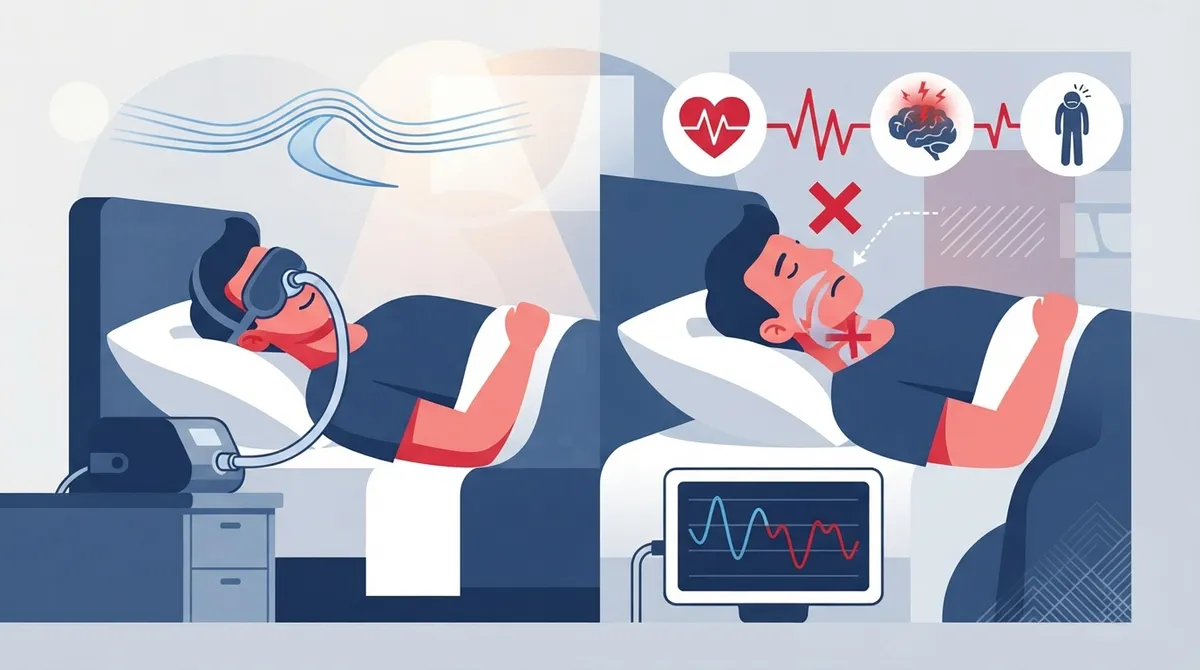
Obstructive sleep apnea (OSA) happens when the airway repeatedly narrows or closes during sleep. Breathing pauses, oxygen levels can drop, and the brain briefly wakes the body to restart breathing. Most people do not remember these events. They only notice the result: poor, fragmented rest.
Over time, untreated sleep apnea is linked with high blood pressure and other health concerns. It also affects daily life. Poor sleep can reduce focus at work, strain relationships, and make safe driving harder. For parents, professionals, and active adults in Tampa, that tiredness adds up fast.
If you are unsure whether your sleep troubles point to something more serious, our guide on how to know when to see a doctor for poor sleep can help you decide when it is time to book a visit.
Common Warning Signs of Sleep Apnea
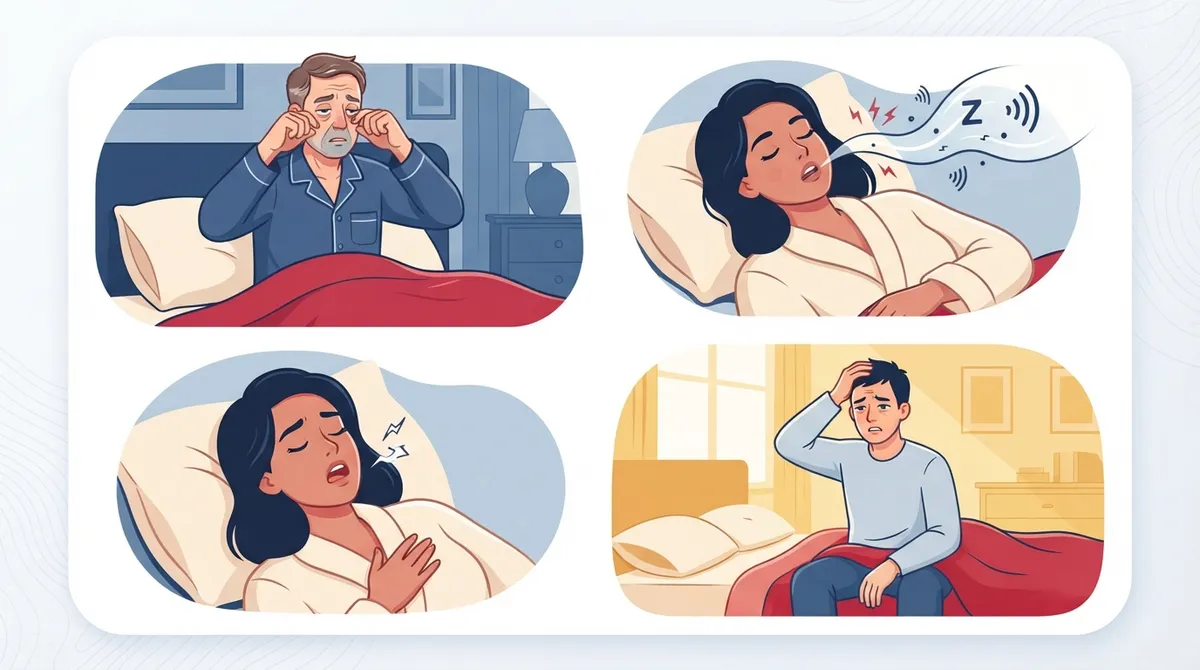
Sleep apnea can look different from person to person. Still, several signs show up again and again. Review this list honestly and note which ones sound familiar.
- Habitual loud snoring that others notice or complain about
- Witnessed pauses in breathing reported by a partner or family member
- Gasping or choking during sleep
- Excessive daytime sleepiness, even after a full night in bed
- Morning headaches or a dry mouth on waking
- High blood pressure, which is also relevant when assessing risk
Snoring alone does not always mean sleep apnea. However, when snoring comes with gasping, witnessed pauses, or heavy daytime sleepiness, a clinical evaluation is the right next step. For a closer look at how these symptoms differ, read our overview of the symptoms of sleep apnea and the signs to know.
Why Primary Care Is the Smart First Stop
Many people assume they must find a sleep specialist right away. In practice, a primary care clinician is often the best starting point. Here is why.
A primary care provider sees the full picture. Sleep problems rarely exist in isolation. Blood pressure, weight, heart health, mood, medications, and other sleep disorders can all play a role. Your clinician can review these factors together and decide which test fits your situation.
In Tampa, a primary care visit for suspected sleep apnea typically includes:
- A review of your symptoms and sleep habits
- A discussion of your medical history, medications, and family history
- A check of risk factors such as blood pressure and related conditions
- A decision on the right diagnostic test, or a referral to sleep medicine
- A follow-up plan once results are available
At InCare, our team in Tampa and Riverview treats the whole person, not just one complaint. That whole-body approach matters for sleep, because rest affects nearly every part of your health. If you are still weighing your options, our guide to choosing the best primary care doctor in Tampa explains what to look for.
How Sleep Apnea Is Diagnosed
Diagnosis requires a sleep test. A questionnaire can help estimate risk, but it cannot confirm the condition on its own. The American Academy of Sleep Medicine (AASM) recommends two main options for adults with suspected OSA.
Home Sleep Apnea Test (HSAT)
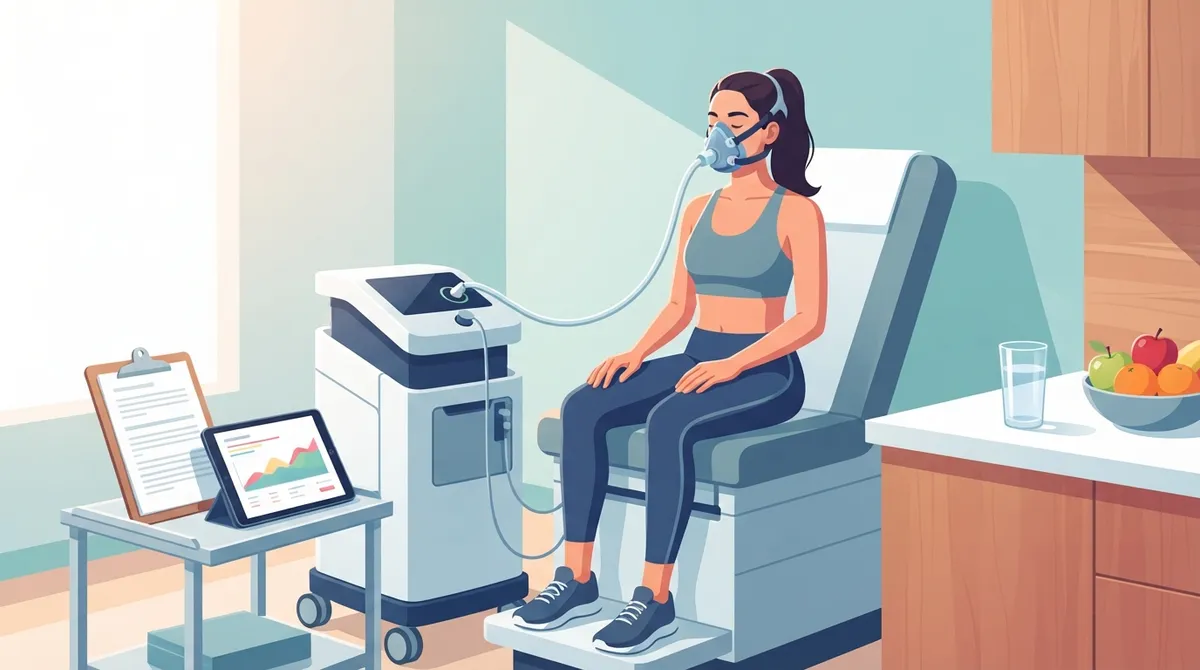
A home test uses a small device you wear in your own bed. It measures breathing, oxygen levels, and related signals. The AASM recommends a technically adequate home test for appropriately selected adults who have no major complicating conditions and who are at increased risk of moderate-to-severe OSA.
In-Lab Polysomnogram (PSG)
An in-lab study takes place in a sleep center with a technologist monitoring you overnight. It records more data, including brain activity and heart rhythm. It is the preferred option when your health picture is more complex.
Here is a simple comparison to help you understand the difference.
|
Feature |
Home Sleep Test |
In-Lab Sleep Study |
|---|---|---|
|
Setting |
Your own bed |
Sleep center, attended overnight |
|
Best for |
Uncomplicated adults at increased risk of moderate-to-severe OSA |
Patients with added medical complexity |
|
Data collected |
Breathing, oxygen, and related signals |
Broader data, including brain and heart activity |
|
Convenience |
High |
Lower |
|
If result is unclear |
May need follow-up in-lab study |
Typically more complete |
When an In-Lab Study Is Preferred
An in-lab study is generally recommended when a patient has any of the following:
- Significant heart or lung disease
- Neuromuscular weakness
- Suspected hypoventilation
- Chronic opioid use
- A history of stroke
- Severe insomnia or another sleep disorder that needs evaluation
Your clinician chooses the test based on your full clinical picture. This is one more reason a thorough primary care evaluation matters.
What If a Home Test Is Negative?
A negative, inconclusive, or technically inadequate home test does not always rule out sleep apnea. AASM guidance recommends an in-lab study when a single home test is negative or unclear but clinical concern remains. If your symptoms continue after a normal home test, speak up. You may need further testing.
Understanding Your Test Results
Sleep test results are often reported using the apnea-hypopnea index (AHI), which counts breathing events per hour of sleep. The number helps your clinician judge severity and plan treatment. Your provider should explain your results in plain language and connect them to how you feel day to day.
Do not try to interpret the numbers alone. Two patients with the same score can have very different symptoms and risks. Treatment should reflect the whole picture, including your symptoms, health history, and goals.
Treatment Options for Sleep Apnea
Treatment depends on your diagnosis, severity, symptoms, and personal circumstances. There is no single answer for everyone. Your clinician will discuss the options that suit you and set up follow-up so that treatment actually works.
CPAP, or continuous positive airway pressure, is a common treatment. It uses a gentle stream of air to keep the airway open during sleep. Comfort and consistent use are the biggest factors in success, so a good clinician will help you troubleshoot mask fit, pressure, and routine.
Other approaches may be discussed depending on your situation, and lifestyle factors can also matter. Weight, alcohol use, sleep position, and nasal congestion can all influence symptoms. If you are curious about non-CPAP paths, see our guide to alternatives to CPAP for sleep apnea, and our overview of sleep apnea treatment options.
Weight can be part of the conversation for some patients. Our article on whether weight loss can help sleep apnea explains what research shows, and it may help you decide whether a medical weight loss program belongs in your plan.
Medicare and Insurance Considerations
Coverage rules matter, especially for older adults. According to Centers for Medicare & Medicaid Services (CMS) materials, Medicare coverage for CPAP generally requires a clinical evaluation and a qualifying sleep test. The coverage criteria include:
- An AHI or respiratory disturbance index (RDI) of at least 15 events per hour, or
- An AHI or RDI of 5 to 14 events per hour with specified symptoms or conditions
Documentation requirements and policies can change, and individual circumstances matter. Always confirm details directly with Medicare, your plan, or the equipment supplier. Our guide to what Medicare covers for seniors in primary care is a helpful place to begin. You can also review the CMS guidance on CPAP devices and accessories for official details.
How to Choose a Sleep Apnea Provider in Tampa
Search results for "sleep apnea near me Tampa" can feel crowded. Current clinic listings change often, so it is wise to verify details yourself rather than rely on a single search result. Before you commit, confirm the following:
- Credentials: Ask about the clinician's training and licensure.
- Insurance: Confirm that the practice and any testing facility accept your plan.
- Referral rules: Some plans require a referral from your primary care doctor before sleep testing.
- Testing options: Ask whether home testing, in-lab testing, or both are available.
- Follow-up care: Make sure someone will review results and support your treatment over time.
- Coordination: Choose a team that communicates with your other doctors.
For a deeper checklist, see our article on things to know before choosing a sleep apnea clinic in Tampa. If you live south of the city, our guide on how to choose a sleep apnea doctor in Riverview, FL may also help.
Why Coordinated Care Makes a Difference
Sleep apnea often travels with other health concerns, such as high blood pressure, weight challenges, and fatigue-related mood changes. When one team manages the full picture, nothing falls through the cracks. Your clinician can track blood pressure, adjust medications, order labs, and monitor how treatment affects your overall health.
That is the approach we take at InCare. We combine primary care, advanced diagnostics, and wellness services under one roof, with locations in Tampa and Riverview and virtual visits available for added convenience. Patients appreciate the friendly team and personal attention. See what our InCare patients say on Google by visiting our InCare location on Google.
To compare how different types of care fit together, you may also like our breakdown of primary care versus a sleep specialist.
Practical Tips Before Your Appointment
A little preparation helps your clinician get to the right answer faster. Consider these steps before your visit.
- Ask your bed partner what they notice, including snoring and pauses in breathing.
- Write down your symptoms, including daytime sleepiness and morning headaches.
- Bring a list of your medications and supplements.
- Note your usual bedtime, wake time, and any nighttime awakenings.
- Track your blood pressure readings if you have them.
Also remember that you can follow our updates and wellness tips on Instagram, Facebook, and TikTok.
Take the First Step Toward Better Sleep
You do not have to keep living with tiredness and uncertainty. A clear plan starts with a proper evaluation, the right sleep test, and a care team that follows through. If the signs in this article sound familiar, now is a good time to act.
Ready to get answers? Book your visit with InCare today, or contact our team with questions. We will help you start your sleep apnea evaluation in Tampa or Riverview with care that looks at the whole you.
FAQs
Q: Where can I get evaluated for sleep apnea in Tampa?
A: A primary care clinic is a practical first stop. Your clinician can review symptoms, assess related conditions, and arrange a sleep test or a referral to sleep medicine. Confirm insurance and referral requirements with any provider before you book.
Q: Can my primary care doctor order a sleep study in Tampa?
A: In many cases, yes. A primary care clinician can evaluate your risk, decide whether a home test or in-lab study fits your health history, and coordinate the next steps. Availability and referral rules vary by plan, so verify details directly.
Q: Is a home sleep apnea test as accurate as an in-lab study?
A: A technically adequate home test is appropriate for certain uncomplicated adults at increased risk of moderate-to-severe sleep apnea. An in-lab study is preferred for patients with heart or lung disease, a history of stroke, chronic opioid use, or other complicating factors. Your clinician selects the test based on your full clinical picture.
Q: What happens if my home test is negative but I still have symptoms?
A: A negative or inconclusive home test does not necessarily rule out sleep apnea. AASM guidance recommends an in-lab polysomnogram when clinical concern remains after a single unclear home test. Share your ongoing symptoms with your clinician.
Q: Does Medicare cover CPAP for sleep apnea?
A: CMS materials describe coverage that requires a clinical evaluation and a qualifying sleep test. Criteria include an AHI or RDI of at least 15 events per hour, or 5 to 14 events per hour with specified symptoms or conditions. Confirm your coverage and documentation requirements with Medicare or your supplier.