Key Takeaways
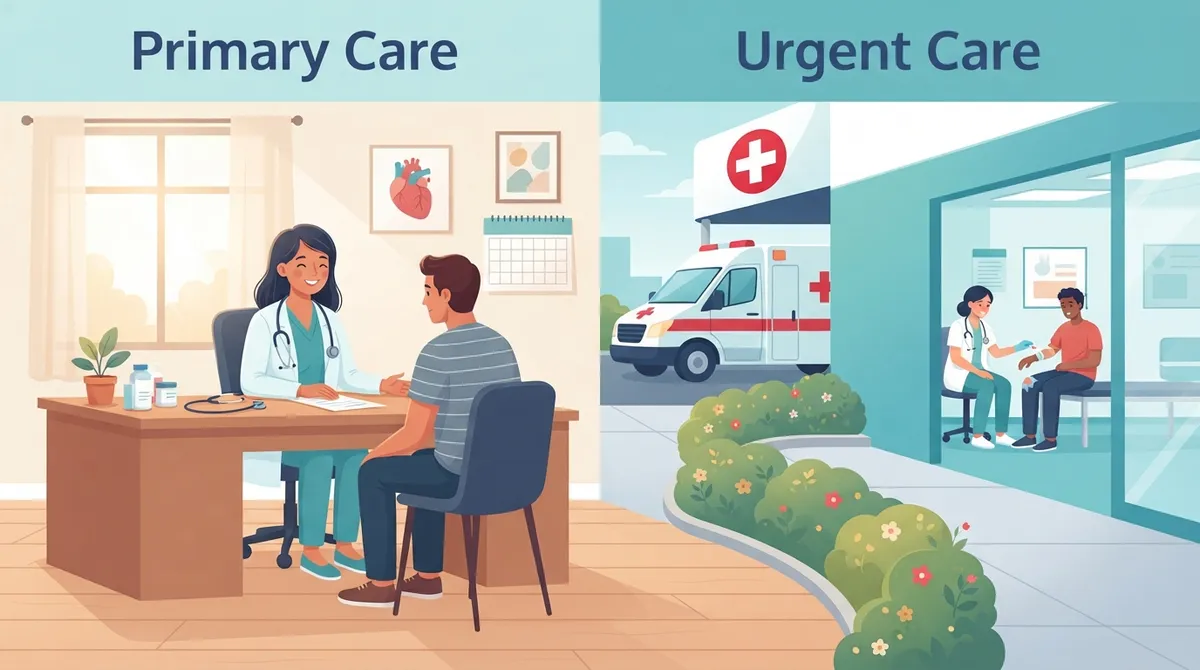
- Primary care is your long-term home for prevention, chronic conditions, and new illnesses, while urgent care handles sudden, non-emergency problems that cannot wait.
- Chest pain, trouble breathing, stroke signs, or severe bleeding require 911 or the emergency room, not primary or urgent care.
- Preventive care is one part of primary care; primary care also evaluates new symptoms and manages ongoing conditions, so ask what a given visit covers.
- Medicare covers an eligible Annual Wellness Visit once every 12 months but does not cover routine physical exams, so confirm coverage and costs before booking.
- Set up a primary care relationship before you get sick, so your clinician knows your history, risks, and goals when you need care.
- Whether you need a specialist referral depends on your insurance plan, so ask your primary care team to explain the rules and coordinate the visit.
You wake up with a sore throat, or you realize it has been three years since your last checkup. Where do you go? Many people are unsure what primary care really covers, and how it differs from urgent care. That confusion can lead to delayed care, higher bills, and missed health problems.
Primary care is a lasting, accessible point of contact for most of your health needs. It covers prevention, new illnesses, chronic conditions, and care coordination. Urgent care handles sudden problems that cannot wait. Both matter, but they do different jobs.
This guide offers primary care services explained in plain terms. You will see what each type of care includes, how they compare, and when to choose one over the other. You will also learn how a modern clinic can bring both under one roof. Whether you are a busy parent, a young professional, or a health-minded adult in Tampa or Riverview, this will help you make smart choices in 2026.
What Primary Care Services Include
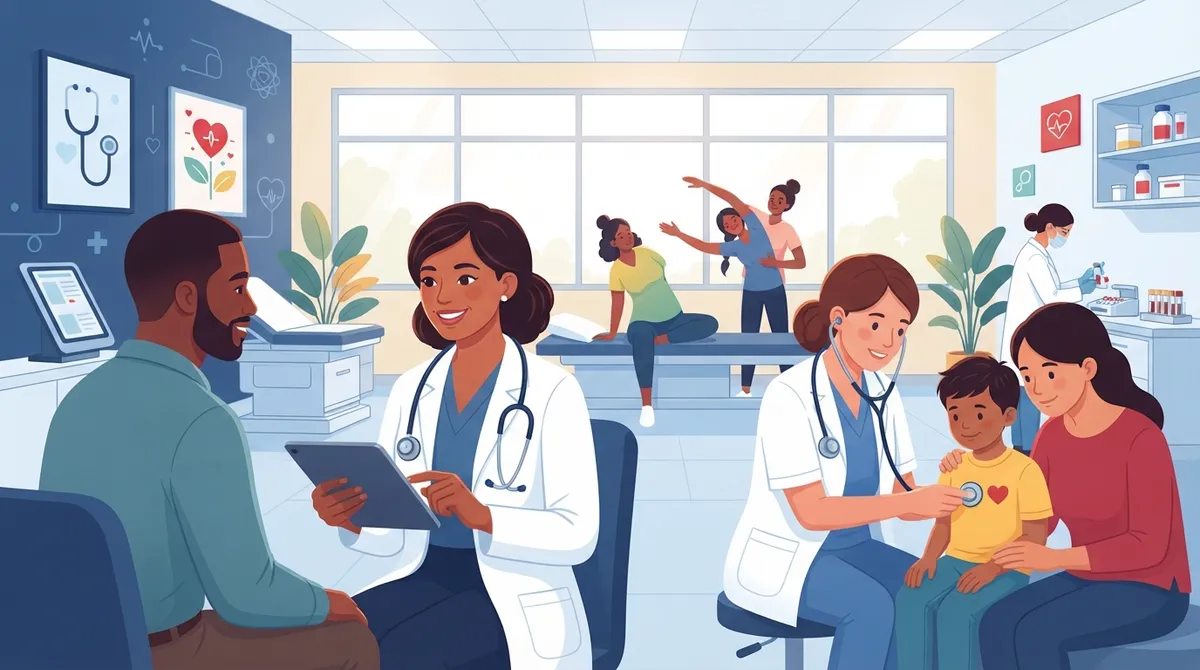
Primary care is more than a yearly checkup. The National Academy of Medicine describes it as accessible, integrated care built on a lasting relationship between you and your clinician. That clinician also looks at your family and community context.
In practice, primary care services often include:
- Preventive care: screenings, immunizations, and health-risk assessments based on your age and risk level.
- Acute care: treatment for new illnesses and minor injuries, such as infections or sprains.
- Chronic condition care: monitoring and medication management for issues like diabetes, high blood pressure, and asthma.
- Counseling: guidance on nutrition, activity, tobacco use, and weight management.
- Care coordination: help with referrals to specialists, hospitals, and behavioral health providers.
The exact menu varies by practice, clinician training, and local resources. A strong primary care team may include physicians, nurse practitioners, physician assistants, and nurses. Scope of practice depends on state rules and the organization.
At InCare's primary care practice, the focus is on prevention and whole-body health. The clinic pairs medical expertise with modern technology to build personalized plans. For a deeper look at what this covers, read what comprehensive primary care is and why it matters.
What Urgent Care Is Designed For
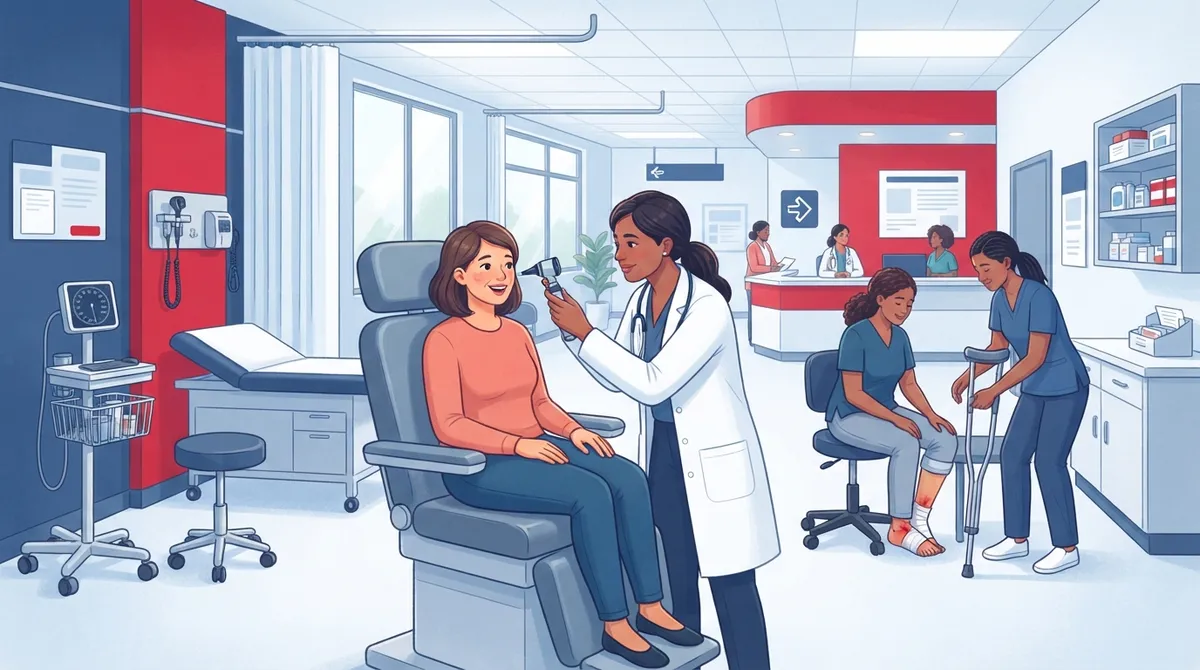
Urgent care fills a different need. It treats problems that need quick attention but are not life-threatening. You walk in, get seen, and leave with a plan.
Common urgent care visits include:
- Flu, colds, and sore throats
- Minor cuts that may need stitches
- Sprains and simple strains
- Urinary tract infections
- Ear and sinus infections
Urgent care does not replace a long-term care relationship. The clinician may not know your history. Follow-up and prevention are usually not the focus. That is why many patients use urgent care for emergencies of the moment and primary care for everything else.
InCare offers urgent care alongside primary care. That means one clinic can treat a sudden illness and then connect it to your larger health picture. To see what these visits can handle, explore what urgent care services can actually treat.
Primary Care vs. Urgent Care: Side-by-Side Comparison
A quick comparison makes the differences clear. Use this table as a starting point when you decide where to go.
|
Factor |
Primary Care |
Urgent Care |
|---|---|---|
|
Main purpose |
Ongoing health, prevention, and chronic care |
Quick treatment for sudden, non-emergency issues |
|
Relationship |
Long-term with a clinician who knows you |
Usually one-time or occasional |
|
Appointments |
Scheduled, with some same-day options |
Walk-in or short-notice |
|
Screenings and vaccines |
Core part of the service |
Limited |
|
Chronic condition management |
Yes, with follow-up and medication review |
Rarely |
|
Care coordination |
Referrals and specialist communication |
Minimal |
|
Best for |
Staying healthy and managing ongoing needs |
Sudden illness or minor injury |
Neither option is better in every case. They work best together. Primary care builds the foundation, and urgent care covers the gaps.
Primary Care vs. Preventive Care: A Common Mix-Up
Many people use these terms as if they mean the same thing. They do not. Preventive care is one part of primary care. It focuses on stopping problems before they start.
Preventive services may include:
- Age- and risk-based screenings, such as cancer and blood pressure checks
- Immunizations
- Health-risk assessments
- Lifestyle counseling on food, movement, and weight
Primary care goes further. It also evaluates new symptoms and manages ongoing conditions. A preventive or wellness visit may not include a full physical exam or a review of a new problem. Ask your clinic what a given visit covers so you know what to expect.
For more on this topic, see how to make preventive care work for your health and cancer screening options at InCare.
Annual Wellness Visit vs. Physical Exam
These two visits are often confused, and insurance can treat them differently. A wellness visit is mostly about planning. You review your history, risk factors, and goals. The clinician helps you build a personalized prevention plan.
A physical exam is more hands-on. It involves checking vital signs, listening to your heart and lungs, and examining the body.
Coverage rules matter here. CMS states that Medicare covers an eligible Annual Wellness Visit once every 12 months, subject to eligibility and cost-sharing rules. CMS also states that Medicare does not cover routine physical examinations. Costs for any patient depend on insurance, the service, and how the visit is billed. Call ahead to confirm.
To learn what each visit involves, read what happens during an annual wellness visit and what happens during an annual physical exam.
How Primary Care Manages Chronic Conditions
If you live with a long-term condition, primary care is where steady progress happens. Your clinician tracks your numbers, adjusts treatment, and checks for side effects. Regular follow-up catches small changes before they become big problems.
Primary care can support:
- Diabetes and blood sugar monitoring
- Blood pressure control
- Medication management and refills
- Self-management coaching
- Referrals when you need a specialist
A common question is whether you need a referral to see a specialist. It depends on your insurance plan. Some plans require one, and others do not. Your primary care team can explain the rules and help coordinate the visit. Learn more in how primary doctors help manage chronic illnesses.
Wellness Services Beyond the Basics
Modern primary care often goes beyond the traditional exam room. Many patients, especially tech-savvy adults and wellness seekers, want deeper data about their bodies. They also want care that feels personal, not rushed.
InCare blends standard primary care with advanced wellness tools. These include:
- Medical weight loss programs with personalized plans
- Metabolic breath analysis to assess metabolism
- Body composition analysis with 3D imaging
- DNA gene testing for personalized health insights
- IV hydration and vitamin drips for energy and wellness
These services work best when your primary care team guides them. That way, the data connects to your history, screenings, and goals. Not every test is right for every person, so your clinician helps you choose what makes sense.
How to Decide Where to Go
Use this simple step-by-step guide when you need care and are unsure where to start.
- Check for an emergency. Chest pain, trouble breathing, stroke signs, or severe bleeding need 911 or the emergency room.
- Ask if it can wait a day or two. If it can, a primary care visit is often the best fit, especially if you want follow-up.
- Decide if it is new or ongoing. Ongoing issues belong with your primary care team, who knows your history.
- Consider timing. If you need care today for a minor problem, urgent care is a strong choice.
- Plan the follow-up. After any urgent visit, share the results with your primary care clinician.
Having a regular clinic also makes quick visits easier. Many practices offer same-day appointments for fast primary care. If you are not sure you need a regular doctor at all, this guide on whether you need a PCP can help.
Who Benefits Most From Primary Care
Primary care fits almost every stage of life, but different groups value different features.
- Busy young families: one team for parents and kids saves time. See family primary care.
- Women without a regular doctor: a primary care home covers whole-body screenings beyond reproductive care.
- Young adults: building a relationship early makes future care easier.
- Health optimizers: screenings and testing help track progress over time.
Telehealth also helps. Virtual visits can handle follow-ups, medication reviews, and simple concerns without a trip to the clinic. This is a real advantage for people with packed schedules.
Why InCare Is a Strong Choice in Tampa and Riverview
If you want one clinic that covers prevention, everyday illness, and advanced wellness, InCare is built for that. The team combines medical expertise with state-of-the-art technology. Care is personal, with a focus on keeping you healthy rather than only treating problems.
Patients can visit locations in Tampa and Riverview or use virtual appointments. InCare holds a 4.8 out of 5 rating on Google across 359 reviews, with patients often praising the friendly staff and quality of care. You can read InCare reviews on Google to see what neighbors say. You can also meet the InCare providers and follow the clinic on Instagram for health tips and updates.
InCare's services also include cancer screenings, hair restoration, and urgent care, so most needs can be handled in one place. That convenience is hard to match when you are juggling work, family, and health goals.
Conclusion
Primary care and urgent care each have a role. Primary care is your long-term home for prevention, chronic condition care, and coordination. Urgent care handles sudden, non-emergency problems. When both live under one roof, you get faster answers and better continuity.
The best time to set up a primary care relationship is before you get sick. Your clinician learns your history, your goals, and your risks, so every future visit is smarter. Ready to take that step? Book Your Appointment Now or contact the InCare team with any questions. Your health deserves a steady partner, and InCare is ready to be yours in 2026.
FAQs
Q: What services does a primary care provider offer?
A: A primary care provider typically offers preventive screenings, immunizations, treatment for new illnesses and minor injuries, and chronic condition management. They also provide counseling on nutrition and weight, and they coordinate referrals to specialists. The exact services vary by practice and clinician.
Q: What is the difference between primary care and preventive care?
A: Preventive care focuses on stopping health problems before they start through screenings, vaccines, and counseling. Primary care includes preventive care but also evaluates new symptoms and manages ongoing conditions. A preventive visit may not include a full exam or review of a new problem.
Q: Are annual wellness visits and physical exams the same thing?
A: No. A wellness visit centers on reviewing your history and building a personalized prevention plan, while a physical exam involves a hands-on check of your body. CMS states that Medicare covers eligible Annual Wellness Visits once every 12 months but does not cover routine physical examinations.
Q: When should I see a primary care provider instead of going to urgent care?
A: Choose primary care for ongoing conditions, prevention, medication reviews, and non-urgent concerns that can wait a day or two. Choose urgent care for sudden, non-emergency problems that need same-day attention. For severe symptoms like chest pain or trouble breathing, go to the emergency room.
Q: Do I need a referral from primary care to see a specialist?
A: It depends on your insurance plan. Some plans require a referral, while others allow you to book directly. Your primary care team can explain your plan's rules and help coordinate the specialist visit.