Key Takeaways
- Primary care builds a long-term relationship with a doctor who knows your history, which helps you spot changes a one-time visit would miss.
- Many serious conditions like high blood pressure and early diabetes have no symptoms at first, so a baseline visit while healthy sets your normal numbers.
- Research links continuity with a steady primary care clinician to more preventive care, fewer emergency visits, and fewer avoidable hospital stays, though these are associations.
- Primary care coordinates specialists, reviews medications for conflicts, and keeps records organized so tests aren't repeated and key details aren't lost.
- Chronic conditions like diabetes, asthma, and high blood pressure need regular follow-up to adjust medications and prevent quiet worsening.
- Choose a practice by checking insurance and location, services offered, same-day and telehealth access, and patient reviews, then judge it at a first visit.
Many healthy adults ask the same question: do I really need a primary care doctor if I feel fine? It is a fair question. Urgent care is easy to find, telehealth is a tap away, and online health tools are everywhere. But a primary care doctor offers something none of these can fully replace: a long-term partner who knows your health history and helps you stay well.
A primary care doctor is often a family physician, internist, or pediatrician. This clinician is your first point of contact for prevention, routine concerns, and ongoing conditions. Research links this kind of steady relationship with better use of preventive care and fewer emergency visits and hospital stays.
This guide explains why you need a primary care doctor, what they do, and how to find the right fit. Whether you are a busy parent, a young professional, or someone who wants advanced wellness testing, the answers below will help you decide.
What a Primary Care Doctor Actually Does
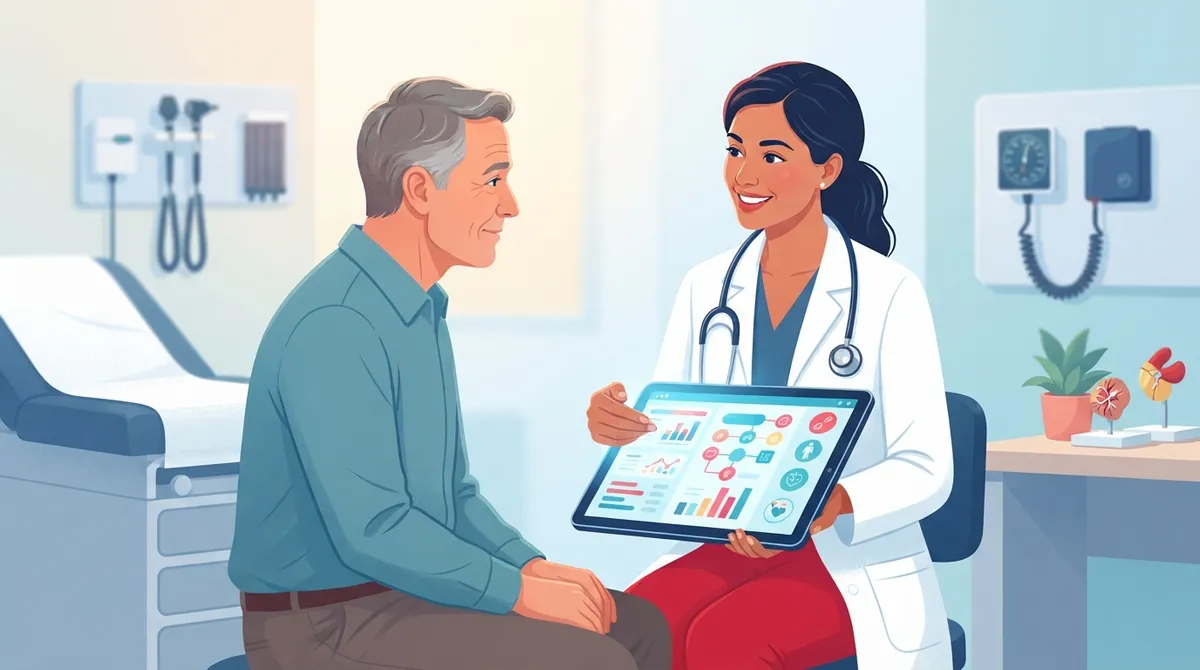
A primary care doctor provides first-contact, ongoing care. You see them for checkups, new symptoms, medication questions, and health goals. They also help connect you to specialists when needed.
Many primary care teams include nurse practitioners and physician assistants. These clinicians can also serve as your main provider. If you want to see what this looks like in practice, read what a primary care physician does for your health.
Here is what your primary care doctor typically handles:
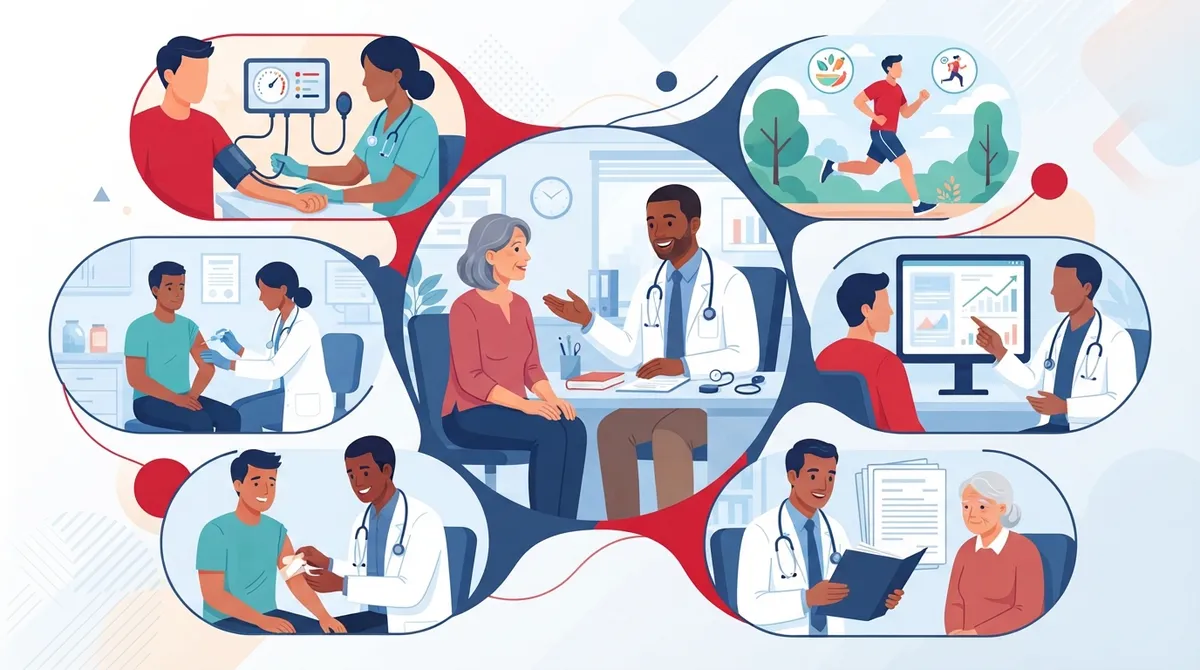
- Annual wellness visits and physical exams
- Age-appropriate and risk-based screenings
- Vaccines and health counseling
- Treatment of common illnesses and minor injuries
- Management of ongoing conditions
- Referrals and coordination with specialists
7 Key Reasons You Need a Primary Care Doctor
1. Prevention Keeps Problems Small
The best time to deal with a health problem is before it becomes serious. Primary care focuses on prevention. Your doctor checks your risks, suggests screenings, and gives vaccines based on your age, history, and current guidelines.
Early detection matters most for conditions like high blood pressure, diabetes, and cancer. InCare offers cancer screening as part of its prevention-first approach. You can also learn how to make preventive care work for your health.
2. Someone Knows Your Full Health Story
A clinician who sees you over time notices changes that a one-time visit would miss. They track your weight, blood pressure, lab results, and medications. They also remember your family history and your goals.
This history helps your doctor make better decisions. A new symptom means more when your doctor knows what is normal for you.
3. Chronic Conditions Need Ongoing Care
Conditions like diabetes, high blood pressure, and asthma need regular follow-up. Your primary care doctor reviews your test results, adjusts your medications, and helps you build daily habits that work.
Without steady care, these conditions can quietly get worse. To see how this works, explore how primary doctors help manage chronic illnesses.
4. You Get Faster, Smarter Help for New Symptoms
When something feels off, your primary care doctor is the best first call. They can decide if you need tests, treatment, a specialist, or urgent care. This saves time and often money.
Primary care does not replace emergency care. Call 911 or go to the nearest emergency room for life-threatening symptoms such as chest pain, trouble breathing, or signs of a stroke.
4a. Continuity Is Linked to Better Outcomes
Studies show real benefits from a lasting relationship with a primary care clinician. A 2024 review on continuity of care found links to more preventive care, fewer emergency visits, and lower odds of avoidable hospital stays. The review also cites research linking continuity to lower mortality.
These are associations across many studies. They do not guarantee the same result for every person. Still, the pattern is strong enough to take seriously.
Another study looked at 359,470 Medicare beneficiaries. It found that losing a primary care physician was linked to less primary care use. It was also tied to more specialty, urgent, and emergency care and higher spending.
5. Care Is Coordinated, Not Scattered
If you see several providers, someone needs to connect the dots. Your primary care doctor reviews specialist notes, checks for medication conflicts, and keeps your records organized.
Without this hub, care can become fragmented. Tests get repeated, and key details get lost. Read more in Fragmented Care vs. Coordinated Care: Which Wins?
6. Your Mind and Body Get Equal Attention
Stress, anxiety, poor sleep, and low mood affect your physical health. A primary care doctor can address physical and behavioral health together. They can also support lifestyle changes like better sleep, nutrition, and exercise.
This whole-person view is a big part of modern primary care. It also matches what many wellness seekers want: care that looks at the full picture.
7. You Have Someone to Trust When It Counts
Health decisions can be stressful. A doctor who knows you can explain your options in plain language. They can help you weigh the pros and cons based on your goals and life.
That trust makes it easier to ask questions, raise sensitive topics, and stay on track with your care plan.
Primary Care Doctor vs. Urgent Care vs. Telehealth
Each type of care has a role. The table below shows how they differ.
|
Type of Care |
Best For |
Limits |
|---|---|---|
|
Primary Care |
Prevention, ongoing conditions, new symptoms, coordination |
Appointment may need to be scheduled in advance |
|
Urgent Care |
Minor injuries, flu, infections, same-day needs |
Less long-term follow-up |
|
Telehealth |
Quick questions, medication reviews, some follow-ups |
Cannot replace every in-person exam |
|
Emergency Room |
Life-threatening symptoms |
Costly and not meant for routine care |
The strongest approach uses all of these wisely, with your primary care doctor at the center. If you are unsure which to choose, see 7 urgent care mistakes that could cost you your health.
Do I Need a Primary Care Doctor If I Feel Healthy?
Yes. Feeling healthy is a great reason to build a relationship now. Many serious conditions, including high blood pressure and early diabetes, have no clear symptoms at first.
A baseline visit gives your doctor a record of your normal numbers. It also gives you a chance to ask about screenings, vaccines, and goals. Later, if you get sick, you already have a trusted provider.
Not sure what to expect at a first visit? Learn what happens during an annual physical exam.
Who Benefits Most From Primary Care?
Nearly everyone benefits, but some groups gain a lot from having a regular doctor.
- Busy young families: One practice can care for parents and children, which saves time. See family primary care for more.
- Tech-savvy millennials: You can combine in-person care with virtual visits for convenience.
- Women without a regular provider: A primary care doctor offers wellness visits and screenings beyond OB/GYN care.
- Gen Z adults: Early habits and prevention set the stage for decades of good health.
- Wellness-focused professionals: Primary care can guide advanced testing such as DNA gene testing and metabolic assessments.
The Access Problem: Why Choosing Early Matters
Access to primary care is uneven across the United States. HRSA's 2025 workforce report estimates that 92 million U.S. residents, about 27% of the population, lived in a designated primary care Health Professional Shortage Area as of December 2, 2025. The same report projects a shortage of 70,610 full-time-equivalent primary care physicians by 2038. Projections depend on assumptions about supply, demand, and care delivery.
This does not mean you cannot find care. It means you should not wait until you are sick. Finding a provider now makes it easier to get timely help later. Our guide on finding doctors accepting new patients can help you start.
How to Choose the Right Primary Care Doctor
The right fit makes you more likely to keep up with care. Follow these steps:
- Check insurance and location. Make sure the practice accepts your plan and is easy to reach.
- Look at services offered. Choose a clinic that covers your needs, from checkups to wellness testing.
- Ask about access. Find out about same-day visits, telehealth, and after-visit follow-up.
- Read patient reviews. Look for comments on listening, wait times, and staff friendliness.
- Book a first visit. Notice whether you feel heard and respected.
For more detail, read 7 signs you've found the right primary care practice and 7 mistakes to avoid when choosing a primary care doctor.
Why InCare Is a Strong Choice in Tampa and Riverview
InCare is a personalized healthcare clinic that blends state-of-the-art technology with medical expertise. With locations in Tampa and Riverview, Florida, the team provides primary care, urgent care, and advanced wellness services under one roof.
That means you can get your annual exam, cancer screening, weight loss support, and IV hydration from a team that knows you. InCare focuses on prevention and whole-body optimization, so you are not just treated when sick but supported in staying well.
Patients value the friendly staff and the quality of care. InCare holds a 4.8 out of 5 rating on Google from 359 reviews. You can read InCare reviews on Google to hear from real patients. You can also meet the care team on the providers page or see all locations.
Follow InCare for health tips on Instagram, TikTok, and Facebook.
Can a Nurse Practitioner or Physician Assistant Be My Primary Care Provider?
Yes. Nurse practitioners and physician assistants are qualified primary care clinicians. If a physician is not available, a qualified clinician or care team can provide ongoing care. What matters is that you have a consistent provider who knows your history and works with a team to meet your needs.
Telehealth can supplement your care. It works well for follow-ups and quick questions, but it does not always replace an in-person exam.
Conclusion: Make Primary Care Your Health Foundation
So, why do you need a primary care doctor? Because good health is easier to protect than to repair. A primary care doctor helps you prevent problems, manage ongoing conditions, coordinate your care, and make smart choices with someone who knows you.
You do not have to wait for a problem to start. Building this relationship now gives you a trusted partner for every stage of life.
Ready to take the first step? Book your visit with InCare today, or contact our team with any questions. Your health is worth a steady partner.
FAQs
Q: What does a primary care doctor do?
A: A primary care doctor provides first-contact, ongoing care. They handle checkups, preventive screenings, vaccines, new symptoms, and chronic condition management. They also coordinate referrals to specialists when needed.
Q: How often should I see my primary care doctor?
A: Most healthy adults benefit from at least one wellness visit each year. If you have a chronic condition or new health concerns, your doctor may recommend more frequent visits. The right schedule depends on your age, history, and current guidelines.
Q: What is the difference between a primary care doctor and a specialist?
A: A primary care doctor looks after your overall health and handles a wide range of needs over time. A specialist focuses on one body system or condition, such as the heart or skin. Your primary care doctor often decides when a specialist is needed and coordinates that care.
Q: Can I use telehealth instead of seeing a primary care doctor in person?
A: Telehealth works well for follow-ups, medication reviews, and quick questions. It may not replace in-person care when a physical exam, lab work, or screening is needed. Many patients use both for the best mix of convenience and thorough care.
Q: How do I choose a primary care doctor?
A: Start with insurance, location, and the services offered. Then check patient reviews and ask about same-day access and telehealth. A first visit can help you decide if the provider listens well and fits your needs.