Key Takeaways
- Early detection through preventive screenings dramatically reduces healthcare costs and improves outcomes; catching Stage 0 cancer or prediabetes early can mean the difference between a manageable treatment plan and a life-altering diagnosis.
- Schedule an annual wellness visit as the foundation of preventive care, where your provider reviews health history, identifies risk factors, and creates a personalized screening roadmap tailored to your age, family history, and lifestyle.
- Three levels of prevention exist: primary (lifestyle changes and vaccinations before disease starts), secondary (routine screenings for early detection), and tertiary (managing existing conditions to prevent complications).
- Modern technology like AI-powered body composition analysis, metabolic breath analysis, DNA gene testing, and telemedicine makes personalized preventive care increasingly accessible and precise in detecting health risks.
- Common barriers like lack of a provider, busy schedules, fear of bad news, and cost concerns can be overcome through telemedicine options, extended-hours clinics, and confirmed insurance coverage for preventive services.
- Preventive care differs from primary care: prevention maintains health before symptoms appear through screenings and wellness visits, while primary care treats existing illness—both are essential when integrated together.
Most people only visit a doctor when something goes wrong. But waiting until you feel sick can lead to missed opportunities for early detection, higher treatment costs, and worse health outcomes. Preventive care flips that script entirely. It focuses on keeping you healthy before problems arise — not just treating illness after the fact.
Whether you are managing a busy family schedule, optimizing your performance as a high achiever, or simply taking health seriously for the first time, preventive care gives you a proactive roadmap. This guide will walk you through exactly how to make preventive care part of your lifestyle — and why partnering with a trusted primary care provider makes all the difference.

What Is Preventive Care?
Preventive care refers to health services designed to detect, prevent, or delay the onset of disease. It includes routine screenings, vaccinations, wellness visits, health risk assessments, and lifestyle counseling. The goal is to catch issues early — or stop them from developing at all.
This approach is distinct from reactive medicine, which responds to symptoms after they appear. Preventive care asks: what can we do now to protect your health later? For conditions like cancer, diabetes, and heart disease, early detection can mean the difference between a manageable treatment plan and a life-altering diagnosis.

Why Preventive Care Matters More Than Ever in 2026
In 2026, chronic diseases remain the leading drivers of disability and healthcare costs in the United States. High blood pressure, type 2 diabetes, and certain cancers are among the most common — and most preventable — conditions. Research consistently shows that early detection through preventive screenings improves clinical outcomes and significantly reduces healthcare costs by minimizing hospitalizations.
For example, detecting Stage 0 cancer — before it spreads — is highly treatable. Catching elevated blood sugar early allows for lifestyle interventions that can reverse prediabetes entirely. These outcomes are only possible when preventive care is prioritized. You can follow InCare on Instagram for regular wellness tips and health education content.

The 3 Levels of Prevention You Should Know
Preventive care is not a single service. It operates on three distinct levels, each serving a different stage of health management.
- Primary Prevention: This targets risk factors before disease begins. It includes lifestyle changes like regular exercise, a balanced diet, quitting smoking, and limiting alcohol. Vaccinations also fall into this category.
- Secondary Prevention: This focuses on early detection through routine screenings — catching a disease in its earliest, most treatable stage. Examples include blood pressure checks, cholesterol panels, blood sugar testing, and cancer screening.
- Tertiary Prevention: This manages existing conditions to prevent complications or progression. Monitoring a diabetic patient to avoid kidney damage is one example. Primary care doctors play a key role in managing chronic illnesses at this stage.
Understanding these three levels helps you have more informed conversations with your care team about which services are most relevant to your current health status.

Core Preventive Care Services Offered in Primary Care
A well-rounded preventive care plan covers multiple areas of health. Below is a breakdown of common services and what they detect or prevent.
Service Purpose Recommended Frequency Annual Wellness Visit (AWV) Review health history, set wellness goals Once per year Blood Pressure Screening Detect hypertension early Every 1–2 years (or annually if elevated) Cholesterol Panel Assess cardiovascular risk Every 4–6 years (more often if high risk) Blood Glucose Test Screen for diabetes and prediabetes Every 3 years (annually if at risk) Cancer Screenings Early detection of cancer Varies by type and age Vaccinations Prevent infectious diseases Per CDC immunization schedule DNA Gene Testing Identify genetic health risks Once (with ongoing monitoring) Body Composition Analysis Track metabolic health and fat-to-muscle ratio Quarterly or as needed
Services like DNA gene testing and body composition analysis represent the next generation of preventive care — moving beyond standard screenings to offer highly personalized health insights.
How to Build Your Personalized Preventive Care Plan
A preventive care plan is not one-size-fits-all. Your age, sex, family history, lifestyle habits, and personal health goals all shape what services you need and how often. Here is a step-by-step approach to building one that works for you.
Step 1: Schedule an Annual Wellness Visit
The foundation of any preventive care plan is the Annual Wellness Visit (AWV). This is a dedicated appointment where your provider reviews your health history, identifies risk factors, updates your screenings, and creates a personalized wellness roadmap. It is not just a checkup — it is a strategic health conversation.
Step 2: Complete a Health Risk Assessment
A Health Risk Assessment (HRA) evaluates your current lifestyle habits, family history, mental health status, and physical health data. It identifies gaps in care and flags areas that need attention. Many providers use HRAs to prioritize which screenings or interventions will have the greatest impact for each individual patient.
Step 3: Get Your Recommended Screenings
Based on your HRA results and age-appropriate guidelines, your provider will recommend specific screenings. For women aged 18–40, this might include cervical cancer screenings, cholesterol testing, and thyroid checks. For men, it could include blood pressure monitoring, testicular cancer awareness, and metabolic panels. At InCare, providers build personalized screening schedules that reflect each patient's unique health profile.
Step 4: Address Lifestyle Risk Factors
Lifestyle counseling is a core component of preventive care. This includes guidance on nutrition, physical activity, stress management, sleep hygiene, smoking cessation, and alcohol use. Small, sustainable changes to daily habits can dramatically reduce the risk of developing chronic disease over time.
Step 5: Explore Advanced Wellness Services
For those looking to go beyond standard prevention, advanced services offer deeper insights. Options include metabolic breath analysis, IV hydration and vitamin drips, and personalized weight loss programs. These services support whole-body optimization — not just disease prevention.
Preventive Care vs. Primary Care: Understanding the Difference
Many people use these terms interchangeably, but they have distinct meanings. Understanding the difference helps you navigate your healthcare more effectively.
Feature Preventive Care Primary Care Treatment Focus Health maintenance and future prevention Diagnosing and treating current illness Timing Before symptoms appear In response to symptoms or illness Goal Reduce risk and detect early Resolve active health problems Examples Screenings, vaccinations, wellness visits Treating infections, managing chronic conditions Outcome Avoidance or early management of disease Recovery or long-term disease management
Both are essential. The most effective healthcare model integrates preventive services with accessible primary care — exactly what clinics like InCare are designed to provide. You can also visit InCare on Google to read patient reviews and learn more about the care experience.
Preventive Care for Different Life Stages
Your preventive care needs change as you move through life. Here is a quick breakdown by life stage.
Young Adults (Ages 18–30)
- Establish a relationship with a primary care provider
- Complete baseline screenings (blood pressure, cholesterol, STI testing as needed)
- Stay current on vaccinations (flu, HPV, meningitis)
- Discuss mental health and stress management strategies
- Consider DNA gene testing to identify inherited health risks early
Adults in Their 30s and 40s
- Annual wellness visits become even more critical
- Begin or continue cancer screening protocols (colonoscopy, mammograms, skin checks)
- Monitor weight, blood sugar, and cholesterol levels
- Prioritize weight management programs if BMI is elevated
- Evaluate cardiovascular risk factors proactively
Families With Young Children
- Ensure all family members have up-to-date immunizations
- Schedule well-child visits for developmental monitoring
- Screen parents for stress-related conditions and burnout
- Build a family wellness plan with a provider who knows your full health history
The Role of Technology in Modern Preventive Care
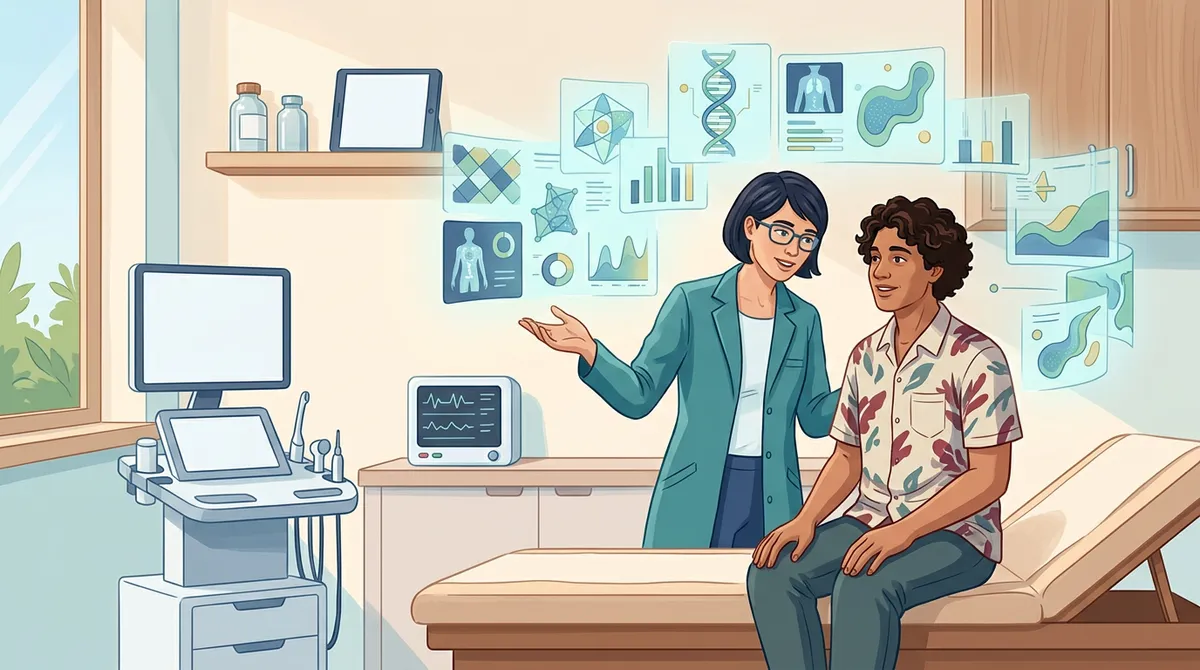
Technology is transforming what is possible in preventive medicine. Advanced tools now allow providers to detect health risks with greater precision and personalization than ever before. Consider these innovative options available in 2026:
- AI-Powered Body Composition Analysis: Uses 3D imaging and machine learning to track fat mass, lean muscle, and metabolic markers over time.
- Metabolic Breath Analysis: A non-invasive tool that measures how efficiently your body burns fuel — key data for preventing metabolic disease and optimizing energy levels.
- DNA Gene Testing: Identifies genetic predispositions to conditions like heart disease, certain cancers, and medication sensitivities, enabling truly personalized prevention strategies.
- Telemedicine and Virtual Wellness Visits: Allow patients to access preventive care remotely, removing time and transportation barriers.
- IV Nutrient Therapy: Delivers targeted vitamins and minerals directly into the bloodstream to correct deficiencies that oral supplements may not fully address.
These tools are not reserved for elite athletes or executive wellness programs. They are increasingly accessible through forward-thinking clinics. The team at InCare's providers — including Dr. Naveen Paddu, Dr. Pramjeet Ahluwalia, and Dr. Teshy John — integrate these technologies into personalized care plans for every patient.
For additional health education resources and wellness content, you can also follow InCare on Facebook and InCare on TikTok.
Common Barriers to Preventive Care and How to Overcome Them
Even when people understand the value of prevention, certain obstacles get in the way. Here are the most common barriers and practical solutions.
Barrier Why It Happens Solution No established provider Never set up with a primary care doctor Book an initial wellness visit at a local clinic Busy schedule Work and family leave little time Use telemedicine or extended-hours clinics Fear of bad news Anxiety about what screenings might reveal Early detection = more options, less fear Cost concerns Uncertainty about insurance coverage Many preventive services are covered; confirm before your visit Feeling healthy already Absence of symptoms creates complacency Most serious conditions develop silently before symptoms appear
If you are ready to overcome these barriers, InCare offers convenient locations in Tampa and Riverview, Florida, as well as virtual visits for added flexibility. The practice was built specifically to remove friction from the preventive care experience. Marketing and patient outreach strategies for clinics like InCare are often supported by healthcare consultants such as O'Reilly Consultants, helping connect patients with the right wellness resources.
Key Benefits of Committing to Preventive Care
Still weighing whether preventive care is worth it? Here are the most compelling reasons to commit today:
- Early Detection Saves Lives: Conditions caught early — including cancer, heart disease, and diabetes — are significantly more treatable and less costly to manage.
- Cost Savings Over Time: Avoiding one major hospitalization or surgery can save tens of thousands of dollars. Preventive visits are a fraction of that cost.
- Better Quality of Life: Proactive health management means more energy, fewer sick days, and a longer, more active life.
- Stronger Patient-Provider Relationship: Ongoing preventive care builds trust between you and your doctor, leading to better communication and more personalized treatment over time.
- Empowered Decision-Making: Knowing your health data — from cholesterol to genetic risk — gives you the information you need to make smarter lifestyle choices every day.
Getting Started With Preventive Care in Tampa and Riverview
Taking the first step is often the hardest part. But getting started with preventive care does not have to be complicated. Begin by scheduling an annual wellness visit with a provider who takes the time to understand your full health picture. From there, build a plan together that includes appropriate screenings, lifestyle guidance, and any advanced wellness services that match your goals.
InCare's clinics in Riverview and Tampa are designed for exactly this purpose — comprehensive, personalized, prevention-first healthcare. With a 4.8 out of 5 rating on Google across hundreds of patient reviews, the practice has earned a reputation for delivering high-quality, whole-body care that goes far beyond the average checkup.
If you are ready to take control of your health and build a prevention strategy that actually works, schedule your wellness visit with InCare today and take the first step toward a healthier, longer life.
FAQs
Q: What are examples of preventive care services in primary care?
A: Preventive care services in primary care include annual wellness visits, blood pressure and cholesterol screenings, cancer screenings, vaccinations, health risk assessments, and lifestyle counseling. Advanced options such as DNA gene testing and metabolic breath analysis are also available at forward-thinking clinics.
Q: How does preventive care differ from primary care treatment?
A: Preventive care focuses on maintaining health and detecting disease before symptoms appear, while primary care treatment addresses existing illness or injury. Both are essential components of a comprehensive healthcare strategy and are most effective when integrated together under one provider.
Q: How often should I schedule a preventive care visit?
A: Most adults benefit from at least one annual wellness visit per year. The frequency of specific screenings — such as cancer panels or blood glucose tests — depends on your age, family history, and individual risk factors as determined by your primary care provider.
Q: What are the financial benefits of preventive care?
A: Investing in preventive care reduces long-term healthcare costs by catching conditions early, when treatment is less invasive and less expensive. Detecting a condition like Stage 0 cancer or prediabetes early dramatically reduces the financial and physical burden compared to treating an advanced diagnosis.
Q: Can preventive care be personalized to my specific health risks?
A: Yes. Modern preventive care plans are highly personalized using tools like DNA gene testing, health risk assessments, and body composition analysis. Your provider uses this data — along with your personal and family health history — to design a prevention strategy tailored to your unique risk profile and wellness goals.