Key Takeaways
- A primary care physician acts as the 'quarterback' of your healthcare team, coordinating specialist referrals, managing medications, and ensuring all parts of your care work together seamlessly for better health outcomes.
- Continuity of care with the same PCP over time enables early detection of health trends, personalized treatment plans, and is associated with fewer hospitalizations and better overall health outcomes.
- Primary care extends far beyond annual physicals to include preventive screenings, chronic disease management, acute care treatment, and mental/lifestyle counseling for whole-person health.
- Early detection through preventive care screenings is significantly less costly and less invasive than treating conditions after they progress, making routine check-ups a smart investment.
- Modern primary care practices now offer advanced wellness services like genetic testing, weight loss programs, metabolic analysis, and IV hydration therapy to support proactive health optimization.
- When choosing a PCP, prioritize board certification, comprehensive service offerings, modern technology like telehealth, strong patient reviews, and accessibility to ensure long-term healthcare partnership success.
Most people visit a doctor only when something goes wrong. But your health deserves more than reactive care. A primary care physician is your first line of defense against illness — and your most trusted partner in long-term wellness. Whether you are managing a chronic condition, seeking routine screenings, or simply trying to feel your best, a primary care physician (PCP) plays a central role in your healthcare journey.
In 2026, healthcare is more complex than ever. Patients have more options, more information, and more choices. Yet many people still lack a dedicated PCP to guide them through it all. This article breaks down exactly what a primary care physician does, why continuity of care matters, and how finding the right provider can transform your health outcomes for the better.

What Is a Primary Care Physician?
A primary care physician is a medical doctor, nurse practitioner, or physician assistant who serves as your main healthcare provider. They are the first person you call when something feels off. They are also the provider who gets to know you over time — your history, your habits, your goals, and your risks.
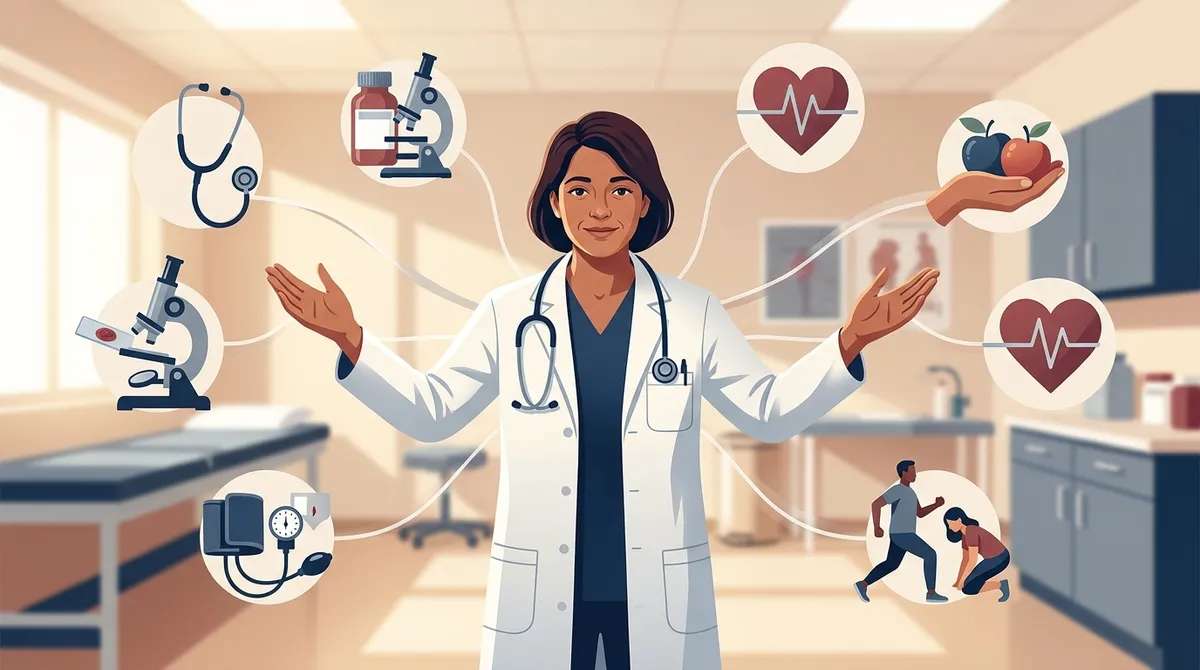
PCPs are trained to handle a wide range of health concerns. From diagnosing infections and managing chronic diseases to providing preventive screenings and lifestyle counseling, they deliver holistic, personalized care. Think of your PCP as the "quarterback" of your healthcare team — coordinating specialist referrals, managing your medications, and making sure every part of your care works together.

The Four Core Functions of Primary Care
Primary care is built on four fundamental pillars that define what makes it so effective. Understanding these functions helps you appreciate why having a dedicated PCP matters so much.
Core Function What It Means Why It Matters First Contact Your PCP is the first provider you see for any new health concern Reduces unnecessary ER visits and specialist referrals Continuity Long-term relationship with the same provider over years Enables personalized care and early detection of health trends Comprehensiveness Addresses all health needs — physical, mental, and lifestyle Provides whole-body care rather than isolated treatment Coordination Connects you with specialists and manages your overall care plan Ensures seamless, integrated treatment across providers

What Services Does a Primary Care Physician Provide?
Many patients are surprised by the full range of services their PCP can offer. Primary care is far more than annual physicals. Here is a look at the most common services you can expect from a qualified primary care physician.
Preventive Care and Routine Screenings
Prevention is at the heart of primary care. Your PCP will schedule regular check-ups, recommend vaccinations, and order screenings based on your age, gender, and risk factors. Early detection saves lives — and it also saves money. Treating a condition at its earliest stage is almost always less costly and less invasive than managing it after it has progressed.
- Annual wellness visits and physical exams
- Blood pressure, cholesterol, and blood glucose monitoring
- Cancer screenings such as colorectal, skin, and cervical cancer checks
- Immunizations and booster shots
- Vision and hearing assessments
Chronic Disease Management
Millions of Americans live with conditions like diabetes, hypertension, asthma, and thyroid disorders. A primary care physician is trained to manage these conditions over the long term. They monitor your progress, adjust medications as needed, and help you build habits that reduce complications. Learn more about how primary care doctors help manage chronic illnesses and why consistent care is essential.
Acute and Urgent Care
Sudden illnesses and minor injuries happen. Your PCP can treat many of these issues right in the office — no emergency room required. This saves you time, money, and unnecessary stress. For more immediate needs, urgent care services ensure you get fast, effective treatment when it matters most.
- Respiratory infections, flu, and strep throat
- Urinary tract infections (UTIs)
- Minor cuts, sprains, and injuries
- Headaches, back pain, and musculoskeletal issues
- Skin rashes and allergic reactions
Mental and Lifestyle Health Counseling
A good primary care physician looks beyond physical symptoms. They consider your stress levels, sleep quality, nutrition, activity habits, and mental well-being. This whole-person approach ensures that treatment plans reflect your full health picture — not just isolated lab results or symptoms.

Why Continuity of Care Makes All the Difference
One of the most powerful benefits of having a primary care physician is the long-term relationship you build. Over time, your PCP tracks your health across years — not just isolated visits. This continuity allows them to spot trends, identify anomalies early, and assess how well treatments are working.
When you see the same provider consistently, they also understand your values, preferences, and lifestyle. This makes it easier to create personalized treatment plans that you will actually follow. Research consistently shows that patients with a dedicated PCP experience better health outcomes, fewer hospitalizations, and more coordinated care overall.
How a Primary Care Physician Coordinates Your Care
Healthcare today often involves multiple providers. You may see a cardiologist, dermatologist, endocrinologist, or physical therapist — all for different issues. Without a central coordinator, your care can become fragmented and confusing.
Your primary care physician serves as the hub of your healthcare network. They review specialist recommendations, manage medication interactions, and ensure that each provider has the information they need. This coordination reduces redundant testing, prevents conflicting treatments, and keeps your care moving in the right direction.
Steps in the Primary Care Coordination Process
- Initial assessment: Your PCP reviews your full medical history and current concerns.
- Diagnosis and testing: They order appropriate labs, imaging, or referrals based on your symptoms.
- Specialist referral: When needed, your PCP connects you with the right specialist and shares your records.
- Follow-up and review: After specialist visits, your PCP reviews findings and adjusts your care plan.
- Ongoing monitoring: Your PCP tracks your progress over time and stays connected to every part of your care.
Advanced Wellness Services That Complement Primary Care
Modern primary care has expanded well beyond traditional medicine. Today's forward-thinking clinics offer advanced wellness services that support whole-body optimization — not just disease treatment. At InCare, primary care is paired with a comprehensive suite of wellness options designed to help patients thrive at every stage of life.
Wellness Service Purpose Who Benefits Most DNA Gene Testing Identifies genetic health predispositions Anyone seeking proactive, personalized health insights Weight Loss Programs Personalized plans backed by advanced technology Individuals managing weight-related health conditions IV Hydration & Vitamin Drips Replenishes nutrients and boosts energy levels Busy professionals and high-performance wellness seekers Metabolic Breath Analysis Assesses and optimizes your metabolism Patients focused on energy, weight, and performance Body Composition Analysis 3D imaging and AI-powered health tracking Those monitoring fitness progress or chronic conditions
How to Choose the Right Primary Care Physician
Choosing a PCP is one of the most important healthcare decisions you can make. The right provider will feel like a true partner — someone who listens, communicates clearly, and respects your values and goals. Here are key factors to consider when making your choice.
- Qualifications and experience: Look for board-certified physicians with experience in your specific health needs.
- Range of services: Choose a practice that offers comprehensive care, including both primary and wellness services.
- Technology and innovation: Modern tools like telehealth, AI diagnostics, and digital health tracking improve care quality.
- Patient reviews: Read verified reviews to understand the patient experience. InCare holds a 4.8 out of 5 rating on Google with over 359 reviews — you can visit our Google Business Profile to see what patients are saying.
- Location and accessibility: Consider a practice with multiple locations or telemedicine options for added convenience.
Questions to Ask a Potential PCP
- What is your approach to preventive care and wellness?
- How do you handle after-hours or urgent health concerns?
- Do you offer telehealth or virtual appointment options?
- How do you coordinate care with specialists?
- What advanced wellness services are available at your practice?
Primary Care at InCare: Tampa and Riverview, Florida
InCare is a state-of-the-art primary care and wellness clinic serving patients in Tampa and Riverview, Florida. The practice combines personalized medicine with cutting-edge technology to deliver care that goes beyond the ordinary. Whether you need a routine check-up, chronic disease management, or advanced wellness services, InCare's team of experienced providers is here to help.
You can explore the full team at InCare's providers page, including Dr. Naveen Paddu, Dr. Pramjeet Ahluwalia, and Dr. Teshy John. Each provider brings deep expertise and a genuine commitment to patient-centered care. View available InCare clinic locations in Tampa and Riverview or schedule a virtual visit for maximum flexibility.
Follow InCare on Facebook and Instagram for the latest health tips, wellness updates, and clinic news. You can also find short-form health content on TikTok to stay informed in an easy, engaging format.
Conclusion: Make Primary Care the Foundation of Your Health
A primary care physician is not just someone you see when you are sick. They are your long-term health partner — guiding prevention, managing chronic conditions, coordinating specialist care, and helping you optimize your overall wellness. The relationship you build with your PCP over time is one of the most valuable investments you can make in your health.
Whether you are a busy parent, a young professional, or someone ready to take a proactive approach to wellness, now is the right time to establish care with a qualified primary care provider. Do not wait for a health crisis to take action. Start building the foundation of your long-term health today.
Ready to take the next step? Schedule your appointment with InCare and experience personalized primary care and advanced wellness services designed around you. You can also contact our team with any questions — we are here to help you thrive.
FAQs
Q: What is the difference between a primary care physician and a specialist?
A: A primary care physician provides comprehensive, ongoing care for a wide range of health needs across all body systems. A specialist focuses on one specific area of medicine, such as cardiology or dermatology. Your PCP typically coordinates referrals to specialists when your condition requires more focused expertise.
Q: How often should I see my primary care physician?
A: Most adults benefit from at least one annual wellness visit with their primary care physician, even when feeling healthy. Patients with chronic conditions or elevated health risks may need more frequent appointments. Your provider will recommend a schedule based on your age, health history, and specific risk factors.
Q: Can a primary care physician help me with weight management and wellness goals?
A: Yes. Many primary care physicians offer comprehensive wellness services that include personalized weight loss programs, metabolic assessments, and lifestyle counseling. These services address the root causes of weight-related health issues rather than providing short-term solutions.
Q: Why is continuity of care important in primary care?
A: Continuity of care means seeing the same provider consistently over time, which allows your physician to track your health trends, recognize changes early, and build a personalized treatment plan. Long-term relationships with a PCP are associated with better health outcomes, fewer hospitalizations, and more coordinated care.
Q: What should I look for when choosing a primary care physician?
A: Look for a board-certified physician with experience relevant to your health needs, a comprehensive range of services, strong patient reviews, and accessible locations or telehealth options. A provider who listens carefully and aligns with your health values and goals will deliver the most effective long-term care.