Key Takeaways
- Blood pressure checks are a standard part of adult primary care, usually taken by a nurse or medical assistant at preventive visits, sick visits, and follow-ups for known hypertension.
- The USPSTF gives a Grade A recommendation (2021) to screen all adults 18 and older who do not already have diagnosed hypertension.
- Adults 40 and older, and those at higher risk, should be screened yearly; healthy adults 18 to 39 with normal readings may only need checks every 3 to 5 years.
- A single high office reading is not a diagnosis; confirm it with home monitoring over several days or 24-hour ambulatory monitoring before treatment begins.
- Accurate readings depend on avoiding caffeine, tobacco, and hard exercise for 30 minutes beforehand, emptying your bladder, resting about five minutes, and using a correctly sized upper-arm cuff.
- Bring your home monitor and a written log to your visit so your clinician can compare your device with the office reading and check that it is accurate.
Yes. Blood pressure checks are a standard part of adult primary care. If you wonder, does primary care include blood pressure checks, the answer is that your clinician measures it at preventive visits, at many sick visits, and at follow-ups for known high blood pressure. It takes only a few minutes, and it can reveal a silent risk to your heart, brain, and kidneys.
High blood pressure rarely causes symptoms. That is why routine screening matters so much. The CDC reports that 48.1% of U.S. adults, about 119.9 million people, have high blood pressure. About 92.9 million of them do not have it controlled to below 130/80 mm Hg. In 2024, high blood pressure was a primary or contributing cause of 680,179 U.S. deaths.
This guide explains what to expect, how often to be checked, and how to get an accurate reading. It also shows how a primary care team, such as the one at InCare in Tampa and Riverview, turns one number into a clear health plan.
Does Primary Care Include Blood Pressure Checks?
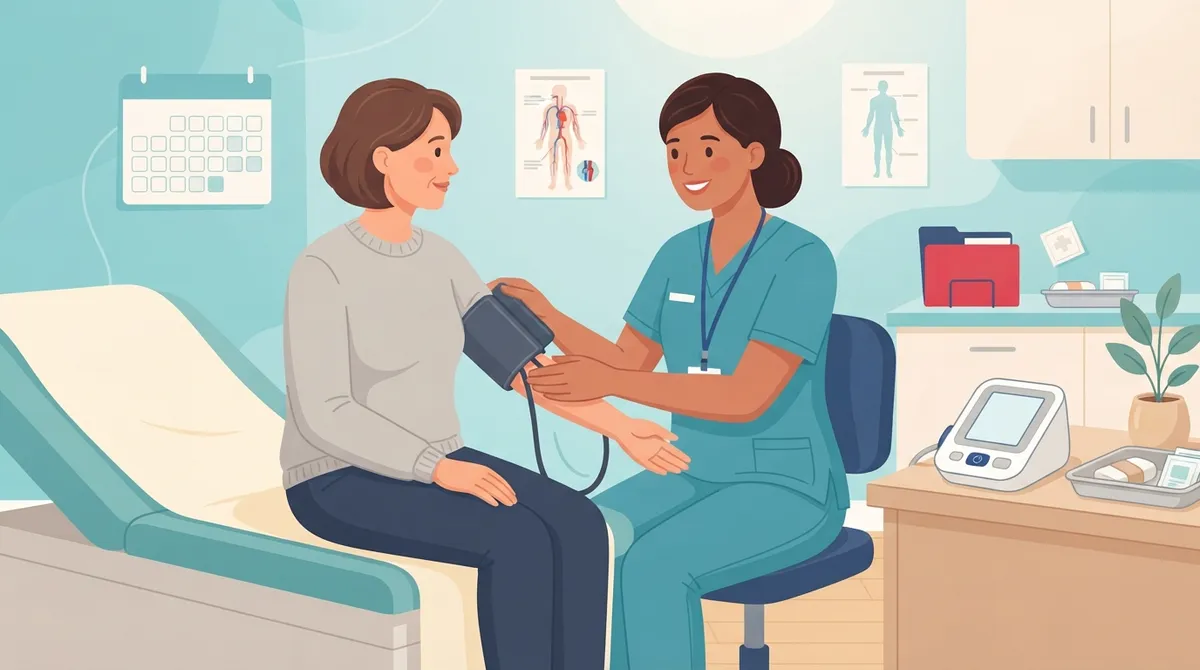
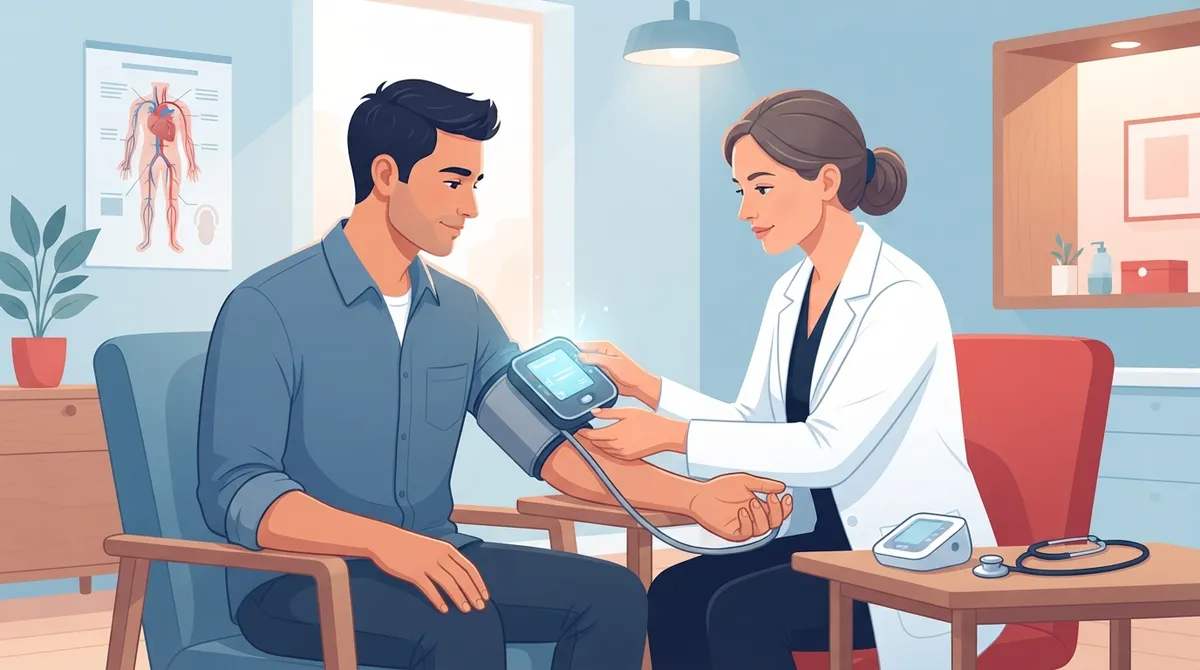
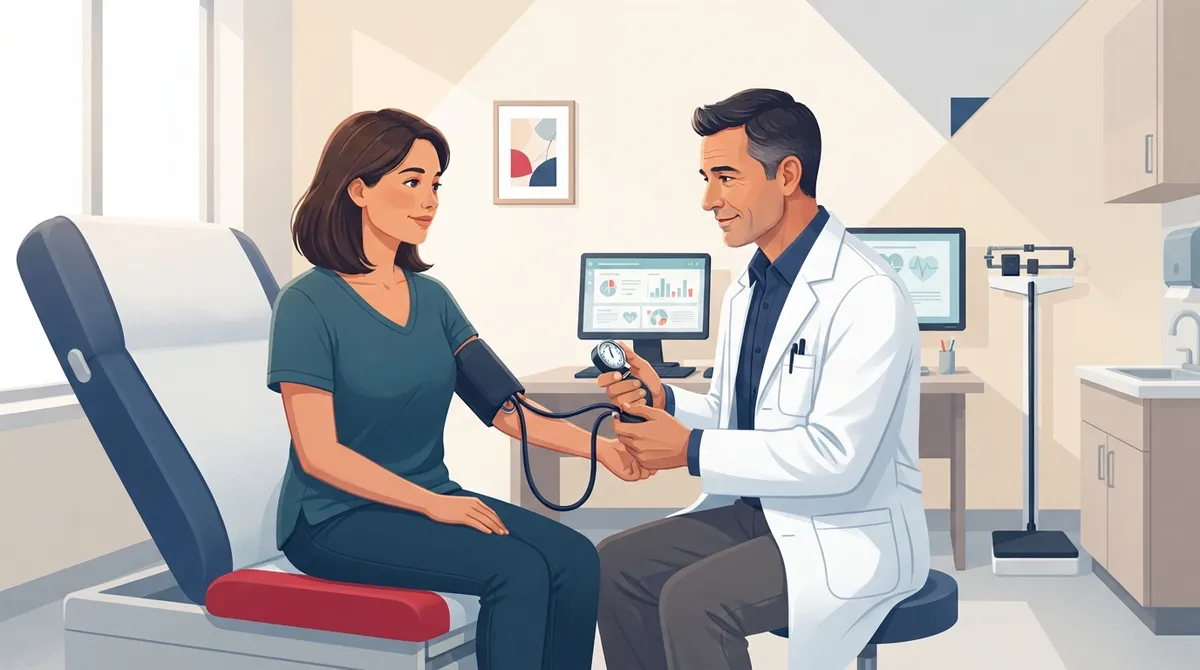
Yes. Primary care is built around prevention and early detection, and blood pressure is one of the first vital signs recorded at nearly every visit. A medical assistant or nurse usually takes it, along with your weight, pulse, and temperature. Your clinician then reviews it as part of the full picture.
Blood pressure may be checked for several reasons:
- Routine screening at annual physicals and wellness visits.
- Monitoring for people with a diagnosis of hypertension.
- Symptom review for headaches, dizziness, chest pain, or vision changes.
- Medication safety when a new drug, weight loss program, or hormone therapy may affect pressure.
You do not need a special appointment. Many patients get their reading during an ordinary visit for another concern. If you want a full review, a routine annual physical covers it along with other basic checks.
What the Guidelines Recommend
The U.S. Preventive Services Task Force (USPSTF) gives a Grade A recommendation (2021) to screen all adults aged 18 and older who do not already have diagnosed hypertension. A Grade A rating means the benefit is high and the evidence is strong.
The Task Force also says that an elevated office reading should be confirmed outside the clinic before treatment begins. That step protects you from a wrong diagnosis. The recommendations apply to adults without known hypertension. People who already have the condition follow a monitoring plan set by their clinician.
How Often Should You Be Checked?
|
Group |
Suggested screening interval |
|---|---|
|
Adults 40 and older |
Every year |
|
Adults at higher risk (high-normal readings, overweight, or obesity) |
Every year |
|
Adults 18 to 39 with a prior normal reading and no added risk |
Every 3 to 5 years |
|
Adults with diagnosed hypertension |
As set in your care plan |
Clinicians may adjust these intervals. If you have a family history, a new medication, or a change in weight, your doctor may check more often.
Why One High Reading Is Not a Diagnosis
Many people feel nervous in a medical office. That stress can push a reading higher than your true average. Doctors call this the "white coat" effect. Some people also have the opposite problem. Their pressure looks normal in the office but runs high at home.
For these reasons, a single number is not treated as a diagnosis. The USPSTF recommends confirming an elevated office result with measurements taken outside the clinical setting. There are two common methods:
- Home blood pressure monitoring. You measure at home over several days and bring the log to your visit.
- 24-hour ambulatory monitoring. You wear a small cuff that records readings through the day and night.
Your clinician then looks at the pattern, your risk factors, and your overall health. This approach is slower than guessing, but it is far more accurate.
How to Prepare for an Accurate Reading
Small habits change your number. The American Heart Association has published detailed guidance on measurement. Use these steps before your next check:
- Avoid caffeine, tobacco, and hard exercise for at least 30 minutes beforehand.
- Use the restroom first. A full bladder can raise your reading.
- Sit in a chair with your back supported and your feet flat on the floor.
- Rest quietly for about five minutes before the cuff goes on.
- Rest your arm at heart level, with the cuff on bare skin.
- Do not talk during the measurement.
The device and cuff size matter too. A validated upper-arm device with a correctly sized cuff gives the best result. A cuff that is too small can read falsely high. Repeat readings can also improve accuracy, so do not be surprised if your nurse measures twice.
What Happens After an Elevated Reading
An elevated reading starts a conversation, not a prescription. A good primary care visit usually includes these steps:
- Repeat the measurement and review your history.
- Ask you to check at home or arrange ambulatory monitoring.
- Review risk factors such as weight, sleep, salt intake, stress, and family history.
- Order labs if needed to look at kidney function, cholesterol, and blood sugar.
- Discuss lifestyle changes and, when appropriate, medication.
Pressure is tied to many other parts of your health. Sleep problems can raise it, and so can excess weight. If you snore or feel tired all day, read how to know when to see a doctor for poor sleep. For weight-related risk, see whether weight loss can lower your blood pressure.
What Is a Normal Blood Pressure?
Blood pressure is written as two numbers, such as 118/76 mm Hg. The top number is systolic pressure, when your heart beats. The bottom number is diastolic pressure, when your heart rests between beats.
The CDC estimate cited above counts high blood pressure as systolic above 130 mm Hg, diastolic above 80 mm Hg, or the use of blood pressure medication. Many clinicians treat readings below 120/80 mm Hg as a healthy target for most adults, but your own goal depends on your health. Ask your doctor what range is right for you.
How Primary Care Helps You Manage High Blood Pressure
Primary care is the best place to manage this condition over time. Your doctor knows your history, your medications, and your goals. That relationship makes it easier to catch changes early.
Ongoing care may include:
- Reviewing your home readings at each visit.
- Adjusting medication to find the right dose with the fewest side effects.
- Coaching on food, exercise, sleep, and stress.
- Screening for related conditions like diabetes, kidney disease, and high cholesterol.
- Coordinating with specialists if you need extra care.
If you want a closer look at treatment options, read about 12 proven strategies for blood pressure management in 2026 or how to manage hypertension with a Tampa primary care doctor.
Blood Pressure Checks for Different Patients
Busy Professionals and Young Families
Time is tight, so build the check into visits you already make. Ask for a reading at any sick visit, school physical, or wellness appointment. A home monitor makes it easy to track your numbers between visits. Parents also benefit from family primary care, where one practice looks after everyone.
Young Adults and Women Without a Regular Doctor
If you are 18 to 39 with normal readings, you may only need a check every few years. Still, it helps to establish care now. Having a baseline on file makes future changes easier to spot. Birth control, weight changes, and pregnancy can all affect pressure, so share your full history with your clinician.
Health-Minded Adults Who Track Everything
If you use wearables and apps, remember that most wrist devices are less reliable than a validated upper-arm cuff. Bring your logs and your device to your visit so your doctor can compare it to the office reading. Technology is a helpful add-on, but it works best alongside professional care.
Should You Bring Your Home Monitor?
Yes. Bringing your device lets your clinician check that it reads accurately. Your nurse can measure your pressure with the office cuff and then with your device. If the numbers are close, your home readings are likely reliable.
Also bring a written log. Record your reading, the date, and the time. Take two readings, one minute apart, in the morning and evening for about a week before your appointment.
Choosing a Primary Care Team in Tampa and Riverview
InCare is a personalized primary care and wellness clinic with locations in Tampa and Riverview, Florida. The team combines modern technology with hands-on medical expertise. Blood pressure checks are part of everyday care, alongside preventive screenings, chronic condition management, and wellness testing. Patients also have access to same-day urgent care and telemedicine for added convenience.
Patients rate InCare 4.8 out of 5 on Google across 359 reviews, with many praising the friendly staff and attentive physicians. You can read InCare reviews on Google and see what neighbors in Tampa and Riverview say. To learn how to pick a practice, see how to choose the best primary care doctor in Tampa in 2026.
You can also follow the clinic for health tips on Facebook, Instagram, and TikTok. For national data on blood pressure, the CDC high blood pressure facts page is a trusted source.
Key Takeaways
- Blood pressure checks are a routine part of adult primary care.
- The USPSTF recommends screening adults 18 and older without known hypertension (Grade A, 2021).
- Adults 40 and older, and those at higher risk, should be screened yearly.
- An elevated office reading should be confirmed with home or 24-hour monitoring.
- Good technique, rest, and the right cuff size improve accuracy.
Conclusion
So, does primary care include blood pressure checks? Yes, and it is one of the simplest, most valuable tests you can get. A quick reading can flag a silent problem years before it causes harm, and your primary care doctor can guide you from screening to confirmation to treatment.
If you have not had your blood pressure checked recently, now is a good time. Book your visit with InCare to get a reading and a clear plan. Questions first? Contact our team and we will help you choose the right appointment.
FAQs
Q: Does a primary care doctor check your blood pressure at every visit?
A: In most cases, yes. Blood pressure is a standard vital sign recorded at preventive visits and at many sick visits. Your clinician may check it more often if you have hypertension or take medications that affect it.
Q: How often should adults have their blood pressure checked?
A: The USPSTF suggests yearly screening for adults 40 and older and for adults at higher risk. Adults aged 18 to 39 with a prior normal reading and no added risk may be screened every 3 to 5 years. Your clinician may adjust the schedule to your needs.
Q: Does one high blood pressure reading mean I have hypertension?
A: No. A single elevated office reading does not confirm hypertension. Doctors typically confirm it with home blood pressure monitoring or 24-hour ambulatory monitoring before starting treatment.
Q: How should I prepare for an accurate blood pressure check?
A: Avoid caffeine, tobacco, and hard exercise for 30 minutes beforehand, and use the restroom first. Sit with your back supported and feet flat, rest about five minutes, and keep your arm at heart level with a correctly sized upper-arm cuff.
Q: Can primary care help manage high blood pressure?
A: Yes. Primary care teams review your home readings, assess cardiovascular risk, and coach you on lifestyle changes. They can also prescribe and adjust medication when appropriate.