Key Takeaways
- Losing just 5-10% of body weight can lower systolic blood pressure by over 5 mm Hg and diastolic pressure by over 4 mm Hg, with each kilogram lost potentially reducing blood pressure by roughly 1 mm Hg.
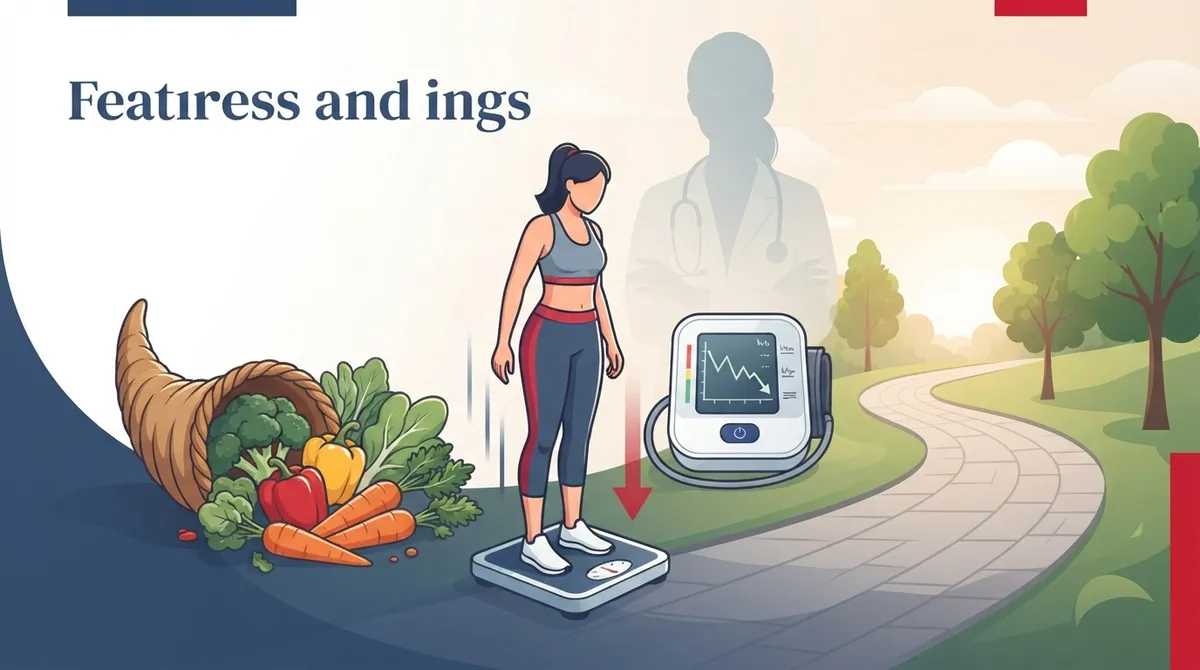
- Weight loss works best when combined with other lifestyle changes like reduced sodium intake, regular exercise (30 minutes brisk walking most days), and diets rich in fruits and vegetables—not as a standalone treatment.
- Medically supervised weight loss plans that include blood pressure monitoring, metabolic analysis, and medication adjustments are safer than self-directed dieting, especially since some patients may still need medication despite significant weight loss.
- Talk to your primary care provider about medical weight loss if you have elevated readings despite lifestyle changes, family history of heart disease, or are on blood pressure medication and want to explore safe dosage reduction.
High blood pressure affects millions of adults across Florida, and many don't realize that shedding even a small amount of weight can make a real difference. If you live in Riverview and struggle with hypertension, you may be wondering how weight loss fits into your treatment plan. The good news is backed by strong medical evidence: losing weight is one of the most effective, non-drug ways to bring your numbers down.
At InCare, our providers combine primary care expertise with modern wellness tools to help patients manage hypertension through medically supervised weight loss. This article breaks down what the research says, how much weight loss actually matters, and what a personalized plan looks like at a Riverview clinic focused on whole-body health.

Why Weight Loss Matters for Blood Pressure Control
Extra body weight forces your heart to work harder to pump blood through more tissue. This added strain raises blood pressure over time. When you lose weight, your blood vessels face less resistance, and your heart doesn't have to work as hard.
The American Heart Association has stated that intentional weight loss through diet and physical activity can produce meaningful blood pressure reductions, as long as the weight loss is maintained. This makes weight management a first-line, nonpharmacologic strategy for many people with hypertension, according to a scientific statement published in Hypertension journal.
How Much Weight Loss Is Needed?
You don't need to lose a dramatic amount of weight to see results. Research consistently shows that modest, sustained weight loss produces measurable improvements in blood pressure readings.
- A 5% to 10% reduction in body weight can lower systolic blood pressure by more than 5 mm Hg
- The same weight loss can lower diastolic pressure by more than 4 mm Hg
- Losing about 10 kg (22 pounds) may lower systolic blood pressure by 5 to 20 mm Hg
- A Cochrane review found that roughly 4 kg of weight loss lowered systolic pressure by about 4.5 mm Hg and diastolic pressure by about 3.2 mm Hg
- Many studies suggest that each kilogram lost may correspond to roughly 1 mm Hg reduction in blood pressure, though this varies by individual

What the Research Says About Weight Loss and Hypertension
Multiple large studies and reviews support weight loss as a proven strategy for blood pressure management. The NIH has published evidence-based guidance recommending weight loss for overweight and obese people with high blood pressure, noting it should be a standard part of treatment discussions.
A well-known trial found that combining weight loss with reduced sodium intake lowered blood pressure and reduced the risk of developing hypertension in adults with high-normal readings. This shows that weight loss works best when paired with other lifestyle changes, not as a standalone fix.
Weight Loss AmountSystolic BP ReductionDiastolic BP Reduction5% to 10% of body weightMore than 5 mm HgMore than 4 mm HgApproximately 4 kg (9 lbs)About 4.5 mm HgAbout 3.2 mm Hg10 kg (22 lbs)5 to 20 mm HgVaries by individual
Can Weight Loss Reduce the Need for Medication?
Some patients who lose significant weight find they need fewer blood pressure medications over time. However, this must be carefully monitored by a clinician. A notable dietary trial (DiRECT) using a very low-calorie approach showed strong blood pressure improvements, though many patients on multiple medications eventually needed to resume some treatment during follow-up.
This is why medication changes should never happen without guidance from your primary care provider. A supervised approach ensures your blood pressure stays controlled while your body adjusts to a healthier weight.
Building a Medically Supervised Weight Loss Plan
Not all weight loss approaches are created equal, especially for people managing hypertension. A plan designed by a healthcare provider accounts for your specific health history, current medications, and cardiovascular risk factors.
Steps in a Typical Program
- Complete a full health assessment, including blood pressure history and current medications
- Undergo body composition analysis to understand your starting point beyond the scale
- Discuss personalized nutrition changes suited to your lifestyle and preferences
- Set a realistic weight loss goal, often starting with 5% to 10% of body weight
- Incorporate safe physical activity based on your fitness level and any heart-related concerns
- Schedule regular follow-up visits to track blood pressure and adjust the plan as needed
- Review whether medication adjustments are appropriate as weight loss progresses
At InCare, our weight loss programs use advanced tools like metabolic breath analysis to measure how your body burns energy. This data helps our team build a plan that fits your metabolism, not a generic template.
Diet Approaches That Support Blood Pressure Goals
Certain eating patterns have stronger evidence behind them when it comes to lowering blood pressure alongside weight loss. Your provider can help you choose an approach that fits your daily routine.
- Reduced sodium intake paired with calorie control
- Diets rich in fruits, vegetables, and low-fat dairy
- Portion-controlled meal plans with regular monitoring
- Reduced intake of processed and high-sugar foods
- Consistent meal timing to support metabolic health
Exercise Recommendations for Patients with Hypertension
Physical activity supports weight loss and independently helps lower blood pressure. However, patients with hypertension should get guidance before starting a new exercise routine, especially if they have other health conditions.
Activity TypeFrequencyNotesBrisk walking30 minutes, most daysLow-impact and easy to startSwimming or water aerobics2-3 times weeklyGentle on jointsResistance training2 times weeklyShould be cleared by a provider firstCycling3-4 times weeklyGood cardiovascular benefit
When to Talk to Your Primary Care Provider
Many people wait too long to bring up weight and blood pressure concerns with their doctor. If you have been diagnosed with hypertension, or if your readings have been trending upward, it's time for a conversation.
- Your blood pressure remains elevated despite lifestyle changes
- You've tried dieting on your own without lasting results
- You have a family history of heart disease or stroke
- You are currently on blood pressure medication and want to explore reducing your dosage safely
- You have other risk factors like high cholesterol or prediabetes
A visit to a Riverview primary care clinic can help clarify whether medical weight management is right for you. Our providers, including those featured on our providers page, take a whole-body approach that looks beyond the number on the scale.
Why Choose InCare for Weight Loss and Hypertension Management in Riverview
InCare combines advanced diagnostic technology with hands-on medical guidance. Our Riverview location offers convenient access to comprehensive care, including blood pressure monitoring, weight loss programs, and ongoing chronic disease management.
- Personalized weight loss plans built around your health history
- Regular blood pressure monitoring during your weight loss journey
- Access to DNA gene testing for deeper insight into your health risks
- Coordinated care between primary care and wellness services
- A patient-first approach recognized in our InCare reviews on Google, where we maintain a strong reputation for quality care
Patients also appreciate learning more about our approach through resources like how primary doctors help manage chronic illnesses and proven strategies for blood pressure management. You can also follow our updates and patient stories on Facebook, Instagram, and TikTok for ongoing wellness tips.
Realistic Expectations for Your Weight Loss Journey
Blood pressure improvements from weight loss don't happen overnight. Most patients start seeing measurable changes within the first few weeks of consistent effort, though results vary based on starting weight, activity level, and adherence to the plan.
It's important to remember that weight loss is not a replacement for medication in every case. Some patients will always need pharmacologic treatment alongside lifestyle changes. The goal is to work with your provider to find the safest, most effective combination for your specific situation.
If you're ready to take the next step toward better blood pressure control through a medically guided weight loss program, our Riverview team is here to help. Book your appointment today and start building a personalized plan that fits your health goals. You can also reach out to our team with any questions about how weight loss can support your hypertension management.
FAQs
Q: How much weight do I need to lose to lower blood pressure?
A: Research shows that losing just 5% to 10% of your body weight can lower systolic blood pressure by more than 5 mm Hg and diastolic pressure by more than 4 mm Hg. Even modest, sustained weight loss produces measurable improvements when combined with a healthy diet and regular activity.
Q: Can weight loss replace blood pressure medication?
A: For some patients, significant weight loss may reduce the need for medication, but this decision must be made carefully with a healthcare provider. Medication changes should never happen without close medical supervision to ensure blood pressure stays controlled.
Q: What is the best diet for losing weight with hypertension?
A: Diets that reduce sodium intake while emphasizing fruits, vegetables, and lean proteins tend to work best for blood pressure control. A personalized plan from a primary care provider ensures the diet fits your specific health needs and lifestyle.
Q: How quickly does blood pressure improve after weight loss?
A: Many patients notice improvements within the first few weeks of consistent weight loss efforts, though results vary by individual. Maintaining the weight loss over time is key to sustaining the blood pressure benefits.
Q: Is medical weight loss safe for people with high blood pressure?
A: Yes, when supervised by a healthcare provider, medical weight loss is a safe and effective strategy for managing hypertension. Providers monitor blood pressure throughout the process and adjust the plan or medications as needed.