
Key Takeaways
- Loud, habitual snoring can signal obstructive sleep apnea, but snoring alone does not diagnose it; clinicians also look for witnessed breathing pauses, gasping, daytime sleepiness, and high blood pressure.
- Online screening quizzes can estimate risk, but the AASM says they cannot diagnose sleep apnea; a clinical evaluation and an appropriate sleep test are required.
- Primary care is often a practical first stop for snoring evaluations, allowing coordinated testing or a sleep medicine referral without waiting months for a specialist.
- A home sleep apnea test suits uncomplicated adults at higher risk of moderate-to-severe OSA, while in-lab polysomnography is preferred for significant heart or lung disease, prior stroke, chronic opioid use, or other sleep disorders.
- A negative home sleep test does not always rule out sleep apnea; if symptoms persist, the AASM recommends an in-lab polysomnogram when concern remains.
- Before booking a sleep study, confirm whether a referral or prior authorization is required, whether testing is home-based or in-lab, and what your plan will cover.
Many Tampa adults treat loud snoring as a joke or a minor nuisance. A partner complains, a pillow gets moved, and life goes on. But loud, habitual snoring can sometimes signal a real medical problem, and ignoring it can delay answers you may need. A proper loud snoring evaluation in Tampa starts with a clinician who listens to your full story, not just the noise.
The goal is simple. You want to know if your snoring is harmless or if it points to obstructive sleep apnea (OSA), a condition where breathing repeatedly pauses during sleep. Snoring alone does not prove OSA. Still, it is a clue worth checking, especially when it comes with other warning signs.
In 2026, getting checked is easier than ever. Primary care teams can screen your risk, order the right sleep test, and guide next steps. This article covers six common mistakes people make and how to avoid each one. If you want a clear path forward, a primary care visit at InCare is a practical place to begin.
Why Loud Snoring Deserves a Closer Look
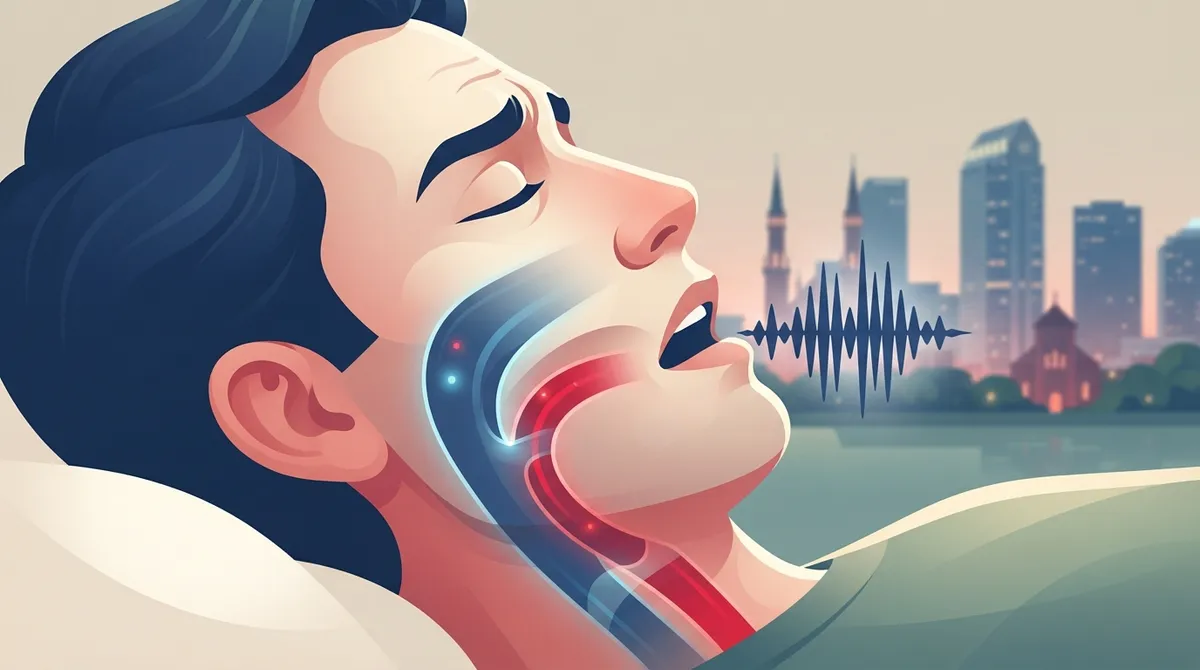
Snoring happens when airflow makes tissues in the throat vibrate. Many people snore now and then, especially with a cold, allergies, or after drinking alcohol. Occasional snoring is rarely a concern.
Loud, habitual snoring is different. It can be a symptom of obstructive sleep apnea, but snoring by itself does not establish the diagnosis. Clinicians look for the full picture, including other signs that your sleep is being disrupted.
Warning Signs That Go Beyond Snoring
According to guidance from the American Academy of Sleep Medicine (AASM), other clues can raise concern. Watch for these signs:
- Pauses in breathing that someone else has witnessed
- Gasping or choking during sleep
- Daytime sleepiness, even after a full night in bed
- Unrefreshing sleep or morning headaches
- High blood pressure
If you notice two or more of these, a loud snoring evaluation in Tampa is a smart next step. Learning more about the symptoms of sleep apnea can help you describe your situation clearly to a clinician.
Mistake 1: Assuming Snoring Always Means Sleep Apnea
Some people read one article and panic. They assume every snore means OSA. That is not accurate, and it can cause needless worry.
Snoring is one clue among many. A clinician needs your sleep history, symptoms, medications, and a physical exam before drawing any conclusion. For a deeper look at this question, see these facts on whether snoring always means sleep apnea.
The better approach is balance. Take your snoring seriously, but let a proper evaluation, not guesswork, decide what it means.
Mistake 2: Relying on an Online Quiz Alone
Screening questionnaires can be helpful. They estimate your risk and give your clinician useful context. But the AASM is clear that screening tools alone cannot diagnose OSA.
A quiz cannot measure how often your breathing stops. It cannot check your oxygen levels. It cannot examine your airway or review your heart health. Only a clinical evaluation and an appropriate sleep test can do that.
Use a quiz as a conversation starter, not a verdict. Bring your results to your visit and let your clinician build on them.
Mistake 3: Skipping Primary Care and Waiting Months for a Specialist
Many Tampa residents assume they must see a sleep specialist first. That belief can add weeks or months of delay. In many cases, primary care is a useful first stop.
A primary care clinician can review your symptoms and medical history, check your blood pressure, and look at related health risks. From there, they can arrange a home or in-lab sleep test, or refer you to sleep medicine when it makes sense. This coordinated approach keeps everything in one place.
If you are weighing your options, it helps to understand how primary care compares with a sleep specialist. You can also read about finding a sleep medicine doctor in Tampa if you expect to need specialty care.
What a Primary Care Evaluation Usually Includes
A first visit often follows these steps:
- A detailed sleep and medical history, including how long you have snored
- A review of your symptoms, daytime energy, and current medications
- A physical exam, including blood pressure and a look at your airway
- A risk screening questionnaire to estimate OSA likelihood
- A plan for the right sleep test, plus follow-up to review results
Follow-up matters. The AASM stresses that test selection and results review should be part of a comprehensive evaluation, not an afterthought.
Mistake 4: Not Knowing the Difference Between Sleep Tests
Two main tests confirm sleep apnea: a home sleep apnea test (HSAT) and an attended in-lab polysomnogram (PSG). Choosing between them depends on your health and symptoms. Many patients feel confused here, so this comparison may help.
|
Feature |
Home Sleep Apnea Test (HSAT) |
In-Lab Polysomnogram (PSG) |
|---|---|---|
|
Where it happens |
Your own bed |
Sleep facility with a technologist |
|
Best suited for |
Uncomplicated adults at higher risk of moderate-to-severe OSA |
Patients with complex health conditions or other sleep disorders |
|
Convenience |
High |
Lower |
|
Monitoring level |
Limited measurements |
Comprehensive, attended monitoring |
For an uncomplicated adult with symptoms that suggest a higher risk of moderate-to-severe OSA, a clinician may choose either a technically adequate HSAT or an in-lab PSG. The AASM favors in-lab testing for people with:
- Significant heart or lung disease
- Possible respiratory muscle weakness or suspected hypoventilation
- Chronic opioid use
- A history of stroke
- Severe insomnia, or another sleep disorder that also needs evaluation
This is why a clinician-guided choice beats picking a test on your own. Your health history shapes which test gives reliable answers.
Mistake 5: Treating a Negative Home Test as the Final Word
This one surprises many people. A home test comes back negative, and they assume they are in the clear. But a negative home sleep apnea test does not always close the case.
The AASM recommends an in-lab polysomnogram if a home test is negative, inconclusive, or technically inadequate, but concern for OSA remains. If you still feel exhausted, still gasp at night, or your partner still hears pauses, tell your clinician. Do not stop at one result.
Always discuss your results in a follow-up visit. A negative test is information to review together, not an automatic all-clear.
Mistake 6: Overlooking Insurance and Referral Details
Practical details can slow you down. Coverage rules differ by plan, and some require a referral or prior authorization before a sleep study. Whether testing is home-based or in-lab can also affect cost.
Before you commit, ask the practice and your insurer a few direct questions. Confirm local availability, referral requirements, and what your plan covers. If you are new to the area or between doctors, this guide to finding a family doctor in Tampa can help you get set up.
Questions Worth Asking Before You Book
- Do I need a referral for a sleep study?
- Is the recommended test home-based or in-lab?
- What will my plan cover, and what might I pay out of pocket?
- How soon can I get results reviewed with a clinician?
Asking these upfront saves time and avoids surprise bills.
What Happens After You Are Diagnosed
If testing confirms sleep apnea, your care team will talk through treatment options. These can include lifestyle changes, devices, or other therapies, depending on severity and your health. Weight, alcohol use, and sleep position often matter, and your clinician can help you make a realistic plan.
Many adults also find that better sleep supports other health goals, from blood pressure to energy to weight management. If you are curious about the bigger picture, you may want to learn when to see a doctor for poor sleep, or review what to consider before choosing a sleep apnea clinic in Tampa.
Who Benefits Most From an Early Evaluation
An evaluation is worth considering for many people, including:
- Busy parents who wake unrefreshed and struggle to keep up with family life
- Professionals who feel foggy or sleepy at work despite enough hours in bed
- Adults with high blood pressure who also snore loudly
- Anyone whose partner reports pauses in breathing or gasping at night
Acting early gives you answers sooner. It also helps you avoid months of poor sleep and daytime fatigue.
How InCare Supports Your Next Step
InCare is a personalized primary care and wellness clinic serving Tampa and Riverview. The team combines medical expertise with modern technology and focuses on prevention and whole-body health. That makes it a strong fit for a loud snoring evaluation, since sleep often connects to blood pressure, weight, and overall wellness.
Patients can start with a primary care visit to discuss symptoms, review risks, and map out the right testing path. If you prefer to see what other patients say, you can visit us on Google — InCare to read reviews of our Tampa and Riverview care. You can also follow our updates on Instagram for wellness tips from our team.
For general background on sleep health, the American Academy of Sleep Medicine offers helpful patient resources, and the CDC sleep page covers why healthy sleep matters. For testing details, review the AASM clinical practice guideline on diagnostic testing for OSA.
Take the First Step Toward Better Sleep
Loud snoring is common, but it is not always harmless. Avoid these six mistakes: assuming snoring always means apnea, relying on a quiz alone, skipping primary care, misunderstanding sleep tests, trusting a single negative result, and ignoring insurance details. A thoughtful evaluation gives you real answers instead of guesses.
If snoring, daytime sleepiness, or witnessed breathing pauses sound familiar, do not wait. Book your visit with InCare to start your loud snoring evaluation in Tampa, or contact our team with questions about the process.
FAQs
Q: Does loud snoring mean I have sleep apnea?
A: Not necessarily. Loud, habitual snoring can be a symptom of obstructive sleep apnea, but snoring alone does not establish the diagnosis. Clinicians also look for witnessed breathing pauses, gasping, daytime sleepiness, and high blood pressure.
Q: When should I see a doctor about loud snoring in Tampa?
A: Schedule an evaluation if your snoring is loud and frequent, or if it comes with gasping, witnessed pauses in breathing, daytime sleepiness, or unrefreshing sleep. A primary care clinician can assess your symptoms and coordinate testing or a sleep medicine referral.
Q: Can my primary care doctor order a sleep study?
A: Yes. A primary care clinician can review your history, estimate your risk, and arrange a home sleep apnea test or in-lab polysomnogram when appropriate. Confirm referral and insurance requirements with the practice and your plan.
Q: What should I do if my home sleep test is negative but I still have symptoms?
A: Discuss the result with your clinician rather than treating it as definitive. The AASM recommends an in-lab polysomnogram when a home test is negative, inconclusive, or technically inadequate but concern for OSA remains.
Q: Is a home sleep apnea test as accurate as an in-lab sleep study?
A: For an uncomplicated adult at higher risk of moderate-to-severe OSA, either test may be appropriate. In-lab testing is preferred for people with significant heart or lung disease, prior stroke, chronic opioid use, or other sleep disorders.