Key Takeaways
- Low libido is treated medically by first finding the underlying cause, such as depression, stress, pain, medications, or menopause, rather than defaulting to a pill or hormone shot.
- Do not stop a prescribed medicine on your own if it may be lowering your libido; review it with your clinician, since abrupt discontinuation can cause harm.
- Flibanserin and bremelanotide are FDA-approved only for eligible premenopausal women with diagnosed, acquired, generalized HSDD that causes distress, after a clinician weighs side effects like dizziness and nausea.
- Testosterone therapy for men is appropriate only when symptoms match consistently low testosterone confirmed by repeat testing, since no single blood test diagnoses low desire.
Low libido is common, and it is rarely a simple problem with a single cause. Many people assume a pill or a hormone shot will fix it. In practice, the question of how is low libido treated medically starts with listening, testing only when it makes sense, and finding the real reason desire has changed.
Doctors treat low libido as a symptom, not a diagnosis. A lower level of desire is not always a disorder. Care focuses on cases where the change is persistent, different from your usual pattern, and distressing to you or your relationship.
This guide walks through five medical approaches, from the first visit to prescription options. It is written for busy adults who want clear answers, whether they are in their twenties or forties. Each approach is individualized, so the right path depends on your health, medications, life context, and goals. Treatment also differs by sex, menopausal status, and cause.
1. A Careful Medical Evaluation Comes First
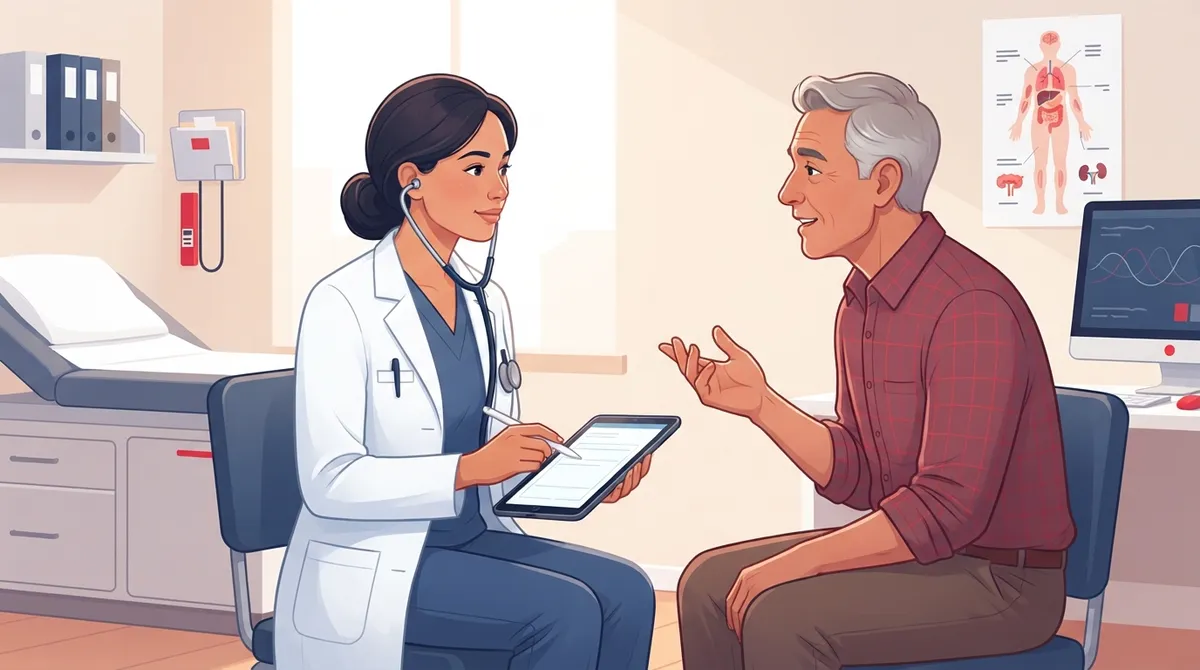
The first step in treating low libido medically is a thorough, confidential conversation. A primary care clinician asks about your symptoms and how long they have lasted. Good care is nonjudgmental and looks at the whole person.
A typical evaluation covers these areas:
- Onset and pattern: Did desire drop suddenly or slowly? Does it happen in every situation or only some?
- Distress: Does the change bother you, or is it simply a difference you notice?
- Mood and stress: Depression, anxiety, and chronic stress are common contributors.
- Sleep and energy: Fatigue can quietly lower interest in sex. See how to know when to see a doctor for poor sleep if rest is a problem.
- Pain and physical comfort: Pain during sex is treated as its own issue.
- Relationship and life context: Communication, new parenthood, and major life changes all matter.
- Substances and medications: Alcohol, nicotine, and certain prescriptions can affect desire.
A focused physical exam and lab tests follow only if your history points to a cause. No single blood test diagnoses low desire. This is why testing is guided by symptoms rather than done by default. If you are unsure when to start this conversation, when should I see a doctor for low libido explains the key signs.
2. Treating the Underlying Causes
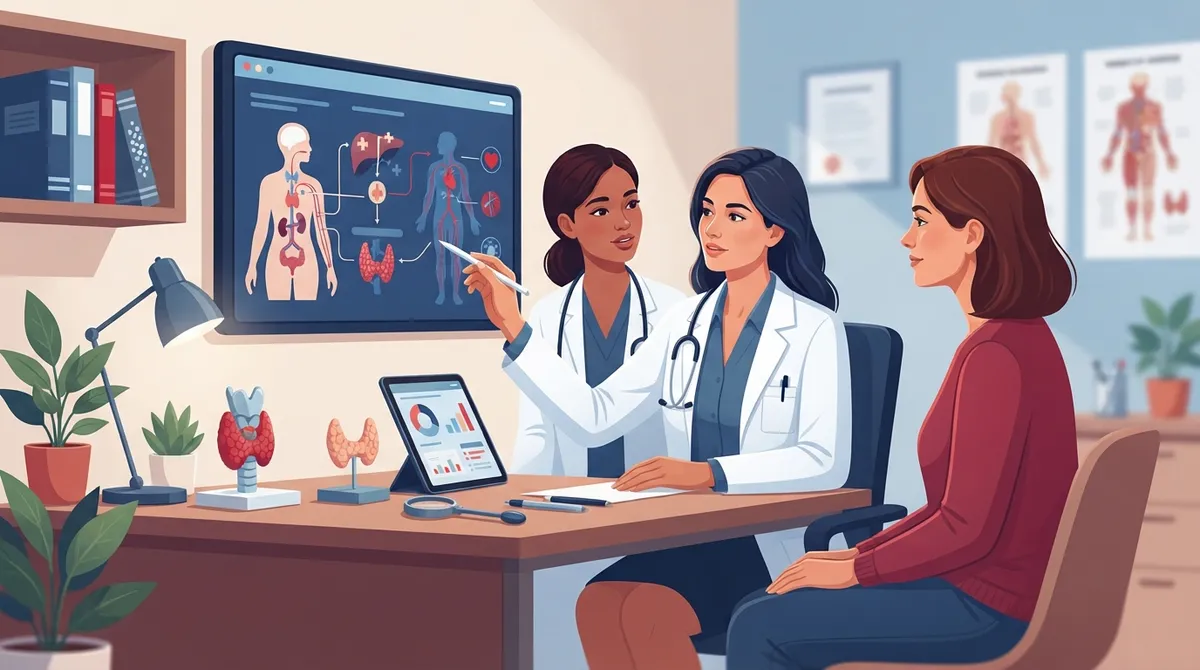
Many people improve once the root cause is addressed. Doctors often begin here rather than reaching for a libido medication. The goal is to fix what is reversible.
Common Contributors Doctors Look For
|
Contributor |
How It Can Affect Desire |
Typical Medical Response |
|---|---|---|
|
Depression or anxiety |
Lowers interest and energy |
Treat the mood condition; review medicines |
|
Chronic stress and fatigue |
Reduces mental and physical readiness |
Address sleep, workload, and recovery |
|
Chronic illness |
Drains energy and changes hormones |
Improve disease control |
|
Pain during sex |
Creates avoidance |
Diagnose and treat the pain source |
|
Menopause-related changes |
Dryness and discomfort reduce desire |
Treat genitourinary symptoms |
|
Pregnancy or postpartum shifts |
Hormones and exhaustion change interest |
Support, time, and tailored care |
|
Medications |
Some can lower desire as a side effect |
Review, adjust, or switch with guidance |
Medicines that may lower libido include some antidepressants, opioids, and hormonal treatments. This is why a medication review is a core step. Do not stop a prescribed medicine on your own. Talk to your clinician first, because stopping suddenly can cause harm.
Lifestyle care also supports desire. Better sleep, regular movement, and less alcohol all help. For those working on weight, 14 ways a primary care doctor aids weight loss shows how overall health and energy connect.
3. Counseling, Sex Therapy, and Mindfulness-Based Care
Medical treatment for low libido is not only about medication. Because desire is shaped by mind, body, and relationships, behavioral care plays a major role. Primary care clinicians often coordinate referrals to the right specialist.
Options a clinician may discuss include:
- Education: Learning how desire works and what is considered normal can ease worry on its own.
- Cognitive behavioral therapy (CBT): This helps change unhelpful thoughts and habits that reduce desire.
- Sex therapy: A trained therapist guides you or your partner through communication and intimacy skills.
- Mindfulness-based approaches: These build present-moment awareness and can reduce performance pressure.
- Couples counseling: Relationship strain is a frequent and treatable contributor.
These options suit many readers, including young families short on time and younger adults who prefer to try non-drug approaches first. They carry few risks and can be combined with other treatments. Stress is often a hidden driver, and how to tell if stress is behind your low sex drive offers helpful guidance.
4. Prescription Options for Women With Diagnosed HSDD
Prescription treatment is limited to specific, diagnosed situations. For women, the main condition is hypoactive sexual desire disorder (HSDD). It means persistent, distressing low desire that is not better explained by another problem. Clinicians confirm the diagnosis before considering any drug.
Options for Premenopausal Women
For eligible premenopausal women with acquired, generalized HSDD that causes distress, the U.S. FDA has approved two options. They are not general treatments for everyone with low libido. A clinician reviews eligibility, expected benefit, side effects, and safety limits first.
|
Option |
How It Is Used |
Key Cautions |
|---|---|---|
|
Flibanserin |
Taken once daily at bedtime |
Can cause dizziness, sleepiness, nausea, and fatigue; important alcohol and drug-interaction precautions |
|
Bremelanotide |
Given as needed by subcutaneous injection |
Commonly causes nausea; not for uncontrolled high blood pressure or known cardiovascular disease |
Always confirm exact dosing and eligibility against current prescribing information and your clinician's guidance.
Options for Postmenopausal Women
For postmenopausal women with HSDD, evidence supports carefully monitored, low-dose transdermal testosterone in some cases. It is not FDA-approved for women in the United States, so the conversation must include uncertainty and risk. Guidance recommends avoiding doses above the normal female range and monitoring levels to prevent excess exposure. If there is no meaningful benefit after about six months, therapy should stop. Long-term safety data are limited, and testosterone levels alone do not diagnose HSDD.
Hormonal changes can also play a role earlier in life. Can women have low libido from hormone imbalance explains how clinicians sort this out.
5. Testosterone and Related Care for Men
In men, low desire can be linked to low testosterone, but not always. Treatment is appropriate only when compatible symptoms appear alongside consistently low testosterone confirmed by testing. Testosterone is not a general libido booster.
A careful approach for men usually includes these steps:
- Symptom review: Low desire, fatigue, and mood changes are assessed together.
- Repeat lab testing: Levels are confirmed on more than one occasion, not judged from a single reading.
- Cause investigation: Clinicians look for treatable reasons for low levels before starting therapy.
- Risk discussion: Benefits and risks are reviewed before any treatment begins.
- Ongoing monitoring: Follow-up visits track response and safety.
Erectile dysfunction is a separate issue. It can occur with normal testosterone and may need its own evaluation and treatment, such as a PDE-5 inhibitor. Many men confuse the two problems, so a clear diagnosis matters. Readers weighing hormone care can explore who provides medically supervised TRT in Tampa Bay and testosterone therapy vs. root-cause care for libido help in Tampa.
Why Primary Care Is the Right Place to Start
Low libido touches mood, sleep, hormones, medications, and relationships all at once. A primary care clinic can look at all of these together and coordinate referrals when needed. That whole-person view is the strength of preventive, personalized care.
InCare is a personalized primary care and wellness clinic serving Tampa and Riverview, Florida. Its team combines medical expertise with advanced tools, including in-house lab testing, to look at the full picture. Patients can also use virtual visits when that suits a busy schedule. To see what other patients say about their care, visit us on Google — InCare. You can also follow the clinic on Instagram, Facebook, and TikTok for health updates.
For further reading, is low sex drive a medical issue gives useful background, and 12 steps to find a low libido doctor in Tampa helps you choose a provider. For credible national guidance, the National Institutes of Health offers general sexual health resources.
Conclusion: Start With a Conversation, Not a Prescription
So, how is low libido treated medically? Doctors begin with a careful evaluation, treat reversible causes, add counseling when helpful, and reserve prescription options for specific diagnosed cases in women and men. There is no one-size-fits-all fix, and no single test tells the whole story.
If changes in desire are bothering you, you do not need to wait or guess. A clear evaluation can save time and point you toward safe, effective care. Book your visit with InCare to talk with a clinician in Tampa or Riverview, or contact our team with questions before you schedule.
FAQs
Q: What causes low libido, and when should I see a doctor?
A: Common causes include depression, anxiety, stress, fatigue, chronic illness, pain during sex, menopause-related changes, and certain medicines. See a doctor if your desire has dropped, the change is persistent, and it bothers you or your relationship.
Q: How do doctors evaluate low sexual desire?
A: A clinician takes a confidential history covering onset, mood, sleep, pain, relationships, substances, and medications. A focused exam and lab tests follow only if they are guided by your symptoms, since no single blood test diagnoses low desire.
Q: Can antidepressants or other medications lower libido?
A: Yes. Some antidepressants, opioids, and hormonal treatments can reduce desire. Do not stop a prescribed medicine on your own; talk with your clinician about reviewing or adjusting it safely.
Q: Are flibanserin or bremelanotide right for me?
A: These FDA-approved options are intended only for eligible premenopausal women with acquired, generalized HSDD that causes distress. A clinician reviews eligibility, benefits, and risks, including side effects like dizziness, sleepiness, and nausea, before prescribing.
Q: Can low testosterone cause low libido in men?
A: It can, but only when compatible symptoms appear alongside consistently low testosterone confirmed by testing. Testosterone is not a general libido enhancer, and erectile dysfunction can occur with normal levels and needs separate evaluation.