Key Takeaways
- Start with a primary care clinician for persistent snoring and daytime fatigue; they can screen for sleep apnea, check other causes of tiredness, and order sleep testing or refer you to a specialist.
- Snoring alone does not confirm sleep apnea; diagnosis requires a sleep study, either a home sleep apnea test or an in-lab polysomnogram, which is generally preferred for people with heart or lung disease, chronic opioid use, prior stroke, or severe insomnia.
- Book a visit soon if you notice witnessed breathing pauses, choking or gasping during sleep, or unrefreshing sleep with excessive daytime sleepiness.
- Do not drive if drowsiness makes it unsafe, and seek prompt medical advice for breathing pauses, choking during sleep, or severe daytime sleepiness.
You wake up tired after a full night in bed. Your partner says you snore loudly, or that you stop breathing for a few seconds at a time. By mid-afternoon, you can barely keep your eyes open. If this sounds familiar, one question comes up fast: who should i see for snoring and fatigue in tampa?
The short answer is to start with a primary care clinician. They can review your symptoms, check for common causes of tiredness, and order sleep testing or refer you to a sleep specialist when needed. This guide gives you 14 clear facts to help you take the right next step in 2026.
We wrote this for busy Tampa adults, parents, and wellness-minded professionals who want straight answers. You will learn what snoring and fatigue can mean, how sleep apnea is diagnosed, when a specialist is the right call, and what to do if symptoms feel urgent.
Quick Answer: Who Should You See First?
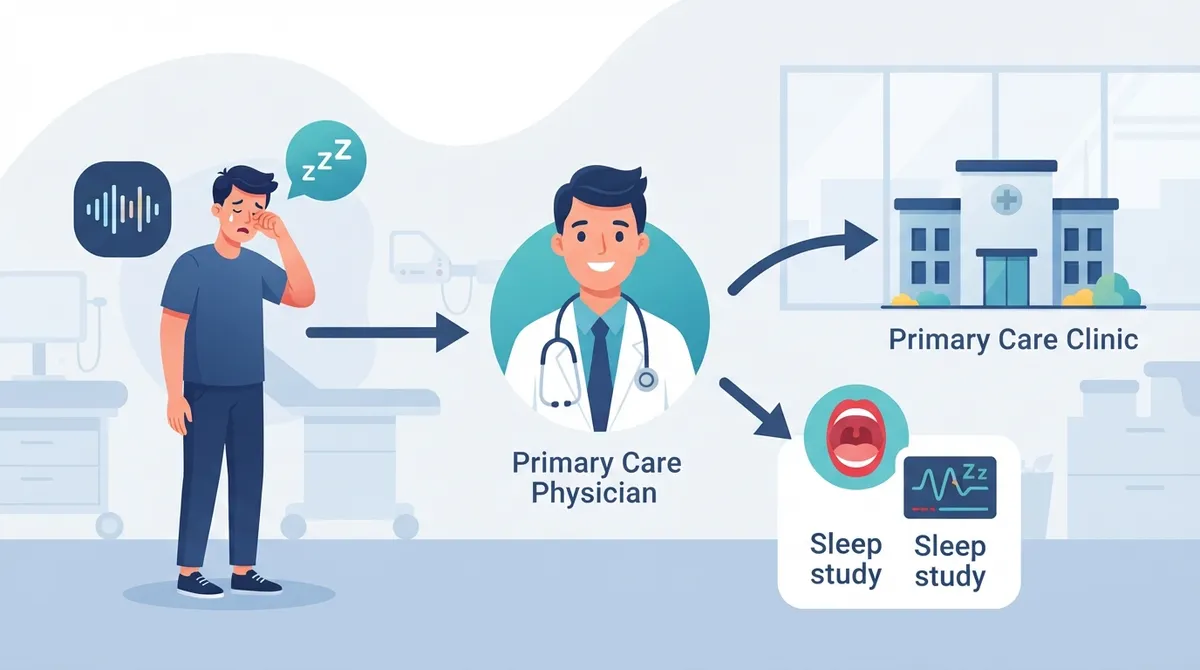
For persistent snoring together with daytime fatigue, begin with a primary care clinician or family medicine provider. They look at the whole picture, not just one symptom. That matters because tiredness has many causes, and snoring is only one possible clue.
A primary care visit usually covers your medical history, medications, sleep habits, and a physical exam. From there, your clinician can decide whether you need a sleep study, lab work, or a referral. At InCare, our Tampa and Riverview team combines primary care with advanced wellness tools, so you can start in one place and get a clear plan.

14 Facts to Know Before You Choose a Doctor
1. A Primary Care Clinician Is the Practical First Contact
Your primary care provider can screen for sleep apnea and other causes of fatigue in one visit. They can also coordinate testing. If you are still searching for a clinician, our guide on choosing the best primary care doctor in Tampa can help.
2. Snoring Alone Does Not Mean You Have Sleep Apnea
Many people snore without having obstructive sleep apnea (OSA). Snoring becomes more concerning when it is loud, irregular, or paired with other warning signs. You can learn more about this in 7 facts on whether snoring always means sleep apnea.
3. Know the Warning Signs of Sleep Apnea
Certain symptoms deserve a prompt evaluation. Watch for these signs:
- Loud or irregular snoring
- Pauses in breathing that someone else notices
- Waking up choking or gasping
- Unrefreshing sleep, even after a full night
- Excessive daytime sleepiness
If you have more than one of these, book a visit soon. Our overview of sleep apnea symptoms covers each sign in more detail.
4. Fatigue Has Many Possible Causes
Sleep apnea is only one explanation. Tiredness can also come from short or disrupted sleep, medication effects, mood conditions, thyroid or blood sugar problems, and other medical issues. A good primary care evaluation sorts through these options so you do not chase the wrong answer. If tiredness is your main concern, see our post on whether sleep apnea can cause daytime fatigue.
5. Sleep Apnea Needs a Sleep Study to Diagnose
A symptom checklist or screening questionnaire cannot confirm OSA on its own. Diagnosis requires proper sleep testing. For appropriate adults, a clinician may order either a home sleep apnea test or an overnight in-lab polysomnogram. To see how the process works, read how sleep apnea is diagnosed.
6. Home Tests and In-Lab Tests Serve Different Patients
The table below shows how the two main test types compare.
|
Feature |
Home Sleep Apnea Test |
In-Lab Polysomnogram |
|---|---|---|
|
Where it happens |
Your own bed |
Overnight sleep center |
|
Best for |
Adults with a high likelihood of OSA and no major complicating conditions |
People with heart or lung disease, chronic opioid use, prior stroke, or severe insomnia |
|
Monitoring detail |
More limited |
More complete |
|
If results are unclear |
Often followed by in-lab testing |
Considered the fuller follow-up option |
If a home test is negative, inconclusive, or technically inadequate while suspicion remains, guidelines from the American Academy of Sleep Medicine recommend polysomnography.
7. In-Lab Testing Is Often Preferred for Higher-Risk Patients
People with significant heart or lung disease, possible respiratory muscle weakness, sleep-related hypoventilation, chronic opioid use, prior stroke, or severe insomnia generally do better with a full in-lab study. Your clinician will help decide which route fits you.
8. A Sleep Medicine Physician Is the Next Step When Needed
See a sleep specialist when symptoms point to a sleep disorder, when testing is required, or when snoring and tiredness continue after an initial evaluation. Depending on the cause, you may also work with pulmonology, ENT, or neurology. For local direction, read our guide to a sleep medicine doctor in Tampa.
9. Tampa Has Dedicated Sleep Resources
Tampa General Hospital's Sleep Disorders Center reports offering adult and pediatric evaluation, home and in-lab sleep studies, and coordinated care across sleep-related specialties. Its listed number is 813-844-4292. Always confirm current services, referral requirements, insurance coverage, and appointment availability directly before you go.
10. Routine Screening Is Different From Symptom Evaluation
The U.S. Preventive Services Task Force (USPSTF) found insufficient evidence to weigh the benefits and harms of screening the general adult population for OSA. This applies to people without recognized symptoms. If you do have symptoms, you should receive a clinically appropriate evaluation. You can review the recommendation on the USPSTF website.
11. Severity Is Measured by Events Per Hour
Sleep studies report an apnea-hypopnea index (AHI), which counts breathing events per hour of sleep. The categories below are commonly used.
|
Severity |
Events Per Hour |
|---|---|
|
Mild |
5 to 15 |
|
Moderate |
16 to 30 |
|
Severe |
More than 30 |
Your severity helps guide treatment choices, so ask your clinician to explain your result in plain language.
12. Treatment Is Not Only CPAP
Many people think CPAP is the only option. In reality, care can include weight management, positional changes, oral devices, and other medical or procedural options. Your plan depends on your test results and health history. If you want to explore your options, see alternatives to CPAP for sleep apnea.
13. Whole-Body Wellness Can Support Better Sleep
Weight, blood sugar, hormones, and stress all affect sleep quality. A primary care and wellness clinic can look at these pieces together. Our article on whether weight loss can help sleep apnea explains one common connection. InCare also offers medical weight loss, metabolic breath analysis, body composition analysis, and DNA gene testing to help build a plan around you.
14. Some Symptoms Need Prompt Attention
Do not wait if you have breathing pauses or choking during sleep, or severe daytime sleepiness. If drowsiness makes driving unsafe, do not drive and contact a clinician right away. Falling asleep at the wheel puts you and others at risk.
Who to See: A Simple Decision Guide
Use this quick guide to match your situation to the right starting point.
- Persistent snoring plus tiredness: Start with a primary care clinician for a full evaluation.
- Witnessed breathing pauses or gasping: Book soon and ask about sleep testing.
- Abnormal sleep study or complex health history: Ask for a sleep medicine referral.
- Nasal or throat blockage concerns: Your clinician may suggest an ENT evaluation.
- Unsafe drowsiness or severe symptoms: Seek prompt medical advice and avoid driving.
What to Prepare Before Your Visit
A little preparation makes your appointment more useful. Bring the following:
- A list of current medications and supplements
- Notes on your typical bedtime, wake time, and nighttime waking
- Observations from a partner about snoring or breathing pauses
- Any prior sleep test results or related medical records
You can also check what to bring to your first primary care visit. If you are comparing sleep care options across the region, our guide to a sleep clinic in Tampa is a useful companion. Riverview residents can also read about choosing a sleep apnea doctor in Riverview.
Why a Wellness-Focused Primary Care Clinic Makes Sense
Snoring and fatigue rarely have a single cause. A clinic that blends primary care with modern testing can connect the dots faster. InCare serves patients in Tampa and Riverview with in-person visits and virtual appointments, which helps busy families and professionals fit care into real schedules. We hold a 4.8 out of 5 rating on Google, and you can read InCare reviews on Google to see what patients say about their visits.
We also share health tips on social media. Follow us on Instagram, Facebook, and TikTok for practical wellness guidance.
Conclusion: Take the First Step Toward Better Sleep
If you are asking who should i see for snoring and fatigue in tampa, the answer is a primary care clinician who can sort out the cause and guide you toward testing or a specialist. Do not ignore loud snoring, breathing pauses, or relentless tiredness. Early evaluation can protect your energy, your safety, and your long-term health.
Ready to get answers? Book your appointment with InCare today, or contact our team with questions about your symptoms. Let us help you wake up feeling like yourself again.
FAQs
Q: Who should I see for snoring and fatigue in Tampa?
A: Start with a primary care clinician or family medicine provider. They can review your symptoms, check for common causes of tiredness, and order sleep testing or refer you to a sleep medicine specialist when appropriate.
Q: Does loud snoring and daytime tiredness mean I have sleep apnea?
A: Not necessarily. Snoring alone does not establish obstructive sleep apnea, and not everyone who snores has it. Warning signs such as witnessed breathing pauses, gasping, and excessive sleepiness raise concern, but diagnosis requires a sleep study.
Q: How is sleep apnea diagnosed: home test or overnight sleep study?
A: A clinician may order a home sleep apnea test or an overnight in-lab polysomnogram, depending on your health. In-lab testing is generally preferred for people with significant heart or lung disease, chronic opioid use, prior stroke, or severe insomnia.
Q: When should snoring and daytime sleepiness be treated as urgent?
A: Seek prompt medical advice for breathing pauses or choking during sleep, or for severe daytime sleepiness. If drowsiness makes driving unsafe, do not drive and contact a clinician.
Q: What other conditions can cause fatigue along with snoring?
A: Fatigue can result from insufficient or disrupted sleep, medication effects, mood conditions, and other medical problems. A primary care evaluation helps determine whether sleep testing or a different workup is the right next step.