Key Takeaways
- Untreated sleep apnea is linked to high blood pressure that is hard to control, atrial fibrillation, coronary disease, heart failure, heart attack, and stroke, though association does not guarantee these outcomes.
- Untreated OSA is associated with insulin resistance and type 2 diabetes, and poor sleep can disrupt how the body handles blood sugar.
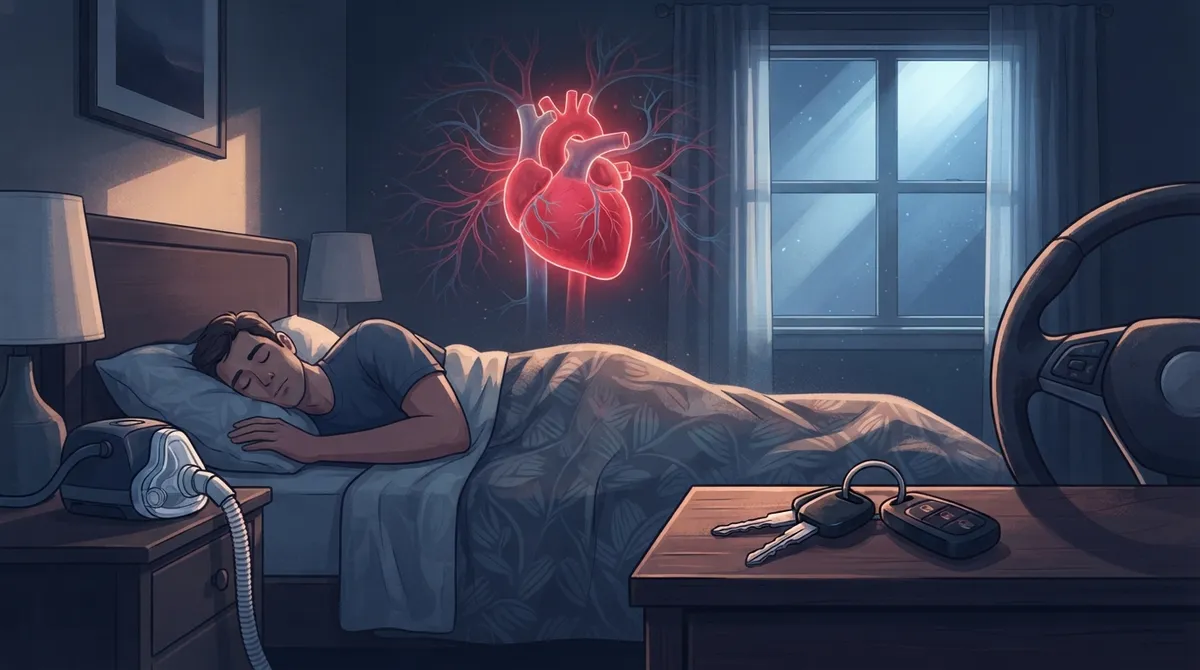
- Daytime sleepiness from untreated sleep apnea raises the risk of drowsy driving and workplace accidents, so do not drive if you feel sleepy until you have been evaluated.
- Warning signs include loud frequent snoring, witnessed breathing pauses or gasping, morning headaches, unrefreshing sleep, and trouble concentrating; a sleep study is the path to diagnosis.
You go to bed at a reasonable hour. You wake up feeling like you never slept. If that sounds familiar, the cause may be more than a rough night. It may be sleep apnea, a condition in which breathing repeatedly stops and starts during sleep.
Many people shrug off loud snoring or constant tiredness. Yet the question of how untreated sleep apnea affects health deserves a serious answer. The American Academy of Sleep Medicine (AASM) estimates that obstructive sleep apnea (OSA) affects nearly 30 million U.S. adults, and about 80% of cases remain undiagnosed (AASM, 2023). That means most people living with it do not know it.
This guide walks through 12 ways untreated sleep apnea can affect the body and mind. These are risks and associations, not guaranteed outcomes for every person. Individual risk varies. Understanding them is the first step toward asking the right questions and getting tested. If you live near Tampa or Riverview, your primary care team can help you start that process.
What Is Sleep Apnea?
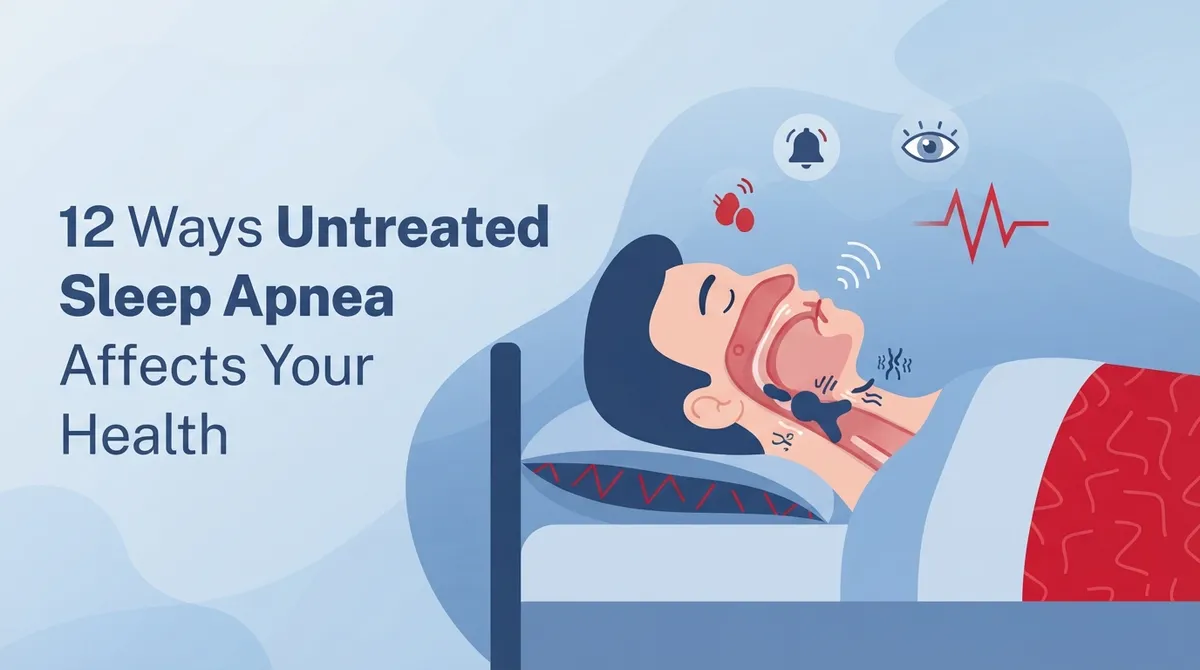
Sleep apnea is a repeated partial or complete interruption of breathing during sleep. It comes in two main forms:
- Obstructive sleep apnea (OSA): The most common type. The upper airway narrows or closes while you sleep.
- Central sleep apnea: The brain does not send the right signals to the muscles that control breathing.
Each pause can lower blood oxygen and pull you out of deep sleep, often without waking you fully. Over many nights, this pattern puts stress on the heart, blood vessels, and brain. According to an AASM fact sheet, OSA-related breathing symptoms occur in an estimated 24% of men and 9% of women, though estimates depend on the population studied and the criteria used.
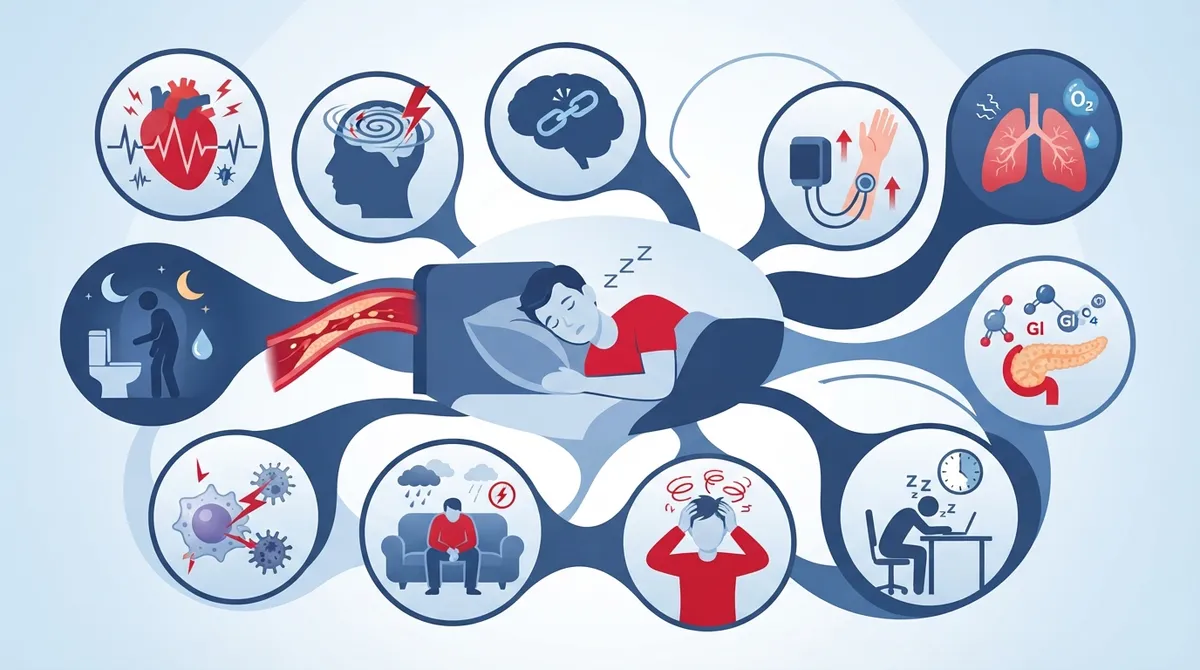
12 Ways Untreated Sleep Apnea Can Affect Your Health
1. Persistent Daytime Sleepiness
Fragmented sleep is the most common effect. You may sleep eight hours and still feel exhausted. Excessive daytime sleepiness can make work, parenting, and everyday tasks harder than they should be.
2. Trouble With Memory and Concentration
Broken sleep affects the brain. People with untreated OSA often report poor focus, forgetfulness, and slower decision-making. This can show up as mistakes at work or difficulty following conversations.
3. Mood Changes
Poor sleep and low oxygen are linked with irritability, low mood, and anxiety. If you feel "off" and cannot explain why, sleep quality is worth reviewing. Our guide on how to know when to see a doctor for poor sleep can help you decide when to act.
4. High Blood Pressure That Is Hard to Control
Each breathing pause triggers a surge of stress hormones. Over time, this is associated with high blood pressure, including cases that are difficult to control with medication alone. If your readings stay high despite treatment, sleep apnea is one factor your clinician may consider. Learn more in our article on 12 proven strategies for blood pressure management in 2026.
5. Irregular Heart Rhythms
Untreated OSA is associated with atrial fibrillation and other rhythm problems. The repeated drops in oxygen and swings in pressure inside the chest can strain the heart.
6. Coronary Disease, Heart Failure, and Stroke
Research links untreated OSA with coronary artery disease, heart failure, heart attack, and stroke. Association does not mean every person with sleep apnea will develop these conditions. Still, the connection is a strong reason to take symptoms seriously.
7. Insulin Resistance and Type 2 Diabetes
OSA is associated with insulin resistance, type 2 diabetes, and metabolic syndrome. Poor sleep can change how the body handles blood sugar. For related reading, see how to manage diabetes with a Tampa primary care doctor.
8. Weight Gain That Is Hard to Reverse
The relationship runs both ways. Excess weight can raise the risk of sleep apnea, and poor sleep can make weight harder to manage by affecting hunger hormones and energy for activity. Many patients find that addressing both together works best. Our overview of whether weight loss can help sleep apnea explains what the research shows.
9. Higher Risk of Drowsy Driving and Accidents
Sleepiness and reduced alertness raise the risk of motor-vehicle crashes and workplace accidents. If you feel sleepy, do not drive or operate machinery. This is one of the most immediate safety risks of untreated sleep apnea.
10. Other Health Concerns With Varying Evidence
OSA has also been linked to chronic kidney disease, acid reflux, and complications during pregnancy. The strength of evidence differs for each of these outcomes, so your clinician can help you weigh what applies to you.
11. Strain on Relationships and Quality of Life
Loud snoring disrupts a partner's sleep. Fatigue and irritability can strain family life. For busy parents and working professionals, the daily toll adds up quickly.
12. Lower Productivity and Higher Health Costs
The AASM cites an estimate of roughly $149.6 billion in annual U.S. costs tied to undiagnosed OSA, including health-care use, accidents, and lost productivity (AASM report, 2023; based on an earlier economic analysis). The personal cost shows up as sick days, missed focus, and more medical visits.
Warning Signs You Should Not Ignore
Symptoms alone cannot confirm sleep apnea, but they are good reasons to start a conversation. Watch for:
- Loud, frequent snoring
- Pauses in breathing or gasping that a partner notices
- Waking up with a dry mouth or morning headache
- Unrefreshing sleep, even after a full night
- Daytime sleepiness or dozing off during quiet activities
- Trouble concentrating or changes in mood
Not everyone who snores has sleep apnea. However, snoring combined with tiredness deserves attention. Our article on whether snoring always means sleep apnea goes deeper.
Who Is More Likely to Be Affected?
Anyone can develop sleep apnea, but certain factors raise the odds. These include excess weight, a larger neck size, older age, male sex, and a family history. High blood pressure, type 2 diabetes, and heart rhythm problems also increase the likelihood that a clinician will screen for it. The condition is also underrecognized in women, who may report fatigue, morning headaches, or poor sleep rather than loud snoring.
How Sleep Apnea Is Diagnosed
Diagnosis generally requires a sleep study. A primary care clinician starts by asking about snoring, witnessed pauses, daytime sleepiness, and your health history. From there, the steps usually look like this:
- Screening conversation: Your clinician reviews symptoms, risk factors, and medications.
- Physical exam: Blood pressure, weight, neck size, and airway features are checked.
- Sleep testing: Home sleep apnea testing may suit appropriate patients. In-lab polysomnography is used when a more detailed study is needed.
- Results review: A sleep specialist may help interpret findings and guide treatment.
- Follow-up: Your care team monitors progress and adjusts the plan.
For a closer look at the process, read how sleep apnea is diagnosed and the steps doctors use in 2026.
Treatment Options at a Glance
Treatment depends on the person and the severity of the condition. The table below summarizes common approaches.
|
Approach |
How It Works |
Who It May Suit |
|---|---|---|
|
Positive airway pressure (PAP) |
A mask delivers air pressure to keep the airway open |
Many patients, including moderate to severe cases |
|
Oral appliance |
A custom device repositions the jaw or tongue |
Selected patients, often with milder cases |
|
Weight management |
Reducing excess weight can lessen airway narrowing |
Patients with weight as a contributing factor |
|
Positional and lifestyle changes |
Sleep position, alcohol limits, and sleep habits |
Added support alongside other treatments |
Your clinician will help you choose. If CPAP feels like a poor fit, see our guide to alternatives to CPAP for sleep apnea. You can also review how sleep apnea is treated.
Why Primary Care Is the Right Starting Point
A primary care clinic sees the full picture. Sleep apnea rarely travels alone. It often overlaps with blood pressure, blood sugar, weight, and heart health. A team that tracks all of these can connect the dots and coordinate testing and follow-up with sleep specialists when needed.
At InCare, patients in Tampa and Riverview can discuss sleep concerns during a primary care visit and receive guidance on next steps. You can also read InCare reviews on Google to see what neighbors say about the care they received. If you are searching locally, our guide to finding the best sleep doctor in Riverview and our article on choosing a sleep clinic in Tampa offer practical tips.
Simple Steps You Can Take Today
- Ask a partner or family member if they have noticed pauses in your breathing.
- Note how often you feel sleepy during the day, especially while driving.
- Track your blood pressure if you have a home monitor.
- Limit alcohol close to bedtime, since it can relax airway muscles.
- Keep a regular sleep schedule.
- Bring your notes to your next primary care visit.
These steps do not replace testing. They simply help you walk into your appointment prepared.
Take the Next Step Toward Better Sleep
Untreated sleep apnea touches nearly every part of health, from the heart and blood sugar to mood, memory, and safety on the road. The good news is that it can be identified and managed. Because so many cases go undiagnosed, a simple conversation with your clinician may make a real difference.
If you are tired of feeling tired, don't wait. Book your visit with InCare today to talk through your symptoms and next steps, or contact our team with questions. You can also follow InCare on Instagram, Facebook, and TikTok for wellness tips.
FAQs
Q: What are the warning signs of untreated sleep apnea?
A: Common signs include loud snoring, witnessed pauses or gasping during sleep, unrefreshing sleep, morning headaches, and daytime sleepiness. These symptoms do not confirm sleep apnea on their own, but they are good reasons to talk with a primary care clinician about a sleep study.
Q: Can untreated sleep apnea cause high blood pressure, heart disease, or stroke?
A: Untreated obstructive sleep apnea is associated with high blood pressure that can be hard to control, atrial fibrillation, coronary disease, heart failure, heart attack, and stroke. Association does not mean every person will develop these conditions, and individual risk varies.
Q: Can untreated sleep apnea make driving dangerous?
A: Yes. Daytime sleepiness and reduced alertness can raise the risk of motor-vehicle crashes and workplace accidents. If you feel sleepy, you should not drive or operate machinery until you have been evaluated.
Q: How is sleep apnea diagnosed?
A: Diagnosis generally requires a sleep study, either home sleep apnea testing for appropriate patients or in-lab polysomnography. A primary care clinician can review your symptoms and risk factors, then coordinate testing and follow-up with sleep specialists as needed.
Q: What treatments are available for obstructive sleep apnea?
A: Treatment may include positive airway pressure (PAP), oral appliances for selected patients, and individualized measures such as weight management. The best choice depends on the patient and the severity of the condition.