Key Takeaways
- Early detection by a primary care doctor can prevent complications and even reverse prediabetes, making routine checkups the critical first step in diabetes management.
- A1C testing every 3-6 months combined with home glucose monitoring or continuous glucose monitors (CGMs) allows your doctor to adjust medications and track blood sugar patterns effectively.
- Aiming for a 5-7% body weight reduction significantly improves blood sugar control and cardiovascular health, making weight management a cornerstone of type 2 diabetes care.
- Coordinated care with on-site labs, specialist referrals, and regular kidney, eye, nerve, and foot screenings prevents complications from being missed across disconnected providers.
- Warning signs like confusion, seizures, vomiting, rapid breathing, or persistently high blood sugar require immediate urgent care or ER evaluation to rule out diabetic ketoacidosis.
- Choose a Tampa primary care practice that offers same-day appointments, CGM training, medical weight loss support, and confirms specialist coordination before your first visit.
Type 2 diabetes affects how your body handles blood sugar, and it can quietly damage your kidneys, eyes, nerves, and heart if left unchecked. The good news is that a skilled primary care doctor can catch diabetes early, guide treatment, and coordinate the specialists you need along the way. For Tampa residents juggling careers, families, and busy schedules, having one trusted doctor manage this condition makes life simpler and health outcomes better.
This guide walks through what diabetes management really looks like in a Tampa primary care setting. You will learn what to expect at appointments, which tests matter, when to see an endocrinologist, and how to choose a practice that fits your needs. Whether you were just diagnosed with prediabetes or have managed type 2 diabetes for years, this information will help you get better care close to home.

Why Start Diabetes Care With a Primary Care Doctor
A primary care doctor is usually the first person to spot rising blood sugar during a routine checkup. They order the labs, explain your results, and start treatment right away instead of making you wait weeks for a specialist visit. This matters because early treatment can prevent complications and even reverse prediabetes in some cases.
Primary care also looks at your whole health picture, not just your glucose numbers. Your doctor will review your weight, blood pressure, cholesterol, and mental well-being together. This whole-person approach is central to primary care services designed around prevention and long-term wellness.
According to the American Diabetes Association Standards of Care, diabetes treatment should be individualized. That means your plan should reflect your age, other health conditions, daily habits, and personal goals, not a one-size-fits-all checklist.
What Diabetes Management Actually Involves
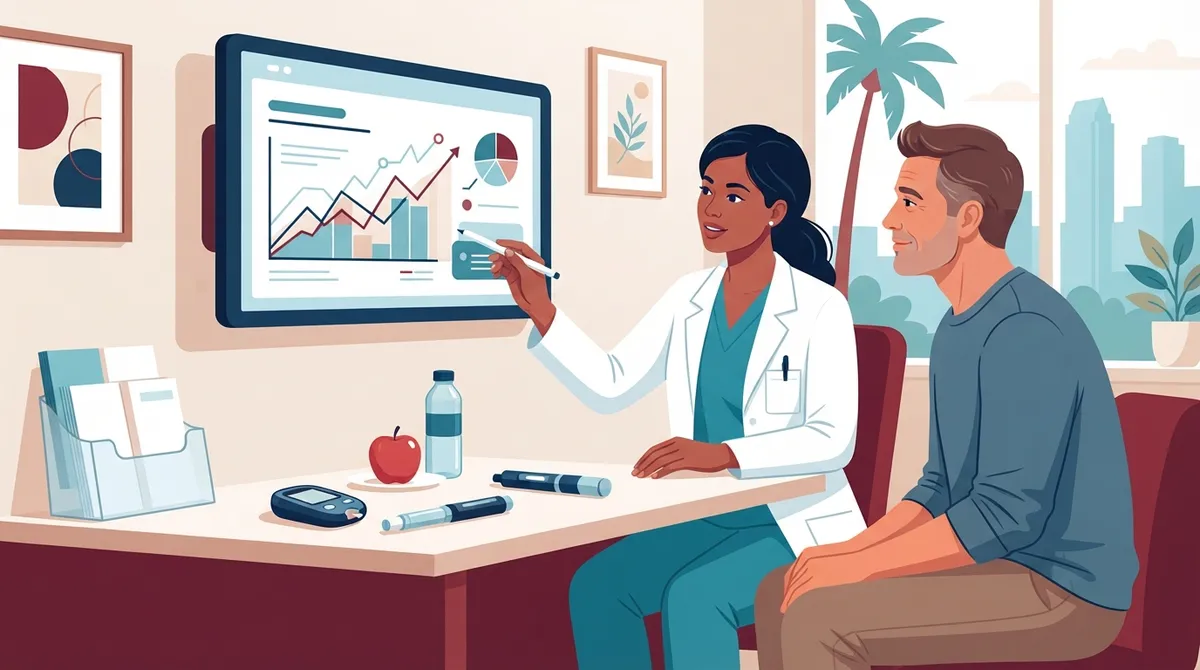
Good diabetes care goes far beyond checking blood sugar. A thorough Tampa primary care visit typically covers several areas of your health at once.
Core Components of a Diabetes Care Plan
- A1C and glucose monitoring: This blood test shows your average blood sugar over the past three months. The ADA generally diagnoses diabetes at an A1C of 6.5% or higher, while 5.7% to 6.4% signals prediabetes.
- Medication and insulin management: Your doctor adjusts pills or insulin doses based on your results and how you feel day to day.
- Nutrition and activity counseling: Simple, practical changes to meals and movement often make the biggest difference in blood sugar control.
- Weight management support: The ADA's 2026 guidance points to a 5% to 7% body-weight reduction goal for many patients with overweight or obesity and diabetes risk. Even small weight loss can improve blood sugar and heart health.
- Blood pressure and cholesterol screening: Diabetes raises heart disease risk, so these numbers get checked regularly.
- Complication screening: Your doctor checks your kidneys, eyes, nerves, and feet for early signs of damage.
Many Tampa practices also offer on-site laboratory testing, so you get results faster without a separate trip. This convenience matters when you are trying to fit checkups into a packed schedule.
Typical A1C and Health Targets for Adults
Your doctor will set personal goals, but here are common starting points used across many primary care practices.
|
Health Measure |
Common Target |
Why It Matters |
|---|---|---|
|
A1C (nonpregnant adults) |
Below 7% |
Reduces risk of nerve, eye, and kidney damage |
|
Blood pressure |
Below 130/80 mmHg for many patients |
Lowers heart attack and stroke risk |
|
Body weight change |
5% to 7% reduction if overweight |
Improves blood sugar and cardiovascular markers |
|
Kidney function test |
Annual screening |
Detects early kidney damage from diabetes |
These numbers are starting points, not rigid rules. Older adults or people with other health conditions may have different, safer targets set by their doctor.
How Often You Should See Your Doctor
Most people with newly diagnosed diabetes need visits every one to three months until their blood sugar is stable. Once things settle, checkups every three to six months are common for ongoing care. Your doctor will tell you the right schedule based on your progress.
Between visits, home glucose monitoring or a continuous glucose monitor (CGM) helps track daily patterns. The ADA's 2026 guidance increasingly supports CGM use for people on insulin or medications that can cause low blood sugar. Many Tampa clinics now offer CGM setup and ongoing support as part of routine chronic illness management.
Comparing Tampa Diabetes Care Options
Several Tampa-area practices offer diabetes-focused primary care, each with different features. Always confirm current services, insurance, and provider availability directly, since these details can change.
|
Practice Type |
Typical Services |
Good Fit For |
|---|---|---|
|
Full-service primary care clinic |
A1C testing, medication management, weight loss support, on-site labs |
Patients wanting one doctor for all health needs |
|
Diabetes education-focused practice |
Nutrition counseling, CGM training, glucose education |
Newly diagnosed patients needing extra guidance |
|
Hospital-affiliated medical group |
Broad specialist network, larger lab services |
Patients with multiple complex conditions |
|
Endocrinology-integrated clinic |
Advanced insulin management, complex case referrals |
Type 1 diabetes or difficult-to-control cases |
When to See an Endocrinologist Instead
Primary care handles most type 2 diabetes cases well, but some situations call for a specialist. Your doctor may refer you to an endocrinologist if you have:
- Type 1 diabetes or diabetes during pregnancy
- Frequent, unexplained low blood sugar episodes
- Blood sugar that stays high despite treatment changes
- A complex insulin pump or multiple daily injection regimen
- Significant kidney, eye, nerve, or heart complications
Primary care and endocrinology usually work as a team rather than a either-or choice. Your primary doctor continues managing your overall health while the specialist handles the more complex glucose issues.
Warning Signs That Need Immediate Care
Some diabetes symptoms cannot wait for a scheduled appointment. Seek urgent evaluation right away if you notice:
- Confusion or difficulty staying alert
- Seizures or severe hypoglycemia
- Vomiting along with signs of dehydration
- Deep, rapid breathing or fruity-smelling breath
- Blood sugar that stays very high despite medication
These signs can point to diabetic ketoacidosis, a serious condition. If you experience them, go to urgent care or the emergency room instead of waiting for a routine visit. InCare's urgent care services in Tampa and Riverview offer fast evaluation when symptoms like these appear unexpectedly.
How to Choose the Right Tampa Diabetes Doctor
Finding the right fit takes a bit of research, but a few key steps make the process easier.
Steps to Find a Good Match
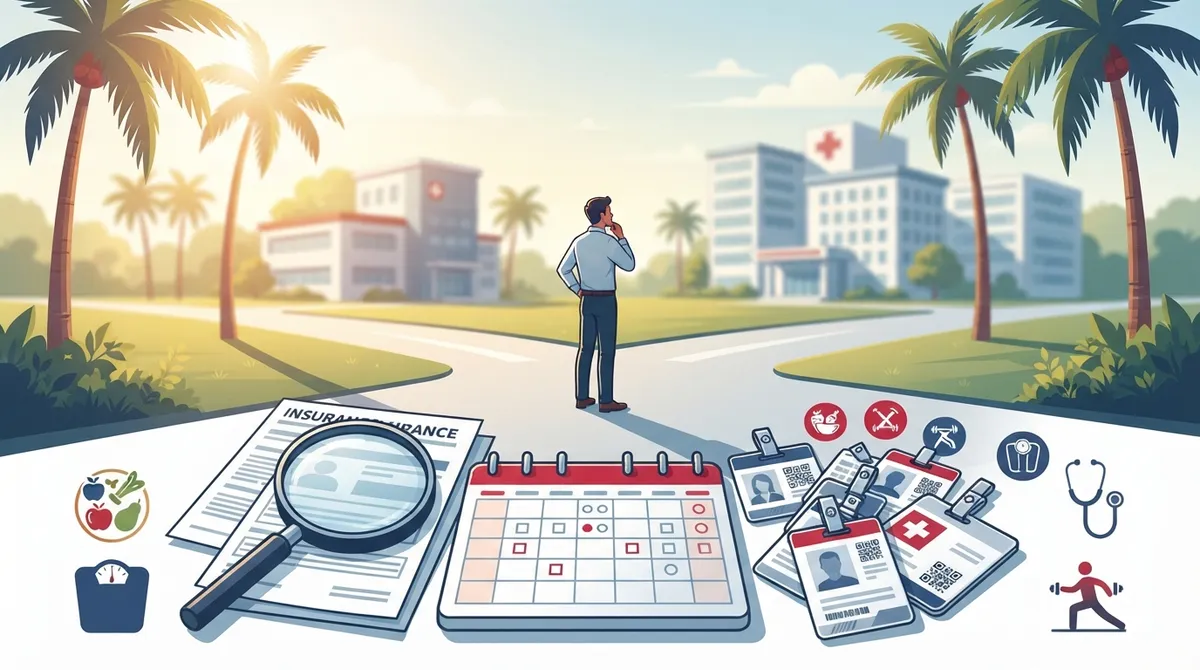
- Check board certification and diabetes experience. Ask how many diabetes patients the doctor manages regularly.
- Confirm insurance acceptance. Call ahead or check online to avoid surprise costs.
- Ask about lab and pharmacy access. On-site labs save time and speed up treatment decisions.
- Look into telehealth options. Virtual visits help you stay on track between in-person checkups.
- Ask about CGM and insulin support. Not every practice offers hands-on training with these tools.
- Review appointment availability. A practice offering same-day appointments can be a lifesaver during a glucose spike or medication concern.
- Confirm referral coordination. Ask how the practice works with specialists, dietitians, and eye or foot doctors.
InCare's Tampa and Riverview locations combine medical weight loss support, on-site testing, and coordinated referrals so patients get consistent, whole-body diabetes care without bouncing between disconnected offices.
What to Bring to Your First Diabetes Appointment
Preparation helps your doctor create an accurate, effective plan from day one. Bring the following:
- A list of current medications and supplements
- Recent lab results, if you have them
- A record of home glucose readings, if available
- Your insurance card and photo ID
- Questions about symptoms, diet, or lifestyle concerns
Being upfront about eating habits, stress levels, and exercise routines helps your doctor give advice that actually fits your life. Honest conversations lead to plans you can stick with long term.
How Weight Management Supports Diabetes Control
Weight and blood sugar are closely connected for most people with type 2 diabetes. Losing even a small amount of weight can lower A1C, improve cholesterol, and ease strain on the heart. Many Tampa practices now combine diabetes care with structured medical weight loss support for diabetics, pairing medication management with nutrition coaching and activity plans.
Body composition tools, such as 3D scanning, can also track progress beyond the scale. These technologies show changes in muscle and fat that a simple weight check might miss, giving both you and your doctor a clearer picture of progress.
Avoiding Common Diabetes Management Mistakes
Many patients unknowingly slow their own progress through avoidable habits. Skipping regular checkups, ignoring foot or eye screenings, and inconsistent medication use are some of the most common missteps. Learning about diabetes management mistakes that hurt your health can help you sidestep setbacks and stay on track between visits.
Open communication with your care team also matters. If a medication causes side effects or a diet plan feels impossible to follow, tell your doctor. Adjustments are normal and expected as part of ongoing care.
Why Local, Coordinated Care Matters in Tampa
Diabetes management works best when your doctor, labs, and specialists are all on the same page. Fragmented care, where you see different providers who do not communicate, can lead to missed screenings or conflicting advice. Coordinated care keeps your treatment consistent and reduces the risk of complications slipping through the cracks.
InCare serves patients across Tampa and Riverview with a team-based approach to primary care near Tampa and Riverview, combining diabetes monitoring with weight loss programs, lab testing, and preventive screenings under one roof. Many patients also follow InCare's updates and patient stories on Facebook, Instagram, and TikTok for wellness tips and clinic news.
Patients consistently rate their experience highly, and you can visit us on Google — InCare to read reviews from real Tampa and Riverview patients before booking your first visit.
Take the Next Step Toward Better Blood Sugar Control
Diabetes does not have to control your life when you have the right care team behind you. A dedicated Tampa primary care doctor can monitor your A1C, adjust treatment, and connect you with the specialists you need, all while keeping your whole health in focus. Early action today can prevent bigger problems tomorrow.
If you are ready to take control of your blood sugar and overall wellness, schedule your appointment with InCare today or reach out to our team to learn more about diabetes management services in Tampa and Riverview.
FAQs
Q: What does a primary care doctor do for diabetes management in Tampa?
A: A Tampa primary care doctor diagnoses diabetes, orders A1C and glucose tests, adjusts medications or insulin, and screens for complications. They also provide nutrition and weight loss guidance while coordinating referrals to specialists when needed.
Q: How often should I see my primary care doctor for diabetes?
A: Newly diagnosed patients often need visits every one to three months until blood sugar stabilizes. After that, checkups every three to six months are common, though your doctor will set a schedule based on your progress.
Q: Can a Tampa primary care doctor prescribe insulin or a continuous glucose monitor?
A: Yes, primary care doctors can prescribe insulin, oral medications, and continuous glucose monitors. Many practices also offer CGM training and ongoing support to help patients use the technology correctly.
Q: When should I see an endocrinologist instead of a primary care doctor for diabetes?
A: Endocrinology referral is often appropriate for type 1 diabetes, pregnancy-related diabetes, frequent low blood sugar, or blood sugar that stays high despite treatment. Primary care and endocrinology typically work together rather than as separate options.
Q: What tests should be included in a diabetes checkup?
A: A thorough diabetes checkup usually includes A1C testing, kidney function tests, cholesterol screening, blood pressure checks, and referrals for eye and foot exams. These tests help catch complications early before they become serious.