Key Takeaways
- Urgent care treats same-day problems like colds, sore throats, earaches, minor cuts, sprains, and limited rashes, but services vary by clinic, so call ahead to confirm before you travel.
- Walk-ins are accepted at most Tampa clinics, and online check-in can shorten your wait, though it does not guarantee immediate treatment since sicker patients are seen first.
- Verify hours, insurance participation, and self-pay prices before you go; one Tampa clinic lists a $135 self-pay visit, with extra charges possible for tests or X-rays.
- Bring photo ID, your insurance card, a list of medications and allergies, and notes on when symptoms started to make your visit faster and smoother.
- Go to the ER or call 911 for severe breathing trouble, persistent chest pain, loss of consciousness, stroke symptoms, uncontrolled bleeding, or major trauma.
- Urgent care solves today's problem but does not replace a primary care doctor, so follow up with a primary care clinician for ongoing conditions, screenings, and medication management.
You wake up with a sore throat, a fever, or a twisted ankle, and waiting a week for a doctor is not an option. That is the moment many Tampa residents start asking how does same day urgent care work in Tampa. The short answer is simple. Urgent care gives you prompt, walk-in evaluation for illnesses and injuries that need attention today but are not life-threatening.
Still, the details matter. Hours, tests, insurance networks, and prices change from clinic to clinic. A smart plan before you leave home can save you time and money. This guide walks through ten key points, from what urgent care treats to when you should skip it and call 911.
Whether you are a busy parent, a young professional, or someone new to the area, these facts will help you choose well. InCare, a primary care and wellness clinic with locations in Tampa and Riverview, also offers urgent care alongside long-term health services, so you can see how both fit together.
1. Same Day Urgent Care Fills the Gap Between Primary Care and the ER
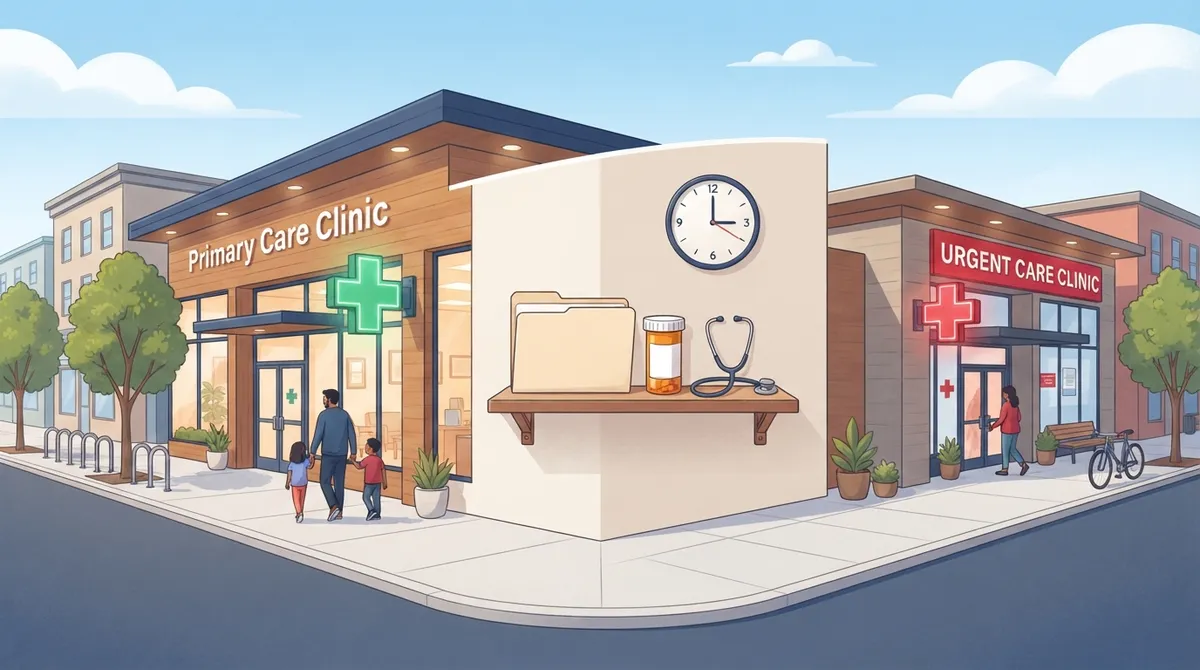
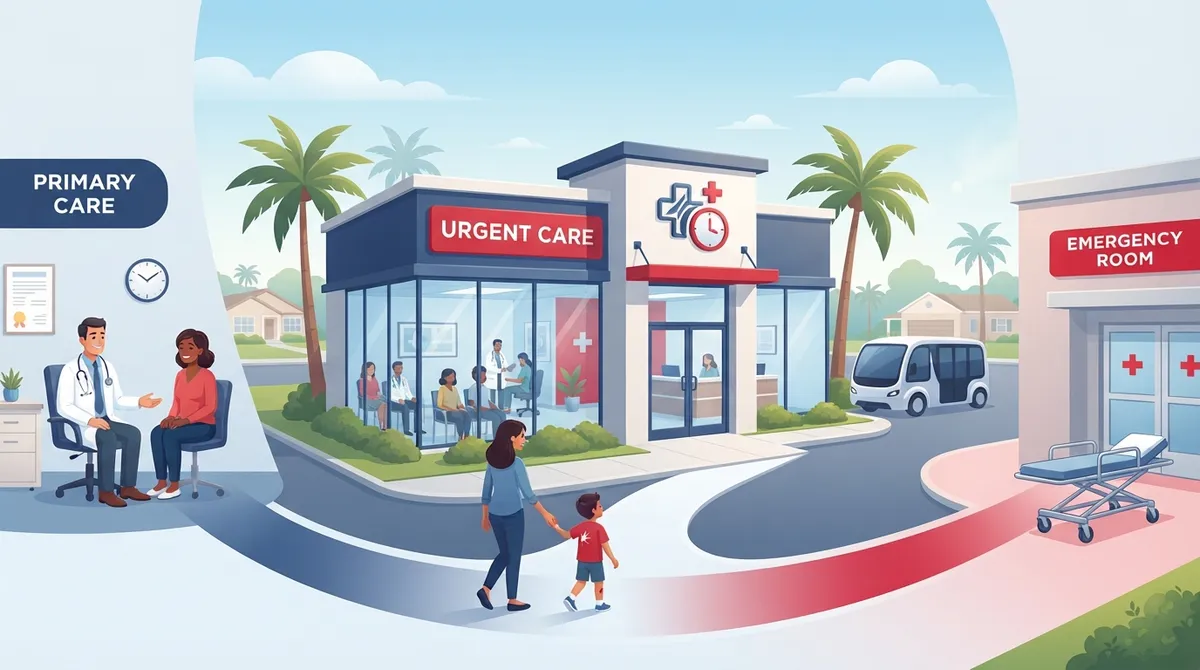
Urgent care sits in the middle. It treats problems that are too pressing to wait for a routine appointment, yet not serious enough for an emergency room. Most clinics welcome walk-ins, and many offer online check-in or booking.
Think of it as a fast lane for common problems. You get a clinician's evaluation, possible testing, and a treatment plan, often in a single visit. Many patients compare options in our guide on primary care vs. urgent care before deciding where to go.
2. Know What Urgent Care Commonly Treats
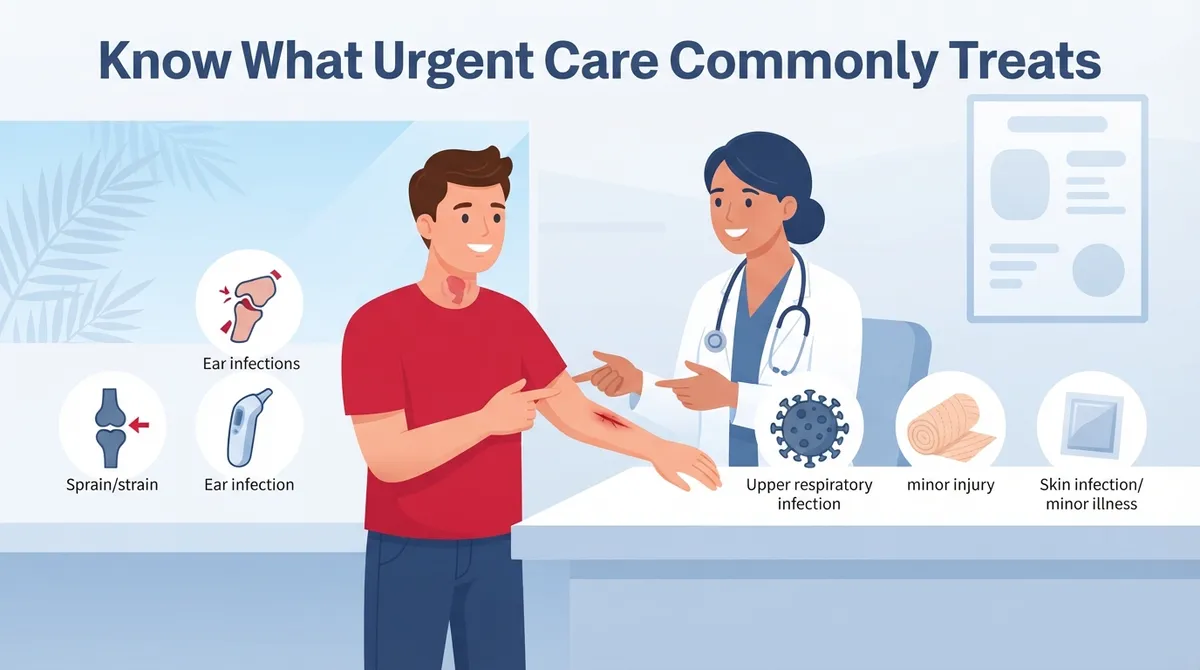
Services vary by clinic, so confirm before you travel. In general, same day urgent care in Tampa handles problems like these:
- Colds, flu symptoms, and sore throats
- Earaches and sinus infections
- Minor cuts that may need stitches
- Sprains and minor strains
- Limited rashes and insect bites
- Some urinary symptoms
If your problem is not on a clinic's list, call ahead. A quick phone call can keep you from driving across town for a service that is not offered. You can also review what urgent care services can actually treat for a fuller picture.
3. Walk-In, Online Check-In, or Appointment: Choose Your Entry Point
Most Tampa clinics accept walk-ins without an appointment. Some also offer online check-in, booking tools, or queue estimates. These tools may shorten your wait, but they do not guarantee immediate treatment. Patients with more urgent needs may be seen first.
Tech-savvy patients often prefer online tools because they reduce time spent in a waiting room. If you are comfortable with digital scheduling, check the clinic website before you head out. Then arrive a few minutes early to finish registration.
4. What Happens During a Typical Visit
Knowing the flow removes much of the stress. Here is the usual order of a visit:
- Check-in and registration. You share your ID, insurance card, and contact details.
- Symptom and history review. A nurse or assistant records your symptoms, medications, and allergies.
- Clinical assessment. A provider examines you and asks follow-up questions.
- Testing, if needed. This may include rapid tests, basic lab work, or imaging.
- Treatment and instructions. You receive care, a prescription if appropriate, and clear next steps.
Ask questions at every step. Good clinicians welcome them. Before you leave, make sure you understand your diagnosis, your medicines, and when to seek more care.
5. Tests and Equipment Differ by Location
Many clinics offer rapid tests, basic lab work, or X-rays. Others offer fewer options. Do not assume every site has the same tools.
|
Service |
Often Available |
What to Confirm |
|---|---|---|
|
Rapid tests (strep, flu) |
Common |
Which tests are in stock today |
|
Basic lab work |
Varies |
Whether results come same day |
|
X-rays |
Varies |
Hours when imaging is offered |
|
Stitches and wound care |
Common |
Limits on injury size or location |
A short call to the front desk confirms what is available before you go.
6. Check Hours Before You Travel
Many Tampa urgent care clinics keep evening and weekend hours, which helps working adults and families. Published examples from 2026 show that BayCare lists weekdays 8 a.m. to 8 p.m. and weekends 9 a.m. to 6 p.m. Tampa Urgent Care lists weekdays 8 a.m. to 8 p.m. and weekends 8 a.m. to 5 p.m. TGH Urgent Care Powered by Fast Track at the Heights lists daily hours of 8 a.m. to 8 p.m.
Hours can change, especially around holidays. Always verify current hours on the clinic website or by phone before you drive. Last-patient cutoffs may also be earlier than closing time.
7. Understand Insurance and Self-Pay Costs
Insurance participation and out-of-pocket costs depend on the clinic and your plan. Some clinics publish self-pay prices. For example, Tampa Urgent Care lists a $135 self-pay visit price, with possible extra charges for tests. Prices can change, so confirm directly.
Ask these questions when you call:
- Do you accept my specific insurance plan?
- What is the self-pay price, and what does it include?
- Will tests, X-rays, or procedures cost extra?
- Will I receive an itemized receipt for reimbursement?
If you have limited coverage, our article on finding care without insurance in Tampa offers more guidance.
8. Know When to Skip Urgent Care and Call 911
Urgent care is not for life-threatening emergencies. Go to an emergency department or call 911 right away for warning signs such as:
- Severe trouble breathing
- Persistent chest pain
- Loss of consciousness
- Stroke-like symptoms, such as facial drooping or slurred speech
- Uncontrolled bleeding
- Severe allergic reaction
- Major injury or trauma
When in doubt, choose the emergency room. Speed matters more than convenience in these cases. State health resources, including FloridaHealthFinder, advise emergency services for these symptoms.
9. Urgent Care Does Not Replace a Primary Care Relationship
Urgent care solves today's problem. It does not manage your long-term health. Ongoing conditions, preventive screenings, medication management, and follow-up care belong with a primary care clinician who knows your history.
This matters most for people who have never established care. Young adults and women under 40 often rely on walk-in visits and skip routine checkups. Over time, that pattern can mean missed screenings and fragmented records. Learn why a steady doctor helps in 7 key reasons to have a primary care doctor, or see our tips on how to establish care with a new doctor.
10. Choose a Clinic That Connects Urgent Care to Whole-Person Health
The best urgent care experience does not end when you walk out the door. A clinic that also offers primary care, lab testing, and wellness services can follow up and keep your records in one place.
InCare combines urgent care with primary care and advanced wellness services at its Tampa and Riverview locations. Patients can move from a same-day visit to preventive screenings, weight management, and personalized health planning without starting over. Our Tampa clinic is at 1213 N Franklin St, and a virtual option is available for some needs. Patients rate the team highly, so you can read InCare reviews on Google to see what neighbors say.
For a closer look at your options, explore our guides on how to choose urgent care vs. primary care and walk-in urgent care vs. primary care in downtown Tampa. You can also follow clinic updates on Instagram.
Quick Preparation Checklist Before You Go
A little preparation makes any visit smoother. Bring these items:
- Photo ID and insurance card
- A list of current medications and allergies
- Notes on when symptoms started and what makes them better or worse
- Contact details for your primary care doctor, if you have one
- A preferred pharmacy name
Also arrive with realistic expectations. Wait times vary with patient volume, and sicker patients are seen first. If your symptoms change while you wait, tell the staff right away.
How Urgent Care Fits Into Your Larger Health Plan
Same day care works best as one piece of a bigger picture. After an urgent visit, follow up with a primary care clinician if your symptoms linger, if a test needs review, or if the visit reveals a larger issue such as high blood pressure. That handoff keeps small problems from becoming big ones.
Busy families benefit most from a single clinic home. One team can treat a child's earache today and schedule vaccines, screenings, and wellness visits tomorrow. Affluent wellness seekers and young adults interested in prevention can also pair acute care with advanced services like DNA gene testing and metabolic breath analysis, so health decisions rest on real data.
Final Thoughts
Understanding how does same day urgent care work in Tampa helps you act fast and calmly when illness strikes. Walk in or check in online, share your history, receive an assessment, and leave with a plan. Verify hours, tests, and costs first, and call 911 for true emergencies.
Most importantly, pair urgent care with a primary care home base. If you want fast answers today and long-term health support tomorrow, book your InCare visit now, or contact our team with questions about urgent care, primary care, and wellness services in Tampa and Riverview. You can also connect with us on Facebook for clinic news.
FAQs
Q: Can I walk into urgent care in Tampa without an appointment?
A: Yes, most Tampa urgent care clinics accept walk-ins. Some also offer online check-in or booking to help reduce your wait, though these tools do not guarantee immediate treatment. Call ahead to confirm how your chosen clinic handles walk-ins.
Q: How much does urgent care cost in Tampa without insurance?
A: Self-pay prices vary by clinic. One Tampa clinic lists a $135 self-pay visit price, with possible additional charges for tests. Always confirm what the quoted price includes and whether extra services cost more.
Q: What conditions can Tampa urgent care clinics treat?
A: Urgent care commonly treats colds, flu symptoms, sore throats, earaches, minor cuts, sprains, limited rashes, and some urinary symptoms. Available services differ by clinic, so verify before you visit.
Q: When should I go to the ER instead of urgent care?
A: Go to the emergency department or call 911 for severe breathing difficulty, persistent chest pain, loss of consciousness, stroke-like symptoms, uncontrolled bleeding, severe allergic reaction, or major injury. These are potentially life-threatening and need emergency care.
Q: Are Tampa urgent care clinics open at night or on weekends?
A: Many clinics offer weekday evening and weekend hours. Published 2026 listings show examples with weekday hours until 8 p.m. and weekend hours into the afternoon. Hours can change, so verify directly before you travel.