Key Takeaways
- Personal or family history of medullary thyroid carcinoma or MEN 2 is a labeled contraindication for semaglutide and tirzepatide, so ask relatives about thyroid cancers before your visit.
- Do not use weight-loss GLP-1 medications during pregnancy; Wegovy labeling advises stopping at least two months before a planned pregnancy because of semaglutide's long half-life.
- A prior severe allergic reaction to a specific GLP-1 drug or its ingredients means avoiding that product, and any switch to another drug in the class should be reviewed by a clinician first.
- Severe gastroparesis can worsen on these drugs, since they slow stomach emptying; Wegovy labeling says it is not recommended in this condition.
- History of pancreatitis, gallbladder disease, kidney problems, or diabetic retinopathy calls for individualized review and monitoring rather than an automatic ban.
- Never combine GLP-1 products with the same active ingredient, and tell your surgical team about GLP-1 use before planned surgery or deep sedation so dosing can be adjusted.
GLP-1 medications have changed how many people approach weight loss and blood sugar control. Drugs such as semaglutide and tirzepatide are now common topics in exam rooms across the country. But popularity does not mean these medicines suit everyone. Knowing who should not take GLP-1 medications is just as important as knowing who can benefit from them.
Some people face real safety risks from these drugs. Others need extra monitoring or a different plan. The answer also depends on the exact product, since each drug has its own prescribing label. In 2026, several FDA labels remain clear on key exclusions, including thyroid cancer history and pregnancy.
This guide explains who should avoid these medicines, who needs a closer look, and what a safe screening process involves. It is written for busy adults, young families, and wellness-minded patients who want clear facts before starting treatment. It is general education, not personal medical advice.
What Are GLP-1 Medications?
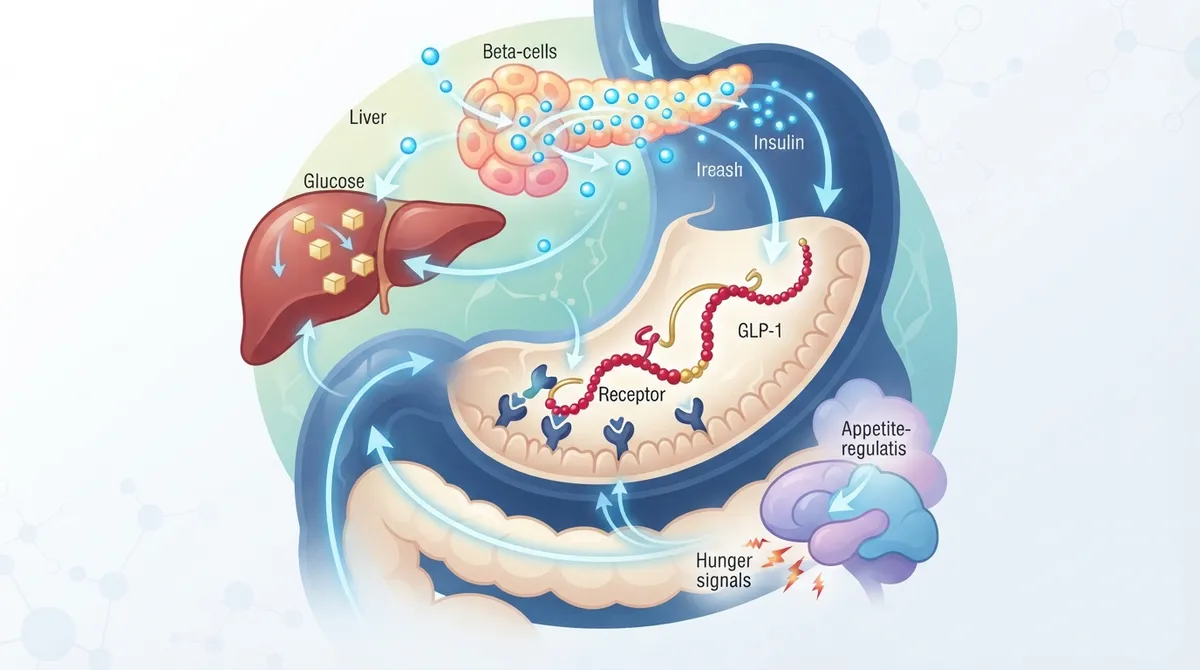
GLP-1 medications mimic a natural gut hormone that helps control blood sugar and appetite. They slow stomach emptying, increase feelings of fullness, and help the body release insulin when needed.
The term covers several different drugs. Semaglutide and liraglutide are GLP-1 receptor agonists. Tirzepatide acts on both GIP and GLP-1 receptors. Some products are approved for type 2 diabetes, and others are approved for chronic weight management. If you want a deeper background, read What Is GLP-1? How It Works and Who It Helps in 2026.
Because each label differs, a clinician must check the specific product before prescribing. A rule that applies to one drug may not apply the same way to another.
Who Should Not Take GLP-1 Medications: The Main Exclusions
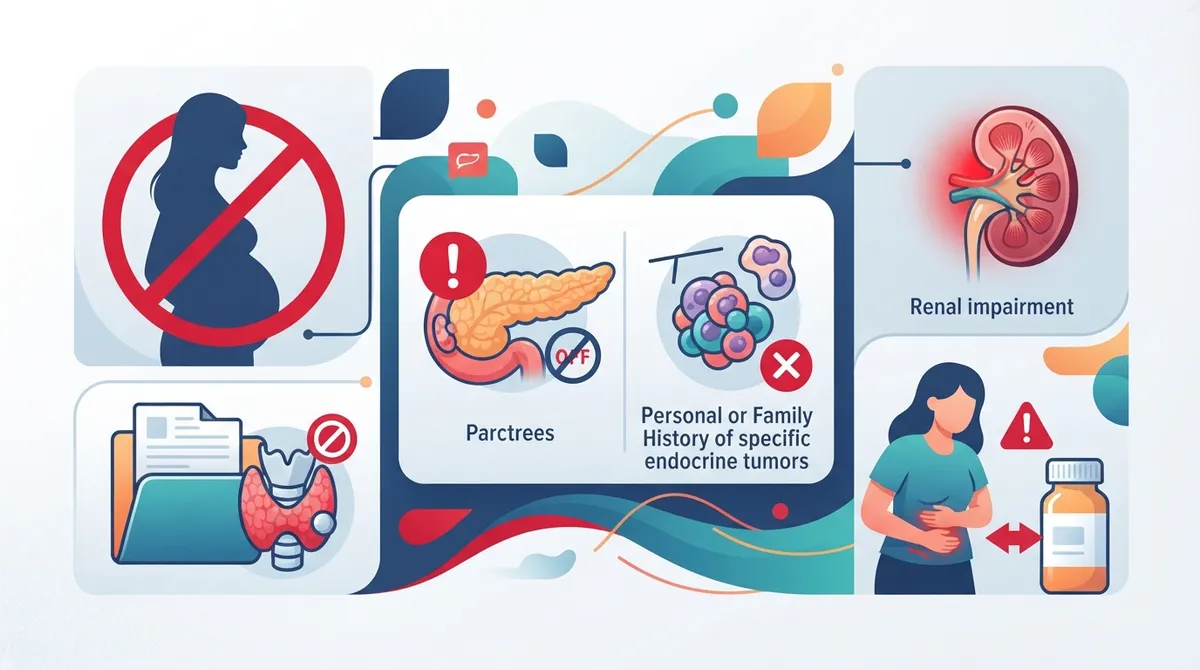
Some conditions are labeled contraindications. That means the manufacturer and the FDA advise against using the drug in these situations. The table below summarizes the most important ones.
|
Condition |
Why It Matters |
General Guidance |
|---|---|---|
|
Personal or family history of medullary thyroid carcinoma (MTC) |
Boxed warning based on thyroid C-cell tumors in rodents |
Labeled contraindication for semaglutide and tirzepatide products |
|
Multiple endocrine neoplasia syndrome type 2 (MEN 2) |
Inherited condition linked to thyroid tumors |
Labeled contraindication |
|
Serious allergic reaction to the drug or its ingredients |
Risk of severe hypersensitivity |
Do not use that product |
|
Pregnancy (for weight loss use) |
Weight loss offers no benefit during pregnancy |
Stop when pregnancy is recognized |
|
Severe gastroparesis |
These drugs slow stomach emptying further |
Not recommended for some products, such as Wegovy |
Thyroid Cancer History and MEN 2
This is the most widely known exclusion. Semaglutide and tirzepatide labels carry a boxed warning about thyroid C-cell tumors. The warning comes from animal studies. The risk in humans has not been established.
Still, the labels are firm. If you or a close family member has had medullary thyroid carcinoma, or if you have a diagnosis of MEN 2, these medicines are not appropriate. Be sure to share your full family history with your clinician. Many patients do not know what cancers ran in their families, so ask relatives before your visit.
Serious Allergic Reactions
A prior severe allergic reaction to a specific GLP-1 drug or its ingredients is a labeled reason to avoid that product. Signs of a serious reaction include swelling of the face or throat, trouble breathing, and a widespread rash.
A reaction to one drug should be reviewed with a clinician before you consider another drug in the same class. Do not assume a switch is safe without guidance.
Pregnancy and Planning a Pregnancy
Weight management GLP-1 medicines should not be used for weight loss during pregnancy. Wegovy labeling advises stopping the drug when pregnancy is recognized. For a planned pregnancy, the label advises stopping semaglutide at least two months beforehand because of its long half-life. Zepbound labeling also advises discontinuation once pregnancy is recognized.
That two-month window is specific to semaglutide and is not a universal rule for every GLP-1 drug. If you are trying to conceive, talk with your clinician early. Diabetes treatment during pregnancy needs its own individualized plan. For more detail, see How to Manage Semaglutide Safely Before Pregnancy.
Severe Gastroparesis
GLP-1 drugs slow how fast the stomach empties. For people who already have severe gastroparesis, this can make symptoms much worse. Wegovy labeling states it is not recommended in patients with severe gastroparesis.
Symptoms of gastroparesis include early fullness, bloating, nausea, and vomiting after meals. If you have these symptoms regularly, tell your clinician before starting any GLP-1 therapy.
Who Needs Extra Caution Before Starting?
Several conditions are not automatic bans on the whole drug class. Instead, they call for careful review, monitoring, or a customized plan. A thoughtful primary care visit can sort out which category you fall into.
- History of pancreatitis: Past inflammation of the pancreas deserves a close look. Your clinician weighs the history, current risk, and alternatives.
- Gallbladder disease: Rapid weight loss and these drugs can be linked to gallstones. A prior history may change monitoring.
- Kidney problems: Severe nausea, vomiting, or diarrhea can cause dehydration and worsen kidney function. Kidney health should be checked before and during treatment.
- Diabetic retinopathy: People with existing eye disease from diabetes may need an eye exam and closer follow-up, especially if blood sugar drops quickly.
- Planned surgery or deep sedation: Slowed stomach emptying can raise concerns around anesthesia. Your care team may adjust timing of doses.
- Other medicines: Insulin, sulfonylureas, and some oral drugs may need dose changes or timing adjustments.
Related concerns are explored in Does Semaglutide Raise Your Pancreatitis Risk? and 3 Kidney Facts Every Semaglutide Patient Must Know.
Other Situations Where GLP-1 Drugs May Not Fit
Using More Than One GLP-1 Product
Do not combine products that contain the same active ingredient. Do not use one GLP-1 drug with another unless the prescribing information and your clinician explicitly support it. Doubling up can raise side effects without adding benefit. This is a common risk when people mix prescription products with unverified sources.
Breastfeeding and Young Age
Eligibility also depends on age and life stage. New mothers should ask about safety before starting. For more on this topic, read Semaglutide and Breastfeeding: What New Moms Should Know. Each label sets its own age limits, so confirm the approved age range for the product in question.
People Without a Medical Need
These are prescription medicines with real side effects. They are not meant for cosmetic weight loss in people who are already at a healthy weight. Approved weight management indications generally rely on body mass index and related health conditions. A clinician should confirm that you meet them.
How Does a Clinician Decide If a GLP-1 Is Safe for You?
A safe prescribing process follows clear steps. Here is what a thorough evaluation typically includes:
- Full medical history. Your clinician reviews past illnesses, surgeries, and any pancreas, gallbladder, kidney, or stomach issues.
- Family history. Questions about thyroid cancer and endocrine syndromes are essential.
- Medication review. Every prescription, supplement, and over-the-counter product is checked for interactions.
- Lab work and screening. Blood tests can reveal kidney function, blood sugar, and other markers.
- Pregnancy planning discussion. Women of childbearing age should talk about contraception and future plans.
- Ongoing monitoring. After starting, follow-up visits track side effects, dosing, and results.
This is why prescribing through a primary care practice often leads to safer outcomes than getting a quick online prescription. Your doctor knows your whole health picture. Learn more in How to Get a Semaglutide Prescription the Right Way and Labs Needed Before Starting GLP-1: A 2026 Checklist.
Warning Signs to Watch After Starting Treatment
Even people who are good candidates should know when to call for help. Contact your clinician right away if you notice any of the following:
- Severe, persistent stomach pain that may spread to the back
- Repeated vomiting or diarrhea leading to dehydration
- A lump or swelling in the neck, hoarseness, or trouble swallowing
- Signs of a serious allergic reaction
- Vision changes
- Pain in the upper right abdomen, fever, or yellowing of the skin
If you suspect a severe allergic reaction, seek emergency care. Practical tips for easing common symptoms appear in How to Manage Semaglutide's Gastrointestinal Side Effects.
Why Medical Supervision Matters
The safest way to use GLP-1 therapy is with a licensed clinician who knows your history. Product labels change, and clinicians stay current on them. Compounded or unverified products add another layer of uncertainty, since quality and dosing can vary.
Medical weight loss works best when it includes nutrition, activity, and follow-up. You can see how this approach compares to going it alone in Doctor-Guided vs. Solo Weight Loss: Which Path Wins?.
At InCare, patients in Tampa and Riverview receive personalized primary care that combines modern technology with careful medical review. Our team looks at your history, labs, and goals before recommending any weight loss medication. If a GLP-1 is not right for you, we help you find a safer path. You can also visit us on Google — InCare to read what patients say about their care.
Alternatives If GLP-1 Medications Are Not Right for You
Being told no to one option does not mean the end of your goals. Safer alternatives may include:
- Structured nutrition and activity plans guided by a clinician
- Metabolic testing to understand how your body burns energy
- Body composition tracking to measure real progress
- Treatment of underlying issues such as sleep problems or hormone imbalances
- Other approved medications chosen for your health profile
For more ideas, explore 11 Reasons Medical Weight Loss Clinics Work Better in 2026 or 11 Reasons Medical Weight Loss Clinics Work Better in 2026. You can also follow our wellness updates on Instagram, Facebook, and Tik Tok.
Final Thoughts: Make the Decision With Your Doctor
GLP-1 medications can be powerful tools. They are not right for everyone. People with a personal or family history of medullary thyroid carcinoma, MEN 2, a serious allergy to the drug, or severe gastroparesis should avoid certain products. Pregnancy is another firm stop for weight loss use. Other conditions call for individual review rather than a blanket refusal.
The best next step is a conversation with a clinician who knows your history. Bring your family health details, your medication list, and your goals. Together you can decide whether a GLP-1 fits your plan or whether another approach is wiser.
Ready for a personalized, safety-first evaluation? Book Your Appointment Now to meet the InCare team in Tampa or Riverview, or contact us with any questions.
FAQs
Q: Can you take a GLP-1 medication if you have a family history of thyroid cancer?
A: It depends on the type. A personal or family history of medullary thyroid carcinoma, or a diagnosis of MEN 2, is a labeled contraindication for semaglutide and tirzepatide products. Other thyroid conditions should be reviewed with your clinician before starting.
Q: Should GLP-1 medications be stopped before or during pregnancy?
A: Weight management GLP-1 medicines should not be used for weight loss during pregnancy. Wegovy labeling advises stopping at least two months before a planned pregnancy, and Zepbound labeling advises stopping once pregnancy is recognized. Diabetes treatment during pregnancy requires a plan directed by your clinician.
Q: Can people with gastroparesis take GLP-1 medications?
A: These drugs slow stomach emptying, which can worsen gastroparesis. Wegovy labeling states it is not recommended in patients with severe gastroparesis. Anyone with ongoing nausea, bloating, or early fullness should discuss it with a clinician first.
Q: Are GLP-1 medications safe after pancreatitis or gallstones?
A: A history of pancreatitis or gallbladder disease is not an automatic ban across the entire drug class. It does call for careful assessment and close monitoring. Your clinician will weigh your history against the possible benefits and the available alternatives.
Q: Do GLP-1 medications need to be stopped before surgery or anesthesia?
A: Because these drugs slow stomach emptying, planned surgery or deep sedation may require a medication-management plan. Tell your surgical and primary care teams that you take a GLP-1 drug. They can advise on whether to adjust or pause your doses.