Key Takeaways
- GLP-1 medications are lab-made drugs that mimic the natural gut hormone and last hours or days, unlike the hormone itself, which breaks down within minutes.
- GLP-1 therapy requires a full clinical review first, including a check for personal or family history of medullary thyroid carcinoma or MEN 2, since product labels carry a boxed warning about thyroid C-cell tumors.
- Common side effects like nausea, vomiting, and diarrhea are most likely during dose starts or increases; slow dose increases, smaller meals, and good hydration can help manage them.
- Appetite and some weight often return after stopping GLP-1 medication, so patients should work with their care team on a long-term plan rather than stopping on their own.
You have probably heard the term everywhere in 2026: on social media, in the news, and in conversations with friends. So, what is GLP-1, and why does it matter for your health? GLP-1, short for glucagon-like peptide-1, is a hormone your gut releases after you eat. It helps manage blood sugar, digestion, and appetite. Medicines that copy its effects are now a major part of modern primary care for type 2 diabetes and chronic weight management.
The topic is popular, but it is also confusing. Many people mix up the natural hormone with the medications, and others are unsure who qualifies or what to expect. According to the CDC, 26.5% of U.S. adults with diagnosed diabetes reported using injectable GLP-1 medicines in 2024. That number shows how common these treatments have become.
This guide explains what GLP-1 is, how it works, which medicines are involved, and what safety steps matter. It also shows how a primary care team can help you decide if this path fits your health goals.
What Is GLP-1? A Clear Definition
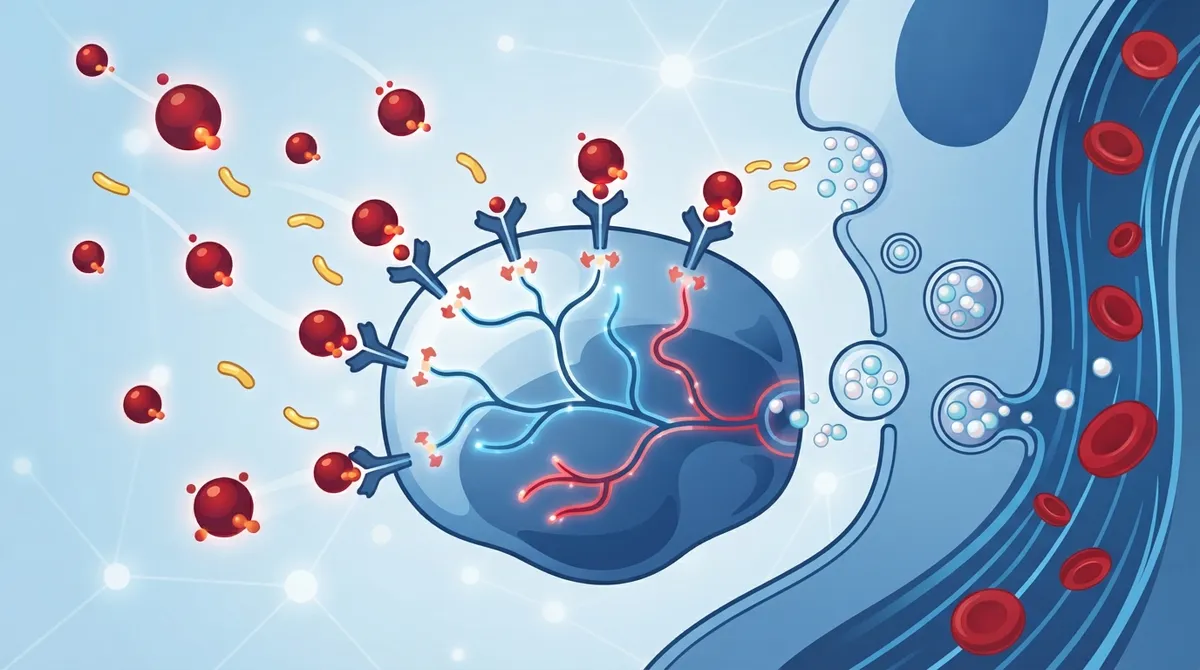
GLP-1 stands for glucagon-like peptide-1. It belongs to a group of hormones called incretins. Special cells in your intestines release it after you eat. Its job is to help your body handle the food you just consumed.
In simple terms, GLP-1 is a messenger. It tells your pancreas, stomach, and brain how to respond to a meal. When it works well, blood sugar stays steadier and you feel full sooner.
GLP-1 the Hormone vs. GLP-1 Medications
This is the most common point of confusion. The natural hormone and the medicines are not the same thing.
- GLP-1 hormone: Made by your own body after meals. It breaks down quickly, within minutes.
- GLP-1 medications: Lab-made drugs that mimic the hormone. They are designed to last much longer, so the effects continue for hours or days.
When people ask "what is GLP-1," they often mean the medications. Clinicians call these drugs GLP-1 receptor agonists, or GLP-1 RAs. They attach to the same receptors that the natural hormone uses.
How GLP-1 Works in the Body
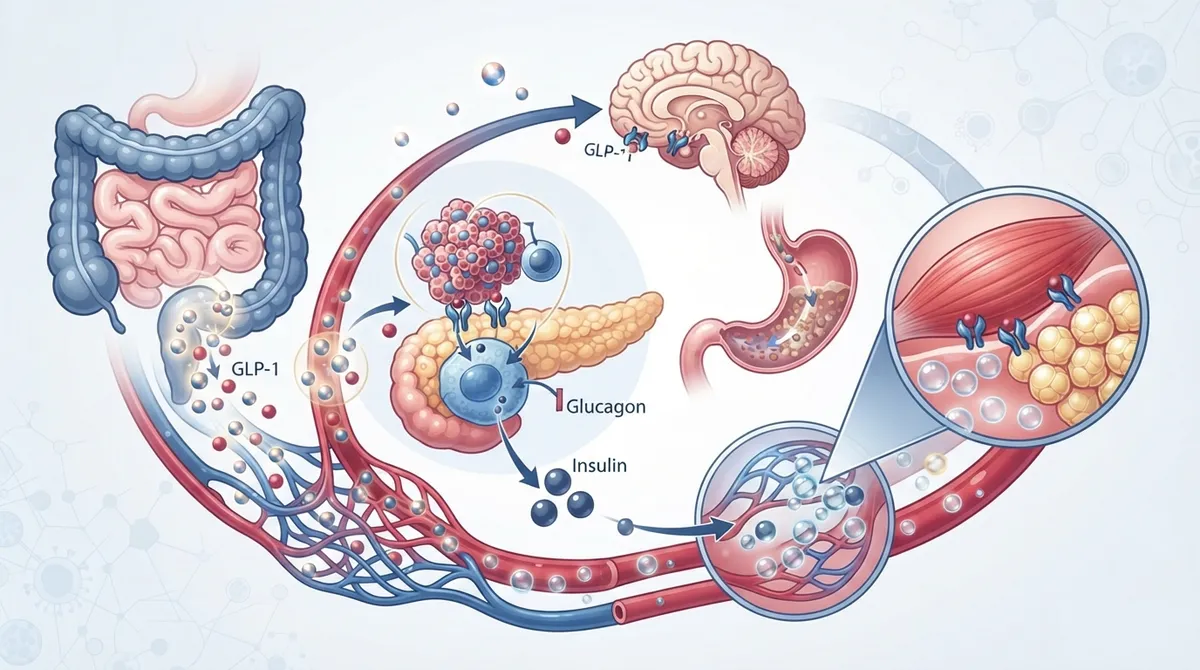
GLP-1 affects several systems at once. That is why it has such wide-ranging benefits for metabolic health. Here are its main actions.
- Boosts insulin when needed. After a meal, GLP-1 prompts the pancreas to release insulin, but only when blood sugar is high. This lowers the risk of dangerous lows in many people.
- Lowers glucagon. Glucagon is a hormone that raises blood sugar. GLP-1 reduces it in a glucose-dependent way.
- Slows stomach emptying. Food leaves your stomach more slowly. This keeps you feeling full for longer and softens blood sugar spikes.
- Signals fullness to the brain. GLP-1 acts on appetite centers, which can reduce hunger and food cravings.
Together, these effects explain why GLP-1 plays a role in both diabetes care and weight management. They also explain common side effects, which often involve the digestive system.
Types of GLP-1 Medications
Several medicines work through the GLP-1 pathway. Each product has its own approved uses, doses, and schedule. Your clinician will review the current FDA labeling to choose what fits you.
|
Medicine Type |
Examples |
How It Works |
Common Use |
|---|---|---|---|
|
GLP-1 receptor agonist |
Semaglutide, liraglutide, dulaglutide, exenatide |
Mimics natural GLP-1 |
Type 2 diabetes; some for weight management |
|
Dual GIP/GLP-1 agonist |
Tirzepatide |
Targets both GIP and GLP-1 receptors |
Type 2 diabetes; chronic weight management |
Note that tirzepatide is a dual agonist, not a GLP-1-only drug. It is often grouped with GLP-1 medicines because it acts on the same receptor along with a second one. If you want to compare options, our guide on semaglutide vs. tirzepatide explains the differences in more detail.
What Are GLP-1 Medications Used For?
Different products have different FDA-approved indications. Depending on the specific medicine and dose, uses include:
- Type 2 diabetes: Improving blood sugar control alongside diet and exercise.
- Chronic weight management: For eligible adults with obesity, or with overweight and a weight-related health condition.
- Cardiovascular risk reduction: Some semaglutide products are approved to lower the risk of major cardiovascular events in certain adults with established heart disease and overweight or obesity.
The American Diabetes Association's 2025 Standards of Care recommend considering GLP-1 receptor agonists or dual GIP/GLP-1 therapy for people with diabetes and overweight or obesity, because of their added metabolic benefits.
Weight-management medicines are meant to work alongside a reduced-calorie eating plan and more physical activity. They are not a replacement for whole-person care. For a broader look at how doctors use these tools, see 8 ways GLP-1 medications transform weight loss in 2026.
Who May Be a Good Candidate?
Eligibility depends on your health history, risks, goals, and the product's labeling. A clinician must review these factors before prescribing. In general, a candidate may be someone who:
- Has type 2 diabetes that needs better control
- Has obesity, or overweight with a related condition such as high blood pressure or high cholesterol
- Has tried lifestyle changes without reaching a healthy weight
- Is willing to commit to nutrition, activity, and regular follow-up
These medicines are not right for everyone. Product labels carry a boxed warning about thyroid C-cell tumors, based on animal studies. They are not for people with a personal or family history of medullary thyroid carcinoma or Multiple Endocrine Neoplasia syndrome type 2 (MEN 2). A careful history is essential.
Benefits Patients Often Notice
When used appropriately, GLP-1 therapy may offer several advantages:
- Better blood sugar control for people with type 2 diabetes
- Reduced appetite and fewer cravings
- Gradual, clinically meaningful weight loss for eligible patients
- Potential heart health benefits for certain adults
- A tool that supports healthier habits rather than replacing them
Results vary from person to person. Sustainable success usually comes from combining medication with food choices, movement, sleep, and ongoing monitoring. Learn how this fits into a broader plan in our article on what makes medical weight loss different from dieting.
Side Effects and Safety Concerns
Like any medicine, GLP-1 therapy has risks. Knowing them helps you stay safe and speak up early.
Common Side Effects
- Nausea
- Vomiting
- Diarrhea or constipation
- Abdominal discomfort
These effects are most common when the dose is first started or increased. Slow dose increases, smaller meals, and good hydration often help.
Less Common but Important Concerns
- Gallbladder disease: Including gallstones.
- Pancreatitis: Severe, persistent stomach pain needs urgent attention.
- Dehydration and kidney injury: Often linked to vomiting or diarrhea.
- Low blood sugar: Higher risk when combined with insulin or certain other diabetes medicines.
Call your clinician right away if you have severe abdominal pain, repeated vomiting, or signs of dehydration. If symptoms feel urgent, same-day help is available through urgent care.
What Happens When You Stop?
Many patients ask this question. Research and clinical experience show that appetite often returns after stopping, and some weight may come back. Blood sugar control can also change. This is why a long-term plan matters.
Your care team can help you build habits that last, adjust doses safely, or plan a transition. Never stop a diabetes medicine without medical guidance. For more on this topic, read about whether weight comes back after semaglutide stops.
How Primary Care Fits Into GLP-1 Therapy
GLP-1 medicines work best inside a coordinated care plan. A primary care team can do several important things:
- Review your full history. This includes family history, current medicines, and other conditions.
- Order the right labs. Baseline tests help guide safe prescribing.
- Match the right product to you. Not every option suits every patient.
- Monitor progress and side effects. Regular visits catch problems early.
- Support nutrition and activity. Medicine alone rarely tells the whole story.
This is where a personalized clinic makes a difference. At InCare, our team combines primary care with advanced wellness tools such as body composition analysis and metabolic breath analysis. These help us see what is happening inside your body, so your weight loss plan is built around real data, not guesswork. With locations in Tampa and Riverview, we make it easier to get consistent follow-up care.
Patients who value a technology-forward approach, from virtual visits to DNA-informed insights, often find this model a strong fit. You can also read what our patients say by visiting us on Google: see InCare reviews on Google.
Questions to Ask Before You Start
Come prepared to your appointment. Consider asking:
- Am I a candidate based on my health history?
- Which medicine is best for my goals, and why?
- What side effects should I expect, and how do I manage them?
- How will we track progress?
- What is the long-term plan, including nutrition and exercise?
- What will it cost, and what does my insurance cover?
Cost is a real concern for many families. Our overview of weight loss injection costs in 2026 can help you plan.
Key Takeaways on GLP-1
Understanding what GLP-1 is gives you a stronger footing for any health decision. The natural hormone helps regulate blood sugar, digestion, and appetite. Medicines that mimic it can be powerful tools for type 2 diabetes and weight management when prescribed to the right person and monitored carefully.
The safest path is a personalized one. That means a full medical review, realistic expectations, healthy lifestyle support, and regular check-ins. Be cautious about shortcuts or unsupervised sources, since safe use depends on professional oversight.
Ready to find out whether GLP-1 therapy fits your goals? The InCare team is here to guide you with expert, personalized care in Tampa and Riverview. Book your appointment today or contact our team with questions. You can also follow our health tips on Instagram, Facebook, and TikTok.
FAQs
Q: What does GLP-1 stand for?
A: GLP-1 stands for glucagon-like peptide-1. It is an incretin hormone released by cells in the intestines after you eat. It helps regulate blood sugar and appetite.
Q: What is the difference between GLP-1 and a GLP-1 medication?
A: GLP-1 is a hormone your body makes naturally, and it breaks down within minutes. GLP-1 medications are lab-made drugs that mimic its effects and last much longer. Examples include semaglutide, liraglutide, and dulaglutide.
Q: Who may be eligible for GLP-1 medication for weight loss?
A: Eligibility depends on the specific product's labeling and your health history. It is generally considered for adults with obesity, or with overweight and a weight-related condition, alongside diet and activity changes. A clinician must review your history, including any thyroid cancer risk, before prescribing.
Q: What are the common side effects of GLP-1 medicines?
A: Nausea, vomiting, diarrhea, constipation, and abdominal discomfort are the most common, especially during dose increases. Less common but serious concerns include gallbladder disease, pancreatitis, dehydration-related kidney injury, and low blood sugar when combined with insulin.
Q: What happens when someone stops taking a GLP-1 medication?
A: Appetite often returns, and some weight may be regained. Blood sugar control may also change in people with diabetes. A care team can help you plan a safe, long-term approach before making any changes.