Key Takeaways
- Tirzepatide has the strongest evidence for reducing visceral fat; in a SURMOUNT-1 DXA substudy, visceral fat fell 40.1% versus 7.3% with placebo over 72 weeks.
- Semaglutide and liraglutide lower weight and waist size, but the research reviewed offers less direct visceral fat data than tirzepatide, so claims that one beats another should be treated cautiously.
- Approved incretin drugs reduce visceral fat mainly through overall weight loss; they do not spot-reduce belly fat.
- Unapproved 'research peptides' like BPC-157 and CJC-1295 lack proof for visceral fat loss, and the FDA warns of quality and dosing risks with unapproved GLP-1 products.
- Clinicians assess health history, current medicines, pregnancy plans, and baseline measurements before prescribing, and use waist size, body composition scans, or MRI/DXA to track progress.
- Preserve lean muscle during weight loss through strength training, adequate protein, and good sleep, and pair medication with activity, stress control, and risk-factor care.
Visceral fat is the deep belly fat that wraps around your liver, intestines, and other organs. It does more than affect how your clothes fit. It is linked to type 2 diabetes, heart disease, and fatty liver. So it is no surprise that many people ask, what peptides help with visceral fat, and whether a short list of compounds can melt it away.
The honest answer is more specific than most online posts suggest. In 2026, the peptide-based medicines with the strongest evidence are prescription incretin therapies, especially tirzepatide, along with semaglutide and liraglutide. They lower visceral fat as part of overall weight loss. They do not "spot-reduce" belly fat, and the many unapproved "research peptides" sold online have not been proven for this goal.
This guide explains what the evidence shows, who may qualify for treatment, and how a primary care team can keep the process safe. At InCare, our Tampa and Riverview clinicians combine body composition tracking with medical supervision so patients can see real progress.
What Is Visceral Fat and Why Does It Matter?
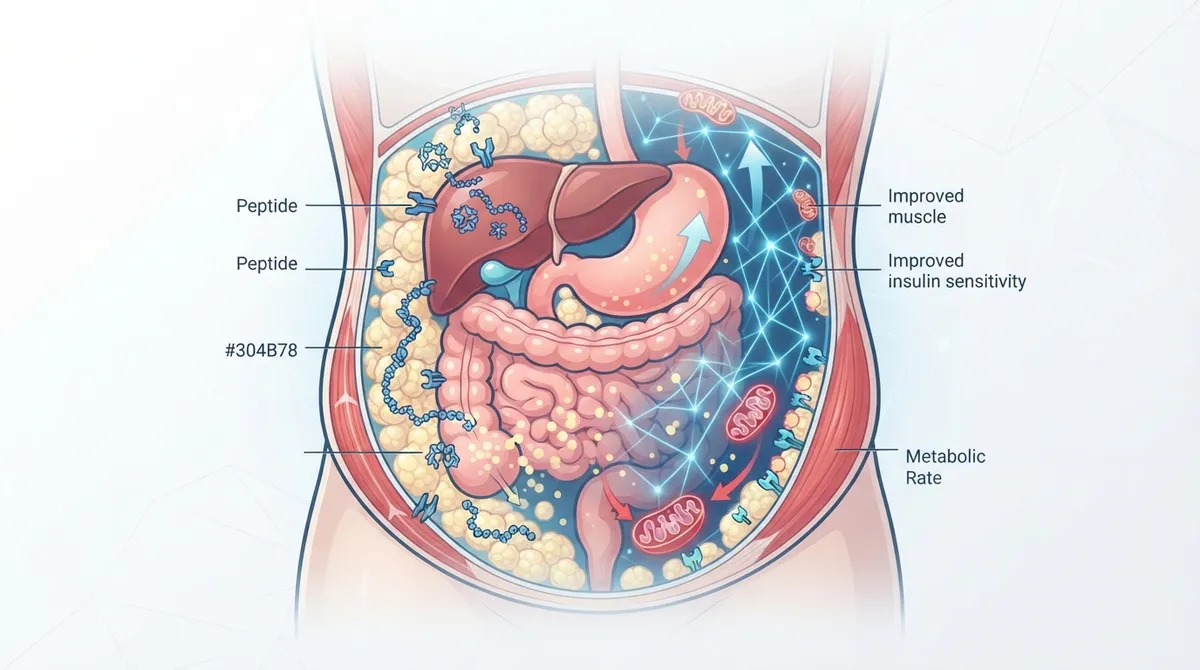
There are two main types of body fat. Subcutaneous fat sits under the skin. Visceral fat sits deep inside the abdomen, around the organs. Visceral fat is more active metabolically. It releases inflammatory signals and fatty acids that can raise the risk of insulin resistance, high blood pressure, and abnormal cholesterol.
Many people with a normal-looking weight still carry too much visceral fat. Others notice a growing waistline in their 30s and 40s, even when their routine has not changed. Hormone shifts, poor sleep, stress, and genetics all play a part.
Why a Scale Cannot Tell the Whole Story
Body weight does not separate fat from muscle, and it does not show where fat is stored. Waist circumference is a practical clue to central fat, but it is only an indirect measure. More precise tools, such as MRI, DXA scans, and 3D body composition analysis, can estimate visceral fat directly. Our metabolic breath test overview explains another way clinicians learn how your body uses energy.
What Peptides Help With Visceral Fat?
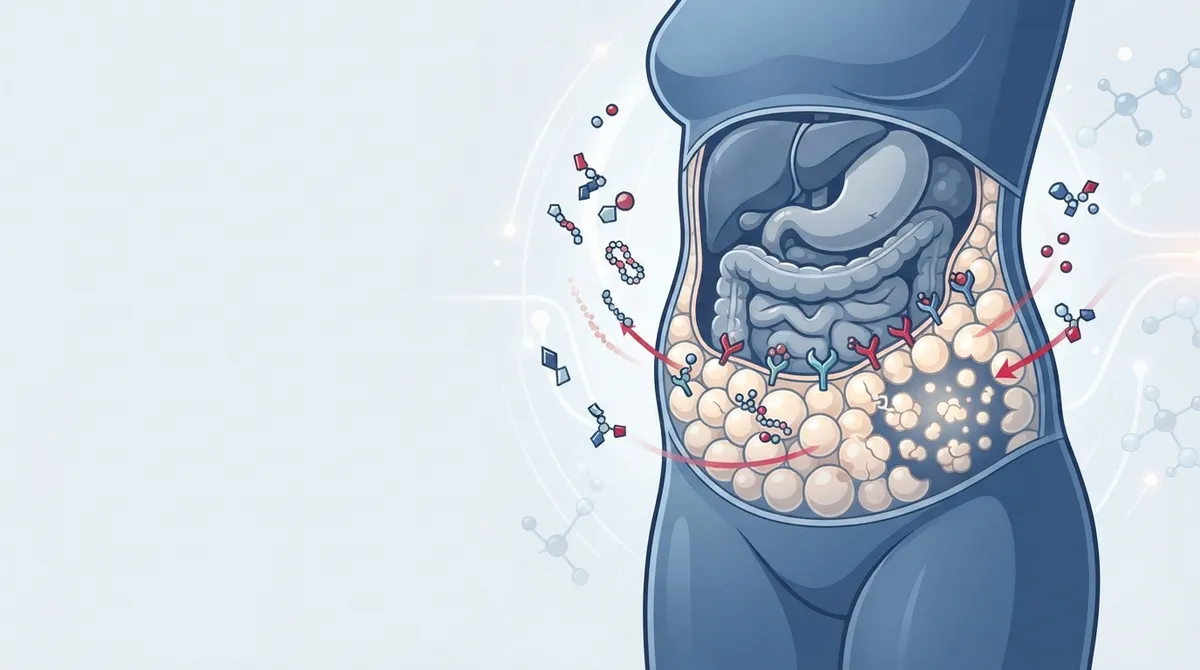
"Peptide" is a broad word. It simply means a short chain of amino acids. Insulin is a peptide. So are the hormones that control hunger and blood sugar. When people ask what peptides help with visceral fat, they usually mean one of two very different groups:
- Approved peptide-based medicines: These are FDA-approved incretin drugs, such as semaglutide, tirzepatide, and liraglutide, that have been tested in large clinical trials.
- Unapproved or "research" peptides: These include products sold online with bold claims, but without proof that they safely reduce visceral fat in people.
Only the first group has solid evidence for visceral fat reduction, and the benefit comes mainly through weight loss.
Tirzepatide: The Strongest Evidence for Visceral Fat
Tirzepatide acts on two hormone receptors, GIP and GLP-1. It reduces appetite and helps the body manage blood sugar. It also has direct trial data on visceral fat. For a closer look at how it works, see 9 Ways Tirzepatide Works Inside Your Body (2026).
In a DXA body-composition substudy of the SURMOUNT-1 trial, visceral fat mass fell 40.1% with tirzepatide, compared with 7.3% with placebo, over 72 weeks. Total fat mass fell 33.9% with tirzepatide versus 8.2% with placebo. These are substudy measurements. They show what can happen in a trial group, not what any one person will experience.
An MRI substudy in adults with type 2 diabetes (SURPASS-3) also measured visceral fat volume over 52 weeks. Visceral fat dropped by 1.10 liters at 5 mg, 1.53 liters at 10 mg, and 1.65 liters at 15 mg. In the comparison group on insulin degludec, it rose by 0.38 liters.
Semaglutide and Liraglutide
Semaglutide and liraglutide are GLP-1 receptor agonists. They lower appetite, slow stomach emptying, and help many adults lose weight. They can reduce waist size and total body fat as weight comes down. However, the research we reviewed offers less direct, comparable visceral fat data for these two drugs than it does for tirzepatide. That means a claim that one drug "beats" another for belly fat should be treated with caution. To compare the two leading options, read Semaglutide vs Tirzepatide: Which Works Better in 2026?
Snapshot: Approved Peptide-Based Options
|
Medicine |
How It Works |
Visceral Fat Evidence |
FDA Weight-Management Brand |
|---|---|---|---|
|
Tirzepatide |
GIP and GLP-1 receptor agonist |
Direct MRI and DXA trial data show visceral fat reduction |
Zepbound |
|
Semaglutide |
GLP-1 receptor agonist |
Reduces overall weight and waist size; less direct visceral fat data in the research reviewed |
Wegovy |
|
Liraglutide |
GLP-1 receptor agonist |
Supports weight loss; less direct visceral fat data in the research reviewed |
Saxenda |
Indications and formulations can change, so clinicians should always check current product labeling before prescribing.
Waist Size Data: What the Trials Show
Waist circumference is not a direct measure of visceral fat, but it is an easy way to follow central fat. In SURMOUNT-1, waist circumference at week 72 changed by 14.0 cm with the 5 mg dose, 17.7 cm with 10 mg, and 18.5 cm with 15 mg. The placebo group saw a 4.0 cm change. These numbers show that higher doses led to larger waist reductions in the trial, but each person responds differently.
Do "Research Peptides" Reduce Visceral Fat?
You may see products such as BPC-157, CJC-1295, or similar compounds marketed for fat loss or body shaping. The evidence does not establish these as proven or approved treatments for visceral fat. Many are sold without FDA review, and quality can vary widely.
The FDA has warned that unapproved GLP-1 products may not have been reviewed for safety, effectiveness, or quality. It has also highlighted dosing errors and risks from certain semaglutide salt forms. Compounding should be limited to cases where a patient's medical needs cannot be met by an approved drug.
If you are curious about these products, learn the risks first. These articles can help:
- 5 BPC-157 Buying Mistakes That Put Your Health at Risk
- FDA-Approved vs. Compounded Peptides: Which Is Safer?
- What Is CJC-1295 and Is It Safe to Try?
How Do Doctors Decide Who Is a Good Candidate?
A responsible plan starts with a medical visit, not a product. In the United States, semaglutide (Wegovy), tirzepatide (Zepbound), and liraglutide (Saxenda) have FDA-approved weight-management indications for eligible patients. They are used along with a reduced-calorie diet and more physical activity.
A clinician will usually review:
- Your health history: This includes diabetes, thyroid conditions, pancreatitis, gallbladder disease, and kidney problems.
- Your current medicines: Some drugs interact with incretin therapies or affect appetite and weight.
- Pregnancy plans: These medicines are not appropriate for everyone, so family planning matters.
- Baseline measurements: Weight, waist size, blood pressure, labs, and body composition give a starting point.
- Your goals and habits: Sleep, stress, nutrition, and activity all affect results.
Our guide on tirzepatide eligibility mistakes covers common errors that slow patients down.
Safety, Side Effects, and Monitoring
These medicines require clinician assessment, slow dose increases, and regular follow-up. Common side effects are digestive, such as nausea, vomiting, diarrhea, or constipation. Product labeling also lists important warnings and precautions, so your risks should be reviewed with a qualified clinician before you start.
You can read more about side effects and how to handle them here:
- Tirzepatide Side Effects: What Patients Should Know
- 10 Semaglutide Side Effects Patients Must Know (2026)
Protecting Muscle While Fat Comes Off
Weight loss can reduce lean muscle along with fat. A randomized trial published in Nature Medicine examined resistance exercise during tirzepatide therapy as a way to limit lean mass loss. Strength training, enough protein, and good sleep all help protect muscle. Our post on preserving lean muscle mass while losing weight offers practical steps.
What Else Reduces Visceral Fat?
Medication is only one piece. A strong plan also includes daily habits that lower visceral fat and improve overall health:
- Regular activity: Aim for a mix of walking, aerobic exercise, and strength training.
- Protein-forward meals: Protein supports fullness and muscle retention.
- Better sleep: Poor sleep is tied to higher appetite and belly fat. See How to Know When to See a Doctor for Poor Sleep.
- Stress control: Long-term stress raises cortisol, which can promote belly fat storage.
- Risk-factor care: Blood pressure, cholesterol, and blood sugar need ongoing attention.
Medication alone rarely works as well as a full plan. Learn how a medical team supports you in How Does Medically Supervised Weight Loss Work?
How to Track Visceral Fat Progress
Because visceral fat is hidden, tracking matters. Clinicians may combine several tools:
- Waist circumference measured the same way each visit
- 3D body composition scans and AI-powered tracking
- Blood tests for glucose, A1C, cholesterol, and liver markers
- Blood pressure and weight trends over time
- Advanced imaging such as DXA or MRI when medically needed
This is where a clinic with built-in technology has an advantage. InCare offers body composition analysis, metabolic breath analysis, and in-house follow-up, so your plan can adjust as your numbers change. For young families and busy professionals, that means fewer separate appointments and clearer answers.
How Much Visceral Fat Can You Expect to Lose?
Results vary. In trials, tirzepatide produced large visceral fat reductions, but those figures come from study groups under controlled conditions. Your result depends on dose, time on treatment, starting point, diet, activity, and how well you tolerate the medicine. For a week-by-week view, see Tirzepatide Weight Loss Timeline: What to Expect by Week.
It is also important to plan for the long term. Weight can return after stopping treatment, so a maintenance plan should be part of the discussion from the start. Read Why Does Weight Return After Stopping Tirzepatide? before you begin.
Why Choose a Primary Care Clinic for Visceral Fat Care?
Visceral fat is a whole-body issue. It touches your heart, liver, hormones, sleep, and blood sugar. A primary care team can look at all of these together instead of treating one number alone. At InCare, patients in Tampa and Riverview can access weight loss programs, advanced testing, DNA gene testing, and ongoing preventive care under one roof. Our team also offers virtual visits for people who want flexibility.
Patients often tell us they value a clear plan and friendly staff. InCare holds a strong rating on Google, and you can visit us on Google — InCare to read what our patients say. You can also follow our updates on Instagram for wellness tips and clinic news.
If you want to learn how a primary care doctor supports weight management, read 14 Ways a Primary Care Doctor Aids Weight Loss (2026). For a closer look at clinic options, see 11 Reasons Medical Weight Loss Clinics Work Better in 2026.
Conclusion
So, what peptides help with visceral fat? The best-supported answer in 2026 is prescription incretin therapy, led by tirzepatide, with semaglutide and liraglutide also used for eligible patients. They reduce visceral fat as part of broader weight loss, and they work best with nutrition, activity, sleep, and ongoing medical care. Unapproved "research peptides" have not been proven for this purpose and can carry quality and dosing risks.
If you want a safe, personalized plan, start with a conversation. Book Now to meet the InCare team in Tampa or Riverview, or contact InCare with your questions. We will review your health, measure your starting point, and build a plan that fits your life.
FAQs
Q: Which peptide is most effective for reducing visceral fat?
A: Among approved options, tirzepatide has the most direct trial evidence for reducing visceral fat. In a SURMOUNT-1 DXA substudy, visceral fat mass fell 40.1% with tirzepatide versus 7.3% with placebo over 72 weeks. Individual results vary, and treatment should be medically supervised.
Q: Are GLP-1 medications approved specifically for belly fat?
A: No. Semaglutide, tirzepatide, and liraglutide are FDA-approved for chronic weight management in eligible patients, not specifically for belly fat. They lower visceral fat as part of overall weight loss rather than targeting one area of the body.
Q: Are compounded or research peptides safe and effective for visceral fat?
A: Evidence for unapproved research peptides as visceral fat treatments is not established. The FDA warns that unapproved or compounded GLP-1 products may carry quality and dosing risks, so approved medicines under clinician guidance are the safer choice.
Q: How do clinicians measure visceral fat and track progress?
A: Clinicians may use waist circumference, 3D body composition scans, DXA, or MRI, along with blood tests and blood pressure checks. Waist size is a useful indirect clue, but imaging gives a more direct estimate of visceral fat.
Q: Who is eligible for prescription peptide-based weight-loss medication?
A: Eligibility depends on factors such as body mass index, weight-related health conditions, medical history, and current medicines. A qualified clinician must review your risks, including pregnancy plans, and check current FDA labeling before prescribing.