Key Takeaways
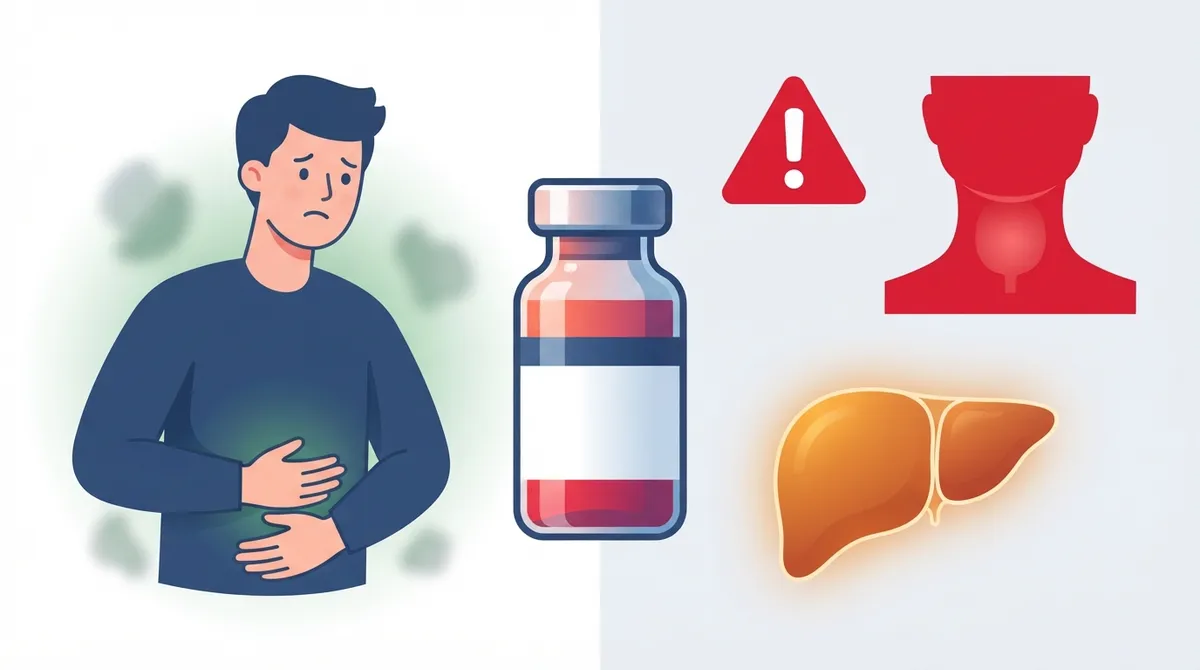
- Gastrointestinal side effects (nausea up to 35.5%, diarrhea 21-23%, constipation 17-21%) are most common but typically mild and improve within 1-2 weeks as the body adjusts; manage with smaller meals, avoiding greasy foods, and staying upright after eating.
- Serious warning signs requiring immediate medical attention include severe abdominal pain (pancreatitis), facial/throat swelling (allergic reaction), persistent vomiting/diarrhea (dehydration and kidney damage), and yellowing skin/eyes (gallbladder issues).
- Tirzepatide carries a boxed warning for thyroid C-cell tumor risk and is contraindicated for patients with personal/family history of medullary thyroid carcinoma or Multiple Endocrine Neoplasia syndrome type 2; requires screening before treatment.
- Hypoglycemia risk increases significantly when tirzepatide is combined with insulin or sulfonylureas (up to 22.6% at 10mg dose), requiring regular blood sugar monitoring and dose adjustments by a healthcare provider.
Tirzepatide has become one of the most talked-about medications in weight management and diabetes care. If you are thinking about starting treatment, you likely have questions about what to expect. Understanding tirzepatide side effects helps you prepare, feel confident, and know when to reach out for medical guidance.
This guide breaks down the most common reactions, rare but serious risks, and practical steps to manage symptoms. Whether you are a busy parent researching options for better health or someone exploring advanced wellness tools, this information can help you make an informed decision alongside your care team at InCare.

What Is Tirzepatide and How Does It Work
Tirzepatide is an injectable medication used for type 2 diabetes and weight management. It works by mimicking two natural hormones, GLP-1 and GIP, which help control blood sugar and appetite. Because it affects digestion and hormone signals, most side effects show up in the gastrointestinal system.
Patients considering this treatment often explore it alongside other weight loss programs and metabolic support services. A personalized plan matters because everyone responds differently to the medication.

Most Common Tirzepatide Side Effects
Gastrointestinal symptoms are by far the most frequently reported issues. These effects tend to appear early in treatment and often improve over time.
- Nausea, reported in up to 35.5% of patients in some studies
- Diarrhea, affecting roughly 21% to 23% of users
- Decreased appetite, seen in about 22% of patients
- Constipation, occurring in 17% to 21% of cases
- Vomiting, reported in 13% to 16% of patients
These numbers come from clinical trial data, including the SURMOUNT studies and a 2024 gastrointestinal review. Most symptoms are mild to moderate and tend to lessen as the body adjusts.
Why Side Effects Are Often Dose-Related
Tirzepatide is started at a low dose and gradually increased. This slow approach, called dose escalation, helps the body adapt. Side effects are usually more noticeable during the first few weeks after a dose increase.
A systematic review found that discontinuation due to adverse events was highest at the 15 mg dose, affecting about 10% of patients. This shows why working closely with a provider during dose changes matters.
Tirzepatide Side Effects Timeline
Treatment PhaseCommon SymptomsTypical DurationWeeks 1-4 (starting dose)Mild nausea, appetite changes1-2 weeksDose increase periodsNausea, diarrhea, constipation3-7 days per increaseMaintenance doseOccasional mild GI upsetUsually resolvesLong-term useSymptoms typically minimalOngoing monitoring recommended
How to Manage Nausea and Digestive Symptoms
Simple lifestyle changes can reduce discomfort during treatment. Many patients find relief by adjusting eating habits rather than stopping the medication.
- Eat smaller meals throughout the day instead of large portions
- Avoid greasy, fried, or heavily spiced foods
- Stay upright for at least 30 minutes after eating
- Sip water slowly throughout the day rather than large amounts at once
- Track symptoms and report patterns to your provider
- Ask about slowing the dose escalation schedule if symptoms are severe
Support from a knowledgeable care team makes a real difference. At InCare's primary care locations in Tampa and Riverview, providers monitor patients closely during treatment adjustments.
Serious Risks That Require Prompt Attention
While most tirzepatide side effects are mild, some symptoms signal a more serious problem. Recognizing these warning signs early can prevent complications.
- Persistent, severe abdominal pain that may signal pancreatitis
- Swelling of the face, lips, or throat, or trouble breathing (possible allergic reaction)
- Signs of dehydration such as dizziness, dark urine, or fainting
- Yellowing of the skin or eyes, which may point to gallbladder issues
- A lump or swelling in the neck, or trouble swallowing
If you notice any of these symptoms, contact your doctor right away or seek urgent care services. Do not wait to see if symptoms pass on their own.
Hypoglycemia and Blood Sugar Concerns
Tirzepatide alone rarely causes low blood sugar. However, the risk increases significantly when combined with insulin or sulfonylureas. Some study data showed mild hypoglycemia occurred in up to 22.6% of patients taking the 10 mg dose alongside other diabetes medications.
Patients managing diabetes should discuss all current medications with their provider before starting tirzepatide. Regular blood sugar checks help catch problems early.
Dehydration and Kidney Health
Frequent vomiting or diarrhea can lead to fluid loss. Over time, this dehydration may strain the kidneys and, in rare cases, contribute to acute kidney injury. Staying hydrated is one of the simplest ways to protect kidney function during treatment.
Some patients benefit from supportive care such as IV hydration and vitamin drips to help restore fluid balance, especially after a rough patch of nausea or vomiting.
Gallbladder Problems and Tirzepatide
Gallstones and inflammation of the gallbladder, known as cholecystitis, are recognized but less common risks. Rapid weight loss itself can also raise the chance of gallstone formation, regardless of the medication used.
Symptoms to watch for include pain in the upper right abdomen, nausea after fatty meals, and fever. Report these symptoms promptly so your provider can evaluate your gallbladder health.
Thyroid Tumor Warning
Tirzepatide carries a boxed warning based on animal studies showing a risk of thyroid C-cell tumors. Because of this, the medication is not recommended for people with:
- A personal history of medullary thyroid carcinoma (MTC)
- A family history of MTC
- Multiple Endocrine Neoplasia syndrome type 2 (MEN2)
This warning does not mean everyone taking tirzepatide will develop thyroid cancer. It simply means providers screen for these risk factors before prescribing the medication. A thorough health history review during your visit helps determine if tirzepatide is appropriate for you.
Comparing Common Side Effect Rates by Study
Side EffectSURMOUNT Trial Data2024 GI Review (36-week)Nausea28%35.5%Diarrhea23%21.1%Decreased appetite22%Not specifiedConstipation17%20.7%Vomiting13%16.4%
These figures show that while percentages vary slightly between studies, gastrointestinal symptoms remain the most consistent finding across research.
Who Should Discuss Tirzepatide Carefully With a Provider
Certain patients need extra caution or closer monitoring while using this medication. A thorough consultation helps identify any red flags before starting treatment.
- People with a history of pancreatitis
- Patients with gallbladder disease
- Anyone with a personal or family history of thyroid cancer
- Individuals taking insulin or sulfonylureas
- Patients with kidney disease or reduced kidney function
- Pregnant or breastfeeding individuals
Working with an experienced provider ensures your treatment plan fits your full health picture. InCare's team, including Dr. Pramjeet Ahluwalia and Dr. Naveen Paddu, takes time to review medical history before recommending weight management medications.
When to Stop Tirzepatide and Call Your Doctor
Knowing when to pause treatment and seek help is just as important as understanding the benefits. Contact your provider immediately if you experience:
- Severe or worsening abdominal pain that does not go away
- Signs of a severe allergic reaction, including swelling or difficulty breathing
- Vomiting or diarrhea that prevents you from keeping fluids down
- Symptoms of dehydration such as confusion, rapid heartbeat, or extreme fatigue
- Yellowing skin or eyes, or dark-colored urine
These symptoms may indicate a more serious complication that requires prompt evaluation. Never hesitate to seek care if something feels wrong.
The Value of Medical Supervision During Treatment
Starting a medication like tirzepatide works best under professional guidance rather than through unsupervised online purchases. A qualified provider can adjust your dose, order lab work, and monitor for early warning signs.
InCare offers comprehensive support through body composition tracking, DNA gene testing, and metabolic assessments that help tailor your weight loss journey. This whole-body approach goes beyond simply prescribing a medication.
Patients in the Tampa Bay area consistently praise the personalized attention they receive. You can visit us on Google — InCare to read firsthand experiences from patients who have gone through similar treatment plans.
Building a Sustainable Weight Loss Plan
Medication is only one part of a successful health journey. Combining tirzepatide with lifestyle changes often produces better, longer-lasting results.
- Follow a balanced diet with adequate protein and fiber
- Stay physically active with activities you enjoy
- Get regular sleep to support hormone balance
- Attend follow-up appointments to track progress and adjust treatment
- Communicate openly about any side effects, even minor ones
For more information on how weight loss programs are structured, patients often review resources from the Centers for Disease Control and Prevention to understand broader health guidelines around weight management and chronic disease prevention.
Staying Connected With Your Care Team
Consistent communication with your provider is the best way to manage tirzepatide side effects safely. Many clinics now offer virtual visits, making it easier to check in between appointments.
You can also follow health tips and patient education content through InCare's social channels, including Facebook and Instagram, where the team shares updates on wellness services and treatment options.
Take the Next Step Toward Safer Weight Management
Understanding tirzepatide side effects puts you in control of your health journey. With proper guidance, most patients manage symptoms successfully and reach their weight and metabolic goals. The key is working with a provider who monitors your progress closely and adjusts your plan as needed.
If you are ready to explore whether tirzepatide fits your health goals, our team at InCare is here to help. Book your appointment today and start your personalized weight loss consultation with a provider who understands your whole-body health.
FAQs
Q: What are the most common side effects of tirzepatide?
A: The most common tirzepatide side effects are gastrointestinal, including nausea, diarrhea, constipation, decreased appetite, and vomiting. Clinical trial data shows nausea affects up to 35.5% of patients, making it the most frequently reported symptom. These effects are usually mild and tend to improve as treatment continues.
Q: How long do tirzepatide side effects usually last?
A: Most gastrointestinal side effects appear during the first few weeks of treatment or after a dose increase. Symptoms typically improve within one to two weeks as the body adjusts. Working with your provider on a gradual dose escalation schedule can help minimize discomfort.
Q: Does tirzepatide cause low blood sugar?
A: Tirzepatide alone does not usually cause hypoglycemia. However, the risk increases when it is combined with insulin or sulfonylureas, medications commonly used for diabetes management. Patients on multiple glucose-lowering drugs should monitor blood sugar closely and discuss adjustments with their provider.
Q: When should a patient stop tirzepatide and call a doctor?
A: Contact your provider immediately if you experience severe abdominal pain, signs of an allergic reaction like swelling or trouble breathing, or symptoms of dehydration such as dizziness and dark urine. These may indicate serious complications like pancreatitis or acute kidney injury that require prompt medical evaluation.
Q: Who should avoid tirzepatide because of thyroid tumor risk?
A: Tirzepatide carries a warning based on animal studies linking it to thyroid C-cell tumors. It is generally avoided in patients with a personal or family history of medullary thyroid carcinoma or Multiple Endocrine Neoplasia syndrome type 2. A detailed health history review helps determine if this medication is safe for you.