
Key Takeaways
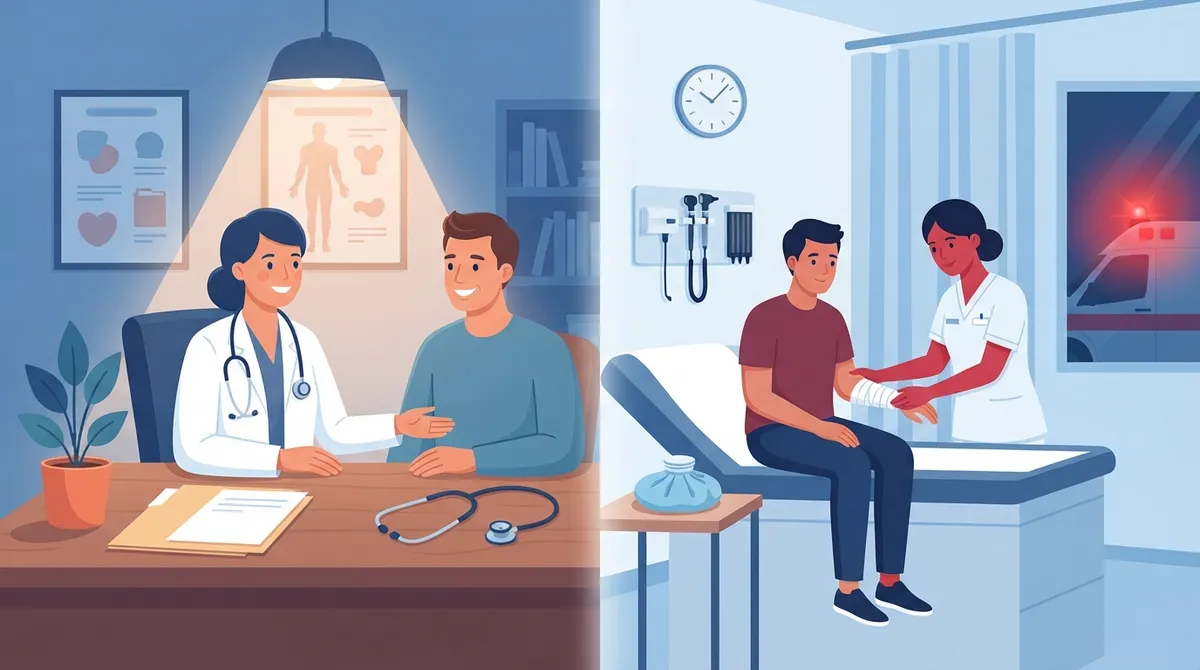
- Choose urgent care for sudden, non-life-threatening problems like sprains, minor cuts, ear infections, or flu symptoms when your regular doctor cannot see you promptly.
- Use primary care for checkups, vaccines, cancer screenings, chronic condition management, medication reviews, and specialist referrals, since it provides continuity and your full medical history.
- Call 911 or go to the emergency room for chest pain, severe breathing trouble, stroke signs, severe bleeding, or a severe allergic reaction, because urgent care may lack equipment to stabilize these.
- Urgent care is usually cheaper than an emergency department visit for treatable problems, but check network status, copays, and extra charges for X-rays or labs before you go.
- Share urgent care visit notes and follow-up instructions with your primary care provider so your medical history stays complete and the problem is fully resolved.
- A 2024 survey found 73% of U.S. adults preferred a primary care practice for primary health services, showing that a long-term clinician relationship is the strongest foundation for health.
Your throat hurts on a Friday evening. Or your child twists an ankle at the park. Or you simply realize you have not had a checkup in years. Each situation raises the same question: should you see a primary care doctor or go to urgent care?
The answer matters for your health, your wallet, and your time. Primary care and urgent care both play real roles, but they solve different problems. Knowing the difference helps you get the right care at the right moment.
This guide explains primary care vs urgent care in plain terms. You will learn what each one does, when to choose one over the other, how costs compare, and when neither is the right choice. In 2026, patients in Tampa and Riverview have more options than ever, including clinics like InCare that combine both under one roof. Let's start with the basics.
What Is Primary Care?
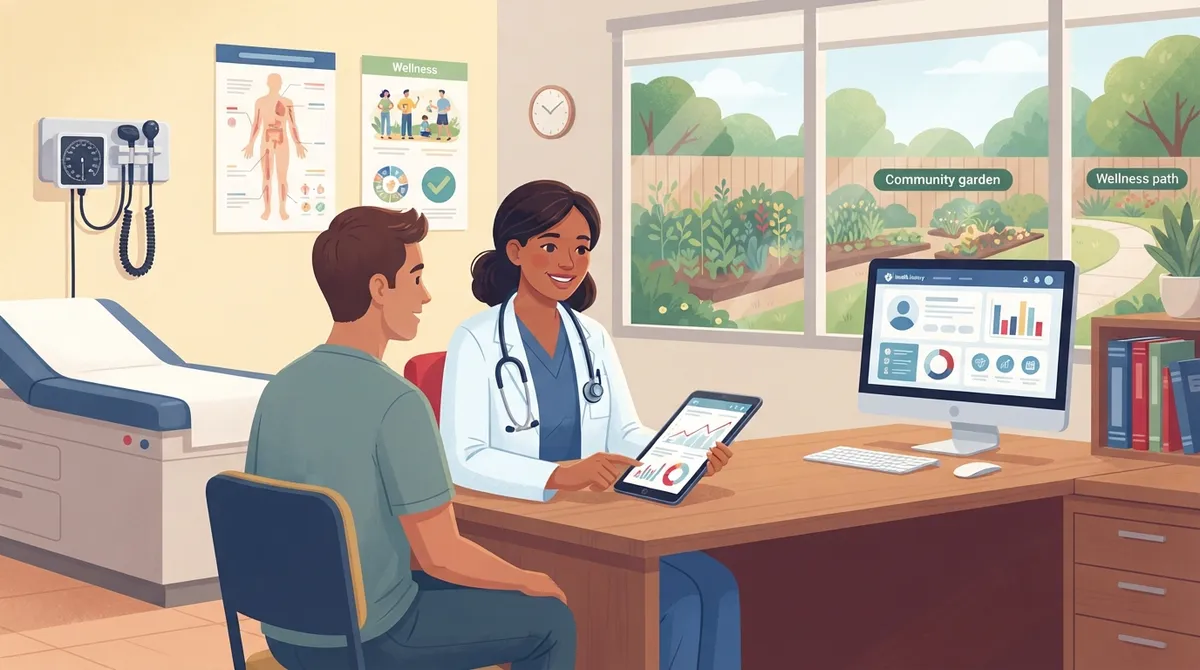
Primary care is your home base for health. It is the ongoing relationship you build with a clinician who knows you, your history, and your goals. Think of it as long-term care rather than a one-time fix.
A primary care provider handles a wide range of needs:
- Annual physicals and routine checkups
- Vaccinations and preventive screenings
- Management of ongoing conditions such as high blood pressure and diabetes
- Medication review and prescription management
- Referrals to specialists when needed
- Care for non-emergency concerns, from rashes to fatigue
The biggest strength of primary care is continuity. Your doctor sees patterns over time. A small change in your blood pressure or weight can signal a problem long before you feel sick. You can learn more about this role in our guide on what a primary care physician does for your health.
What Is Urgent Care?
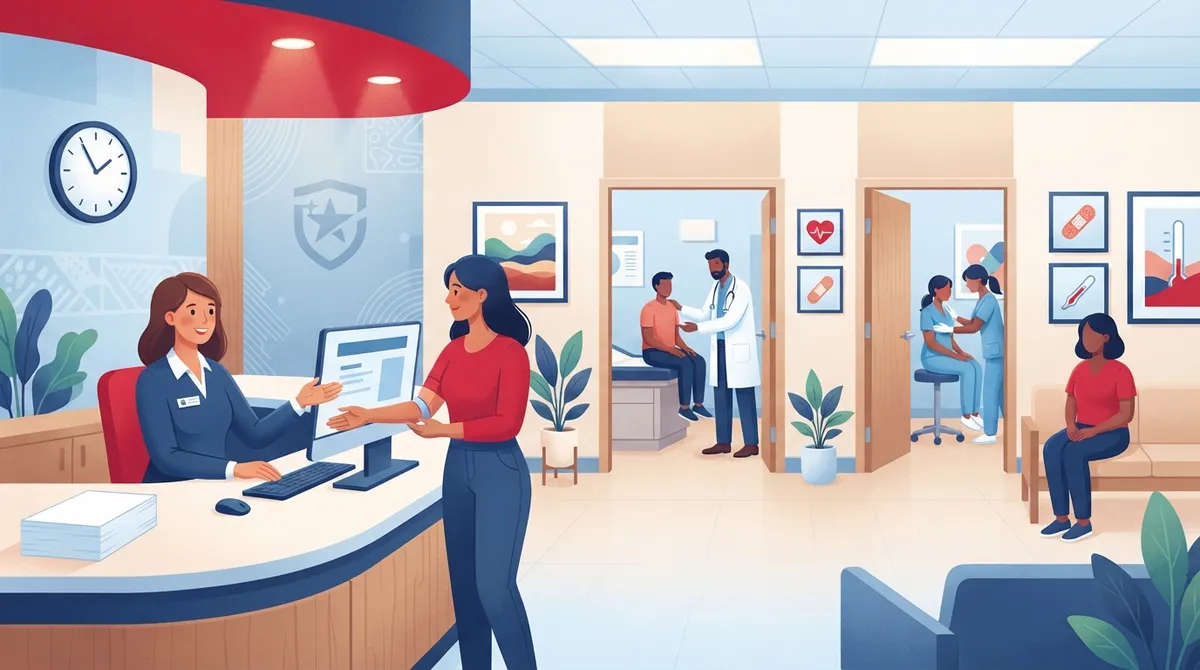
Urgent care fills the gap between your regular doctor and the emergency room. It treats problems that need prompt attention but are not life-threatening. Many urgent care centers offer evening and weekend hours, which makes them helpful when your regular clinician is unavailable.
Common reasons people visit urgent care include:
- Cold and flu symptoms
- Sore throat and ear pain
- Urinary symptoms
- Minor cuts that may need stitches
- Sprains and minor burns
- Mild allergic reactions
Services vary by clinic. Many urgent care centers offer basic lab tests and X-rays on site. If you are unsure whether a problem can be treated there, call first. You can also review what urgent care services can actually treat before you go.
Primary Care vs. Urgent Care: Key Differences
The main difference comes down to purpose. Primary care is about prevention and long-term health. Urgent care is about solving a sudden, non-life-threatening problem quickly. The table below compares them side by side.
|
Feature |
Primary Care |
Urgent Care |
|---|---|---|
|
Main purpose |
Prevention, ongoing care, coordination |
Prompt treatment of sudden, minor issues |
|
Relationship |
Long-term with one clinician or team |
Usually one-time or occasional |
|
Access to full medical history |
Complete and ongoing |
Often limited |
|
Appointments |
Scheduled, with some same-day options |
Walk-in friendly, extended hours |
|
Preventive screenings |
Yes, a core service |
Rarely included |
|
Chronic disease management |
Yes |
Not designed for it |
|
Best for |
Checkups, chronic conditions, wellness |
Minor injuries and sudden illness |
Neither option replaces the other. A strong health plan usually uses both: primary care for the big picture, and urgent care for surprises.
When Should You Choose Primary Care?
Choose primary care when your need is ongoing, preventive, or tied to your overall health. If you can wait for an appointment, your primary care provider is usually the best first call.
Situations That Fit Primary Care
- Annual wellness visits. A yearly exam catches issues early. See what happens during an annual wellness visit to know what to expect.
- Chronic condition management. Diabetes, high blood pressure, asthma, and thyroid problems need steady monitoring. Learn how primary doctors help manage chronic illnesses.
- Cancer screenings and preventive tests. Early detection saves lives, and your primary care team can schedule the right tests for your age and risk.
- Medication refills and reviews. Your doctor can adjust doses and watch for interactions.
- Weight, energy, and lifestyle concerns. Ongoing programs work best with a clinician who tracks your progress.
- Referrals. If you need a specialist, your primary care provider can guide you to the right one.
Research shows most adults agree. A 2024 Primary Care Collaborative survey of 1,164 U.S. adults found that 73% preferred a primary care practice for primary health services, compared with 12% who preferred urgent or walk-in clinics.
When Should You Choose Urgent Care?
Choose urgent care when you need help soon, the problem is not life-threatening, and you cannot get a timely appointment with your regular clinician. It is a smart option for evenings, weekends, and unexpected minor injuries.
Situations That Fit Urgent Care
- A fever, cough, or sore throat that came on suddenly
- An ear infection or painful urination
- A sprained ankle or wrist after a fall
- A minor burn or a cut that may need stitches
- A mild allergic reaction without trouble breathing
Urgent care is common across the country. According to a CDC National Center for Health Statistics data brief, 27.6% of people in the United States had at least one urgent care center visit in 2024. That shows how many families rely on it for quick answers.
If you are in Tampa or Riverview, you can read about urgent care in Tampa without the long wait or explore urgent care in Riverview. Just be aware of common pitfalls, which we cover in 7 urgent care mistakes that could cost you your health.
When Neither Is Right: Go to the Emergency Room
Some symptoms are too serious for either primary care or urgent care. Urgent care centers may not have the equipment or staff to stabilize a true emergency. Call 911 or go to the nearest emergency department for any of these warning signs:
- Chest pain or pressure
- Severe difficulty breathing
- Stroke symptoms, such as face drooping, arm weakness, or slurred speech
- Severe bleeding or a serious injury
- A severe allergic reaction
Never delay emergency care because you are unsure. If symptoms are severe, rapidly worsening, or confusing, treat them as an emergency. For children, older adults, pregnancy, or serious chronic illness, the right setting depends on individual risk, so contact a clinician or nurse advice line when in doubt.
Cost and Insurance: What to Expect
Costs vary by plan, location, and the services you receive. In general, urgent care often costs less than an emergency department visit for a problem it can safely treat. Primary care visits often carry the lowest copays, especially for preventive services.
Before any visit, check these items:
- Whether the clinic is in your insurance network
- Your copay or deductible for that type of visit
- Possible extra charges for X-rays, lab work, or procedures
A quick call to your insurer or the clinic can prevent surprise bills. Preventive care at primary care is often covered at little or no cost, which is another reason to keep up with regular visits.
Why You Need Both: The Continuity Problem
Urgent care is useful, but it is not a substitute for ongoing primary care. A one-time visit may not include preventive screening, full chronic disease management, or access to your complete medical history. According to the CDC, 8.6% of U.S. adults report an urgent care center or a store-based clinic as their usual source of health care. That can leave gaps.
Here is how to use both wisely:
- Keep a primary care provider. Make that relationship your foundation.
- Use urgent care for true short-term needs. Treat it as a backup, not a replacement.
- Share your records. After an urgent care visit, send the notes and follow-up instructions to your regular clinician.
- Follow up. A quick check-in helps make sure the problem is fully resolved.
This approach avoids fragmented care. For a deeper look, see fragmented care vs. coordinated care.
How Different Patients Can Decide
Your life stage and schedule shape which option works best. Here are a few common scenarios.
Busy Families
Parents juggle school, work, and activities. Keep a family primary care home for checkups, vaccines, and screenings. Use urgent care for after-hours bumps and fevers. Our guide to family primary care explains how one practice can serve everyone.
Tech-Savvy Professionals and Wellness Seekers
If you value data and prevention, primary care offers far more than sick visits. Advanced services such as DNA gene testing, metabolic breath analysis, and IV hydration work best inside a long-term care relationship. Urgent care rarely offers these.
Young Adults and Women Without a Regular Doctor
Many people in their late teens through their thirties skip primary care until something goes wrong. Establishing care early gives you a baseline and a trusted contact. Women especially benefit from comprehensive wellness visits and screenings beyond reproductive care. See whether you need a PCP if you are unsure.
Getting Both in One Place with InCare
The best answer to primary care vs urgent care is often a clinic that offers both. InCare is a personalized healthcare clinic in Tampa and Riverview, Florida, that combines state-of-the-art technology with medical expertise. You can get primary care, urgent care, cancer screenings, weight loss programs, and more, all with a team that has your full record.
That means when you have a sudden illness, the clinician helping you can see your history. When you come for a checkup, your care plan stays connected. InCare holds a 4.8 out of 5 rating on Google across 359 reviews, with patients praising the friendly staff and quality of care. You can see what InCare patients say on Google and follow updates on Instagram, Facebook, and TikTok. Explore our locations to find the clinic nearest you.
Quick Decision Guide
Use this simple checklist when you are not sure where to go:
- Is it life-threatening or rapidly worsening? Call 911 or go to the emergency room.
- Is it a minor sudden problem and your doctor is unavailable? Choose urgent care.
- Is it a checkup, a chronic condition, a screening, or a refill? Choose primary care.
- Still unsure? Call your clinic or a nurse line for guidance.
Conclusion
Primary care and urgent care are partners, not rivals. Primary care protects your long-term health through prevention, screenings, and steady management. Urgent care handles sudden, minor problems when you cannot wait. Emergencies belong in the emergency room. When you know which door to open, you save time, money, and stress.
The strongest strategy is to build a lasting relationship with a primary care team and know where to turn for quick help. InCare brings both together in Tampa and Riverview. Book your visit with InCare today, or contact our team with any questions about which type of care fits you best.
FAQs
Q: What is the difference between primary care and urgent care?
A: Primary care focuses on prevention, routine checkups, and ongoing management of your health over time. Urgent care provides prompt treatment for non-life-threatening illnesses and injuries when your regular clinician is unavailable. Both are valuable, but they serve different purposes.
Q: When should I go to urgent care instead of my primary care doctor?
A: Go to urgent care for sudden, minor problems such as cold or flu symptoms, sprains, minor cuts, or urinary symptoms when you cannot get a timely appointment. If your concern is a checkup, screening, or chronic condition, your primary care provider is the better choice.
Q: Is urgent care cheaper than the emergency room?
A: Urgent care is often less costly than an emergency department visit for a problem it can safely treat. Costs still vary by insurance plan, network status, and any tests or procedures, so check your copay and coverage before you go.
Q: Should I follow up with my primary care provider after an urgent care visit?
A: Yes. Share your visit records and follow-up instructions with your regular clinician. This keeps your medical history complete and helps ensure the problem is fully resolved.
Q: When should I go to the ER instead of urgent care?
A: Call 911 or go to the emergency room for chest pain, severe trouble breathing, stroke symptoms, severe bleeding or injury, or a severe allergic reaction. Urgent care centers may not have the equipment or staff to handle these emergencies.


