
Key Takeaways
- Most healthy adults naturally produce adequate glutathione without supplements; a clinical trial found 500mg twice daily for 4 weeks showed no significant change in glutathione status or oxidative stress markers.
- IV glutathione poses serious safety risks including contamination, allergic reactions, and endotoxin-related complications that resulted in FDA-reported adverse events, making it unsuitable as routine wellness treatment.
- Even when supplementation raises blood glutathione levels by 30-100%, studies show these increases do not consistently translate to measurable health improvements or symptom reduction.
- Foods rich in sulfur compounds (broccoli, cauliflower), lean proteins, vitamin C, and selenium naturally support the body's glutathione production more effectively than pills or injections.
- Pregnant individuals, those with liver/kidney disease, asthma, cancer patients, and people on multiple medications should consult a doctor before considering glutathione supplementation due to interaction risks.
- Schedule a primary care visit to assess your actual antioxidant status through blood work and review your diet and lifestyle before spending money on unproven glutathione supplements.
Walk into any wellness clinic or scroll through social media, and you will likely see glutathione praised as a miracle antioxidant. Bottles promise clearer skin, more energy, and better detox. But is glutathione needed for most people, or does your body already make enough on its own? This question matters for anyone considering supplements, IV drips, or injections without knowing the facts first.
At InCare, we believe in helping patients make informed choices based on real evidence, not marketing hype. This guide breaks down what glutathione actually does, what science says about supplementation, and who might benefit from a closer look at their antioxidant status. Whether you are a busy parent, a young professional exploring wellness trends, or someone managing a chronic condition, this information can help you decide your next step with confidence.

What Is Glutathione and Why Does It Matter?
Glutathione is a small protein your body makes on its own. It comes from three amino acids: cysteine, glutamate, and glycine. Your cells use it to fight off damage from toxins and stress.
Think of glutathione as an internal cleanup crew. It helps balance harmful molecules called free radicals. It also supports your liver as it filters out waste and chemicals from your bloodstream.
Healthy adults typically produce enough glutathione without any outside help. Your liver, in particular, relies heavily on this antioxidant to do its job well. If you want to learn more about how your liver functions and why it matters, our guide to liver function tests offers useful context.
How Your Body Naturally Produces Glutathione
Your body constantly recycles and creates new glutathione inside your cells. This process depends on good nutrition, proper sleep, and low levels of chronic stress.
Foods rich in protein and sulfur compounds support this natural process. Nutritional support plays a bigger role than most people realize when it comes to antioxidant health.
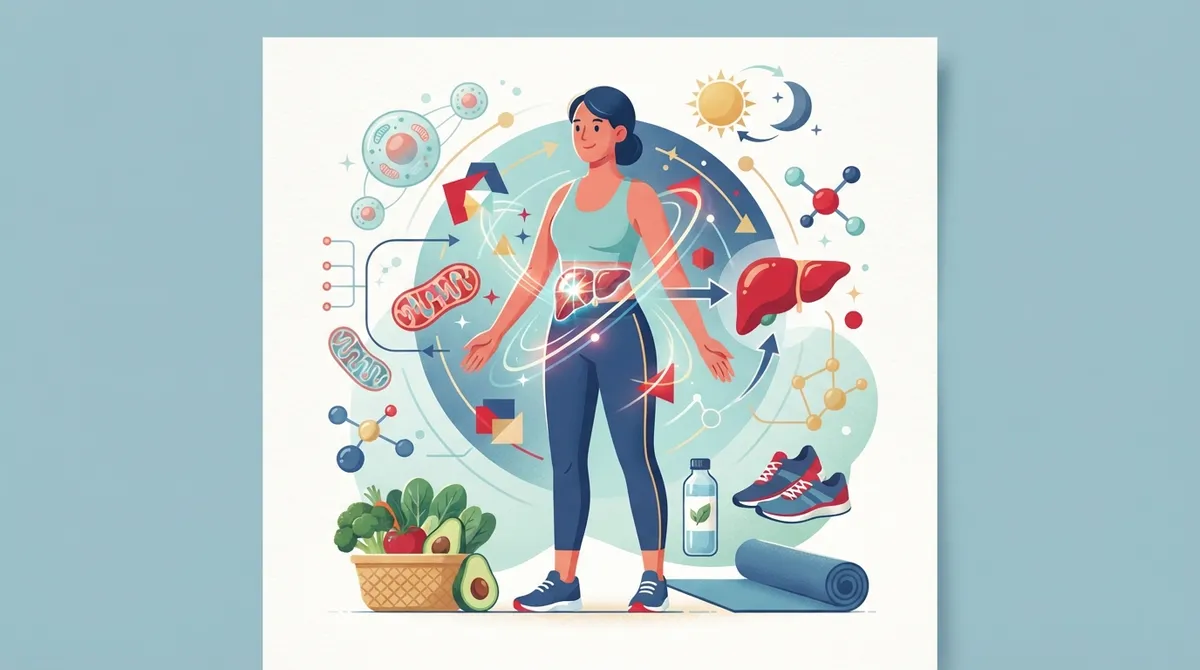
Is Glutathione Needed for Healthy Adults?
For most healthy adults, the answer is no. Routine supplementation is not considered medically necessary based on current research. Your body already has the tools it needs to keep glutathione levels balanced.
Clinical studies back this up. Some trials have looked closely at whether oral glutathione actually changes health outcomes in a meaningful way.
- A study of 40 healthy adults taking 500 mg of oral glutathione twice daily for four weeks found no significant changes in glutathione status or oxidative stress markers.
- The same study reported no serious side effects, but also no clear benefit beyond what the body already produces.
- Researchers concluded that healthy people likely do not need extra glutathione from supplements.
This does not mean glutathione is unimportant. It simply means most people do not need to add more through pills or drinks. Your primary care provider can help determine if your situation is different.
When Might Supplementation Be Considered?
Some situations may call for a second look. These include:
- Chronic illnesses that increase oxidative stress on the body
- Certain liver conditions where antioxidant support may play a role
- Poor nutrition or restrictive diets lacking key amino acids
- Specific genetic factors affecting antioxidant production
Even in these cases, supplementation should never replace proper diagnosis and treatment. A conversation with a qualified clinician is the safest first step. If you want to understand your body's genetic tendencies better, InCare's DNA gene testing service can offer helpful insights into your unique health profile.
What Does the Research Actually Show?
Clinical trials on oral glutathione have produced mixed results. Some studies show increases in blood levels. Others show little to no change at all.
|
Study Type |
Dosage |
Duration |
Key Finding |
|---|---|---|---|
|
Randomized trial in healthy adults |
500 mg twice daily |
4 weeks |
No significant change in glutathione status |
|
6-month randomized trial |
Daily oral dose |
6 months |
30-35% increase in blood cell glutathione, but no proven clinical benefit |
|
Liposomal glutathione pilot study |
500-1000 mg daily |
1 month |
Up to 100% increase in certain blood cells; small sample size |
|
Skin-focused study |
250 mg daily |
Not specified |
Possible improvement in limited skin measures only |
Notice a pattern here. Even when blood levels rise, that does not always translate to better health or fewer symptoms. This is an important distinction for anyone considering supplements as part of a preventive care plan.
Oral Glutathione vs. IV Glutathione: A Safety Comparison
Not all glutathione products carry the same risk level. Oral supplements and IV treatments differ greatly in both safety and evidence.
|
Factor |
Oral Glutathione |
IV Glutathione |
|---|---|---|
|
Absorption |
Limited but measurable in some studies |
Direct entry into bloodstream |
|
Common side effects |
Nausea, bloating, loose stools |
Risk of allergic reaction, infection |
|
Serious risks |
Rare in short-term studies |
Endotoxin reactions, kidney injury, anaphylaxis |
|
Regulatory oversight |
Standard supplement rules apply |
Compounded products face quality concerns |
|
Evidence for wellness use |
Mixed, limited long-term data |
Inconclusive, no standard dosing |
The FDA has reported serious adverse events linked to contaminated compounded IV glutathione. In one case, seven patients experienced reactions tied to excessive endotoxin levels. Symptoms ranged from fever and chills to dangerously low blood pressure.
This is why IV glutathione should never be treated as a routine wellness treatment. If you are curious about IV therapy options that are backed by stronger safety records, our IV hydration and vitamin drips page outlines safer, well-established alternatives for hydration and nutrient support.
5 Steps to Take Before Considering Glutathione Supplements
- Schedule a wellness visit. Talk with a primary care provider about your specific health goals and concerns.
- Review your diet. Make sure you are getting enough protein and nutrients that support natural antioxidant production.
- Check for underlying conditions. Liver disease, chronic illness, or medication use can change how your body handles antioxidants.
- Ask about testing. Blood work can reveal whether your antioxidant levels are actually low.
- Discuss safer alternatives. Nutritional changes, lifestyle adjustments, and proven treatments often work better than unproven supplements.
This process protects you from wasting money on products that may not help. It also reduces your risk of side effects from unnecessary supplementation.
Foods That Support Natural Glutathione Production
Rather than relying on pills or IV drips, many people can support their antioxidant levels through food. Certain nutrients act as building blocks for glutathione production.
- Sulfur-rich vegetables like broccoli, cauliflower, and Brussels sprouts
- Lean proteins including chicken, fish, and eggs
- Foods high in vitamin C such as citrus fruits and bell peppers
- Selenium sources like Brazil nuts and whole grains
- Garlic and onions, which contain sulfur compounds
A balanced diet often does more for your antioxidant health than a supplement bottle ever could. Combining good nutrition with regular checkups is a smart, sustainable approach to comprehensive primary care.
Lifestyle Factors That Affect Glutathione Levels
Diet is not the only factor. Sleep quality, stress management, and avoiding tobacco or excess alcohol all play a role in keeping your antioxidant systems working well.
Regular exercise has also been linked to better cellular health overall. Small, consistent habits often matter more than expensive supplements.
Who Should Talk to a Doctor Before Trying Glutathione?
Certain groups face higher risks and should always consult a clinician first. This is not a decision to make based on social media trends alone.
- Pregnant or breastfeeding individuals
- People with liver or kidney disease
- Those with asthma or other chronic respiratory conditions
- Cancer patients currently in treatment
- Anyone taking multiple prescription medications
These groups may face unexpected interactions or complications. A conversation with your provider ensures any supplement decision fits safely into your overall care plan. Our team at InCare, including experienced providers like Dr. Pramjeet Ahluwalia, can help evaluate your specific health needs before recommending any wellness treatment.
3 Common Myths About Glutathione Supplements
- Myth: Everyone needs glutathione supplements for detox. Fact: Your liver and kidneys already handle detoxification effectively in most healthy people.
- Myth: More glutathione always means better skin or more energy. Fact: Studies show mixed results, and higher blood levels do not guarantee visible benefits.
- Myth: IV glutathione is always safe because it is administered by a clinic. Fact: Compounded IV products carry real risks, including contamination and severe allergic reactions.
Understanding these myths helps you avoid unnecessary spending and potential health risks. Trustworthy wellness advice should always be grounded in current evidence.
How InCare Approaches Wellness and Prevention
At InCare, we combine advanced technology with old-fashioned attention to detail. Our approach starts with understanding your full health picture, not just chasing trends.
Services like body composition analysis and metabolic breath analysis give us real data about your body. This helps us recommend treatments that are backed by evidence, not just popular demand.
Whether you live near our Tampa location or our Riverview clinic, our providers take time to listen. You can read what our patients say by visiting our InCare location on Google, where our 4.8-star rating reflects real feedback from real people.
We also share regular health updates and patient education through our social channels. Follow us on Facebook or check out wellness tips on Instagram and TikTok for more insights into evidence-based care.
Personalized Care Beats One-Size-Fits-All Wellness Trends
Not every wellness trend fits every person. This is why a tailored approach, guided by primary care providers who know your history, works better than generic supplement advice.
Providers like Dr. Teshy John and Dr. Naveen Paddu focus on whole-body health, not quick fixes. This means looking at your nutrition, sleep, stress levels, and medical history before recommending any supplement or therapy.
Making an Informed Decision About Glutathione
So, is glutathione needed for you specifically? The honest answer depends on your individual health status, not on trends or marketing claims. Most healthy adults do not need supplementation. But some people with specific conditions may benefit from a closer look, always guided by a qualified provider.
According to research published by the National Institutes of Health, evidence for glutathione supplementation in healthy populations remains limited and inconsistent. This reinforces the importance of personalized medical guidance rather than self-directed supplementation.
Before spending money on pills, powders, or IV drips, consider scheduling a wellness visit. A simple conversation with your primary care provider can save you money and protect your health at the same time.
Take the Next Step Toward Informed Wellness
Understanding whether glutathione fits into your health plan starts with a real conversation, not guesswork. Our team at InCare is ready to review your nutrition, lifestyle, and medical history to give you honest, evidence-based recommendations.
Ready to get answers tailored to your body? Book Now for a wellness consultation at our Tampa or Riverview location, or reach out to our team with any questions about antioxidant support, IV therapy, or preventive care options that actually work for you.
FAQs
Q: Is glutathione needed for healthy adults?
A: Most healthy adults produce enough glutathione naturally and do not need supplements. Clinical evidence does not show clear benefits for prevention, energy, or longevity in people without underlying health conditions.
Q: What does glutathione do in the body?
A: Glutathione is an antioxidant that helps protect cells from damage and supports the liver's detoxification process. It also helps maintain balance between harmful molecules and protective compounds in your body.
Q: Can the body make enough glutathione naturally?
A: Yes, healthy individuals typically synthesize adequate glutathione using cysteine, glutamate, and glycine. Good nutrition, quality sleep, and low stress levels support this natural production process.
Q: Is oral glutathione safer than IV glutathione?
A: Oral glutathione is generally considered safer and better tolerated in short-term studies, with side effects limited to mild digestive issues. IV glutathione carries higher risks, including contamination concerns and serious allergic reactions.
Q: Who should avoid glutathione or speak with a doctor before taking it?
A: People who are pregnant, breastfeeding, or have liver disease, kidney disease, asthma, or cancer should consult a clinician first. Anyone taking prescription medications should also discuss potential interactions before starting supplementation.