Key Takeaways
- Liver disease often progresses silently with no symptoms because the organ can function despite significant damage; routine blood work during annual wellness visits is essential for early detection before problems become permanent.
- Liver function tests (ALT, AST, ALP, GGT, bilirubin, albumin, PT/INR) are simple blood markers that can catch liver inflammation or injury early; mild elevations don't always indicate serious disease but persistently high levels require further investigation.
- Most liver disease can be initially managed within primary care through medication review, viral hepatitis screening, metabolic assessment, and lifestyle changes; specialist referral is needed only for signs of advanced fibrosis, cirrhosis, or synthetic liver failure.
- Controllable lifestyle factors directly support hepatic function: maintaining healthy body weight, limiting alcohol, avoiding excess over-the-counter pain medications, staying current on vaccinations, and eating a nutrient-rich diet can prevent or slow liver disease progression.
- Fatty liver disease develops quietly due to weight gain, certain medications, viral infections, or genetic factors—not just alcohol use; weight management is particularly important since excess body weight is closely tied to metabolic liver issues.
- Watch for warning signs of advanced liver problems including jaundice, persistent fatigue, unexplained itching, abdominal swelling, dark urine, easy bruising, or appetite loss; prompt primary care evaluation can identify causes before complications develop.
Your liver quietly performs over 500 jobs every single day, yet most people never think about it until something goes wrong. Hepatic function refers to how well your liver carries out these tasks, from filtering toxins to producing proteins your blood needs to clot. In primary care, checking hepatic function through simple blood tests is one of the most common ways doctors catch problems early, often before you feel any symptoms at all.
Whether you are a busy parent juggling family health needs, a young professional optimizing wellness, or someone simply due for a checkup, understanding your liver health matters. This guide breaks down what hepatic function means, why it is checked, and what you can do to protect this vital organ. At InCare, our team in Tampa and Riverview uses advanced testing and personalized care to help patients stay ahead of liver-related health issues.

What Does Hepatic Function Mean?
Hepatic function is a medical term that simply means "how well your liver works." The liver is a large organ, weighing about 3 pounds, tucked under your ribs on the right side of your body. It sits just below the diaphragm and plays a role in nearly every system in your body.
Doctors and researchers have identified more than 500 distinct functions the liver performs. This makes it one of the busiest organs in the human body, according to Johns Hopkins Medicine. When we talk about hepatic function in a wellness setting, we are really asking one question: is your liver doing its job properly?
Core Jobs the Liver Performs
To understand why hepatic function matters, it helps to know what the liver actually does. Here are some of its most important roles:
- Producing bile to help digest fats from food
- Breaking down drugs, alcohol, and toxins so your body can remove them safely
- Making blood proteins like albumin, which keeps fluid balanced in your body
- Storing and releasing glucose to keep your energy levels steady
- Clearing bilirubin, a waste product from old red blood cells
- Producing proteins needed for healthy blood clotting
When any of these processes break down, it can affect your entire body. That is why primary care providers pay close attention to liver health during routine visits, even when patients feel completely fine.

Why Hepatic Function Matters for Your Overall Health
Many people assume liver problems only happen to heavy drinkers. This is not true. Liver disease can develop quietly due to weight gain, certain medications, viral infections, or genetic factors. Because the liver has no pain nerves in the way other organs do, damage can progress silently for years.
This silent progression is exactly why routine blood work matters so much. Liver biochemistry tests are commonly ordered in primary care, and abnormalities often show up in people who have no symptoms at all. Catching these changes early gives you a real chance to reverse damage before it becomes permanent.
Warning Signs of Poor Hepatic Function
While early liver problems often show no symptoms, more advanced issues can produce noticeable warning signs. Watch for these:
- Yellowing of the skin or eyes, known as jaundice, caused by bilirubin buildup
- Persistent fatigue or low energy that does not improve with rest
- Unexplained itching of the skin
- Swelling in the abdomen or legs
- Dark urine or pale, clay-colored stools
- Easy bruising or bleeding
- Loss of appetite or unexplained weight loss
If you notice any of these symptoms, it is important to schedule an appointment quickly. A primary care visit can help identify the cause and start treatment before complications develop.
How Doctors Test Hepatic Function
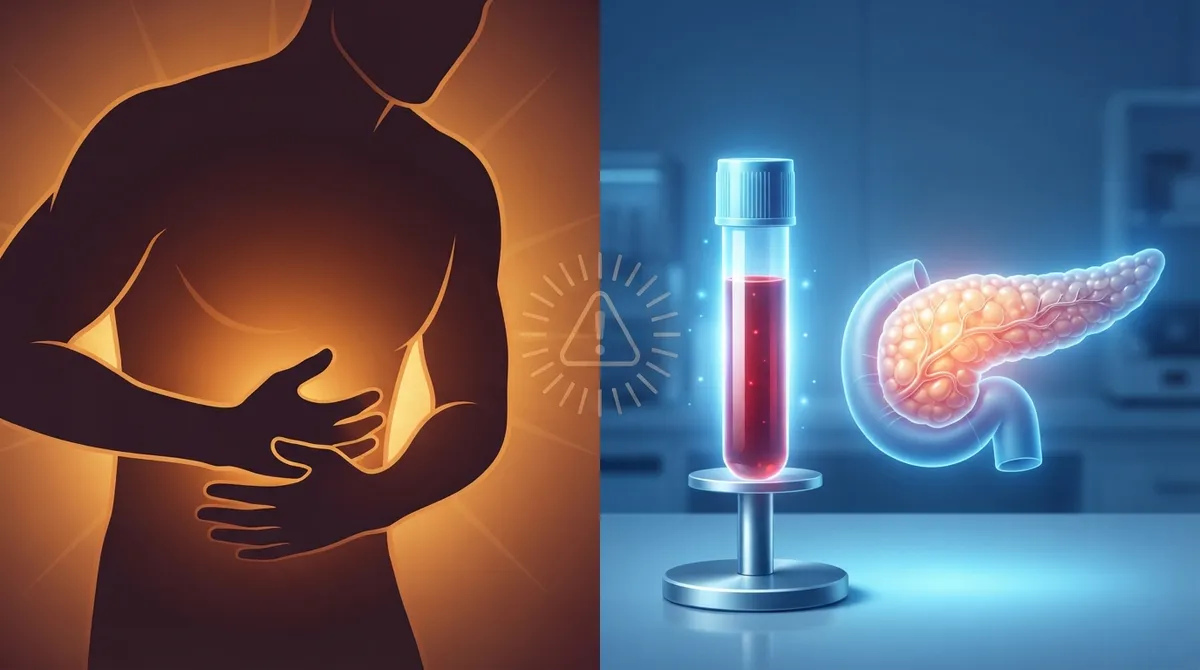
Liver function tests, sometimes called LFTs, are a group of blood tests that measure different markers tied to liver health. These tests are simple, quick, and often included in routine wellness panels.
Test NameWhat It MeasuresWhy It MattersALT (Alanine Aminotransferase)Enzyme released when liver cells are damagedHigh levels may signal liver inflammation or injuryAST (Aspartate Aminotransferase)Enzyme found in liver and other tissuesElevated with liver damage, but also muscle issuesALP (Alkaline Phosphatase)Enzyme linked to bile ducts and boneHigh levels may point to bile duct blockageGGT (Gamma-Glutamyl Transferase)Enzyme tied to bile flow and alcohol useOften elevated with alcohol use or bile issuesBilirubinWaste product from red blood cell breakdownHigh levels cause jaundice and signal poor clearanceAlbuminProtein made by the liverLow levels can mean reduced liver productionPT/INRMeasures blood clotting timeProlonged time may reflect poor liver synthesis
Most people only need these seven markers for a basic hepatic function check. Your doctor will review the full panel together, not just one number, to get an accurate picture of your liver health.
What Elevated ALT and AST Levels Mean
ALT and AST are the two most commonly discussed liver enzymes. When liver cells become damaged or inflamed, these enzymes leak into the bloodstream, causing blood levels to rise.
Mild elevations do not always mean serious disease. They can result from recent alcohol use, certain medications, intense exercise, or even a viral infection unrelated to the liver. However, persistently high levels deserve further investigation to rule out fatty liver disease, hepatitis, or other conditions.
How Primary Care Evaluates Abnormal Liver Tests
When liver test results come back abnormal, your primary care provider follows a structured approach to find the cause. This process is thorough but usually straightforward for most patients.
- Review your medication and supplement use, since many common drugs affect the liver
- Discuss alcohol consumption habits openly and honestly
- Check for viral hepatitis B and C through blood testing
- Assess metabolic risk factors like obesity, diabetes, and high cholesterol
- Order imaging, such as an ultrasound, if levels remain elevated
- Repeat blood work to see if abnormalities persist or resolve
- Refer to a liver specialist if results suggest advanced disease
Research published by the National Institutes of Health confirms that most liver disease can be managed initially within primary care. Specialist referral becomes necessary only when there are signs of significant scarring, known as fibrosis, or when the liver's ability to make proteins and clotting factors is seriously impaired.
Lifestyle Factors That Support Hepatic Function
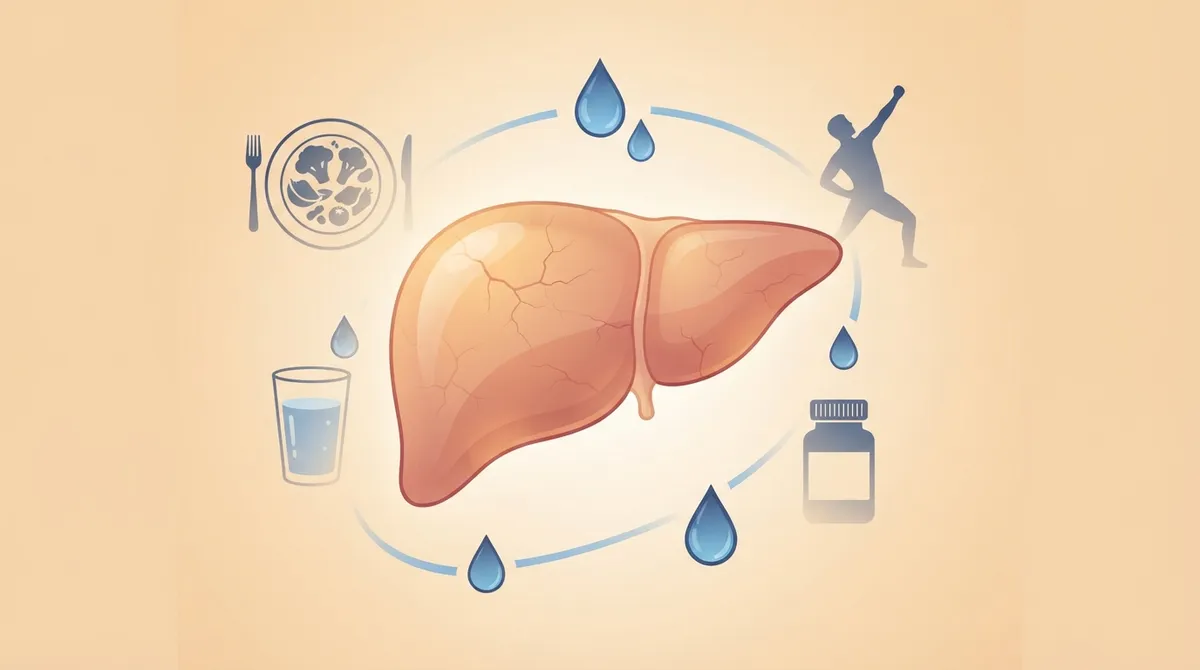
Good news: many risk factors for poor liver health are within your control. Small, consistent changes can make a meaningful difference over time.
- Maintain a healthy body weight through balanced nutrition and regular movement
- Limit alcohol intake or avoid it entirely if you have existing liver concerns
- Stay current on hepatitis A and B vaccinations
- Avoid unnecessary or excessive use of over-the-counter pain medications
- Talk to your doctor before starting new herbal supplements
- Stay hydrated and eat a diet rich in vegetables, lean protein, and whole grains
- Get regular checkups to catch changes in liver markers early
Weight management plays a particularly large role in liver health, since fatty liver disease is closely tied to excess body weight and metabolic issues. InCare's weight loss programs use advanced technology to create personalized plans that support both your waistline and your liver.
The Role of DNA Testing and Body Composition Analysis
For patients interested in a deeper look at their health, tools like DNA gene testing and body composition analysis can offer valuable insight into metabolic risk factors that affect the liver. These technologies help identify predispositions to conditions like fatty liver disease before they progress, giving you and your provider a head start on prevention.
When Should You See a Specialist?
Most liver test abnormalities can be managed by your primary care team. However, certain findings signal the need for a referral to a hepatologist or gastroenterologist.
SituationManaged in Primary CareNeeds Specialist ReferralMild, isolated enzyme elevationYes, with monitoringNoSuspected fatty liver diseaseYes, initial workup and lifestyle guidanceOnly if advanced fibrosis suspectedPositive hepatitis B or C testInitial diagnosis and counselingYes, for treatment planningSigns of cirrhosis or scarringNoYes, urgent referral neededAbnormal clotting (PT/INR) or low albuminNoYes, suggests synthetic liver failure
Chronic liver disease remains a serious health concern. In the United Kingdom, it has been identified as a leading cause of early death, with an average age of death of just 57 years in one national review. This statistic underscores why regular screening and early intervention through primary care are so important.
Can Liver Disease Exist Without Symptoms?
Yes, and this is one of the most important things to understand about hepatic function. The liver has a remarkable ability to keep working even when significantly damaged. This means you can have real liver disease while feeling completely healthy.
This is precisely why routine blood work matters so much, even for people who feel great. An annual wellness visit that includes liver testing can catch problems years before symptoms would ever appear. Learn more about what happens during an annual wellness visit to understand how these checks fit into your overall care plan.
Building Liver Health Into Your Wellness Routine
Protecting your hepatic function does not require a separate specialist visit for most people. It fits naturally into the comprehensive care you should already be receiving. Consider these steps to stay proactive:
- Schedule an annual wellness visit that includes a full metabolic panel
- Ask your provider to review your liver enzymes even if you feel fine
- Discuss any new medications or supplements at every visit
- Address weight and metabolic health early rather than waiting for problems
- Follow up promptly on any abnormal results rather than ignoring them
InCare's team, including providers like Dr. Pramjeet Ahluwalia and Dr. Naveen Paddu, takes a whole-body approach to care. This means liver health is never viewed in isolation but as part of your complete metabolic and wellness picture.
Why Choose InCare for Liver and Wellness Care
Patients across Tampa and Riverview trust InCare for comprehensive, technology-driven primary care. Our clinics combine standard blood testing with advanced tools like metabolic breath analysis to give a fuller picture of how your body, including your liver, is functioning.
With a 4.8 out of 5 rating from hundreds of patients, InCare has built a reputation for attentive, personalized care. Patients consistently highlight the friendly staff and the thorough attention from our physicians. You can visit us on Google — InCare to read reviews from real patients about their experience.
Beyond liver testing, InCare offers a full range of services designed to support your whole-body health, including cancer screenings, urgent care, and IV hydration and vitamin drips. Our providers work together to catch health issues early, including those affecting hepatic function, so you can stay ahead of problems before they grow.
Follow our updates and patient stories on Facebook and Instagram, or check out wellness tips on TikTok to stay informed between visits.
Take Charge of Your Liver Health Today
Your liver works hard every day, performing hundreds of functions that keep your body running smoothly. The best way to protect it is through regular checkups, honest conversations with your doctor, and healthy lifestyle habits. Since liver disease often shows no symptoms until it has progressed, routine testing through primary care remains your best defense.
Do not wait for warning signs to take your liver health seriously. Our experienced team at InCare is ready to help you understand your hepatic function and build a personalized plan for lasting wellness. Book your appointment today and take the first step toward a healthier future.
FAQs
Q: What does hepatic function mean in medical terms?
A: Hepatic function refers to how well your liver performs its many roles, including detoxification, protein production, bile production, and blood clotting support. Doctors assess this through blood tests that measure liver enzymes, proteins, and bilirubin levels.
Q: What blood tests are used to assess liver function?
A: The standard liver function panel includes ALT, AST, ALP, GGT, bilirubin, albumin, and PT/INR. These seven markers give doctors a comprehensive view of liver health and help identify inflammation, damage, or impaired protein production.
Q: What do elevated ALT and AST levels mean?
A: Elevated ALT and AST often indicate liver cell damage or inflammation, though mild increases can also result from exercise, medications, or temporary illness. Persistently high levels warrant further evaluation to identify the underlying cause.
Q: Can liver disease be present without symptoms?
A: Yes, liver disease frequently progresses silently because the organ can continue functioning even with significant damage. This is why routine liver testing during annual wellness visits is essential for early detection.
Q: When should abnormal liver tests be referred to a specialist?
A: Referral to a liver specialist is typically needed when tests show signs of significant fibrosis, cirrhosis, or synthetic liver failure, such as abnormal clotting times or low albumin. Most mild or isolated abnormalities can be managed within primary care.