
Key Takeaways
- Large-scale human trials have not proven glutathione supplements prevent cancer, heart disease, or diabetes; most evidence comes from small studies or lab research, so glutathione should be viewed as a possible adjunct, not a standalone treatment.
- Intravenous glutathione carries serious safety risks including anaphylaxis and liver toxicity with no standardized dosing for wellness use, while oral forms typically cause only mild side effects like bloating or loose stools.
- Some preliminary research suggests modest benefits for adults over 55 with type 2 diabetes and obese adults improving insulin sensitivity, but only when used alongside medical supervision and proven prevention strategies like screenings and healthy habits.
- Natural ways to support your body's own glutathione production—such as eating sulfur-rich foods, regular exercise, quality sleep, and stress management—may be safer alternatives to supplements before considering supplementation.
Walk into any wellness clinic today and you will likely hear about glutathione. It is often called the body's "master antioxidant." Many people search for glutathione disease prevention hoping it can protect them from cancer, heart disease, or diabetes. But what does the science actually say? This guide breaks down the real facts, so you can make smart choices about your health.
At InCare, we believe in giving patients honest, evidence-based information. Glutathione may play a role in supporting your body's natural defenses. However, it is not a magic shield against disease. Understanding how it works, what studies show, and where it fits into a real prevention plan can help you avoid wasted money and false hope.
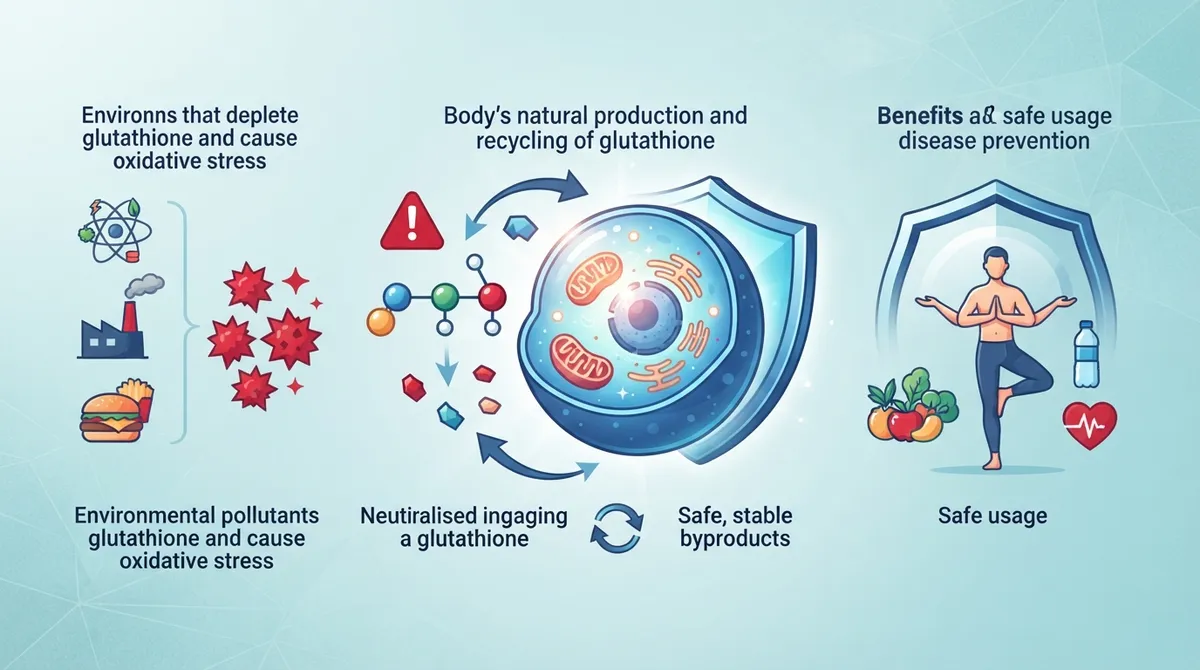
What Is Glutathione and Why Does It Matter?
Glutathione (GSH) is a molecule your body makes on its own. It is built from three building blocks: cysteine, glutamate, and glycine. This antioxidant helps your cells manage oxidative stress, supports detox pathways in the liver, and protects your DNA from damage.
Because of these jobs, glutathione has earned a reputation as a health hero. Wellness marketing often suggests that boosting glutathione levels can prevent almost any illness. The truth is more complicated. Your body already regulates glutathione production based on your needs. Supplementing it does not automatically translate into disease prevention.
How Glutathione Works in the Body
Glutathione neutralizes harmful molecules called free radicals. These free radicals form naturally as your cells use oxygen for energy. Left unchecked, they can damage proteins, fats, and DNA over time.
This process is called oxidative stress. Scientists believe oxidative stress may contribute to aging and chronic disease. But having a role in a process is not the same as preventing a disease. This is an important difference many wellness claims blur together.

What Does the Research Actually Show?
Human studies on glutathione supplements are still developing. Much of the excitement around glutathione disease prevention comes from lab studies, animal research, or observations, not large human prevention trials.
Here is a breakdown of what real clinical trials have found so far:
|
Study |
Population |
Key Finding |
|---|---|---|
|
Richie et al., 2014 (6-month RCT) |
54 healthy nonsmoking adults |
1,000 mg/day increased glutathione levels 30-35% in blood cells; levels dropped after stopping |
|
Allen and Bradley, 2011 |
Healthy adults, 4 weeks |
No significant change in glutathione status or oxidative stress markers |
|
2021 RCT in adults with type 2 diabetes |
Adults with diabetes, long-term |
Increased glutathione stores, reduced oxidative DNA damage, HbA1c benefits in those over 55 |
|
2021 study in obese adults |
With and without type 2 diabetes, 3 weeks |
Improved insulin sensitivity; no major change in oxidative stress markers |
These findings are interesting, but they are preliminary. No large-scale human trial has proven that glutathione supplements prevent cancer, heart disease, or other major illnesses. Claims that go beyond this evidence should be viewed with caution.
How to Approach Glutathione the Right Way: A Step-by-Step Guide
If you are curious about glutathione, follow these steps to make an informed decision alongside your care team.
- Talk to a primary care provider first. Before starting any supplement, discuss your health history and goals. A primary care visit is the best place to start.
- Get baseline testing done. Ask about relevant screenings and bloodwork to understand your current health status, rather than guessing.
- Understand the different forms. Oral, liposomal, and intravenous glutathione are absorbed differently and carry different risks.
- Set realistic expectations. View glutathione as a possible adjunct, not a stand-alone treatment or cure.
- Monitor your body's response. Track any side effects like digestive upset and report them to your provider.
- Focus on proven prevention strategies first. Vaccinations, screenings, and healthy habits remain your strongest tools.
- Reassess regularly. Revisit your plan at follow-up visits to see if adjustments are needed.
Comparing Different Forms of Glutathione
Not all glutathione products are created equal. Here is how the main forms compare.
|
Form |
How It's Taken |
Considerations |
|---|---|---|
|
Oral capsules/tablets |
Swallowed daily |
Absorption varies; generally mild side effects like gas or loose stools |
|
Liposomal |
Swallowed, encased in fat molecules |
May improve absorption compared to standard oral forms; more research needed |
|
Intravenous (IV) |
Administered by a provider |
Higher risk of serious reactions; lacks standardized dosing for wellness use |
|
Precursors (like NAC) |
Oral supplement |
Provides raw materials for your body to make its own glutathione |
Because IV glutathione has been linked to serious reactions, including anaphylaxis and liver problems in some reports, it should only be considered under close medical supervision. If you are exploring IV hydration and vitamin drips, ask your provider detailed questions about safety and appropriate use.
Evidence-Based Disease Prevention That Actually Works
While glutathione research continues, primary care medicine already has proven tools for disease prevention. These strategies have decades of solid evidence behind them.
- Routine vaccinations to prevent infections
- Blood pressure and cholesterol management
- Regular diabetes screening and blood sugar monitoring
- Consistent physical activity, even short daily walks
- A nutrient-dense diet full of fruits, vegetables, and lean protein
- Quality sleep of seven to nine hours per night
- Tobacco cessation support
- Limiting alcohol intake
- Age-appropriate cancer screenings
These habits form the backbone of true disease prevention. Glutathione supplementation, if used at all, should support these efforts rather than replace them. Our team explains this balance further in our article on how to make preventive care work for your health.
Populations That May See Adjunctive Benefits
Some early research suggests certain groups may notice modest benefits from glutathione supplementation. This does not mean it prevents disease, but it may support existing treatment plans.
- Adults with type 2 diabetes managing oxidative stress markers
- Older adults over 55 in select diabetes studies
- Obese adults working on insulin sensitivity alongside lifestyle changes
- Individuals under close medical supervision for chronic conditions
If you fall into one of these categories, discuss your options with a provider familiar with your full health picture. Our physicians, including those featured on our providers page, can help you weigh the evidence.
Natural Ways to Support Glutathione Levels
Instead of jumping straight to supplements, many patients ask about natural ways to support their body's own glutathione production. Here are some approaches with reasonable scientific backing.
- Eat sulfur-rich foods like broccoli, garlic, and onions.
- Get regular moderate exercise to support antioxidant defenses.
- Prioritize consistent, quality sleep.
- Reduce excessive alcohol consumption.
- Consider N-acetylcysteine (NAC), a glutathione precursor, after discussing it with your doctor.
- Manage chronic stress through relaxation techniques or counseling.
These lifestyle habits support your body's natural systems without the risks associated with unregulated IV therapy or high-dose supplementation.
Safety Considerations You Should Know
Most oral glutathione studies report mild side effects such as bloating, gas, or loose stools. These are generally not dangerous. However, intravenous glutathione carries more serious risks.
According to a 2025 safety and efficacy review, IV glutathione has been linked to reports of anaphylaxis and liver toxicity in some cases. There is also no standardized dosing for wellness use, which makes IV administration outside a medical setting particularly risky.
Before starting any glutathione regimen, especially IV therapy, always consult a licensed provider. A thorough annual wellness visit is a great opportunity to discuss supplement safety and interactions with any current medications.
Why Personalized Primary Care Matters
Every patient's body responds differently to supplements and wellness treatments. This is why personalized care, rather than one-size-fits-all wellness trends, tends to produce better results.
At InCare, our approach combines advanced diagnostics with real conversations about your goals. Whether you are interested in DNA gene testing to understand your genetic risk factors or want to explore body composition analysis to track your metabolic health, our team builds a plan around your actual needs, not a generic checklist.
Patients in Tampa and Riverview trust our clinics for straightforward, science-backed guidance. You can read what real patients say by visiting our Visit us on Google — InCare page, where our 4.8-star rating reflects hundreds of positive experiences.
Questions to Ask Before Starting Glutathione
Before adding any supplement to your routine, bring these questions to your next appointment.
- Does this interact with any medications I currently take?
- What dose and form make sense for my health goals?
- Should I get baseline lab work first?
- How will we measure if it's working?
- Are there safer, proven alternatives for my specific concern?
A good provider will welcome these questions and give you clear, honest answers rather than pushing a one-size-fits-all product.
Building a Complete Prevention Plan
Disease prevention works best as a layered approach. Think of glutathione, if used at all, as one small piece of a much bigger puzzle. Your foundation should always include regular checkups, screenings, and healthy daily habits.
Our team frequently discusses these strategies on social media, where we break down wellness trends in simple terms. You can follow along on Facebook, Instagram, or TikTok for quick tips and updates on emerging wellness research.
If you want a deeper dive into whole-body prevention, our guide on what comprehensive primary care actually covers explains how all these pieces fit together.
Take the Next Step Toward Real Prevention
Glutathione may offer some supportive benefits, but it is not a proven cure or shield against major disease. The strongest tools you have are still routine screenings, healthy habits, and a trusted primary care relationship. Our physicians can help you sort fact from marketing hype and build a prevention plan based on real evidence.
Ready to talk about your health goals with a provider who listens? Book your appointment today and take a confident step toward whole-body wellness.
FAQs
Q: Can glutathione supplements prevent disease?
A: Current human research does not prove that glutathione supplements prevent cancer, heart disease, diabetes, or other major illnesses. Most evidence comes from small studies, mechanistic research, or animal models rather than large-scale prevention trials. Glutathione should be viewed as a possible adjunct to established prevention methods, not a replacement.
Q: Does glutathione reduce the risk of cancer or heart disease?
A: There is no strong human evidence confirming that glutathione supplementation reduces cancer or cardiovascular disease risk. Much of the supporting data comes from laboratory or observational studies rather than definitive clinical trials. Proven strategies like regular screenings, blood pressure control, and healthy lifestyle habits remain the most reliable prevention tools.
Q: Can glutathione help with diabetes or blood sugar control?
A: Some preliminary studies suggest glutathione may support glutathione stores and reduce oxidative damage markers in adults with type 2 diabetes, particularly those over 55. However, these findings are considered adjunctive and preliminary. Glutathione should not replace prescribed diabetes medications or standard care.
Q: What is the difference between oral, liposomal, and IV glutathione?
A: Oral glutathione is taken as a capsule or tablet with variable absorption, while liposomal forms may improve absorption using fat-based delivery. Intravenous glutathione is administered by a provider but carries greater safety concerns, including reports of serious allergic reactions and liver issues. Precursors like N-acetylcysteine offer another option by supplying raw materials for your body's own production.
Q: Is it safe to take glutathione supplements long term?
A: Oral glutathione has generally shown mild side effects like gas or loose stools in clinical studies. Long-term safety data is still limited, so it is best to use it under medical guidance. Intravenous glutathione carries more serious risks and should only be considered with close supervision from a licensed healthcare provider.