
Key Takeaways
- Downtown Tampa urgent care clinics, including TGH Urgent Care locations on Channelside Drive and W Palm Avenue, list daily hours of 8 a.m. to 8 p.m., but holiday hours may vary, so confirm before traveling.
- Urgent care treats non-life-threatening issues like colds, sore throats, UTIs, minor burns, sprains, and simple fractures; chest pain, trouble breathing, stroke signs, or severe bleeding require 911 or the ER.
- Urgent care cannot manage long-term conditions like diabetes or high blood pressure or provide preventive screenings, so a primary care provider is still needed for ongoing health.
- Calling ahead to confirm services, insurance, and wait times prevents surprises, and bringing your medication list, allergies, and symptom timeline makes the visit faster.
A sore throat on a Tuesday afternoon. A twisted ankle after a weekend run along the Riverwalk. A fever that will not break while your primary care office is booked for two weeks. When these moments arrive, you need fast, reliable answers. Searching for urgent care tampa downtown is often the first step, yet many residents are unsure which option fits their situation.
Downtown Tampa offers several walk-in choices, and each one serves a different purpose. Understanding what urgent care treats, when it makes sense, and when you need something else can save you time, money, and stress. This guide explains the options near the city center, the conditions urgent care can handle, and how to decide between a walk-in visit, a primary care appointment, and the emergency room. It also shows how a full-service clinic like InCare fits into the picture for both quick needs and long-term health.
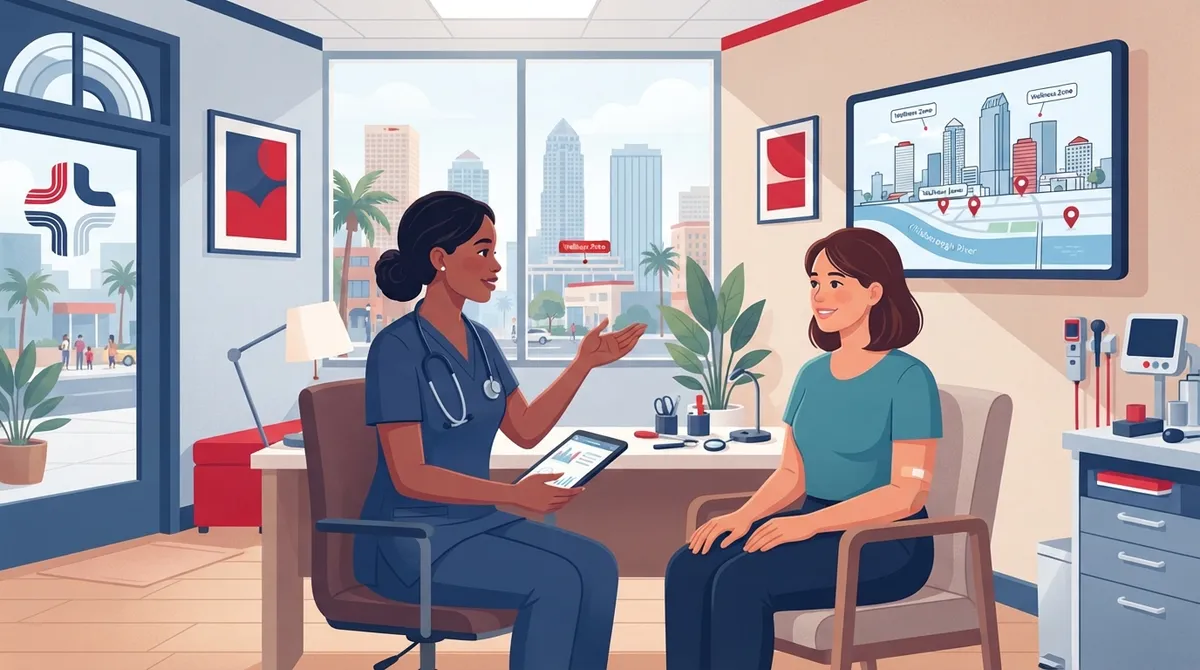
What Urgent Care Means in Downtown Tampa
Urgent care sits between a routine doctor visit and the emergency room. It is designed for problems that need prompt attention but are not life-threatening. Most clinics accept walk-ins, keep extended hours, and offer on-site testing.
Downtown Tampa has at least two listed TGH Urgent Care powered by Fast Track locations. One is at 564 Channelside Drive in the Water Street area. The other is at 303 W Palm Avenue in The Heights. Both list daily hours of 8 a.m. to 8 p.m., and the Water Street clinic describes service 363 days a year. Hours can change, especially around holidays, so confirm details directly before you travel.
For many people, the keyword urgent care tampa downtown really means one thing: care that is close, quick, and capable. That is a fair expectation. The key is matching the clinic to the problem.

Which Conditions Can Downtown Urgent Care Treat?
Urgent care clinics handle a wide range of non-emergency illnesses and minor injuries. Common examples include:
- Colds, flu-like symptoms, and sore throats
- Ear, sinus, and urinary tract infections
- Seasonal allergies and skin rashes
- Minor burns, cuts, and insect bites
- Sprains, strains, and some simple fractures
Many downtown clinics also offer diagnostic tools. Listed services at the Tampa General-affiliated sites include X-rays, EKGs, urinalysis, glucose checks, and selected rapid tests. Procedures such as laceration repair, abscess drainage, splinting, and breathing treatments may also be available. Services depend on the specific clinic and the clinician's assessment, so call ahead if you need a particular test.
Downtown Tampa Walk-In Options at a Glance
The table below summarizes the listed downtown locations based on publicly available information. Always verify current hours and services before visiting.
|
Location |
Address |
Listed Hours |
Notes |
|---|---|---|---|
|
TGH Urgent Care, Water Street |
564 Channelside Dr, Tampa, FL 33602 |
8 a.m.–8 p.m. daily |
Describes service 363 days per year; holiday hours may vary |
|
TGH Urgent Care, The Heights |
303 W Palm Ave, Tampa, FL 33602 |
8 a.m.–8 p.m. daily |
Confirm current listing before visiting |
|
InCare Tampa |
1213 N Franklin St, Tampa, FL 33602 |
Call 813-553-3330 for current hours |
Primary care, urgent care, and wellness services in one practice |
Pricing, insurance acceptance, and wait times were not available in a reliable, current form, so check with each clinic. Calling ahead takes two minutes and prevents surprises at the front desk.
Why Many Patients Choose InCare for Urgent Needs
InCare is a personalized healthcare clinic that combines primary care, urgent care, and advanced wellness under one roof. The Tampa office at 1213 N Franklin St sits right in the downtown corridor, which makes it a practical choice for office workers, residents, and visitors alike.
The difference shows up after the visit. A stand-alone walk-in clinic treats the problem in front of it and sends you home. At InCare, the same team can treat your acute illness, then connect you with ongoing care. If your sore throat turns out to be linked to recurring sinus trouble, or your fatigue points to a bigger issue, the clinicians who know your history can take the next step.
Patients also benefit from the technology InCare is known for. In-clinic tools such as metabolic breath analysis and body composition scanning let you move from fixing a short-term problem to improving your overall health. That whole-body approach is what separates InCare from a typical walk-in visit. Patients consistently describe the staff as friendly and the care as thorough, and you can visit us on Google — InCare to read what our Tampa and Riverview patients say.
When to Choose Urgent Care, Primary Care, or the ER
Choosing the right setting protects your health and your wallet. Use this quick framework.
- Call 911 or go to the emergency room for chest pain, trouble breathing, signs of stroke, severe bleeding, major head injury, or sudden loss of consciousness. Urgent care centers may not have the resources for true emergencies.
- Choose urgent care for problems that cannot wait a day or two but are not dangerous, such as a possible infection, a minor fracture, or a cut that may need stitches.
- Choose primary care for ongoing concerns, medication management, screenings, and prevention.
If you are unsure which category you fall into, our guide on primary care vs. urgent care breaks the decision down further. You can also read the comparison of walk-in urgent care and primary care in downtown Tampa for a location-specific view.
The Limits of Urgent Care
Urgent care is a useful tool, but it is not a replacement for a relationship with a regular doctor. Understanding the gaps helps you use it wisely.
No Long-Term Management
Walk-in clinics focus on the immediate problem. They are not built to manage high blood pressure, diabetes, or thyroid conditions over months and years. Those conditions need steady follow-up, lab trends, and medication adjustments.
Limited Preventive Care
Cancer screenings, vaccinations, and wellness planning are best handled by a primary care team that knows your history. If you do not yet have one, our resource on how to find a family doctor in Tampa can help you start.
Fragmented Records
Visiting a different clinic each time scatters your health information. A single trusted practice keeps your records, allergies, and medications in one place, which reduces errors and repeat testing.
How to Prepare for a Walk-In Visit
A little preparation makes any urgent care visit faster and more productive. Before you leave, gather the following:
- A photo ID and your insurance card
- A list of current medications and supplements
- Known allergies and past surgeries
- A short timeline of your symptoms, including when they started and what you have tried
- The name and number of your primary care provider
Arriving early in the day, when possible, can help you avoid peak crowds. Midday, evenings, and Mondays tend to be busier at many clinics, though patterns vary. Bring a charged phone and be ready to describe your symptoms clearly.
Making Follow-Up Care Easy
The visit does not end when you leave the exam room. Ask the clinician about warning signs that should send you back or to the emergency department. Request any test results and imaging reports for your records, and schedule a follow-up with your regular doctor if symptoms persist.
This is where having a connected practice matters most. At InCare, your acute visit and your long-term care live in the same system. If an urgent concern uncovers something that needs deeper attention, the next step is simple. For a broader look at how local clinics fit together, see 11 Tampa Bay healthcare services transforming primary care in 2026.
Who Benefits Most from an Integrated Clinic?
Different people use urgent care in different ways, and an integrated practice serves each of them well.
- Busy professionals who need a quick fix without losing a full workday.
- Young families juggling school, work, and sudden childhood illnesses.
- Health-conscious adults who want acute care and preventive screening from one team.
- Newcomers to Tampa who do not yet have a regular doctor.
For these groups, the value is convenience combined with continuity. You get a fast answer today and a partner for the long run. You can also follow InCare for health tips and updates on Instagram, Facebook, and TikTok.
Conclusion: Choose Care That Fits Both Today and Tomorrow
Searching for urgent care tampa downtown is really a search for speed, trust, and clarity. Downtown Tampa offers several walk-in clinics, and they serve a real purpose for illnesses and minor injuries. But the best outcomes come when quick care connects to a long-term health plan.
InCare brings primary care, urgent care, and advanced wellness together in downtown Tampa and Riverview. Our team treats the problem in front of you and helps you build a healthier future. Book Now to schedule your visit, or contact our team with questions. Always confirm hours and services before you travel, and call 911 for any emergency.
FAQs
Q: Where is the nearest urgent care clinic in downtown Tampa?
A: Listed options include TGH Urgent Care powered by Fast Track at 564 Channelside Drive and 303 W Palm Avenue, as well as InCare at 1213 N Franklin St. Confirm current hours and availability before you travel.
Q: Do I need an appointment for urgent care in downtown Tampa?
A: Most urgent care clinics accept walk-ins, so an appointment is usually not required. Calling ahead or checking online can help you confirm wait times and make sure the clinic offers the service you need.
Q: When should I go to the emergency room instead of urgent care?
A: Go to the emergency room or call 911 for chest pain, trouble breathing, signs of stroke, severe bleeding, or major injuries. Urgent care is intended for non-life-threatening illnesses and minor injuries.
Q: Can urgent care replace my primary care doctor?
A: No. Urgent care addresses acute problems when you cannot wait for a regular appointment. Ongoing conditions, preventive screenings, and long-term health planning are best managed by a primary care provider.
Q: Does downtown urgent care offer X-rays and lab tests?
A: Many downtown clinics list on-site services such as X-rays, EKGs, urinalysis, and rapid tests. Availability varies by location and clinical need, so call the clinic to confirm before your visit.