
Key Takeaways
- No supplement has been shown in large clinical trials to extend lifespan in healthy people; 'longevity nutraceutical' is a marketing term, not a medical category.
- Protein combined with resistance exercise has the most consistent, practical evidence for preserving muscle mass and physical function in older adults.
- Large trials (VITAL, DO-HEALTH) found no broad benefit of vitamin D or omega-3 for generally healthy adults with adequate levels; supplement only for a documented deficiency or clinical need.
- NAD+ precursors like NR and NMN have only small, short-term human studies, so reversing cellular aging or longevity benefits remain unproven.
- The FDA does not approve supplements for safety or effectiveness before sale, so check for third-party testing and avoid proprietary blends without exact amounts.
- Bring every supplement bottle, with exact dose, to your clinician to check for interactions with blood thinners, diabetes or blood pressure medicines, and planned procedures.
Walk into almost any wellness shop or scroll through any social feed in 2026, and you will see bold promises about aging well in a bottle. Powders, capsules, and drips are marketed as ways to slow aging, boost energy, and extend your years. For many people in Florida, the question is simple: which products are worth considering, and which are just marketing?
The honest answer starts with clarity. "Longevity nutraceuticals" is a marketing term, not a medical category. It describes supplements promoted to support healthy aging. Current evidence does not show that any supplement extends lifespan in healthy people. Some products may help in specific situations, such as a documented deficiency. Many others lack strong proof.
This guide explains how to evaluate longevity nutraceuticals in Tampa with a clear, evidence-based process. You will learn what the research shows, how supplements are regulated, how to check for medication interactions, and how a primary care clinician can help you decide. If you want a safe, personalized plan, start with your health history, not a trend.

What Longevity Nutraceuticals Actually Are
The word "nutraceutical" blends nutrition and pharmaceutical. It usually refers to supplements, extracts, and concentrated nutrients sold for health benefits. When paired with "longevity," it signals products aimed at healthy aging, often called healthspan.
These products are not a standardized group. A multivitamin, a protein powder, an NAD+ precursor, and a plant extract can all appear under the same label. Each has a different evidence base and a different risk profile. That is why you should judge longevity nutraceuticals in Tampa one ingredient at a time, not as a category.
A 2024 critical review of nutritional supplements for healthy aging, published in Nutrients, reached a similar conclusion. Evidence and safety differ by supplement, and claims should be checked ingredient by ingredient.
Why the Marketing Moves Faster Than the Science
Aging research is exciting, and early lab findings often make headlines. But results in cells or animals do not always carry over to people. Human studies on aging outcomes take years and are costly. Marketing, by contrast, moves quickly.
- Cell and animal studies often come first and get the most attention.
- Small human studies may measure blood markers, not lifespan or disease.
- Long-term safety data is often missing.
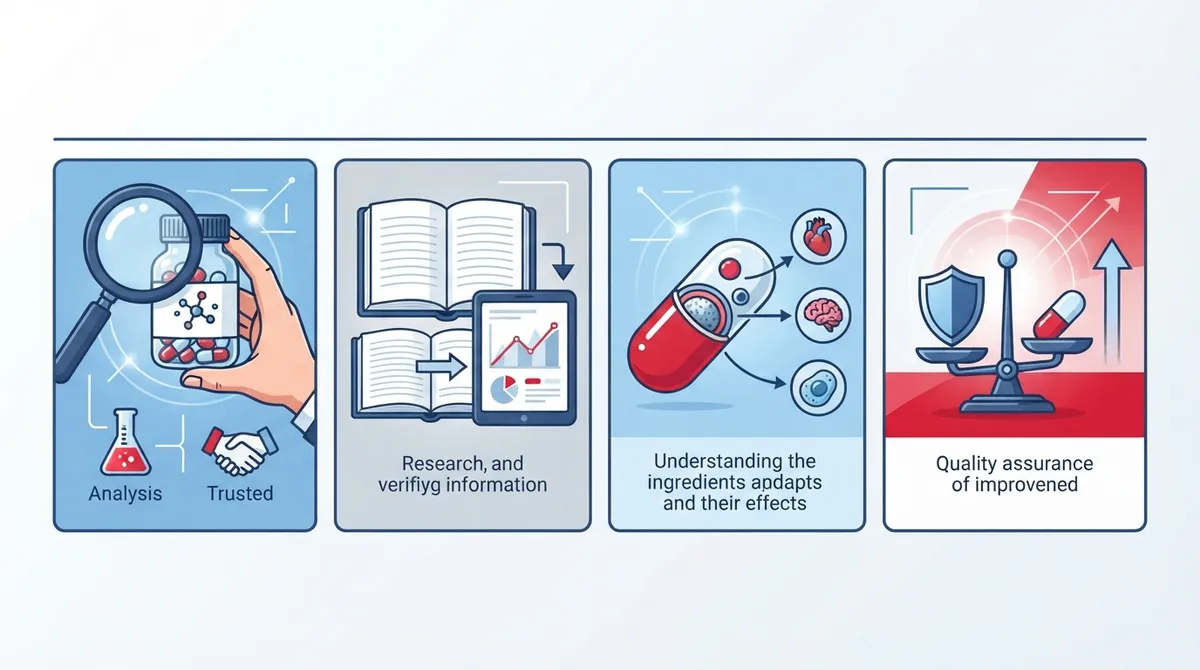
How to Evaluate Longevity Nutraceuticals Step by Step
Use this simple process before you buy any supplement marketed for aging. It protects your health and your wallet.
- Name the goal. Are you trying to improve muscle strength, sleep, energy, bone health, or a lab result? A clear goal helps you judge whether a product fits.
- Start with your history. Review your diet, symptoms, medications, and family history with a clinician.
- Check for a documented need. Supplements make the most sense when a deficiency or a specific indication is confirmed with appropriate testing.
- Look at the human evidence. Ask what outcome was studied, how many people took part, and for how long.
- Review safety and interactions. Share the exact product, dose, and your full medication list.
- Set a review date. Decide when you will stop, adjust, or continue based on results.
This approach keeps decisions grounded in your own health, not in a generic anti-aging stack.
What the Evidence Shows for Common Ingredients
Not all ingredients are equal. The table below summarizes where the evidence stands for several popular choices. It is a general overview, not personal medical advice.
|
Ingredient |
Common Claim |
What the Evidence Suggests |
|---|---|---|
|
Protein with resistance exercise |
Supports muscle and function with age |
Among the more consistent and practical approaches for older adults |
|
Vitamin D |
Universal longevity benefit |
No broad benefit shown in generally healthy, largely replete adults; useful for deficiency |
|
Omega-3 fatty acids |
Healthy aging for everyone |
Large trials did not show universal benefit; may suit specific clinical needs |
|
NAD+ precursors (NR, NMN) |
Reverse cellular aging |
Limited, early human data; long-term outcomes and safety not established |
|
Resveratrol |
Mimics calorie restriction |
Inconsistent human results for meaningful aging outcomes |
Protein and Strength: The Practical Winner
A 2026 review of 21 studies on nutritional strategies in older adults found variable results across supplements. One of the steadier findings was that resistance exercise combined with adequate protein helps support muscle mass and physical function. This is practical, low-cost, and easy to personalize.
Vitamin D and Omega-3: Helpful in Context
Large trials such as VITAL and DO-HEALTH did not establish broad benefits for generally healthy adults who already had adequate vitamin D. In VITAL, adults aged 50 and older were followed for about five years. Vitamin D reduced one inflammation marker, hs-CRP, by 19%. That is a lab finding, not proof of a longer life. Supplementation can still be appropriate if you have a deficiency or a clear medical reason.
NAD+ Precursors: Promising but Unproven
NAD+ boosters are among the most heavily marketed longevity products. One small study gave 1,000 mg per day of nicotinamide riboside for 21 days to 12 older men. It reported higher whole-blood NAD+ and lower inflammation markers. With only six people per group and a three-week window, the study cannot show longevity benefit or long-term safety.
Understand How Supplements Are Regulated
Many people assume a supplement on a shelf has been checked like a medicine. It has not. In the United States, the FDA does not approve dietary supplements for safety and effectiveness before they are sold. Manufacturers are responsible for product safety and labeling. The FDA generally acts after a product reaches the market.
This means quality can vary. Contents may differ from the label, and doses may not match what is printed. Consider these points when you shop:
- Look for products tested by independent third parties.
- Be cautious of claims that sound like cures or guarantees.
- Avoid products that list proprietary blends without exact amounts.
- Bring the actual bottle to your appointment so your clinician can review it.
Check Safety, Interactions, and Lab Effects
Natural does not always mean safe. Supplements can cause side effects, interact with prescription drugs, and even change laboratory results. Certain situations call for extra care.
- Kidney or liver disease
- Pregnancy or breastfeeding
- Planned surgery or procedures
- Use of blood thinners, diabetes medicines, or blood pressure drugs
Always share the exact product name, dose, and how often you take it. A clinician can compare it with your medication list and flag risks before they become problems. This is one reason a primary care relationship matters. A doctor who knows your full history can spot conflicts that a retail clerk cannot.
If you are building that relationship, you may find it helpful to learn what a primary care physician does for your health and why coordinated care protects you from fragmented advice.
Why Primary Care Should Come First
Supplements are one small part of healthy aging. The strongest foundation still rests on habits and preventive care. No capsule replaces regular movement, quality sleep, balanced nutrition, stress management, and treatment of chronic conditions.
A primary care visit can bring structure to your goals. Your clinician can review your history, order appropriate labs, and discuss which supplements, if any, fit your situation. You can also learn more about why longevity medicine starts with primary care and how preventive screening supports a longer healthspan.
Tools That Add Useful Data
Objective measurements help you track real progress instead of guessing. Depending on your needs, a clinic may offer:
- Body composition analysis to track muscle and fat over time
- Metabolic breath analysis to understand how your body uses energy
- DNA gene testing for personalized health insights
- Cancer screening for early detection
These services do not prove that a supplement works. They do help you and your clinician make informed, measurable decisions.
What to Look for in a Tampa Longevity or Wellness Clinic
Tampa has a growing number of practices that advertise primary care, functional medicine, performance therapies, and longevity services. An advertisement is not evidence that a treatment works. Verify claims directly and ask good questions.
Use this checklist when comparing clinics:
- Verify credentials. Confirm that clinicians are licensed physicians or advanced practitioners.
- Ask for the evidence. A trustworthy clinician can explain what research supports each recommendation and where it is limited.
- Request clear costs. Understand pricing before you start, including follow-up labs.
- Look for individualized plans. Be wary of one-size-fits-all packages or bundles for everyone.
- Confirm follow-up. Good care includes monitoring, adjustments, and honest conversations about stopping.
- Check for whole-person care. Prevention, screening, and chronic disease management should be part of the plan.
InCare is a personalized clinic that combines primary care, urgent care, and advanced wellness services with state-of-the-art technology. With locations in Tampa and Riverview, the team focuses on prevention and whole-body optimization. You can meet the InCare providers and explore primary care services to see how an evidence-first approach works in practice. Patients also share their experiences on Google, so you can read InCare reviews on Google before you visit.
Who Benefits Most from a Personalized Approach
Different people have different needs, and a personalized plan respects that.
- Busy professionals and young families often need efficient, coordinated care and preventive screening more than a long supplement list.
- Wellness-focused adults may want data-driven tools such as body composition tracking and gene testing to guide choices.
- Younger adults and women without a regular doctor benefit most from establishing baseline care, wellness visits, and screenings first.
For many people, the best "longevity nutraceutical" strategy is surprisingly simple. Eat enough quality protein, strength train, sleep well, stay current on screenings, and add a supplement only when a clear need exists. If you want a deeper look at related options, you can also review how to make preventive care work for your health.
A Realistic Plan You Can Start This Month
You do not need to overhaul your life to age well. Try this simple starter plan.
- Schedule a primary care visit and bring every supplement you take.
- Ask which labs make sense for your age and history.
- Build a weekly routine that includes resistance exercise and enough protein.
- Stop or pause products that lack clear evidence or interact with your medicines.
- Revisit your plan in three months and measure progress.
You can also follow InCare on Instagram for wellness updates and practical health tips. For authoritative background on supplement safety, the NIH Office of Dietary Supplements offers fact sheets on individual ingredients, and the FDA dietary supplements page explains how these products are regulated.
Conclusion: Put Evidence and Individual Care First
Longevity nutraceuticals in Tampa can look appealing, but no supplement has been proven to extend lifespan in healthy people. The smartest path is to evaluate each ingredient, understand regulation, check for interactions, and work with a clinician who knows your history. Protein with strength training, preventive screening, and healthy daily habits remain the most reliable foundations for healthy aging.
Ready for a personalized, evidence-based plan? Book your visit with InCare today, or contact our team with questions. We will review your goals, your medications, and the science, so you can make confident choices for the years ahead.
FAQs
Q: What are longevity nutraceuticals, and are they proven to extend lifespan?
A: Longevity nutraceuticals are supplements marketed to support healthy aging. It is a marketing term, not a medical category. No supplement has been shown in large clinical trials to extend lifespan in healthy humans.
Q: Which supplements have the best evidence for healthy aging and muscle?
A: Protein paired with resistance exercise has comparatively practical evidence for supporting muscle mass and function in older adults. Evidence for NAD+ precursors, resveratrol, and similar compounds remains limited or inconsistent for meaningful aging outcomes.
Q: Should I take vitamin D or omega-3 if I am healthy?
A: Large trials such as VITAL and DO-HEALTH did not show broad benefits for generally healthy adults who already have adequate vitamin D. These supplements may still be appropriate for a documented deficiency or specific clinical need, so ask your clinician.
Q: Can longevity supplements interact with my medications or lab tests?
A: Yes. Supplements can cause side effects, interact with prescription medicines, and affect laboratory results. Share the exact product, dose, and your full medication list with your clinician before starting anything new.
Q: How can a primary care clinician help me decide if I need supplements?
A: A primary care clinician reviews your health history, diet, symptoms, and medications, and may order appropriate tests. This allows supplements to be recommended for a specific need rather than as a generic anti-aging stack.