Key Takeaways
- Call each clinic to confirm it accepts your exact insurance plan and is taking new patients before booking, since participation can change during the year.
- Define your needs first, such as family care, chronic condition management, senior services, or wellness programs, so you can match a clinic type to your life.
- Prioritize clinics with on-site labs, telehealth, and same-day or urgent options to reduce time off work and missed follow-ups.
- Verify provider board certification and read recent patient reviews for consistent patterns, such as short waits and caring staff, rather than single comments.
- Use primary care for preventive visits, chronic conditions, and non-emergency concerns, and go to the emergency room for chest pain, trouble breathing, stroke signs, or serious injury.
- Prepare for your first visit by bringing your insurance card, photo ID, medication list, past records, and family health history.
Finding the right primary care clinic is one of the most important health choices you can make. A good clinic is more than a place to go when you are sick. It is the team that tracks your health over time, catches problems early, and helps you stay well. In a fast-growing community, the number of options can feel overwhelming.
Riverview has grown quickly. The U.S. Census Bureau counted 107,396 residents in 2020, and more recent American Community Survey data estimates about 115,462 people. With that growth comes a wide mix of clinics, from large health systems to small practices and senior-focused offices. Each one offers a different style of care.
This guide shows you how to choose a riverview fl primary care clinic that fits your life. You will learn what primary care covers, what to compare, which questions to ask, and how to book your first visit. Whether you are a busy parent, a young professional, or someone focused on long-term wellness, these steps will help you decide with confidence.

What a Primary Care Clinic Does
A primary care clinic is your main point of contact for health care. It treats everyday concerns, manages long-term conditions, and guides you toward the right specialist when needed. Services vary by clinic, so always confirm what is offered when you book.
Most Riverview primary care clinics provide some or all of the following:
- Annual physicals and preventive checkups
- Immunizations and routine screenings
- Care for common illnesses, like colds, infections, and minor injuries
- Ongoing management of chronic conditions, such as high blood pressure and diabetes
- Lab work and basic diagnostic testing
- Referrals to specialists when needed
Some clinics go further. They add wellness services, such as weight management, hormone support, and advanced testing. If you want a team that looks at your whole health, learn what comprehensive primary care is and why it matters.

Step 1: Define What You Need From a Clinic
Before you search, write down what matters most to you. Your needs shape which clinic will serve you best. A young family needs different things than a person focused on longevity.
Ask yourself these questions:
- Who needs care? Just you, or your whole family?
- Do you have a chronic condition that needs regular follow-up?
- Do you want preventive tools, like cancer screenings or DNA testing?
- Do you need flexible hours or same-day visits?
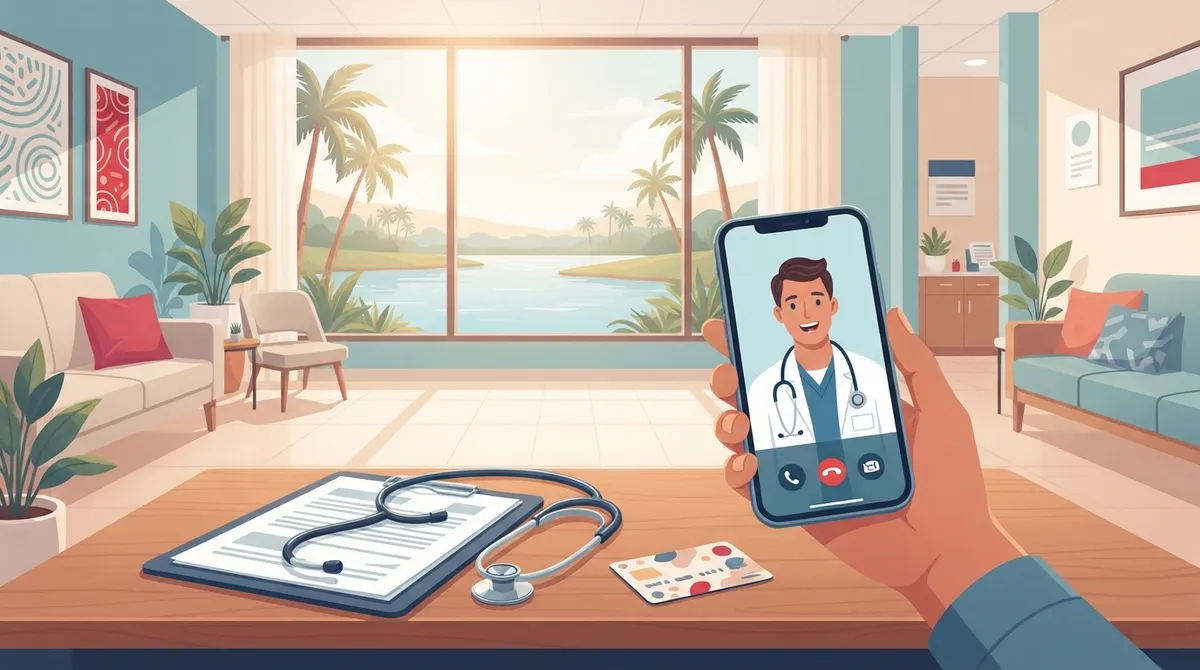
- Would you like virtual visits for simple concerns?
- Are you interested in weight loss or wellness programs?
Your answers will give you a clear checklist. Keep it close as you compare clinics. If you are new to the idea, this guide explains whether you need a primary care provider and why it helps.
Step 2: Understand the Types of Primary Care in Riverview
Riverview offers several care models. Knowing the difference helps you narrow your search quickly.
|
Clinic Type |
Best For |
Things to Confirm |
|---|---|---|
|
Family medicine |
Parents and children in one office |
Pediatric services, vaccine schedules |
|
Internal medicine |
Adults with complex or chronic needs |
Chronic care programs, lab access |
|
Senior-focused practice |
Older adults and Medicare patients |
Plan participation, care coordination |
|
Integrated clinic with labs and telehealth |
Busy people who want convenience |
On-site labs, virtual visit options |
|
Wellness-focused primary care |
Prevention and whole-body optimization |
Advanced testing, weight and hormone care |
Local options include health-system practices, such as BayCare Medical Group offices on Big Bend Road and Rhodine Road, which list adult primary care, acute visits, and chronic disease management. Other practices focus on seniors or offer walk-in care for minor illness. Services and hours change, so verify details directly with each office.
If you are weighing family doctors against internal medicine physicians, this guide to finding the right internal medicine doctor can help you decide.
Step 3: Check Insurance and New Patient Availability
Even the best clinic will not work for you if it does not accept your plan. Check coverage early to avoid surprise bills.
Use this simple process:
- Call the clinic and ask if it accepts your exact insurance plan, not just the insurance company.
- Ask whether the clinic is currently accepting new patients.
- Ask about self-pay rates if you are uninsured or have a high deductible.
- Confirm what a first visit costs and what it includes.
Insurance participation can change during the year. Always confirm before you book. If you are searching for open appointments, read how to find doctors accepting new patients near you.
Step 4: Compare Services, Technology, and Convenience
Services and access are where clinics differ the most. Look closely at what each one offers under one roof. Fewer stops mean less time off work and fewer missed follow-ups.
Services to Look For
- On-site lab work: Faster results and fewer trips. See why in-house lab testing can be better than outside labs.
- Preventive screenings: Early detection saves lives. Learn how to get the most out of your health screening.
- Telehealth: Useful for follow-ups, refills, and simple concerns.
- Urgent or same-day care: Handy when a minor illness hits unexpectedly.
- Weight and metabolic programs: Helpful if weight is part of your health goals.
Questions About Access
Ask how quickly you can get an appointment. Ask about evening or weekend hours. Ask how the clinic handles messages, refills, and test results. A clinic that responds quickly will make your life easier. Many patients also value same-day appointments for fast primary care.
Step 5: Look at Provider Credentials and Communication Style
You will build a long relationship with your provider, so trust matters. Check the basics first, then think about fit.
- Confirm board certification in family medicine or internal medicine.
- Read provider bios to learn their focus areas.
- Notice whether they explain things clearly and listen well.
- Check language access if English is not your first language.
It helps to meet the team before you commit. You can review the clinicians at InCare on the providers page, including Dr. Pramjeet Ahluwalia. Recent patient reviews also praise the friendly staff and the quality of care.
Step 6: Read Reviews and Verify Details
Reviews show what real patients experience. Look for patterns, not single comments. Consistent praise for short waits and caring staff is a good sign. Repeated complaints about billing or communication are a warning.
Check these sources:
- Google reviews and ratings
- The clinic's own testimonials page
- Social media pages for current updates and community feedback
You can visit InCare on Google to see what local patients say. InCare holds a 4.8 out of 5 rating based on 359 Google reviews. You can also follow the clinic on Facebook, Instagram, and TikTok for health tips and updates.
After you read reviews, verify the basics by phone. Confirm the address, hours, insurance, and appointment rules. Clinic listings can be out of date.
Step 7: Know When Primary Care Is the Right Choice
Primary care is the best fit for preventive visits and non-emergency concerns. It is not the right place for every problem. Knowing the difference keeps you safe and saves money.
Choose primary care for:
- Annual exams and wellness visits
- Managing diabetes, blood pressure, or cholesterol
- Prescription refills and medication reviews
- Mild symptoms that are not getting better
Go to the emergency room for severe or life-threatening symptoms, such as chest pain, trouble breathing, stroke signs, or serious injury. If you are unsure, call a clinician or local emergency services for guidance. For help choosing, see how primary care compares to urgent care.
Why Many Riverview Patients Choose InCare
InCare is a personalized clinic that pairs medical expertise with modern technology. It serves patients at 11922 Boyette Rd in Riverview and offers a second location in Tampa, plus virtual visits for added flexibility. You can learn more on the primary care page or read why InCare is a top choice for primary care in Riverview.
What sets InCare apart is its focus on prevention and the whole body. Beyond routine primary care, the clinic offers:
- Cancer screening for early detection
- DNA gene testing for personalized health insights
- Medical weight loss programs backed by technology
- Body composition analysis with 3D imaging
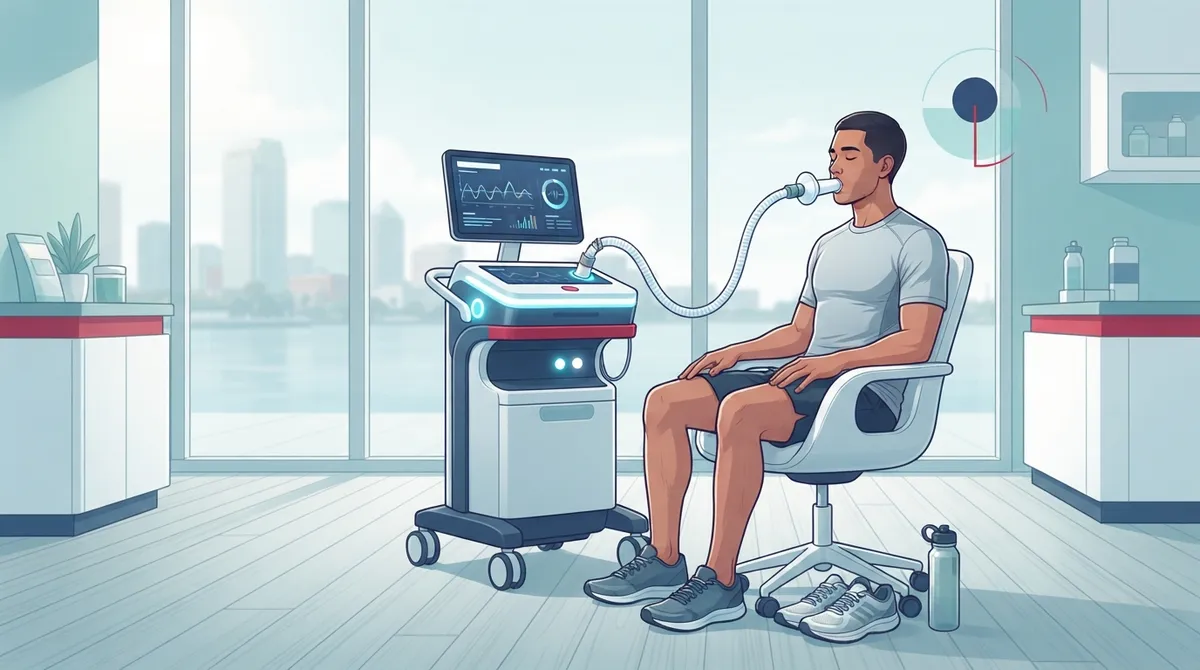
- Metabolic breath analysis to understand your metabolism
- IV hydration and vitamin drips for energy and recovery
- Urgent care for common illness and minor injuries
This range is especially helpful for tech-savvy adults, busy families, and people who want proactive care. You can handle checkups, screenings, and wellness goals in one place. Many patients value this kind of coordinated care over fragmented care.
Step 8: Book Your First Visit and Prepare
Once you pick a clinic, book your first appointment. A little preparation makes the visit far more useful. For details, see what to expect at a new patient appointment.
Follow these steps:
- Schedule your visit by phone or online.
- Gather your insurance card and photo ID.
- List your current medications and supplements.
- Collect past medical records and recent lab results.
- Write down your health goals and questions.
- Note your family health history.
Arrive a few minutes early to complete paperwork. During the visit, be open about symptoms and habits. Clear information helps your provider build the right plan. You can also read what happens during an annual physical exam so you know what to expect.
Common Mistakes to Avoid
Many people choose a clinic in a rush and regret it later. Avoid these common errors:
- Picking a clinic only because it is close, without checking insurance
- Skipping the check on new patient availability
- Ignoring how easy it is to get appointments
- Not asking what is done on-site versus referred out
- Waiting until you are sick to find a provider
For a deeper list, review these mistakes to avoid when choosing a primary care doctor. You can also compare local options on the locations page.
Final Thoughts
Choosing a riverview fl primary care clinic comes down to fit. Define your needs, check insurance, compare services, and read real patient feedback. Then verify the details and book a first visit. Starting care before you are sick gives you the best chance to stay healthy.
If you want a clinic that blends personal attention with advanced tools, InCare is a strong choice for Riverview families and individuals. Ready to take the next step? Book your appointment now, or contact our team with any questions about getting started.
FAQs
Q: How do I find a primary care clinic in Riverview, FL?
A: Start by listing your needs, such as family care, chronic condition support, or wellness services. Then compare clinics by insurance acceptance, services, hours, and patient reviews. Call each office to confirm details before you book.
Q: Can I get same-day or walk-in primary care in Riverview, Florida?
A: Some clinics offer same-day appointments or limited walk-in care for minor illness and injury. Availability varies by clinic and day, so call ahead to confirm hours and eligibility. Clinics with urgent care services often have more flexible options.
Q: Do Riverview primary care clinics offer telehealth appointments?
A: Many do, and virtual visits are useful for follow-ups, refills, and simple concerns. Ask each clinic which conditions it treats by telehealth and how to schedule a virtual visit. InCare offers virtual appointments in addition to in-person care.
Q: What should I bring to my first primary care visit?
A: Bring your insurance card, photo ID, a list of current medications, and any past medical records or lab results. Also write down your health goals and questions. This helps your provider build an accurate, personalized plan.
Q: When should I go to the emergency room instead of a primary care clinic?
A: Go to the emergency room for severe or life-threatening symptoms, such as chest pain, trouble breathing, signs of a stroke, or serious injury. Primary care is best for preventive visits and non-emergency concerns. If you are unsure, call a clinician or local emergency services for guidance.