Key Takeaways
- Low testosterone must be confirmed by symptoms plus two morning blood tests before TRT is started; a single low reading or a quick prescription is not enough.
- TRT is for men with true hypogonadism and symptoms, not a general anti-aging or athletic performance treatment, and FDA limits on age-related use still apply.
- Testosterone can raise blood pressure, so products are not recommended for uncontrolled hypertension and readings should be checked regularly during treatment.
- TRT can lower sperm production and impair fertility; men who may want children should tell their provider before starting treatment.
- Monitoring is part of treatment: follow-up typically includes symptom checks, testosterone levels, blood pressure, blood counts, and prostate assessment when appropriate.
- Choose a Riverview provider with licensed medical oversight, a full evaluation, clear risk discussion, transparent pricing, and a set follow-up schedule, and confirm TRT services directly with the clinic.
Low energy, a flat mood, and a fading drive can make any man wonder what changed. For some, the cause is low testosterone. For many others, it is sleep, stress, weight, or another health issue. That is why testosterone replacement therapy in Riverview should start with a careful medical evaluation, not a quick prescription.
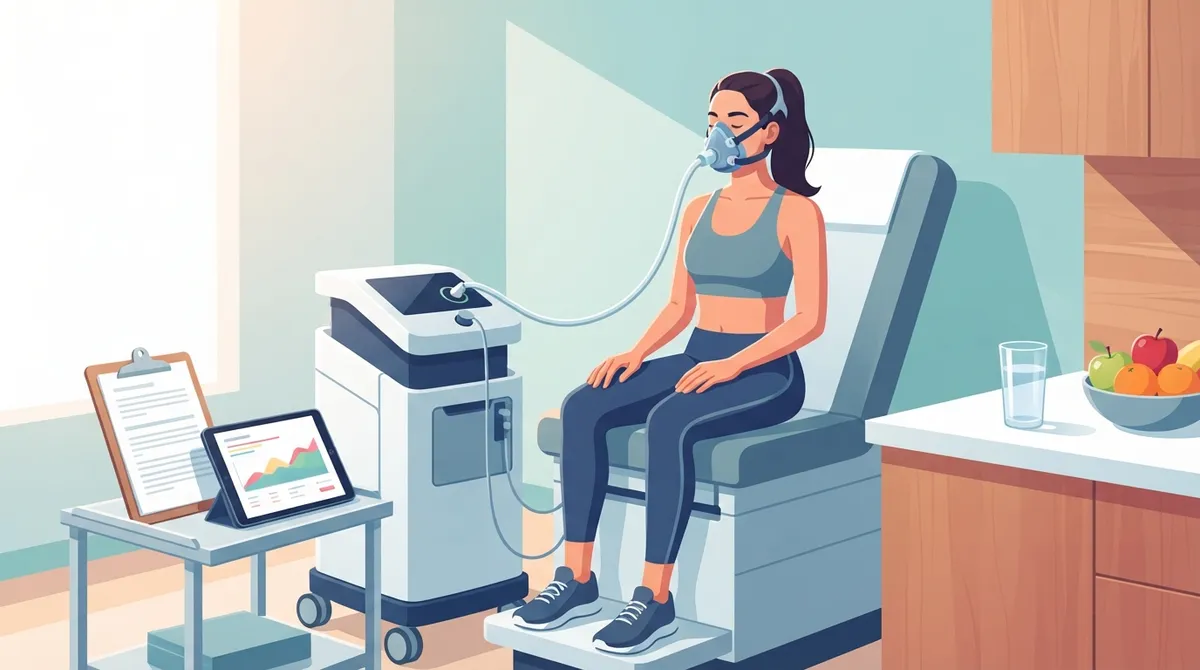
Testosterone replacement therapy, often called TRT, is a prescription treatment for men with symptoms of testosterone deficiency and consistently low blood levels. It is not a general anti-aging shortcut. It works best when a clinician confirms the diagnosis, picks the right form of treatment, and follows you closely over time.
This guide explains how TRT works, who may qualify, what the options are, and what safety rules matter in 2026. It also shows what to look for in a primary care and wellness clinic near Riverview, Florida.

What Is Testosterone Replacement Therapy?
Testosterone is a hormone that supports muscle, bone, red blood cell production, mood, energy, and sexual function. Levels naturally drift lower with age, but only some men develop true deficiency. TRT replaces the hormone with a prescribed form of testosterone to bring levels back into a healthy range.
Doctors treat this condition as a medical diagnosis. It is called hypogonadism when the body does not make enough testosterone. The cause may be the testicles, the pituitary gland, or other health factors such as obesity, diabetes, or certain medicines.
TRT Is Not the Same as Anti-Aging Care
Testosterone therapy is meant for men with symptoms and repeatedly low lab results. It is not meant to treat normal aging alone or to boost athletic performance. The FDA has kept limits on use for age-related hypogonadism, even after its 2025 labeling update.
What Are the Signs of Low Testosterone?
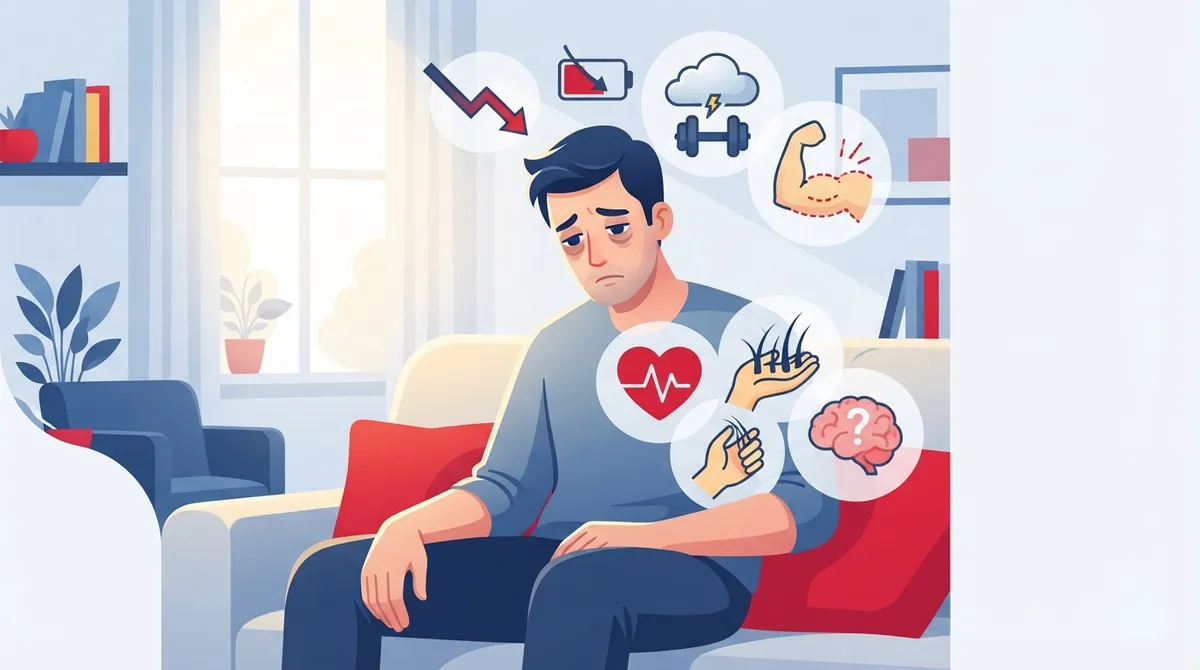
Symptoms can be vague and overlap with other conditions. A single symptom does not prove low testosterone. Common signs include:
- Low sex drive or fewer morning erections
- Erectile difficulties
- Ongoing fatigue and low energy
- Reduced muscle mass or strength
- Increased body fat, especially around the waist
- Low mood, irritability, or poor focus
- Reduced bone density in some cases
Because these signs are so common, a doctor should look at the full picture first. Sleep problems, thyroid issues, depression, and medication effects can all look like low T. If poor rest is part of your story, this guide on how to know when to see a doctor for poor sleep can help you decide on next steps.
How Is Low Testosterone Diagnosed?
A proper diagnosis takes more than one blood draw. Clinicians generally follow these steps:
- Symptom review. Your provider asks about energy, mood, sexual health, sleep, and daily function.
- Medical history and exam. This includes medicines, chronic conditions, weight, and blood pressure.
- Morning blood tests. Testosterone is highest in the morning, so testing is usually done early in the day.
- Repeat testing. A low result is confirmed with a second morning test before treatment decisions are made.
- Cause investigation. Your clinician may check other hormones and look for treatable underlying causes.
This process protects you from treatment you do not need. It also helps your doctor find other problems that may be driving your symptoms.
What TRT Options Are Available?
Several FDA-approved forms of testosterone exist. The right choice depends on your health, your preferences, your budget, and how closely you can follow monitoring. Your clinician will talk through the tradeoffs with you.
|
Form |
How It Is Used |
Key Considerations |
|---|---|---|
|
Topical gel |
Applied to the skin daily |
Convenient, but skin contact can transfer the hormone to others |
|
Injections |
Given at set intervals |
Less frequent dosing, but levels can rise and fall between doses |
|
Other approved formulations |
Varies by product |
Chosen based on clinical factors and monitoring needs |
Testosterone is a prescription medication. It should be managed by a qualified clinician, not purchased from unverified sources.
What Are the Benefits of TRT?
When therapy is matched to a true deficiency, men may notice improvements in several areas. Results vary from person to person, and changes often appear gradually over weeks to months.
- Better sexual desire and function
- Improved energy and sense of vitality
- Gains in lean muscle and strength
- Better mood and motivation for some men
- Support for bone health over time
TRT works best alongside healthy habits. Good sleep, regular exercise, and weight management still matter a great deal. If weight is part of the picture, you may find it useful to read about whether TRT can help with energy and mood in 2026.
What Are the Risks and Safety Rules?
TRT is effective for the right patient, but it carries real risks. A responsible clinic explains these before you start.
Blood Pressure Changes
Testosterone products can raise blood pressure. In February 2025, the FDA announced class-wide labeling changes that address this effect. Testosterone products are not recommended for people with uncontrolled hypertension, and periodic blood pressure checks are advised. The size of the increase varies by product and by person.
Heart Safety Findings
The FDA also reviewed the TRAVERSE trial. In that data, major cardiovascular events occurred in 7.0% of testosterone-treated participants and 7.3% of placebo participants, with a hazard ratio of 0.96 (95% CI 0.78 to 1.17). The FDA removed boxed-warning language about increased cardiovascular outcomes. This does not mean TRT is risk-free. Your personal history still matters, and you should review it with your clinician.
Fertility Effects
Testosterone therapy can lower sperm production and may impair fertility. If you want children now or in the future, tell your provider before treatment begins. Other options may protect fertility better.
Other Possible Effects
- Higher red blood cell counts
- Acne or oily skin
- Sleep apnea worsening in some men
- Breast tenderness or swelling
- Changes that call for prostate monitoring in appropriate patients
If you snore or feel tired despite a full night in bed, ask about screening. Untreated sleep apnea can affect hormones and heart health. You can learn more about how to choose a sleep apnea doctor in Riverview, FL.
Why Follow-Up Matters So Much
Monitoring is part of treatment, not an optional extra. Regular visits let your clinician check how you feel and catch problems early. Follow-up typically includes:
- Symptom check. Are energy, mood, and sexual function improving?
- Testosterone levels. Doses are adjusted to keep levels in a healthy range.
- Blood pressure. Readings are tracked because of the known effect on pressure.
- Blood counts. These show whether red blood cells are rising too much.
- Prostate assessment. This is done when it fits your age and risk profile.
Skipping follow-up is one of the most common errors patients make. For a closer look, read about TRT follow-up mistakes Riverview patients should avoid.
What Should You Look for in a Riverview TRT Provider?
Not every clinic approaches hormone care the same way. Local availability of specific services should always be confirmed directly with the clinic before you book. Use this checklist when comparing options:
- Medical oversight. A licensed clinician should diagnose, prescribe, and monitor.
- Full evaluation first. Look for symptom review, history, and repeat morning labs.
- Whole-health approach. Good care addresses sleep, weight, blood pressure, and chronic conditions too.
- Clear risk talk. Your provider should explain blood pressure, fertility, and monitoring plans.
- Transparent pricing. Ask what visits, labs, and medication cost, and what insurance may cover.
- Ongoing follow-up. A set schedule for labs and visits should be part of the plan.
For a deeper checklist, see what to look for in a TRT clinic in Riverview. You can also explore who provides medically supervised TRT in Tampa Bay to understand what safe supervision looks like.
Why Primary Care Is a Smart Starting Point
Hormone health does not exist alone. Low testosterone often travels with obesity, type 2 diabetes, high blood pressure, and poor sleep. A primary care setting can look at all of these together instead of treating a single number.
That whole-body view is the heart of preventive medicine. It also fits busy adults who want one trusted team for labs, screenings, and treatment. InCare is a personalized primary care and wellness clinic serving Tampa and Riverview, Florida. The team combines modern technology with medical expertise to guide men through evaluation, treatment decisions, and long-term monitoring. Patients can read feedback and see the clinic on Google: Visit us on Google — InCare.
If you are weighing broader wellness steps, such as weight management or metabolic testing, you may also like this guide to highly rated primary care in Riverview, FL. Practical questions about costs are covered in how much TRT costs in 2026.
How to Prepare for Your First Visit
A little preparation makes your appointment more useful. Try these steps:
- Write down your symptoms and when they started.
- List all medicines and supplements you take.
- Note your fertility goals, if you want children.
- Bring recent lab results or a home blood pressure log.
- Plan for an early morning blood draw if labs are needed.
- Prepare questions about cost, insurance, and follow-up.
For a smoother start, review how to get TRT bloodwork the right way. You may also want to understand how long TRT takes to work so your expectations stay realistic.
Take the Next Step Toward Safe, Informed Care
Testosterone replacement therapy can help the right patient feel more like himself again. The key is a real diagnosis, a thoughtful treatment plan, and steady monitoring. If you live near Riverview and suspect low testosterone, start with a conversation instead of a guess.
Ready to talk with a care team that looks at your whole health? Book Now to schedule a visit, or contact InCare with your questions. You can also follow the clinic for health updates on Instagram, Facebook, and TikTok.
FAQs
Q: Where can I get testosterone replacement therapy in Riverview, Florida?
A: TRT is available through licensed clinicians at primary care and wellness practices in and around Riverview. Because services and offerings change, confirm directly with any clinic that they provide TRT, and verify the provider's credentials before scheduling.
Q: How do I know if I have low testosterone, and what tests are needed?
A: Diagnosis starts with a symptom review and medical history, followed by blood tests drawn in the morning. Your clinician usually repeats the test to confirm consistently low levels and may check for underlying causes before recommending treatment.
Q: Can testosterone therapy affect fertility or sperm count?
A: Yes. Testosterone therapy can suppress sperm production and may impair fertility. If you may want children, discuss your goals and alternative options with a clinician before starting treatment.
Q: Is testosterone therapy safe if I have high blood pressure or heart disease?
A: Testosterone can raise blood pressure, and FDA labeling does not recommend these products for people with uncontrolled hypertension. Your clinician should review your cardiovascular history, monitor blood pressure regularly, and weigh the individual risks and benefits with you.
Q: How often do I need blood tests and follow-up visits while on testosterone?
A: Follow-up schedules are individualized, but monitoring typically includes symptom review, testosterone levels, blood pressure, and blood counts, with prostate assessment when appropriate. Your clinician will set the timing based on your treatment form and health profile.