

Key Takeaways
- Most respiratory infections are viral, so antibiotics usually won't help; they are only appropriate when a clinician suspects or confirms a bacterial infection like strep throat or bacterial pneumonia.
- Antiviral medications for influenza or COVID-19 are time-sensitive and work best when started early, so call a clinician promptly if you are in a higher-risk group.
- Seek urgent care right away for severe trouble breathing, persistent chest pain, new confusion, bluish lips or skin, or signs of dehydration like very little urine and dizziness.
- Symptoms of cold, flu, COVID-19, and RSV overlap heavily, so testing is most useful when the result would change treatment or protect vulnerable people at home or work.
- Higher-risk groups include older adults, infants and young children, pregnant people, immunocompromised individuals, and those with asthma, COPD, diabetes, or heart disease.
- Prevention combines staying up to date on flu, COVID-19, and RSV vaccines, frequent hand washing, good ventilation, covering coughs, and staying home while acutely ill.
It starts with a scratchy throat or a nagging cough. A day later, you feel achy, tired, and stuffed up. Is it a cold, the flu, COVID-19, or something else? For busy professionals, parents, and wellness-minded adults across Tampa and Riverview, a respiratory infection can disrupt work, family life, and sleep. The harder question is often not what you have, but what to do about it.
A respiratory infection is a broad term. It covers illnesses of the upper airways, such as the nose, sinuses, and throat, and the lower airways, such as the bronchi and lungs. Most are caused by viruses. A smaller share are caused by bacteria. The right next step depends on your symptoms, your health history, and how fast things are changing.
This guide explains the common causes, how clinicians assess symptoms, when testing helps, and when antibiotics and antivirals make sense. You will also learn the warning signs that call for urgent care, and how a primary care team like InCare can help you recover and prevent the next one.
What Is a Respiratory Infection?
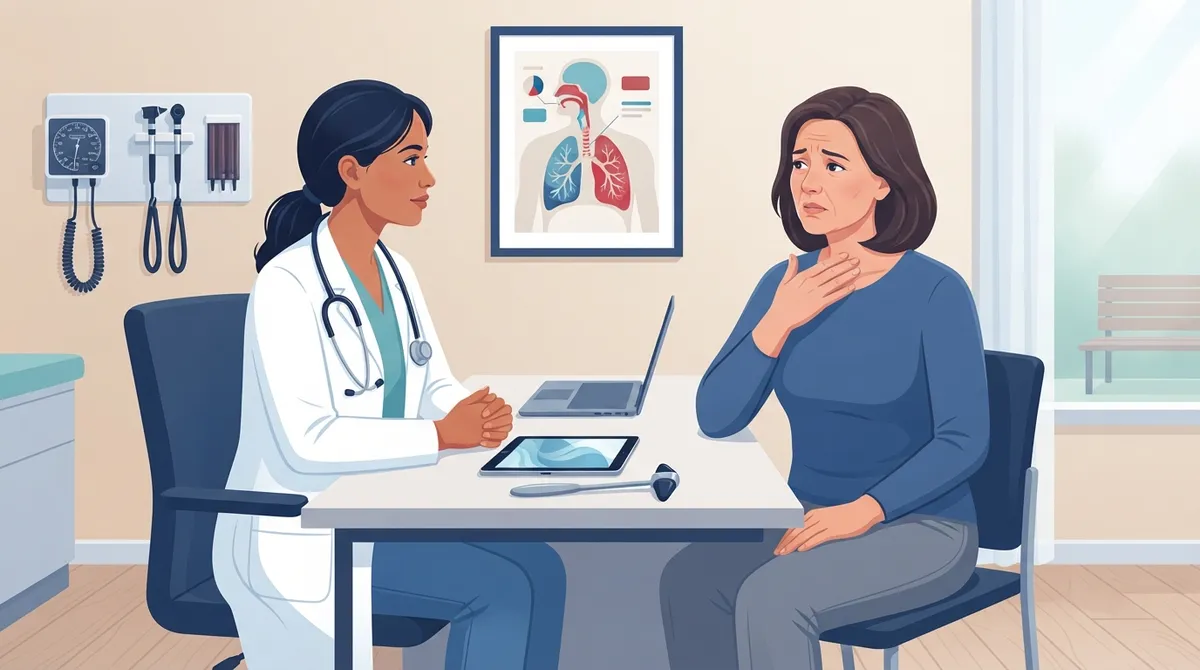
A respiratory infection is an illness that affects the breathing passages. Doctors group these illnesses by where they occur.
- Upper respiratory infections: These affect the nose, sinuses, and throat. Common examples include the common cold, sinus infections, and sore throats.
- Lower respiratory infections: These affect the bronchi and lungs. Examples include bronchitis and pneumonia. They are often more serious.
Most respiratory infections are viral. Common culprits include rhinoviruses, influenza, SARS-CoV-2 (the virus that causes COVID-19), respiratory syncytial virus (RSV), and human metapneumovirus. Bacteria cause fewer cases, but they can lead to problems such as strep throat or bacterial pneumonia.
Common Symptoms to Watch For
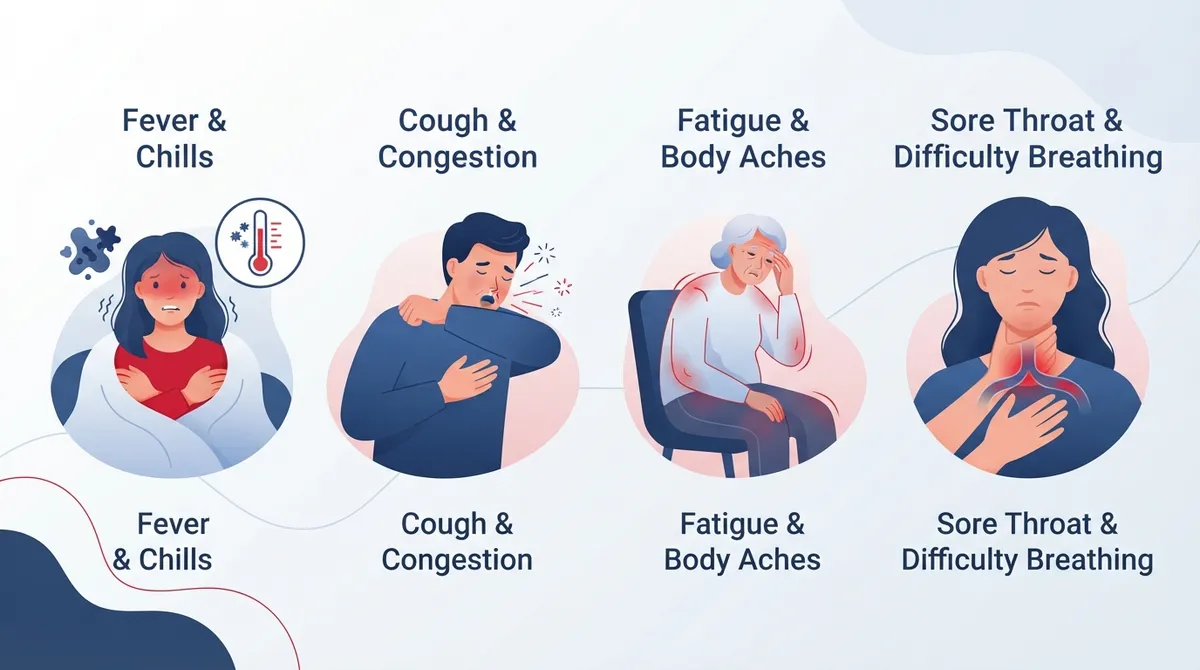
Many respiratory infections look alike at first. Symptoms often include:
- Cough
- Sore throat
- Nasal congestion or runny nose
- Fever or chills
- Fatigue
- Body aches
Because symptoms overlap, you usually cannot tell the cause by how you feel. Flu, COVID-19, RSV, and a cold can all produce the same complaints. That is why a clinician looks at the full picture, not just one symptom.
Cold, Flu, COVID-19, or RSV: How Do They Compare?
The table below offers a general overview. It is not a diagnosis. Only a clinician, sometimes with testing, can tell you what you have.
|
Illness |
Typical Onset |
Common Features |
Higher-Risk Groups |
|---|---|---|---|
|
Common cold |
Gradual |
Runny nose, sore throat, mild cough |
Rarely severe; can worsen asthma |
|
Influenza |
Often sudden |
Fever, body aches, fatigue, cough |
Older adults, young children, pregnant people |
|
COVID-19 |
Variable |
Cough, fatigue, fever, congestion; symptoms vary |
Older adults, immunocompromised, chronic conditions |
|
RSV |
Gradual |
Cough, congestion, wheezing in some cases |
Infants, older adults, chronic heart or lung disease |
Why These Infections Matter: The Data
Respiratory viruses place a real burden on the country each year. The CDC estimated that from October 2024 through May 2025, RSV was linked to 3.6 to 6.5 million outpatient visits, 190,000 to 350,000 hospitalizations, and 10,000 to 23,000 deaths in the United States.
COVID-19 also remains significant. For July 2024 through June 2025, the CDC estimated 290,000 to 450,000 hospitalizations and 34,000 to 53,000 deaths. Among recorded RSV-associated deaths in that period, 82.1 percent (552 of 672) occurred in adults aged 65 and older.
These numbers show why risk matters. A respiratory infection that is a nuisance for one person can be dangerous for another.
How Primary Care Assesses a Respiratory Infection
When you see a primary care clinician, the goal is to match your care to your risk. A visit typically looks at several factors.
- Symptom duration and severity: How long you have been sick, and whether you are getting better or worse.
- Vital signs: Temperature, heart rate, blood pressure, and oxygen level.
- Medical history: Asthma, COPD, diabetes, heart disease, and other conditions that raise risk.
- Age and life stage: Infants, older adults, and pregnant people may need earlier attention.
- Immune status: Cancer treatment, organ transplant, or immune-lowering medications change the plan.
Not every illness needs a test or an X-ray. Many uncomplicated infections are managed based on your symptoms and exam alone. A good clinician avoids unnecessary tests while staying alert to danger signs.
When Does Testing Help?
Testing for flu, COVID-19, or other pathogens is most useful when the result changes what happens next. A test may help if:
- You are at higher risk of severe illness and may qualify for antiviral treatment.
- You live with or care for someone who is vulnerable.
- Your symptoms are unusual or getting worse.
- A result would guide infection-control decisions at work or home.
Rapid tests can give answers in a short visit. At InCare urgent care, patients can be evaluated for common illnesses like flu and infections without a long wait. Timing matters, because some treatments work best when started early.
Do You Need Antibiotics?
This is one of the most common questions. The answer is usually no. Antibiotics do not treat viruses. Taking them for a viral illness will not help you feel better faster. It can also cause side effects and contribute to antimicrobial resistance, which makes future infections harder to treat.
Antibiotics make sense only when a clinician suspects or confirms a bacterial infection. Examples include strep throat or bacterial pneumonia. If you are curious about one common bacterial cause, see this guide on how to get effective strep throat treatment fast.
What Treatments Help a Viral Respiratory Infection?
For most viral infections, supportive care is the foundation. Your body clears the virus on its own, and your job is to rest and stay comfortable.
Supportive Care at Home
- Rest as much as you can.
- Drink plenty of fluids to stay hydrated.
- Use symptom relief that is appropriate for your age and health. Ask a clinician or pharmacist if you take other medications or have chronic conditions.
- Stay home while you are acutely ill to protect others.
If you struggle to keep fluids down, hydration support may help. Some patients explore IV hydration and vitamin drips as part of recovery, but a clinician should first confirm that it is appropriate for your situation.
Time-Sensitive Antivirals
Antiviral medicines may be appropriate for some patients with influenza or COVID-19. They are most often considered for people at higher risk of severe illness. These treatments work best when started early, so do not wait several days to call. Eligibility depends on the infection, your timing, your health history, and current guidance.
Who Is at Higher Risk of Complications?
Some people are more likely to become seriously ill. Higher-risk groups include:
- Older adults
- Young children and infants
- Pregnant people
- People with weakened immune systems
- People with chronic conditions such as asthma, COPD, diabetes, or heart disease
If you have a lung condition, regular care matters. Learn more about COPD treatment options in primary care or how spirometry testing can track lung health over time. A primary care relationship also helps you review vaccines and plan ahead before the next respiratory season.
Warning Signs: When to Seek Urgent Care
Most respiratory infections improve at home. Some do not. Seek urgent medical care right away if you or a loved one has:
- Severe trouble breathing or shortness of breath
- Persistent chest pain or pressure
- New confusion or difficulty staying awake
- Bluish or gray lips or skin
- Signs of dehydration, such as very little urine, dizziness, or a dry mouth
Infants, older adults, and people with chronic illness should seek advice earlier, especially if symptoms worsen or fail to improve. When in doubt, call. It is better to ask than to wait. For help deciding where to go, read 7 urgent care mistakes that could cost you your health.
How Long Are You Contagious?
Contagious periods vary by illness. In general, you are most likely to spread a respiratory infection while you have symptoms, especially in the first days. Staying home while acutely ill is a simple, effective step. Current return-to-work and return-to-school guidance can differ, so ask your clinician about your specific illness and symptoms.
How to Prevent Respiratory Infections
You cannot avoid every infection, but you can lower your risk. Prevention is a core part of primary care.
- Stay up to date on recommended vaccines for flu, COVID-19, and RSV where appropriate for your age and health.
- Practice good hand hygiene with soap and water or sanitizer.
- Improve indoor air by opening windows or using good ventilation and filtration.
- Cover your coughs and sneezes.
- Stay away from others when you are sick.
- Support daily health with sleep, movement, and balanced nutrition.
CDC surveillance tracks many viruses at once, including SARS-CoV-2, influenza, RSV, human metapneumovirus, rhinoviruses, and parainfluenza viruses. That variety is one reason prevention works best as a combined habit, not a single fix.
Why a Primary Care Relationship Makes a Difference
When you already have a trusted clinician, sick visits go faster and feel less stressful. Your provider knows your history, your medications, and your risks. That context helps them choose the right test, treatment, and follow-up.
InCare combines state-of-the-art technology with personalized, whole-body care at its Tampa and Riverview locations. Patients can access primary care for prevention and ongoing health, plus urgent care when illness strikes. You can meet the team on the providers page and find your nearest clinic on the locations page.
Families benefit too. If you are juggling kids, work, and a busy calendar, learn how same day appointments can help you get care fast. Patients also share their experiences on Google — see what our InCare patients say, and you can follow wellness updates on Instagram, Facebook, and TikTok.
Take the Next Step
A respiratory infection does not have to derail your week. Know the common causes, understand when testing and treatment help, and watch for the warning signs that need urgent attention. Most important, do not wait if you are in a higher-risk group or if symptoms are getting worse.
If you are feeling unwell or want a plan to stay healthy this season, the InCare team is ready to help. Book Now to see a clinician in Tampa or Riverview, or contact our team with questions about care that fits your life.
FAQs
Q: What are the most common causes of respiratory infections?
A: Most respiratory infections are caused by viruses, including rhinoviruses, influenza, SARS-CoV-2, RSV, and human metapneumovirus. Bacteria cause fewer cases but can lead to conditions such as strep throat or bacterial pneumonia. A clinician can help determine the likely cause based on your symptoms and history.
Q: Do I need antibiotics for a respiratory infection?
A: Usually, no. Antibiotics do not treat viruses, and unnecessary use can cause side effects and contribute to antimicrobial resistance. They are appropriate only when a bacterial infection is suspected or confirmed by a clinician.
Q: When should I see a primary care clinician for a respiratory infection?
A: Contact a clinician promptly if you are in a higher-risk group, if symptoms are severe, or if they worsen or fail to improve. Early evaluation matters because antivirals for influenza or COVID-19 are time-sensitive. Seek urgent care right away for severe trouble breathing, chest pain, confusion, or bluish lips.
Q: How can I tell whether it is a cold, flu, COVID-19, or RSV?
A: Symptoms overlap across these illnesses, so it is difficult to know the cause by symptoms alone. Testing can help when the result would change treatment or protect people at higher risk. A clinician will consider your symptoms, timing, and health history to guide the next step.
Q: Which people are at higher risk of complications?
A: Older adults, young children, pregnant people, immunocompromised individuals, and those with chronic conditions such as asthma, COPD, diabetes, or heart disease face higher risk. Primary care can review your individual risk, discuss vaccines, and arrange follow-up if symptoms change.


