Key Takeaways
- Spirometry testing takes only 10 minutes and can be performed during annual wellness visits at primary care clinics, avoiding hospital wait times and allowing immediate results without separate appointments.
- Early detection of undiagnosed lung disease is critical—65 million people worldwide have moderate to severe COPD unaware, and spirometry can catch asthma and COPD early to slow progression and improve quality of life.
- Office-based spirometry is significantly more affordable than hospital-based testing, costing $5-$10 per test for patients, making it accessible for routine monitoring of chronic conditions every 1-2 years.
- Spirometry results directly guide personalized treatment decisions, helping doctors adjust medications, refer specialists, or avoid unnecessary procedures based on objective FEV1 and FVC measurements.
- In-office spirometry is ideal for rural and underserved patients, occupational health screenings, and those over 40 seeking baseline lung function data, as it provides non-invasive testing with trained staff using certified equipment.
- Prepare for spirometry by avoiding smoking 4+ hours beforehand, skipping bronchodilator inhalers unless instructed, wearing loose clothing, and staying well-hydrated for optimal accurate test results.
If you have ever wondered whether your lungs are working as well as they should, you are not alone. Millions of people live with undiagnosed breathing problems every day. Spirometry testing is one of the simplest and most effective ways to check your lung health. When you search for spirometry testing near me, you deserve to find a clinic that offers fast, accurate, and personalized care. This article explains why spirometry matters, what to expect, and why a primary care and wellness clinic is the best place to get tested.
At InCare's primary care services, spirometry is part of a broader approach to whole-body health. Early detection saves lives, and lung function testing is a key piece of the prevention puzzle. Read on to discover 11 compelling reasons to schedule this simple, non-invasive test today.

What Is Spirometry Testing?
Spirometry is a breathing test that measures how much air your lungs can hold and how fast you can exhale. It is the gold standard for diagnosing conditions like asthma and chronic obstructive pulmonary disease (COPD). The test is quick, painless, and highly informative.
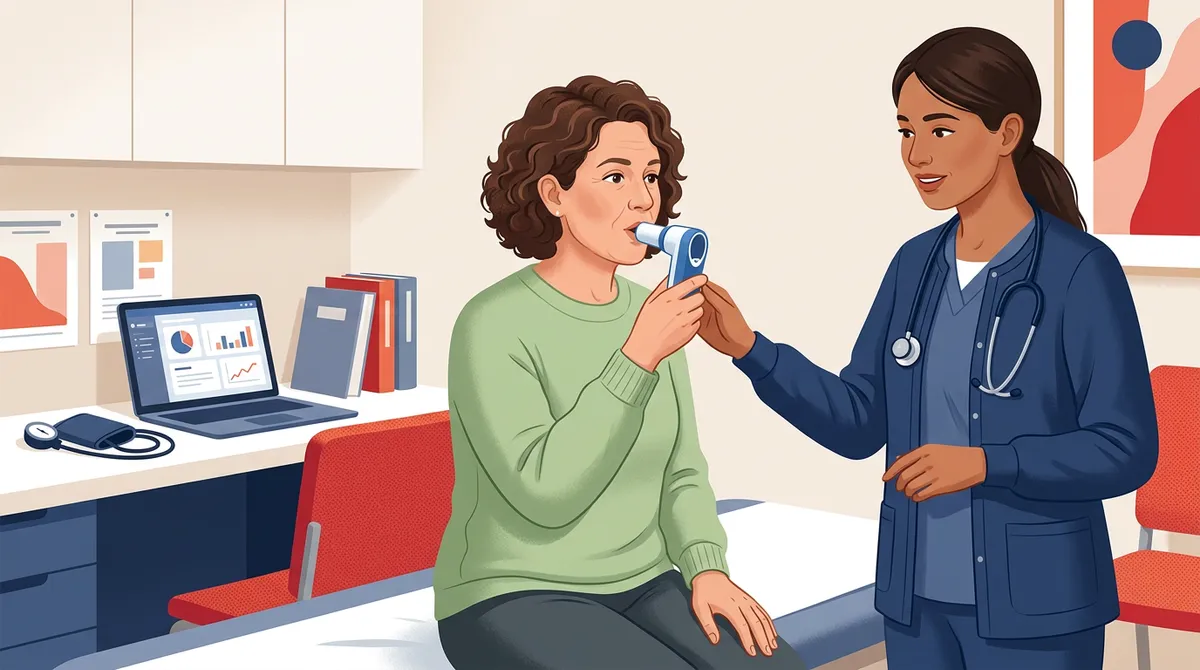
During the test, you breathe into a handheld device called a spirometer. A trained provider coaches you to exhale as hard and as fast as possible. The device records two key measurements: FEV1 (the amount exhaled in the first second) and FVC (total forced vital capacity). These numbers tell your doctor a great deal about your lung health.
Measurement What It Means Why It Matters FEV1 Air exhaled in 1 second Detects airway obstruction FVC Total air exhaled forcefully Measures lung capacity FEV1/FVC Ratio Proportion of air exhaled quickly Classifies lung disease severity PEF Peak expiratory flow rate Monitors asthma control

11 Reasons to Get Spirometry Testing at a Primary Care Clinic
1. Fast Results Without Hospital Waits
Searching for spirometry testing near me often leads people to consider hospital-based labs. But office-based spirometry at a primary care clinic avoids long wait times. You can get tested and receive results during a single visit. This is especially helpful for busy professionals and young families managing tight schedules.
2. Early Detection of COPD
An estimated 65 million people worldwide have moderate to severe COPD. Many are undiagnosed. Spirometry is the recommended diagnostic tool for COPD per global respiratory guidelines. Catching it early means you can slow progression and improve your quality of life significantly.
3. Accurate Asthma Diagnosis
Asthma symptoms like wheezing and shortness of breath can mimic other conditions. Spirometry provides objective data to confirm or rule out asthma. Studies show that approximately 5,000 people visit U.S. emergency rooms annually for asthma-related symptoms, many of which could be better managed with proper early diagnosis through lung function testing.
4. Convenient Annual Wellness Integration
Spirometry can be performed during your annual wellness visit. This makes it easy to track lung health over time without booking a separate appointment. InCare integrates lung function screening into comprehensive wellness evaluations. Pair it with body composition analysis and metabolic breath analysis for a full picture of your health.
5. Personalized Treatment Planning
Spirometry results directly influence how providers manage your care. If results show obstruction or restriction, your doctor can adjust medications or refer you to a specialist. Research confirms that primary care spirometry modifies treatment plans effectively, helping patients avoid unnecessary medications or procedures.
6. Monitoring Chronic Conditions Over Time
For patients already diagnosed with asthma or COPD, spirometry should be repeated every one to two years. Regular testing shows whether your condition is stable, improving, or worsening. This gives your care team the data needed to make smart, timely adjustments to your treatment plan.
Condition Recommended Frequency Purpose Asthma Every 1–2 years Monitor control and adjust therapy COPD Every 1–2 years or as needed Track disease progression Post-treatment After treatment changes Assess treatment response Occupational screening Annually Detect work-related lung damage
7. Occupational Health and Wellness Screenings
Some professions expose workers to dust, chemicals, or fumes that damage lung tissue over time. Spirometry is widely used in occupational health programs to detect early lung damage. If you work in a high-exposure environment, routine lung function testing through your primary care provider is a smart preventive step.
8. Support for Rural and Underserved Patients
Access to specialist care can be limited in rural areas. Office-based spirometry brings diagnostic capability directly to primary care settings. Research shows that U.S. family physicians achieve spirometry results comparable to international standards. This means you do not need to travel far to get accurate, reliable lung function testing.
9. Non-Invasive and Patient-Friendly
Many patients are surprised by how easy the test is. There are no needles, injections, or recovery periods. The entire test takes about 10 minutes. You sit comfortably, wear a nose clip, and breathe into the device a few times. A trained technician guides you through each breath for optimal accuracy.
Follow these steps to prepare for your spirometry test:
- Avoid smoking for at least four hours before the test
- Do not use bronchodilator inhalers unless instructed by your doctor
- Wear loose, comfortable clothing that does not restrict breathing
- Avoid large meals right before the appointment
- Arrive rested and well-hydrated
10. Affordable In-Office Testing
Office-based spirometry is cost-effective for both clinics and patients. Equipment typically costs between $2,000 and $4,000, and consumables run just $5 to $10 per test. This means clinics can offer testing affordably without sacrificing quality. As a patient, you benefit from lower out-of-pocket costs compared to hospital-based pulmonary function labs.
11. Trusted, Accredited Equipment and Training
Quality spirometry requires high-grade equipment and properly trained staff. Primary care clinics that invest in certified spirometers and ongoing quality assurance deliver results you can trust. Look for a provider who follows established clinical guidelines and has trained personnel performing and interpreting your test.

Who Should Get Spirometry Testing?
Not everyone needs a spirometry test, but many people would benefit from one. Consider getting tested if any of the following apply to you:
- You experience frequent shortness of breath or wheezing
- You have a persistent cough that does not go away
- You are a current or former smoker
- You have a family history of asthma or COPD
- You work in an environment with dust, chemicals, or fumes
- You have been diagnosed with asthma or COPD and need monitoring
Lung function naturally declines with age, so adults over 40 may benefit from baseline testing even without symptoms. If you are proactively managing your health, spirometry is a valuable data point. Explore other preventive options like cancer screening and DNA gene testing to build a complete wellness profile.

What to Expect at Your Appointment
Your spirometry appointment is straightforward and stress-free. Here is a step-by-step breakdown of what happens:
- Check-in and health history review — Your provider reviews your symptoms, medications, and health background
- Equipment setup — A technician prepares the spirometer and fits you with a mouthpiece and nose clip
- Test performance — You take a deep breath and exhale as hard and fast as possible into the device, repeated 2–3 times
- Result interpretation — Your provider reviews the data and compares it to normal values for your age, height, and sex
- Care plan discussion — Based on results, your provider discusses next steps, whether that is monitoring, medication, or specialist referral
Spirometry vs. Other Lung Tests
Test Type What It Measures Setting Invasiveness Spirometry Airflow and lung volume Primary care / clinic Non-invasive Peak Flow Meter Maximum exhalation speed Home / clinic Non-invasive Full PFT (Pulmonary Function Test) Complete lung function Hospital lab Non-invasive but longer Chest X-Ray Structural abnormalities Hospital / radiology Low radiation exposure
Spirometry stands out as the most practical first-line test. It delivers actionable clinical data quickly and affordably, making it the ideal starting point for anyone concerned about their lung health. For context on advanced diagnostics available at InCare, visit the providers page to learn about the team's clinical expertise.
Choosing the Right Clinic for Spirometry Testing Near You
When searching for spirometry testing near me, you want a provider who offers more than just a test. Look for a clinic that:
- Uses certified, calibrated spirometry equipment
- Has trained clinical staff to coach and interpret results accurately
- Integrates testing into a broader wellness or chronic care plan
- Offers convenient appointment scheduling, including same-day or telemedicine options
- Provides clear, follow-up guidance based on your results
InCare's urgent care and primary care teams in Tampa and Riverview, Florida, are equipped to perform spirometry as part of comprehensive care. With convenient locations and telemedicine options, getting your lung health assessed has never been easier. Learn more about the practice's patient-first philosophy on the About Us page, or visit our Google Business Profile to read reviews from patients who have experienced the quality of care firsthand.
Stay connected with InCare's latest health tips and updates by following along on Facebook, Instagram, and TikTok for engaging wellness content.
Final Thoughts
Spirometry testing is one of the most valuable, underutilized tools in preventive healthcare. It takes only 10 minutes and can reveal critical information about your lung function. Whether you are managing a chronic condition, monitoring occupational exposure, or simply being proactive about your health, this simple test delivers powerful insights.
Do not wait until symptoms become severe. Lung disease is far easier to manage when caught early. If you are ready to take control of your respiratory health, the team at InCare is here to help. Our physicians, including Dr. Naveen Paddu, Dr. Pramjeet Ahluwalia, and Dr. Teshy John, bring deep expertise and a personalized approach to every visit.
Take the first step toward healthier lungs today. Schedule your spirometry appointment now and experience the difference that proactive, technology-driven primary care can make for your overall well-being.
FAQs
Q: What is spirometry testing and how is it performed?
A: Spirometry is a non-invasive lung function test that measures how much air you can exhale and how fast. During the test, you breathe forcefully into a mouthpiece connected to a spirometer while a trained technician coaches you for optimal effort. Results are available immediately and help your provider assess lung health or diagnose conditions like asthma and COPD.
Q: How do I find spirometry testing near me in a primary care setting?
A: Many primary care clinics now offer in-office spirometry, which eliminates the need for hospital-based pulmonary labs. Look for a clinic with certified equipment, trained personnel, and the ability to integrate results into your ongoing care plan. InCare offers spirometry at its Tampa and Riverview, Florida locations as part of comprehensive primary care services.
Q: How often should I get spirometry testing if I have asthma or COPD?
A: Clinical guidelines recommend spirometry every one to two years for patients with asthma or COPD to monitor disease progression and treatment effectiveness. Your provider may recommend more frequent testing if your condition changes or if you begin a new treatment plan. Regular monitoring helps prevent complications and allows for timely care adjustments.
Q: Is spirometry testing covered by health insurance?
A: Spirometry is often covered by health insurance when ordered for diagnostic purposes, particularly for conditions like asthma or COPD. Coverage varies depending on your plan, so it is advisable to contact your insurance provider before your appointment. Many primary care clinics can assist you in verifying coverage ahead of your visit.
Q: Can spirometry be done as part of a routine wellness visit?
A: Yes, spirometry can be incorporated into an annual wellness exam, especially for patients with risk factors such as smoking history, chronic cough, or occupational exposure. Including it in a preventive visit allows your provider to establish a baseline and track lung health over time. This proactive approach aligns with whole-body wellness strategies offered at personalized primary care clinics.