Key Takeaways
- In most U.S. states, you need an evaluation and certification from a clinician authorized under that state's medical cannabis program; you cannot self-certify.
- The certifying clinician is not always a physician; some states also allow nurse practitioners, physician assistants, or other licensed practitioners to certify patients.
- A medical cannabis certification is generally not an ordinary prescription, and a state card does not make cannabis legal under federal law, so workplace and housing rules may still apply.
- Rules vary widely: Florida requires an in-person exam for initial certification, while some states allow telehealth, so verify your state's requirements before booking.
- Before booking, confirm the clinician is authorized under your state's program, and ask whether an in-person exam, specific records, and renewal support are needed.
- A primary care clinician who knows your full medical history and medications can screen for interaction and safety risks before certifying you.
Many adults hear about medical cannabis and wonder where to begin. A common first question is simple: do I need a doctor for a medical marijuana card? In most U.S. states, the short answer is yes, but the full answer is more detailed. State law decides who can certify you, what conditions qualify, and what steps follow.
If you live in Tampa Bay or the Riverview area, you may also wonder if your regular primary care team can help. A clinician who knows your health history is often the best starting point. This guide explains how the process works in 2026, who can certify patients, what to expect at a visit, and how to protect your health along the way.
Do I Need a Doctor for a Medical Marijuana Card?
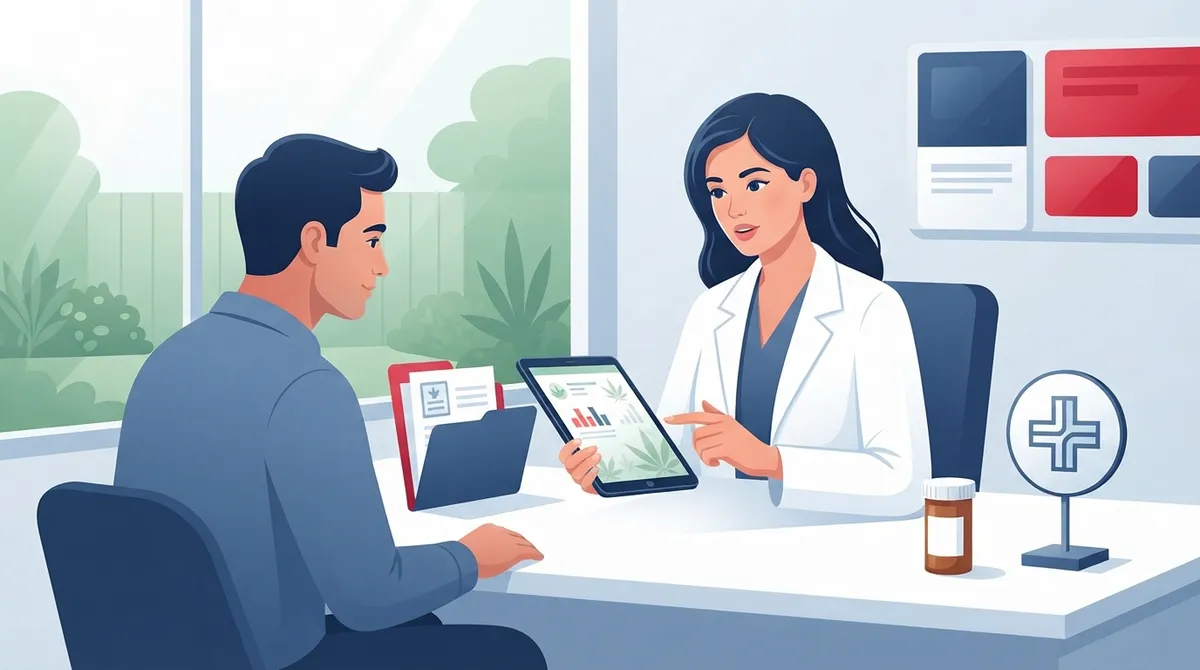
In most state medical cannabis programs, you need an evaluation and a certification or recommendation from a clinician who is authorized under that state's rules. You cannot self-certify. A state agency issues the card or registry approval, but it relies on a qualified clinician first.
The key detail is that the clinician does not always have to be a physician. Some states also allow nurse practitioners, physician assistants, or other licensed practitioners to certify patients. So the better question is often, "Who is allowed to certify me in my state?"
Here is the quick answer for featured snippets:
- Most states require a certification from an authorized clinician.
- That clinician may be a doctor, and in some states a nurse practitioner or physician assistant.
- You may then need to register with the state to get your card.
- Rules vary by state, so always check your state program first.
Why State Law Matters So Much
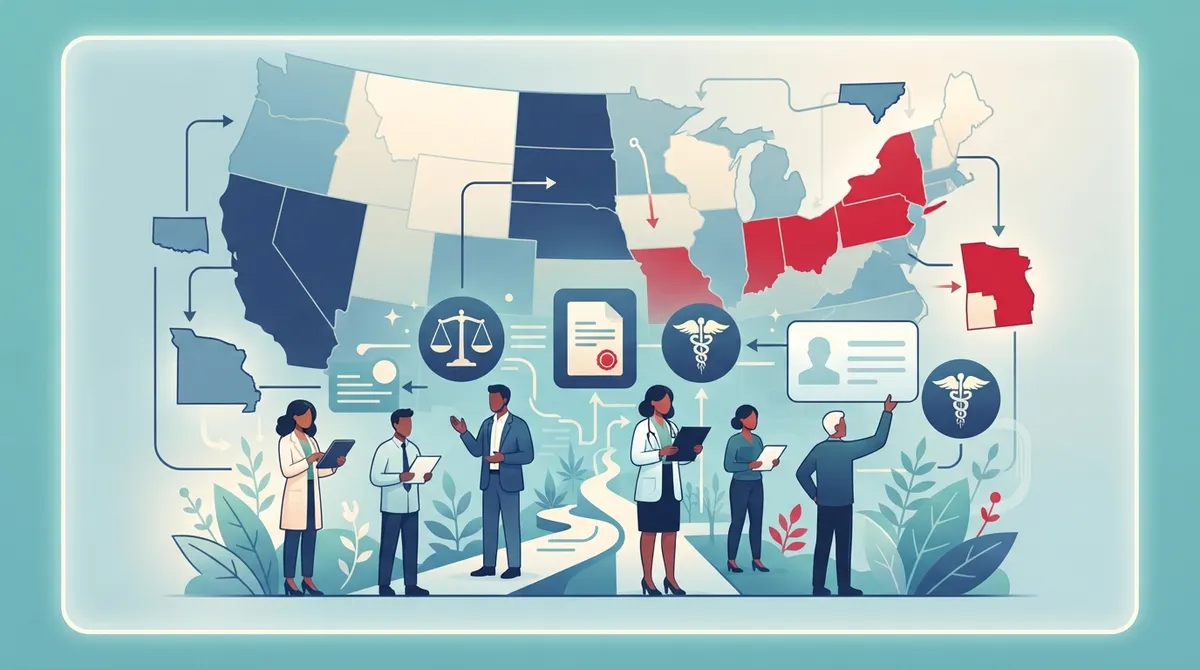
There is no single national rule. Medical cannabis programs run under state law, so the details change from place to place. Qualifying conditions, age limits, residency rules, fees, and renewal schedules are not the same everywhere.
Some states also require the certifying clinician to be registered with the state program. Others require special training or a review of your medical records. For example, Florida requires a qualified physician to complete a two-hour course and exam, and an initial certification requires an in-person physical examination. New York requires participating practitioners to complete an approved course of at least two hours.
Iowa shows another type of rule. Its health department guidance says the practitioner certification form must be signed within the preceding 60 days for the state program. These examples show why you should confirm current requirements before you book.
Is a Medical Marijuana Card the Same as a Prescription?
No. A medical cannabis certification is generally different from an ordinary prescription. The clinician certifies or recommends that you may be eligible under state law. You may then register with the state and obtain a card.
The exact steps and terms vary by state. Some programs call it a certification, others a recommendation, and others an approval. What matters is that your clinician follows your state's process correctly.
It is also important to know that a state card does not make cannabis legal under federal law. State authorization may not allow use in every setting. Workplace rules, housing rules, travel limits, and other restrictions may still apply.
Who Can Certify You for Medical Cannabis?
The type of clinician who can certify you depends on your state. The table below shows the common patterns you may see across programs.
|
Clinician Type |
May Certify? |
Notes |
|---|---|---|
|
Physician (MD or DO) |
Yes, in most states |
May need state registration or a training course |
|
Nurse practitioner |
In some states |
Depends on state scope-of-practice and program rules |
|
Physician assistant |
In some states |
Often needs program approval |
|
Other licensed practitioner |
In a few states |
Varies widely by state |
Because these rules differ, never assume a clinician can certify you just because they are licensed. Ask whether they are authorized under your state's program. A reputable clinic will tell you right away. If you are weighing options in Tampa, our guide to 8 signs of a reputable medical marijuana clinic in Tampa can help you ask the right questions.
Should You Start With Your Primary Care Doctor?
A primary care clinician can be a smart starting point. Cannabis can cause side effects, and it can interact with other medicines. A clinician who knows your full history can spot risks that a quick visit might miss.
Your primary care team can do several useful things:
- Review your diagnosis, medications, and health history.
- Talk through possible benefits and risks.
- Discuss your treatment goals and other options.
- Tell you if they are authorized to certify in your state.
- Refer you to an eligible clinician if they cannot certify you.
This is where a connected care model helps. At InCare, we focus on whole-body, preventive care. That means your cannabis question is not handled in isolation. It sits alongside your blood pressure, your sleep, your medicines, and your wellness goals. If you want to learn how that process looks locally, read how MMJ certification in Tampa works in 2026.
What Happens During a Medical Cannabis Evaluation?
A medical cannabis evaluation is a focused health visit. It is not a quick signature. The clinician needs to confirm that you meet your state's rules and that cannabis is a reasonable option for you.
Here is what the process usually looks like:
- Confirm eligibility. The clinician checks your age, residency, and identification.
- Review your history. You discuss your diagnosis, symptoms, past treatments, and current medicines.
- Complete an exam if required. Some states, including Florida for an initial certification, require an in-person physical exam.
- Discuss risks and benefits. The clinician explains possible side effects and drug interactions.
- Receive certification if appropriate. If you qualify, the clinician enters your certification as your state requires.
- Register with the state. You may need to apply for the card and pay a state fee.
To make the visit smooth, bring the right paperwork. Our checklist on what to bring to a medical cannabis visit covers the key items. You can also avoid delays by reading about 9 cannabis card appointment mistakes to avoid in Tampa.
Can You Get a Card Through Telehealth?
It depends on your state. Some programs allow remote evaluations, while others require an in-person visit. Florida, for example, requires an in-person physical examination before an initial certification.
Because rules can change, check your state program before you book a virtual visit. If your state requires an in-person exam, a telehealth-only service cannot complete the initial certification. A local clinic with both in-person and virtual options can guide you through the right path.
Why Clinical Review Matters for Your Safety
Cannabis is not right for everyone. It can cause side effects, and it may interact with other medicines. A careful clinical review helps you avoid problems.
Extra caution is wise if any of these apply to you:
- You are pregnant or breastfeeding.
- You have a history of psychosis or other serious mental health concerns.
- You have a history of substance-use concerns.
- You take other medicines that may interact with cannabis.
- You have a condition that may raise your risk of harm.
A clinician who knows your full chart can weigh these factors. That is a major reason many patients start with a primary care relationship. Good medication tracking also matters, and our post on 11 prescription management tips for better health in 2026 shows how to keep your medicine list organized.
What About Sleep, Pain, and Other Reasons People Ask?
Many people look into medical cannabis because of pain, poor sleep, anxiety, or other long-term symptoms. Cannabis is not a first-line fix for every problem, and it does not replace a proper workup. A clinician should first look for root causes.
For example, if poor sleep is your main concern, a medical evaluation may uncover issues that cannabis would not solve. Our guide on how to know when to see a doctor for poor sleep explains when to seek care. A primary care visit can sort out whether cannabis is an appropriate option or whether another treatment fits better.
How Long Does It Take, and How Often Do You Renew?
Timelines vary by state and by clinic. Some patients finish the clinical visit in one appointment, then wait for state processing. Others need more steps, such as records review or follow-up. Renewal schedules also differ, so ask your clinician when you will need to recertify.
Plan ahead so your card does not lapse. If you live in the Tampa area and want to understand timing, see whether same-day cannabis certification is possible in Tampa. For a local walkthrough, our guide on how to get a medical marijuana card in Riverview, FL lays out the steps. If you already have a card, you can also learn how to renew a medical marijuana card in Tampa.
Is Medical Cannabis Right for Busy Adults and Families?
If you juggle work, kids, and a packed calendar, convenience matters. The good news is that a well-organized clinic can keep the process efficient. You can use online booking, gather your records ahead of time, and combine your cannabis visit with other care needs.
That is a real advantage of seeing a full-service primary care practice. You can discuss your cannabis question, update your preventive screenings, and review your medicines in one place. You do not need to coordinate several offices. Our team in Tampa and Riverview offers in-person visits and virtual appointments, so you can choose what fits your schedule.
How to Choose the Right Clinician
Not every clinic is the same. Look for one that explains the process clearly and treats the evaluation as real medical care. Use this short checklist:
- Confirm the clinician is authorized under your state's program.
- Ask whether an in-person exam is required.
- Ask what records to bring.
- Ask about follow-up and renewal support.
- Look for clear pricing and no pressure.
You can also read patient feedback before you decide. See what other patients say by visiting our InCare location on Google. For more on what good care looks like, read about the 10 signs of compassionate medical cannabis care in Tampa.
Stay Connected With InCare
We share health tips and clinic updates on social media. Follow us on Facebook, Instagram, and TikTok for practical wellness guidance. To check your state's current rules, always review the official program site, such as the New York Office of Cannabis Management medical cannabis page for New York residents.
The Bottom Line
So, do I need a doctor for a medical marijuana card? In most states, you need an evaluation and certification from a clinician your state authorizes. That clinician may be a physician, and in some states a nurse practitioner or physician assistant. The exact steps depend on your state, so verify current rules before you start.
The safest path starts with a clinician who looks at your whole health picture. A primary care team can review your history, check for risks, and tell you whether certification fits your goals. If you want clear, personal guidance in Tampa or Riverview, contact the InCare team with your questions, or book your appointment online today.
FAQs
Q: Do I need a doctor to get a medical marijuana card?
A: In most states, yes. You need an evaluation and certification from a clinician authorized under your state's medical cannabis program. After certification, you may also need to register with the state to receive your card.
Q: Can a nurse practitioner or physician assistant certify me for a medical cannabis card?
A: In some states, yes. Several programs authorize nurse practitioners, physician assistants, or other licensed practitioners to certify patients. Because this varies, confirm with your state program or clinic before booking.
Q: Is a medical marijuana card the same as a prescription?
A: No. A certification or recommendation confirms you may be eligible under state law, and a card typically follows state registration. It also does not make cannabis legal under federal law, so workplace, housing, and travel rules may still apply.
Q: Can I get a medical marijuana card through telehealth?
A: It depends on your state. Some states allow remote evaluations, while others require an in-person exam. Florida, for example, requires an in-person physical examination before an initial certification.
Q: What happens during a medical cannabis evaluation?
A: The clinician confirms your eligibility, reviews your medical history and medicines, and discusses risks and benefits. Some states also require a physical exam. If you qualify, the clinician certifies you and you complete state registration.