Key Takeaways
- Bring a current government-issued photo ID and, if your state requires it, proof of residency such as a utility bill, lease, or vehicle registration.
- Confirm required forms, fees, and document rules with the clinic before your visit, since requirements vary widely by state and program.
- Bring a complete list of prescriptions, over-the-counter drugs, vitamins, herbal supplements, and any cannabis or CBD products you already use.
- Gather relevant medical records such as diagnosis letters, lab or imaging results, and specialist notes, requesting missing files a week or two early.
- Be fully open about pregnancy plans, mental health history, heart or lung conditions, and substance use, since these affect safety.
- Write short notes on your symptoms, their timeline and severity, past treatments, prior cannabis use, and your main goals for the visit.
Walking into a medical cannabis appointment for the first time can feel uncertain. You may wonder what paperwork you need, which records matter, and what the clinician will ask. The good news is that preparation is simple. If you know what to bring to a medical cannabis appointment, you can save time, avoid delays, and get more value from your visit.
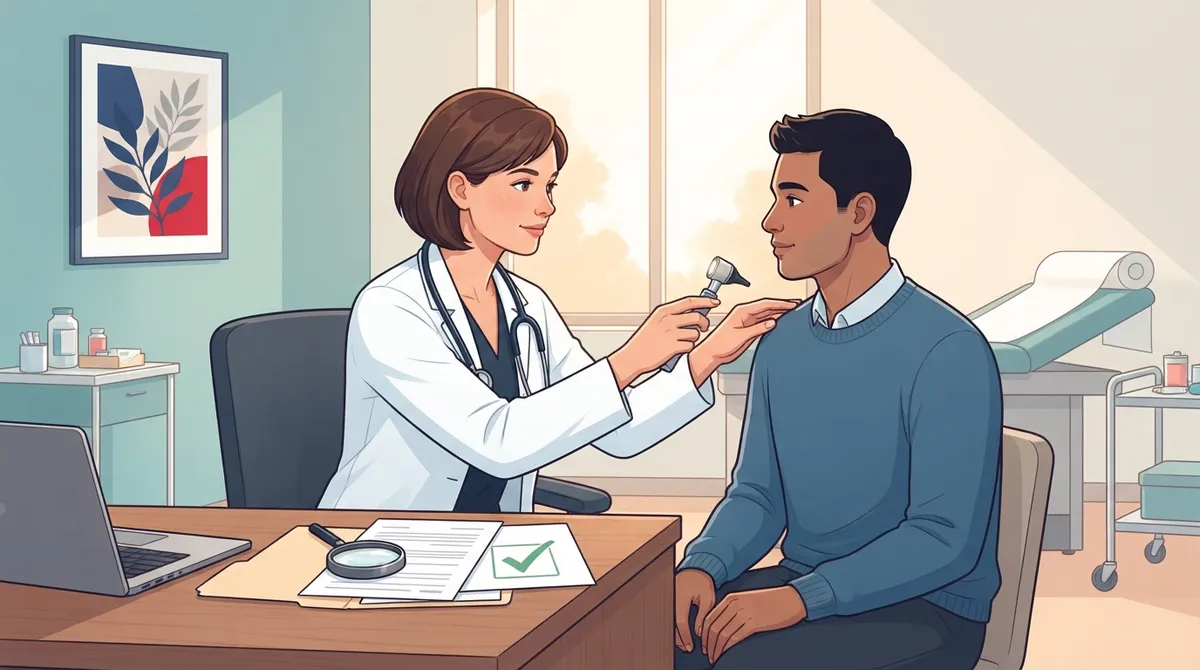
A medical cannabis evaluation is a real medical visit. The clinician reviews your health history, your symptoms, and your goals. Then they decide whether cannabis is a safe and reasonable option for you. Bringing the right items helps that process move smoothly.
This guide walks you through every item to pack, what to say during the visit, and how to avoid common mistakes. It is written for busy adults, young families, and wellness-minded patients across Tampa and Riverview, Florida. You will also learn how a primary care approach can make the whole experience safer and more personal.
Why Preparation Matters Before Your Visit
A medical cannabis appointment is not a quick form check. The clinician needs a clear picture of your health. Missing documents can slow down your evaluation or force a second visit.
Requirements also vary by state and by clinic. Forms, fees, residency rules, and who submits the application can all differ. Because of this, you should confirm current requirements with the clinic before you go. A short phone call or message can prevent a wasted trip.
Good preparation helps you in three ways:
- It saves time. You avoid return visits for missing paperwork.
- It improves safety. The clinician can spot drug interactions and health risks.
- It supports better results. A clear history leads to a clearer treatment plan.
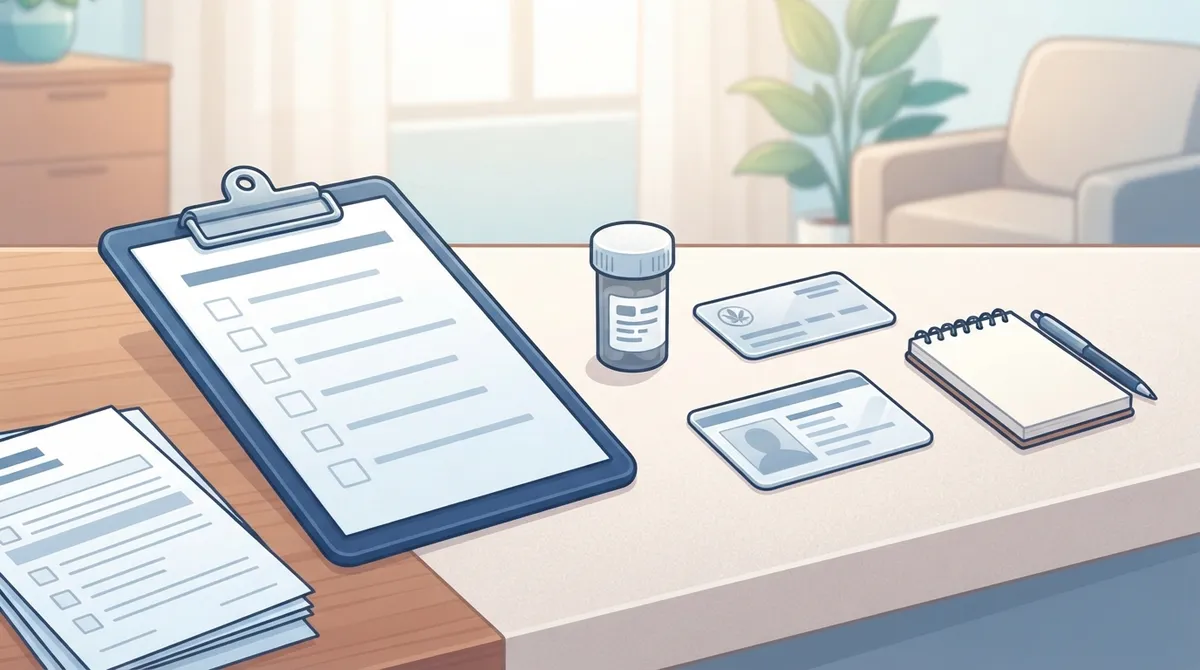
The Core Checklist: What to Bring
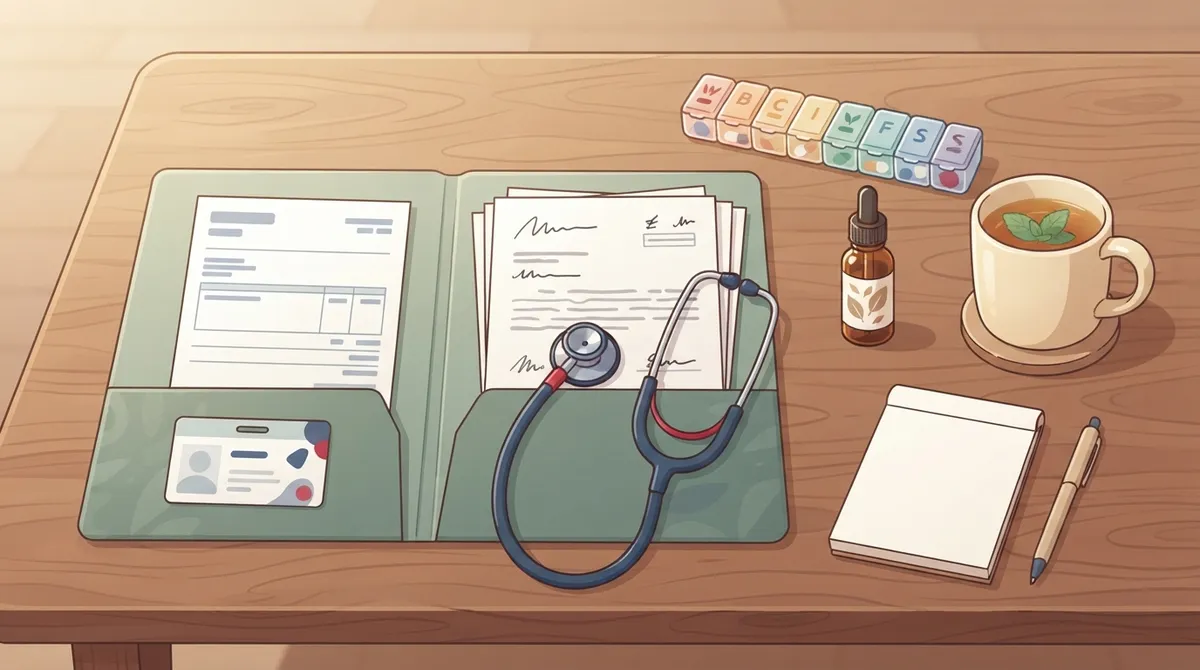
Here is a simple checklist you can follow. Print it or save it on your phone the night before.
- A government-issued photo ID. A driver's license, state ID, or passport works well.
- Proof of residency, if required. This may be a recent utility bill, lease, or vehicle registration.
- Relevant medical records. Bring records that show your diagnosis, symptoms, and past treatments.
- A full medication and supplement list. Include prescriptions, over-the-counter drugs, vitamins, and herbal products.
- A list of cannabis products you already use. Note the type, dose, and how often you use them.
- Any required forms. Bring application forms, referrals, or authorizations if the program asks for them.
- A payment method. Fees differ by clinic and program, so confirm the cost ahead of time.
- Insurance card, if applicable. This helps the clinic update your chart for primary care needs.
Photo ID and Proof of Residency
Identity checks are standard. A current government-issued photo ID confirms who you are and protects your medical record. Make sure it is not expired.
Many state programs also ask for proof that you live in the state. Common examples include a current utility bill, lease agreement, or vehicle registration. Some programs set rules about how recent the document must be. Because rules change, check the current instructions with the state program or your clinic first.
For example, California's county programs require supporting documentation such as proof of residency and medical documentation. Counties then verify applications within 30 days, according to the California Department of Public Health. Other states use different timelines and forms. This is why confirming local rules matters so much.
Medical Records That Support Your Visit
Medical records are one of the most helpful items you can bring. They give the clinician a factual history instead of relying on memory alone.
Useful records include:
- Diagnosis letters or visit summaries
- Imaging or lab results tied to your condition
- Notes about past treatments and how you responded
- Records from specialists, such as pain or neurology clinics
- Surgical or hospital summaries, if relevant
Some programs also require a clinician's certification or a specific medical-record form. In Oregon, for instance, first-time applicants must submit the attending provider statement or relevant medical records within 90 days of the provider's signature. Rules like this are one reason to ask the clinic what documents they need.
If you do not have your records handy, do not panic. You can request them from your past providers. Our guide on the key steps to a medical records request in primary care explains how to get them quickly.
Your Complete Medication and Supplement List
This item is easy to forget, yet it is one of the most important. Cannabis can change how some prescription medicines work. The CDC notes that cannabis may affect how certain drugs act in the body. A full list helps the clinician check for risks.
Write down every item you take, including:
- Prescription medicines, with doses
- Over-the-counter pain relievers, sleep aids, and allergy drugs
- Vitamins, minerals, and herbal supplements
- Any cannabis, CBD, or hemp products you already use
Bringing the actual bottles also works. If you manage several prescriptions, our tips on prescription management for better health in 2026 can help you stay organized.
Be Ready to Discuss Your Health Story
The visit is a conversation. The clinician will ask about your symptoms, your history, and your goals. You may also have a physical exam as part of the evaluation.
Think through these questions before you arrive:
- What symptoms are you trying to treat?
- When did they start, and how severe are they?
- What treatments have you tried before?
- Have you used cannabis in the past? What was the result?
- What is your main goal, such as better sleep, less pain, or calmer anxiety?
Short written notes help a lot. Many patients find it easier to answer clearly when they have a page in hand. If you are curious about the basics first, read what medical cannabis is and how it may offer natural relief.
Health Details You Should Always Share
Some details change how a clinician views safety. Be open about them, even if they feel personal. Tell the clinician about:
- Pregnancy or plans to become pregnant. This is a key safety topic.
- Mental health history. Anxiety, depression, or other conditions matter.
- Heart or lung conditions. These can affect which methods are appropriate.
- Substance use history. This helps the clinician plan safe care.
- Other medical concerns. Even small details can be useful.
Remember that THC can affect memory, attention, and decision-making. The CDC also warns that cannabis can change risk-taking behavior. Ask the clinician about safe use and follow-up. Never drive while impaired.
Quick Reference: Bring vs. Confirm First
Some items are almost always needed. Others depend on your state or clinic. Use this table to sort your list.
|
Item |
Usually Needed? |
Why It Matters |
|---|---|---|
|
Government photo ID |
Yes |
Confirms your identity |
|
Proof of residency |
Often |
Required by many state programs |
|
Medical records |
Strongly advised |
Documents diagnosis and treatment history |
|
Medication and supplement list |
Yes |
Checks for drug interactions |
|
Current cannabis use notes |
Yes |
Guides dose and product choices |
|
Application or referral forms |
Varies |
Depends on state and program rules |
|
Payment method |
Yes |
Fees differ by clinic and program |
|
Caregiver documents |
Only if applicable |
Needed when a caregiver will assist |
For example, Sacramento County lists a $100 application fee, reduced to $50 for Medi-Cal beneficiaries. Fees like this change over time, so always confirm the current amount locally.
Planning for Your Visit Day
A few simple habits make the day easier. Follow these steps in order.
- Call or message the clinic. Ask which documents, forms, and fees apply to you.
- Gather records early. Request any missing files a week or two before the visit.
- Write your symptom notes. Keep them short and clear.
- Update your medication list. Double-check doses and recent changes.
- Plan your ride. Arrive well-rested and avoid impairment before the visit.
- Arrive a little early. This gives you time for check-in and paperwork.
Digital tools can help busy people. Many patients keep photos of their ID, medication list, and records on their phone for quick access. Still, bring paper copies of any required forms, since clinics often need originals.
Common Mistakes to Avoid
Small errors can create big delays. Watch out for these common ones:
- Showing up with an expired ID. Check the date ahead of time.
- Skipping supplements on your list. Herbal products can interact with other drugs.
- Assuming every state has the same rules. Requirements vary widely.
- Leaving out health concerns. Hidden details can limit safe care.
- Expecting a same-day card in every case. Some programs verify applications over several weeks.
Why a Primary Care Approach Helps
Cannabis should fit into your whole health picture, not sit apart from it. A clinic that offers primary care can review your medications, chronic conditions, and screenings in one place. That reduces the risk of missed interactions and gaps in care.
This is where InCare stands out. InCare is a personalized primary care and wellness clinic serving Tampa and Riverview, Florida. The team combines modern technology with careful medical expertise. Patients can address everyday health needs, preventive screenings, and wellness goals under one roof. Because your records live in one coordinated system, your clinician sees the full story.
If you want to meet the people behind the care, visit our providers page. You can also learn more about how we guide patients through this process in our post on medical cannabis guidance in Tampa, FL, or explore how to prepare for a medical marijuana evaluation in Tampa.
Follow-Up and Ongoing Care
Your first visit is only the start. Many patients return for follow-up to review how treatment is working. Come prepared to share what helped, what did not, and any side effects.
Track simple details between visits, such as:
- Which product and dose you used
- What time of day you used it
- How your symptoms changed
- Any side effects, like dizziness or dry mouth
These notes make follow-up visits faster and more useful. They also help your clinician adjust your plan safely. If you want to understand potential benefits, see our overview of medical marijuana benefits for anxiety and pain and our guide on medical cannabis for chronic pain.
Stay Connected With InCare
Want health tips and clinic updates between visits? Follow us on Instagram, join the conversation on Facebook, or watch short wellness videos on TikTok. You can also see what patients say about their experience when you read InCare reviews on Google.
Final Thoughts and Next Steps
Knowing what to bring to a medical cannabis appointment turns a stressful task into a simple one. Pack your photo ID, proof of residency if required, medical records, and a full list of medicines and supplements. Add notes about your symptoms and goals. Then confirm current forms and fees with the clinic before you go.
Most important, be honest and open during the visit. Clear information leads to safer, more effective care. When you are ready, book your appointment with InCare to start with a team that treats your whole health. Have questions first? Contact our team and we will gladly walk you through what to expect.
FAQs
Q: What documents do I need for a medical cannabis appointment?
A: Bring a current government-issued photo ID, relevant medical records, and a full list of your medicines and supplements. Many programs also ask for proof of residency, such as a utility bill or lease. Requirements vary by state, so confirm the current rules with your clinic first.
Q: Should I bring my medical records to a medical cannabis evaluation?
A: Yes, medical records are strongly recommended. They document your diagnosis, symptoms, and past treatments, which helps the clinician evaluate your needs. Some programs also require a clinician's certification or a specific medical-record form.
Q: What should I tell the doctor during a medical cannabis appointment?
A: Share your symptoms, treatment history, prior cannabis use, and goals. Also mention pregnancy or plans for pregnancy, mental health history, heart or lung conditions, and substance use. This information helps the clinician plan safe and effective care.
Q: Do I need to bring a list of my medications and supplements?
A: Yes. Cannabis can change how some prescription medicines work, so a complete list is important for safety. Include prescriptions, over-the-counter drugs, vitamins, herbal products, and any cannabis products you already use.
Q: Are medical cannabis appointment requirements different by state?
A: Yes, they differ substantially. Forms, qualifying conditions, fees, residency rules, caregiver documents, and who submits the application can all vary. Always check the current instructions with the state program or your clinic before your visit.